How to Use a Kitchen Scale for Precise Cooking and Baking
Using a kitchen scale involves placing the ingredient container on the scale, zeroing the tare function to subtract the container’s weight, then adding your ingredient directly to measure its exact weight. This method ensures precise ingredient amounts, which is essential for both cooking and baking.
Accurate measurement is critical because volume measurements like cups and spoons can vary greatly depending on how an ingredient is packed or its moisture. A kitchen scale eliminates guesswork, adjusting your recipe with precision improves taste, texture, and consistency.
This article will cover how to select the right kitchen scale, how to properly measure different ingredients, the role of tare functionality, and expert tips for maintaining and using your scale to get the best performance in your everyday cooking or baking.
Choosing the Right Kitchen Scale

Types of Kitchen Scales: Digital vs Mechanical
Digital kitchen scales are favored for their precision and ease of reading, often providing measurements down to grams or ounces. Mechanical scales, on the other hand, use a spring mechanism and offer a more analog feel but generally lack the same accuracy and can be harder to calibrate.
While digital scales offer features like tare functions and unit conversion, mechanical scales are durable and require no batteries. Selecting the right type depends on your preference for accuracy, convenience, and style.
- Digital scales provide precise weight measurement
- Mechanical scales are battery-free and durable
- Digital scales offer tare and unit conversion functions
Capacity and Accuracy Considerations
Kitchen scales vary in capacity, typically ranging from 5 to 15 pounds (2 to 7 kilograms). For everyday home cooking, a scale with a capacity of about 11 pounds (5 kilograms) is usually sufficient.
Accuracy, measured in increments, is equally important. Look for scales with at least 1-gram precision to ensure small amounts like spices or yeast are measured correctly.
- Typical capacity: 5-15 pounds
- Recommended precision: 1 gram or 0.1 ounce
- Higher precision needed for small-volume ingredients
How to Use a Kitchen Scale for Accurate Measurements

Step-by-Step: Measuring Ingredients
Place your empty container or bowl on the scale first, then press the tare button to reset the display to zero. This avoids including the container's weight in your measurement.
Add your ingredient until the scale shows the desired weight. For recipes specifying both metric and imperial units, switch units using the unit button if available for convenience.
- Place container and press tare
- Add ingredient to target weight
- Switch units as needed
Using the Tare Function Effectively
Tare functionality is a key feature that resets the scale to zero after you place a container, letting you weigh ingredients sequentially in the same bowl without removing the contents.
This is particularly useful for layered recipes or when combining multiple ingredients, reducing cleanup and enhancing measurement accuracy.
- Zero scale with container in place
- Add ingredient and record weight
- Repeat for additional ingredients in same container
Measuring Different Types of Ingredients
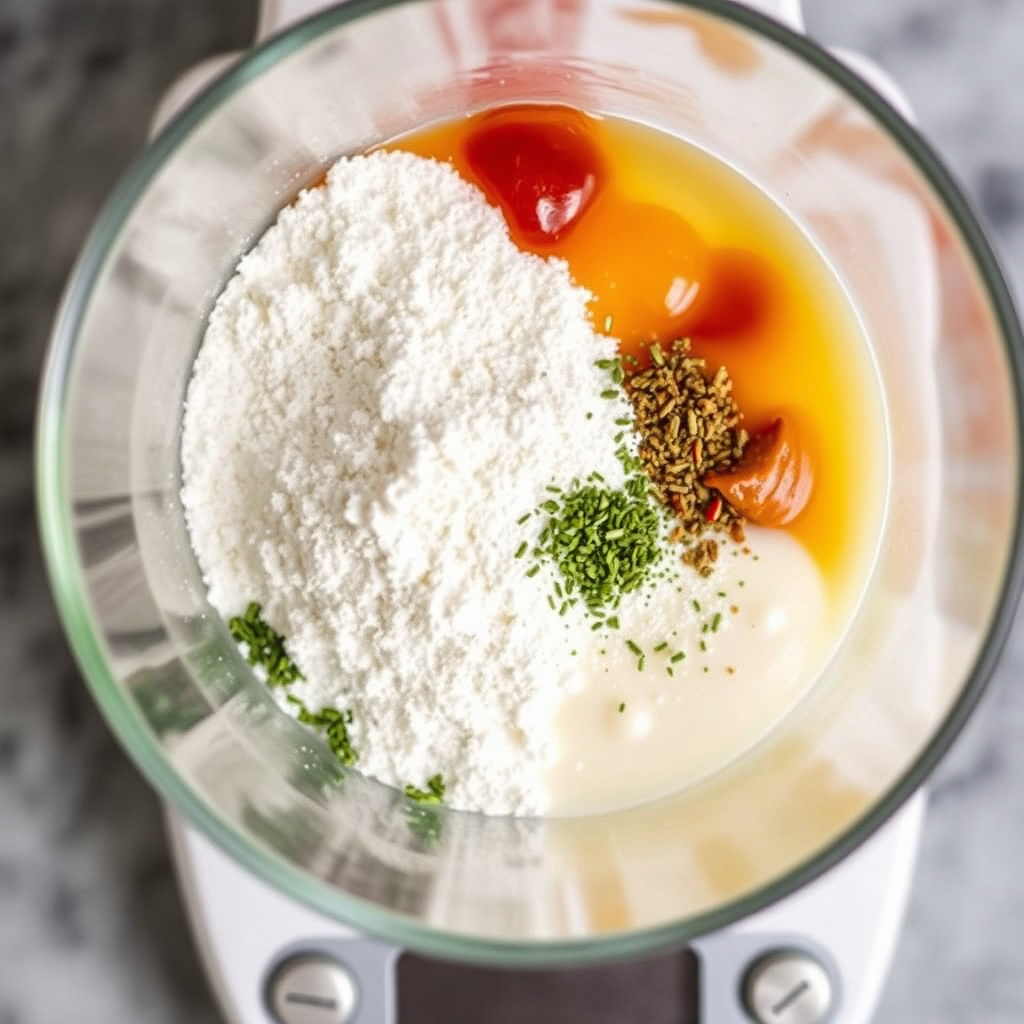
Weighing Dry Ingredients
Dry ingredients such as flour, sugar, or spices should be loosely filled into your container before weighing. Packing ingredients tightly can lead to inaccurate portions which can affect baking outcomes.
Use a container that fits the quantity you are measuring, and avoid scooping directly with the container unless it's specifically designed for measuring.
- Use loose filling for flour and sugar
- Choose appropriate container size
- Avoid compacting ingredients when measuring
Measuring Liquids on a Scale
Liquids can be measured by weight directly in a container on the scale, offering more accuracy than volume measurements. Since 1 milliliter of water weighs 1 gram, you can convert volumes easily for water-based liquids.
For liquids other than water, consider the density to convert volume to weight accurately, but for most cooking applications, weighing liquids gives consistent results.
- Place container and tare scale
- Pour liquid to required weight
- Remember 1 ml water = 1 gram weight
Maintaining and Calibrating Your Kitchen Scale

Regular Cleaning to Preserve Accuracy
Keep the scale clean by wiping it with a damp cloth, avoiding harsh chemicals or submerging it in water. Residue buildup on the weighing platform can affect accuracy over time.
Remove any debris or sticky residue after weighing sticky substances to maintain consistent performance.
- Wipe surface gently after use
- Avoid water submersion
- Clean spills immediately
How to Calibrate Your Kitchen Scale
Many digital scales require occasional calibration with a known weight to ensure precision. Follow the manufacturer's instructions to enter calibration mode, place the calibration weight, and wait for the scale to adjust.
Calibration is especially important if the scale has been moved frequently, experienced temperature changes, or shows inconsistent readings.
- Use recommended calibration weights
- Perform calibration in a stable environment
- Recalibrate periodically for accuracy
Benefits of Using a Kitchen Scale in Everyday Cooking and Baking
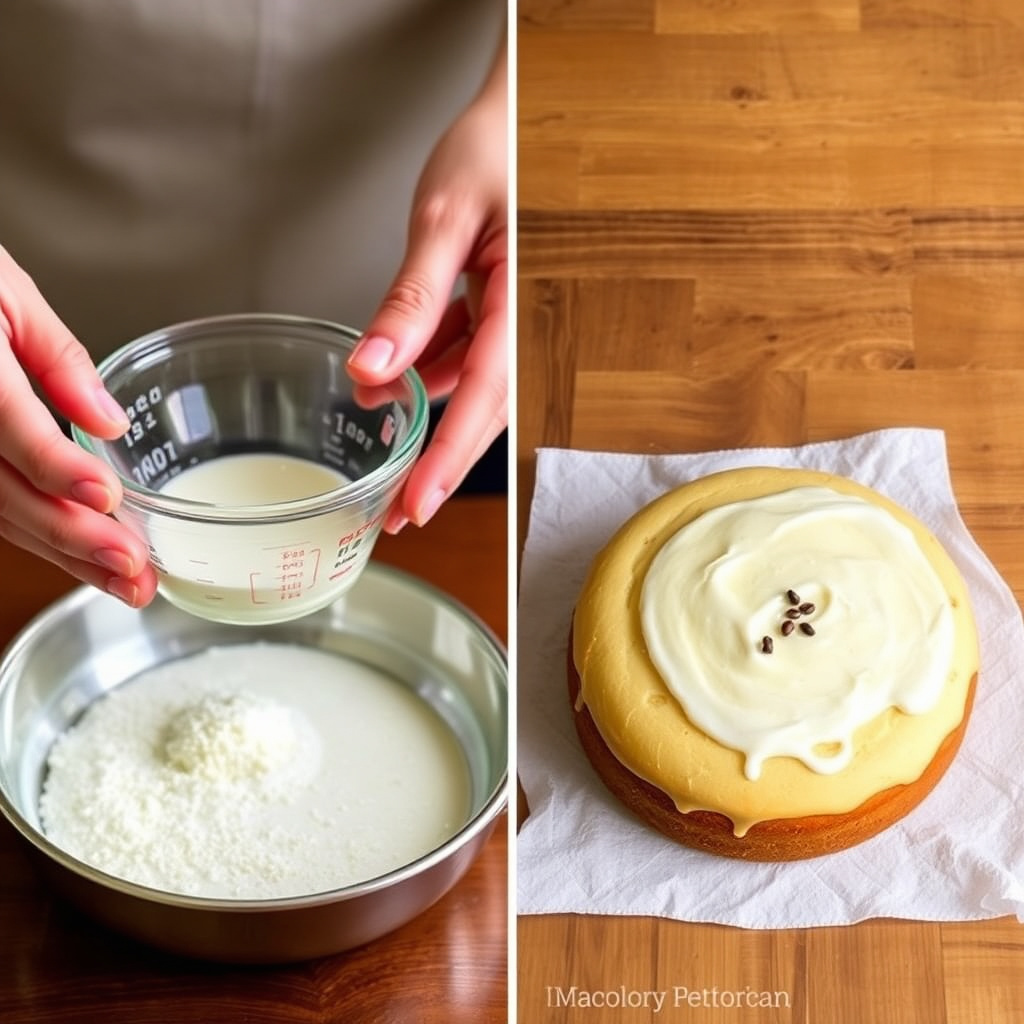
Improved Recipe Consistency and Results
Measuring by weight reduces variability compared to volume measurements, allowing you to replicate recipes with consistent texture, taste, and baking success each time.
This is especially important in baking where chemical reactions depend on precise ingredient ratios.
For a more detailed explanation of kitchen scales and their history, visit the kitchen scale information on Wikipedia. Kitchen scale information on Wikipedia.
Reducing Food Waste and Controlling Portions
A kitchen scale helps in portion control by allowing precise measurement of serving sizes, helping to reduce food waste and support dietary goals.
It also promotes better ingredient management by avoiding over-purchasing or overuse during cooking.
Kitchen Scale Category Comparison
Below is a comparison of popular kitchen scale types based on key features and typical use cases to help you choose the best fit.
| Category | Accuracy | Capacity | Features | Price Range |
|---|---|---|---|---|
| Digital Compact | 1 gram | 5 kg | Tare, unit conversion, backlit display | $15-$30 |
| Mechanical Dial | 5 grams | 10 kg | No batteries, simple design | $10-$25 |
| Professional Precision | 0.1 gram | 3 kg | High precision, tare, metric/imperial | $50-$100 |
| Smart Bluetooth Scale | 1 gram | 5 kg | App integration, nutritional info | $40-$70 |
Frequently Asked Questions
Can I weigh multiple ingredients in one bowl?
Yes, by using the tare function, you can reset the scale to zero after adding each ingredient, allowing you to weigh multiple ingredients sequentially without removing them.
What if my kitchen scale shows inconsistent readings?
Inconsistent readings may be due to an uneven surface, low batteries, or the need for calibration. Make sure the scale is on a flat, stable surface and recalibrate as instructed.
Is weighing ingredients more accurate than using measuring cups?
Yes, weighing ingredients with a kitchen scale is generally more accurate because volume can vary based on how ingredients are packed or leveled; weight provides a precise measure.
Can I measure liquids on a kitchen scale?
Absolutely, liquids can be measured by weight which often provides better accuracy. Remember that the weight of the liquid may differ based on its density.
How often should I calibrate my kitchen scale?
Calibration frequency depends on usage, but generally once every few months or if you notice inaccurate readings, especially after moving or dropping the scale, is advisable.
Key Takeaways
- Using the tare function allows precise sequential ingredient measurement.
- Digital scales offer better accuracy and features than mechanical models.
- Proper maintenance and calibration keep your scale accurate over time.
- Weighing ingredients improves recipe consistency and portion control.
Conclusion
Choosing to use a kitchen scale refines your cooking and baking by providing exact measurements that reduce guesswork and variability. Whether you aim for perfect baked goods or want to control your portions, the kitchen scale transforms ingredient handling into a precise, reliable process. Always consider capacity and precision needs, along with ease of use, when selecting your scale.
For home cooks who value convenience and accuracy, a digital kitchen scale with a tare function will deliver the best results. Those baking frequently with sensitive recipes will especially appreciate the ability to measure flour or liquids precisely. For simple daily use, mechanical scales or compact digital models still offer solid performance at lower costs. Smart scales with app integration might be appealing for tech-savvy users who want nutritional tracking features.
Start by choosing a scale suited to your typical kitchen tasks, then practice measuring a few staple ingredients using the tare button. Keeping your scale clean and calibrated will ensure dependable use for years. This straightforward investment improves recipe outcomes and helps reduce waste, making it a valuable tool for home kitchens of any size or skill level.