How to Unclog a Kitchen Sink: Simple and Effective Methods
To unclog a kitchen sink, start by removing standing water if necessary, then use a plunger to create suction and dislodge the blockage. If that doesn’t fully clear the clog, try a drain snake or a baking soda and vinegar solution to break down the buildup. These steps usually restore proper drainage without needing professional help.
A clogged kitchen sink can be frustrating, interrupting cooking or cleaning routines. Common causes include grease buildup, food scraps, or soap residue hardening inside the pipes. Because kitchen sinks handle frequent waste disposal, addressing blockages quickly helps prevent further damage or unpleasant odors.
This article will guide you through several practical methods to unclog your kitchen sink, from manual tools like plungers and drain snakes to homemade chemical treatments and preventative tips to keep your pipes clear long term.
Tools and Materials Needed to Unclog a Kitchen Sink
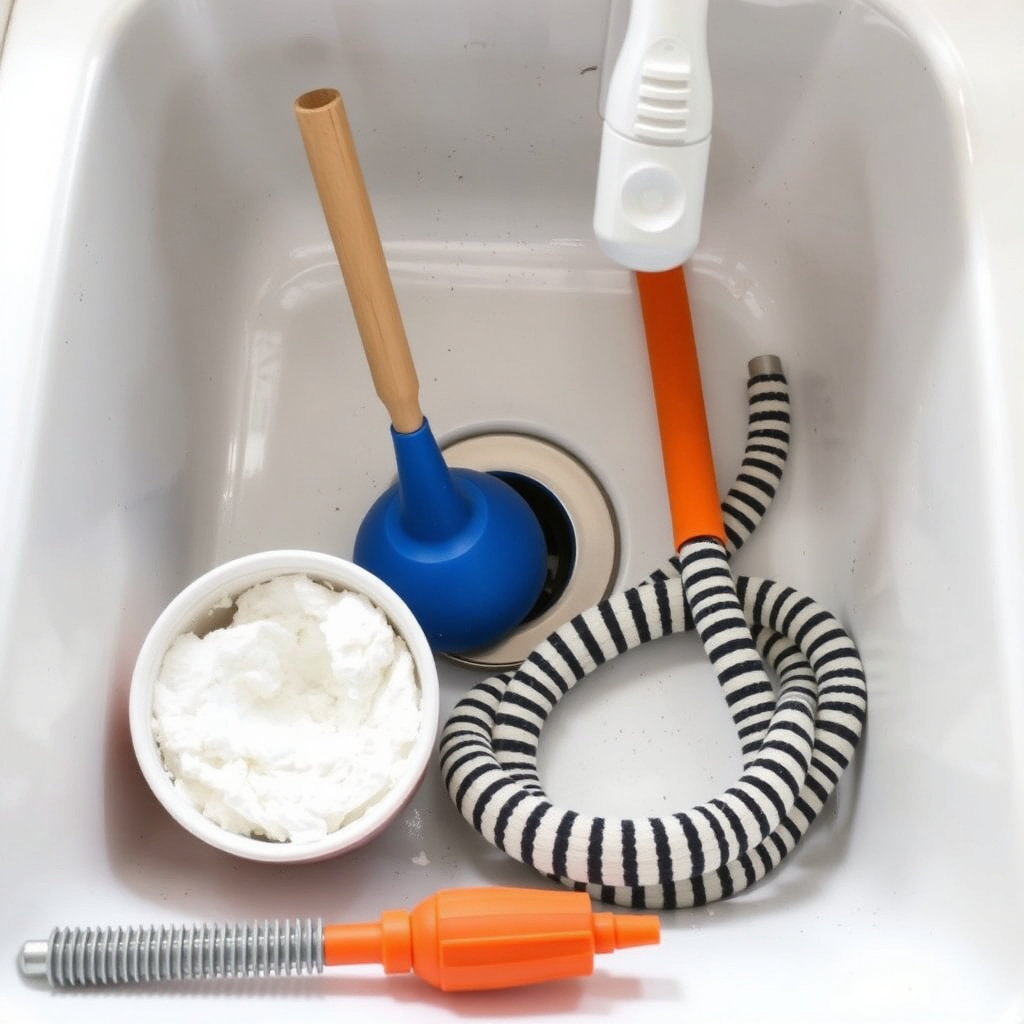
Essential Tools for Clearing Clogs
Having the right tools makes unclogging a kitchen sink much easier. A standard cup plunger is often the first tool to try. If that fails, a drain snake or auger can reach deeper blockages in your pipes. For persistent clogs, chemical-free solutions like baking soda and vinegar are effective alternatives.
Additionally, rubber gloves protect your hands from grime and chemicals. A bucket helps catch any water or debris when disconnecting pipes. Keeping these materials ready can save time during a blockage.
- Cup plunger
- Drain snake or auger
- Rubber gloves
- Bucket
- Baking soda and vinegar
When to Consider Using Chemical Drain Cleaners
Chemical drain cleaners should be a last resort because they can corrode pipes and are hazardous to handle. Use them only if mechanical methods fail and follow safety instructions carefully. For minor blockages, milder homemade solutions are safer and often just as effective.
Avoid mixing different chemical cleaners as this can cause toxic fumes. Also, chemical cleaners may not work well on organic buildup common in kitchen sinks.
Manual Techniques to Clear a Clogged Kitchen Sink

Using a Plunger to Dislodge the Blockage
Fill the sink with enough water to cover the plunger’s cup to create a tight seal. Place the plunger over the drain and press down firmly, then pump up and down vigorously several times to break loose the clog. Repeat as needed, then test drainage.
Remember to block the overflow hole with a wet cloth to maintain pressure. This technique relies on suction and pressure changes to dislodge trapped debris effectively without damaging pipes.
- Fill sink partially with water
- Cover overflow hole
- Use firm, quick plunges
- Test drainage after plunging
Employing a Drain Snake for Deeper Clogs
A drain snake is a flexible metal coil inserted into the drainpipe to physically break up or retrieve clogs. Insert it carefully until resistance is felt, then rotate and push forward to fragment the blockage. Slowly remove the snake while continuing to turn it, catching debris on its coils.
This method works well on more stubborn obstructions beyond the reach of a plunger and doesn’t involve harsh chemicals. Clean the snake after use to maintain it.
- Insert snake until resistance
- Rotate and push forward
- Retrieve snake slowly
- Clean after use
Natural DIY Remedies for Kitchen Sink Clogs
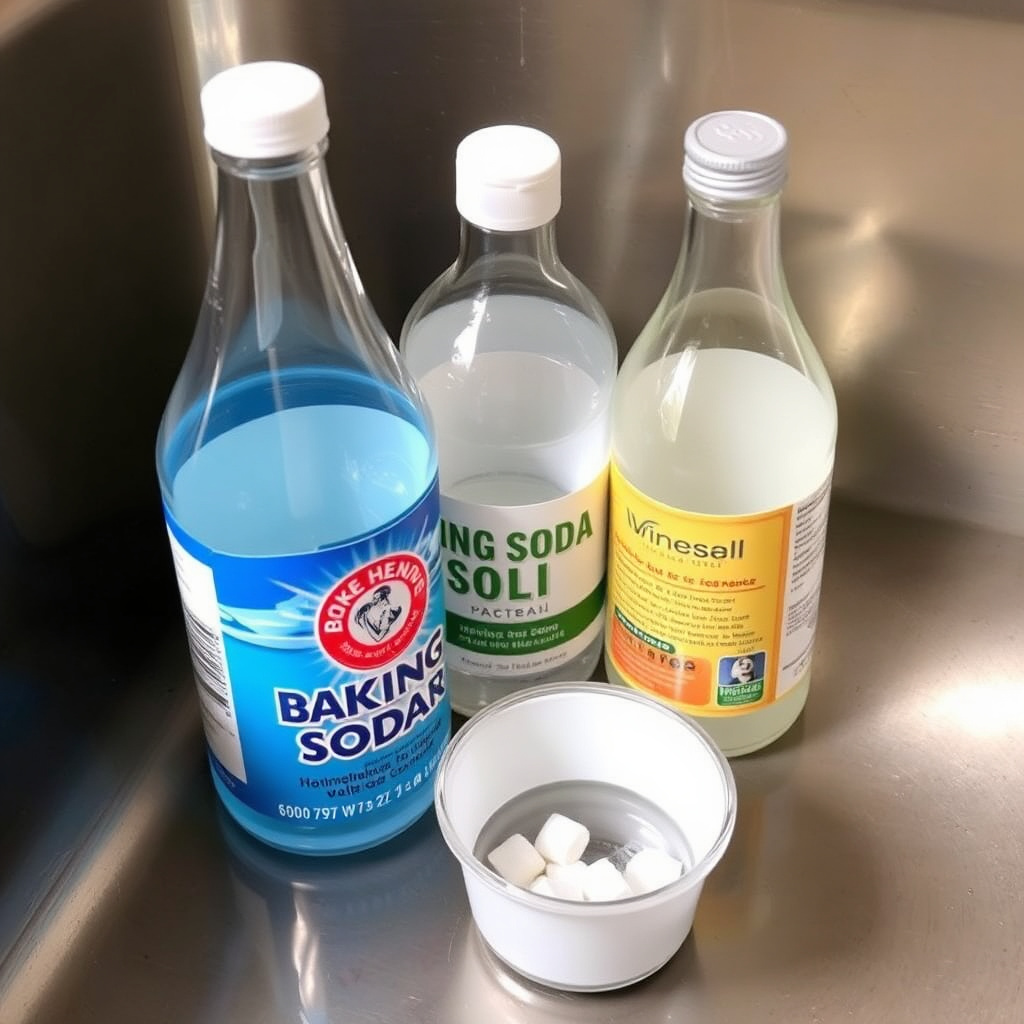
Baking Soda and Vinegar Solution
Pour a cup of baking soda directly into the drain, followed by a cup of white vinegar. The mixture will fizz and bubble, breaking down organic buildup inside the pipes. Let it sit for 15 to 30 minutes, then flush with boiling water to clear residual debris.
This approach avoids harsh chemicals and is effective for minor clogs caused by grease or soap scum. Regular use can help keep pipes cleaner and odor-free.
Boiling Water Flush
Sometimes simple boiling water poured down the drain can dissolve grease or loosen accumulated particles causing slow drainage. Pour water in stages with short pauses to avoid pipe damage from sudden temperature changes.
This remedy pairs well with baking soda and vinegar treatments and is an easy maintenance step to prevent future clogs.
Advanced Steps: Disassembling and Cleaning Drain Pipes

Removing and Cleaning the P-Trap
Place a bucket beneath the sink trap to catch water, then use adjustable pliers or a wrench to loosen and remove the P-trap. Clean out trapped debris manually using a brush or cloth. Reassemble tightly to prevent leaks.
Regular cleaning of the P-trap can prevent frequent blockages since it’s a common spot for food buildup to accumulate and cause clogs.
- Turn off water supply if necessary
- Use bucket to catch spills
- Hand-clean inside the trap
- Reattach securely
Inspecting and Clearing Overflow Holes
Some sinks feature overflow holes that can become partially blocked, impeding drainage or venting. Clean these areas carefully with a small brush or pipe cleaner to improve flow and prevent pressure buildup.
This preventative maintenance step complements other unclogging methods and improves sink functionality.
Preventive Measures to Keep Your Kitchen Sink Draining Smoothly

Using Drain Strainers and Avoiding Grease Disposal
Always use a drain strainer to catch food particles before they enter the pipes. Never pour grease or oil down the sink as these solidify and cause buildup over time. Instead, collect grease separately and dispose of it with household waste.
Practicing these habits significantly reduces the chance of clogs forming, saving effort and potential plumbing costs.
- Use sink strainers regularly
- Avoid pouring grease/oil down sink
- Dispose of food scraps in trash
For more technical details about plumbing and drain systems, consult the sink clog information on Wikipedia. sink clog information on Wikipedia.
Routine Maintenance and Flushing
Periodically flush your kitchen sink with boiling water or a baking soda and vinegar mixture to clear minor deposits before they harden. These simple steps help maintain free-flowing drains without aggressive chemicals.
Routine cleaning combined with preventative restrictions extends pipe life and reduces unwanted odors.
- Flush monthly with hot water
- Apply baking soda and vinegar quarterly
Comparison of Kitchen Sink Clog Clearing Methods
Here’s a side-by-side evaluation of common techniques showing their pros, cons, and best use cases to help you choose the best way to clear a clogged sink.
| Method | Effectiveness | Ease of Use | Damage Risk | Cost |
|---|---|---|---|---|
| Plunger | High for minor clogs | Easy | Low | Low |
| Drain Snake | High for stubborn clogs | Moderate | Low | Moderate |
| Baking Soda and Vinegar | Moderate | Easy | Very Low | Very Low |
| Chemical Cleaners | High but varies | Easy | High | Low to Moderate |
| Disassembling P-trap | Very High | Difficult | Low if careful | Low |
Frequently Asked Questions
How long does it take to unclog a kitchen sink?
Simple clogs can be cleared within 10 to 30 minutes using a plunger or baking soda and vinegar. More stubborn blockages requiring a drain snake or pipe disassembly may take longer.
Can I use chemical drain cleaners without damaging pipes?
Chemical cleaners can damage some types of pipes, especially older metal ones. Use with caution and avoid frequent use to protect your plumbing.
What causes most kitchen sink clogs?
Clogs usually result from grease buildup, food scraps, and soap residue accumulating inside pipes, reducing flow over time.
Is it safe to pour boiling water down my kitchen sink?
Yes, pouring boiling water slowly down the drain can help dissolve grease clogs, especially in metal pipes. Avoid abrupt extremes in temperature to protect PVC pipes.
How often should I clean my kitchen sink drain?
Monthly maintenance with hot water flushing or baking soda and vinegar treatment helps prevent buildup and keeps drains running smoothly.
Key Takeaways
- Start with a plunger to tackle common kitchen sink clogs.
- Use a drain snake for deeper, tougher blockages.
- Natural remedies like baking soda and vinegar provide safe, effective cleaning.
- Prevent clogs by avoiding grease disposal and using sink strainers.
Conclusion
Approaching a clogged kitchen sink requires a balance of proper tools and techniques tailored to the blockage’s severity. Start with the simplest method, such as plunging or natural cleaning agents, and escalate to mechanical tools like drain snakes or pipe disassembly only if necessary. This stepwise approach conserves resources and minimizes the risk of damage while restoring your sink’s flow efficiently.
For minor blockages caused by food scraps or grease, plungers and baking soda-vinegar solutions are practical and gentle options. When faced with persistent or deep clogs, using a drain snake can mechanically clear obstructions unreachable by hand or chemicals. If the clog resides in the P-trap, carefully removing and cleaning this segment will often resolve the issue. Avoid chemical drain cleaners unless other approaches have failed, because their corrosive nature might shorten your pipes’ lifespan.
Maintaining clean drains with routine flushing and avoiding grease disposal are vital to preventing future blockages. Begin tackling your clogged kitchen sink with a quick plunge or a homemade drain cleaner, then escalate as needed. Taking these steps will help you clear the sink effectively and keep your kitchen running smoothly.