How to Organize a Kitchen for Maximum Efficiency and Style
Organizing a kitchen effectively starts by categorizing items, maximizing available space, and arranging tools and supplies for easy access. Prioritize frequently used items near your prep and cooking areas and use clear storage to maintain order. Doing this improves cooking speed and reduces clutter.
A well-organized kitchen matters because it streamlines meal preparation and cleaning, making the space more pleasant and safer to use. Poorly planned kitchens often lead to wasted time hunting for ingredients or utensils, which can frustrate even the most enthusiastic cooks.
This article covers key strategies like zoning your kitchen workspace, choosing the right storage solutions, optimizing cabinet and drawer layouts, and maintaining organization over time. These practical steps will help you transform any kitchen into an efficient and inviting space.
Understanding Kitchen Zones for Optimal Workflow
Defining Essential Kitchen Zones
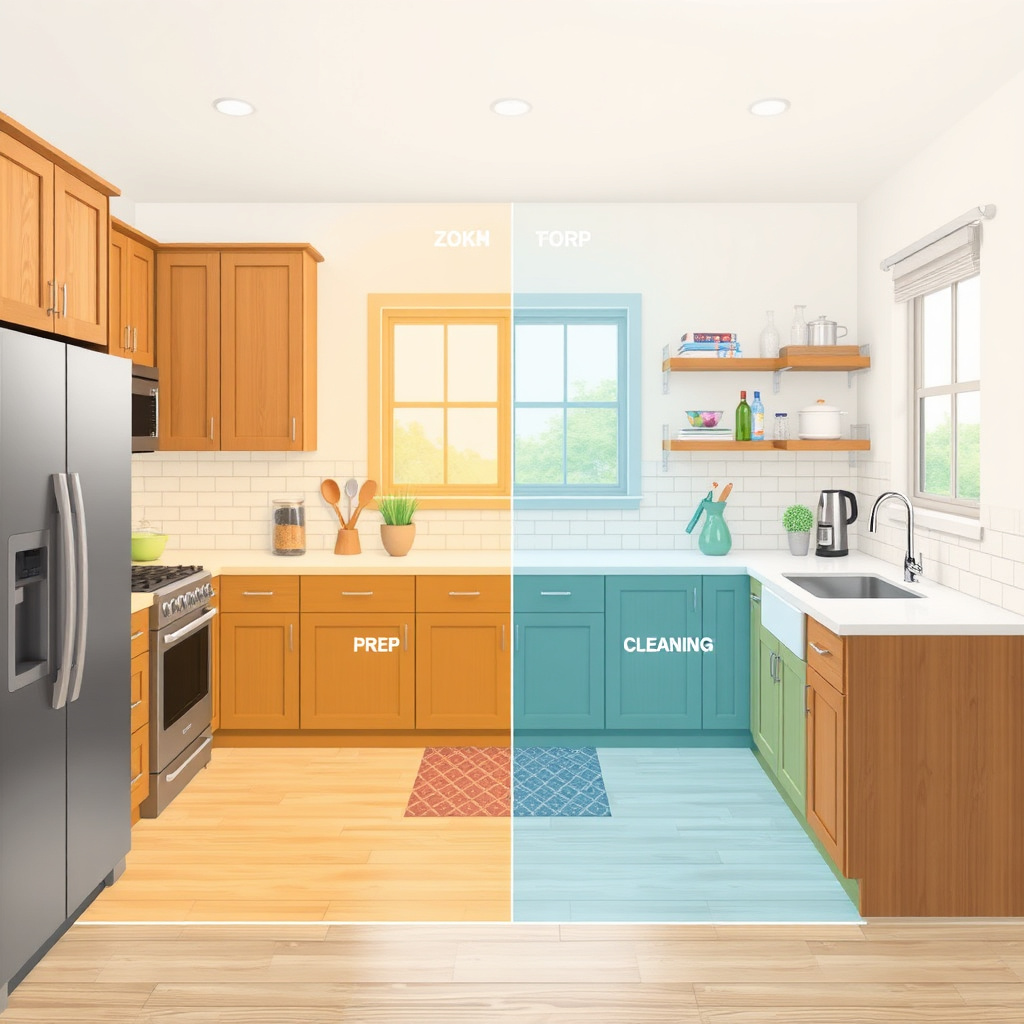
Dividing your kitchen into zones helps organize tasks by purpose and keeps everything you need within arm’s reach. The primary zones include cooking, preparation, cleaning, and storage areas. Each zone groups related items together to avoid constant movement across the kitchen.
A typical kitchen layout places the stove, sink, and refrigerator in a triangle pattern, known as the kitchen work triangle, which minimizes steps between critical zones and enhances workflow efficiency during meal prep.
- Cooking zone: stove, oven, utensils
- Prep zone: countertop space, knives, mixing bowls
- Cleaning zone: sink, dishwasher, trash
- Storage zone: pantry, cabinets, refrigerator
Tailoring Zones to Your Cooking Style
Adjust zones based on how you cook, the size of your kitchen, and family habits. For example, avid bakers benefit from a dedicated baking station stocked with frequently used baking tools and ingredients. Meal preppers might want an extended prep area and easy access to food storage containers.
Consider accessibility for all household members and prioritize ergonomics to reduce bending or reaching, which helps prevent strain during frequent kitchen use.
Smart Kitchen Storage Solutions to Reduce Clutter

Maximizing Cabinet and Drawer Space
Use adjustable shelves, pull-out drawers, and dividers to customize storage according to item sizes. Vertical storage racks for cutting boards or trays and tiered shelves inside cabinets increase usable volume. Drawer inserts keep utensils sorted and prevent jumbled messes.
Lazy Susans and corner pull-outs help utilize awkward cabinet corners effectively, allowing you to reach items without hassle.
- Pull-out spice racks
- Under-shelf baskets
- Stackable storage bins
- Clear containers for dry goods
Implementing Kitchen Storage Solutions
Labeling containers and grouping similar items like baking supplies or canned goods simplifies meal prep and grocery restocking. Transparent containers aid in quicker identification and minimize expired items slipping unnoticed.
Utilizing vertical wall space with pegboards or magnetic strips for knives and pots keeps counters clear and tools handy, protecting surfaces and improving order.
Optimizing Countertop and Appliance Arrangement
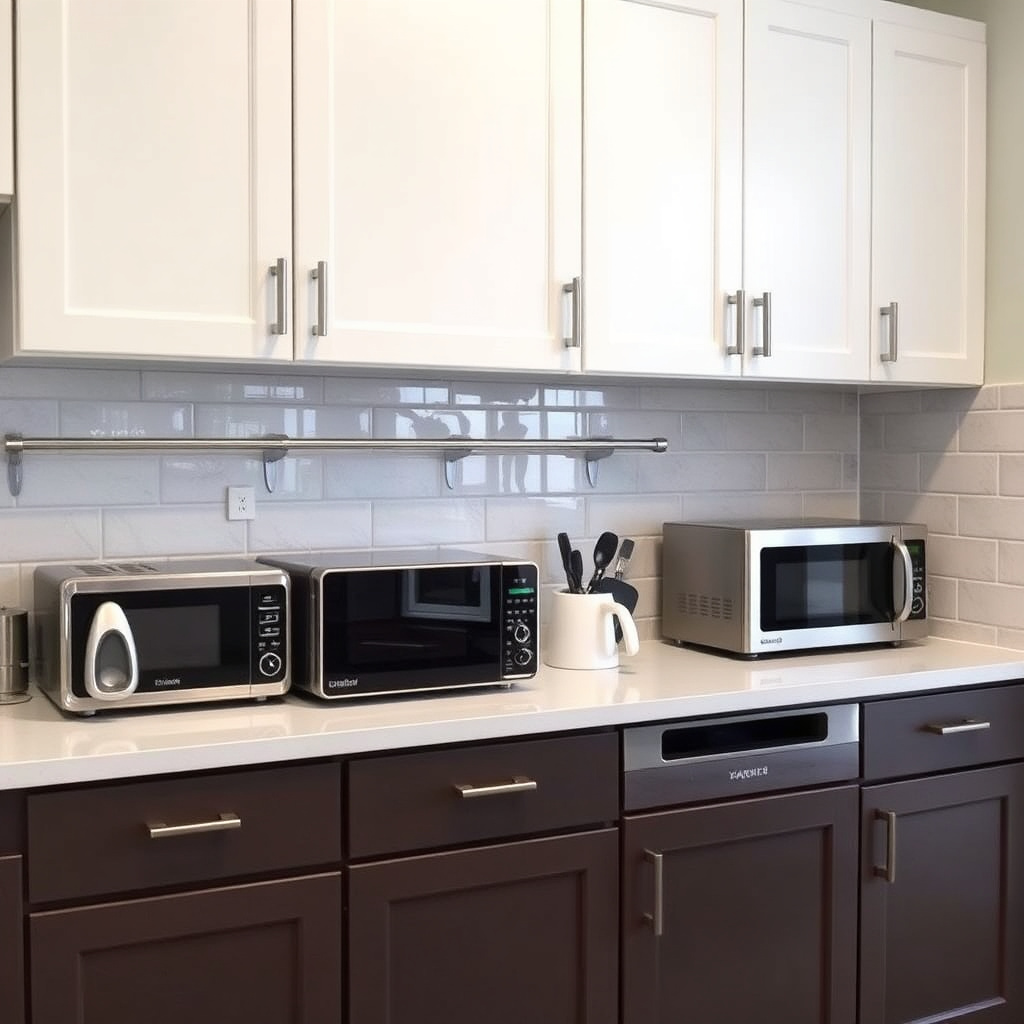
Decluttering and Prioritizing Counter Space
Limited counter workspace requires only keeping frequently used appliances and tools out. Store gadgets like slow cookers or mixers in cabinets when not actively used to free surface for prepping. A clutter-free countertop boosts cooking efficiency and hygiene.
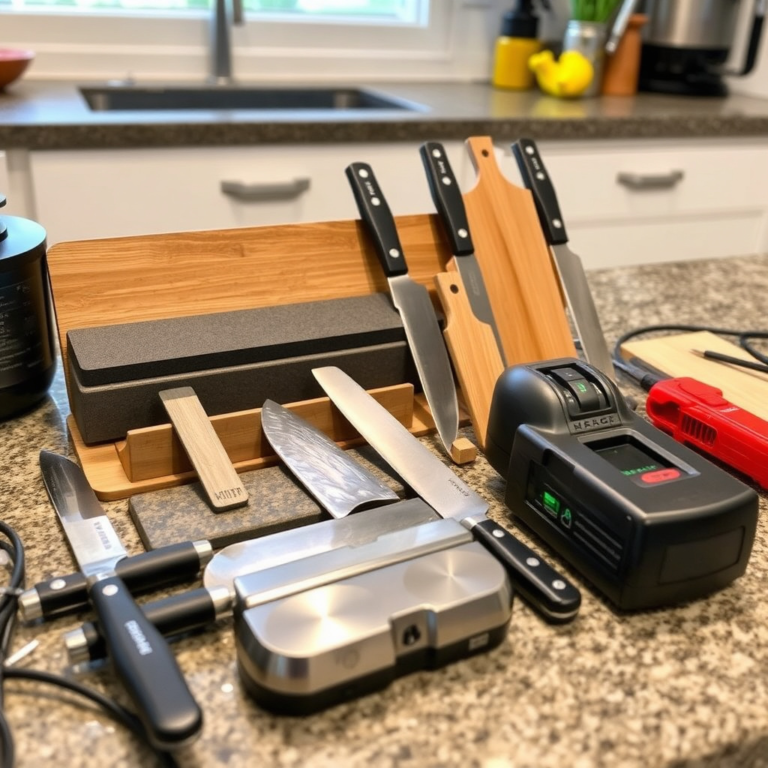
Keep daily essentials like a cutting board, knife set, and a small container for scraps close at hand to streamline meal assembly without crowding.
For more on this, see our related guide: Panera Bread Menu with Prices: Your Complete Guide to Delicious Options.
Proper Placement of Small Appliances
Position appliances near where you use them, such as the coffee maker near the sink for easy water filling, or the toaster close to an accessible outlet and breakfast items. Avoid overcrowding outlets by rotating appliance locations and consider multi-use machines to save space.
When possible, integrate appliances into cabinetry or countertops to maintain clean lines and consistent style.
- Group coffee supplies near the coffee maker
- Assign dedicated drawer for appliance cords and accessories
Maintaining Organization Through Regular Practices

Routine Kitchen Tidying Habits
Regularly discard expired food and donate unused cookware to maintain organization. Wipe surfaces daily and tidy drawers weekly to prevent buildup of clutter. Small recurring efforts prevent overwhelming cleanups.
Set up a system for returning items after use to their designated spots. This habit keeps counters clear and helps you identify when supplies need replenishment.
Seasonal Kitchen Overhauls
A thorough organization every few months refreshes the kitchen, improves item placement, and accommodates new tools or ingredients. Rotate seasonal items like holiday serving dishes to storage areas.
Use these sessions to reassess your kitchen zones and storage solutions, tweaking for greater efficiency or adapting to lifestyle changes.
Choosing the Right Organizational Tools and Accessories
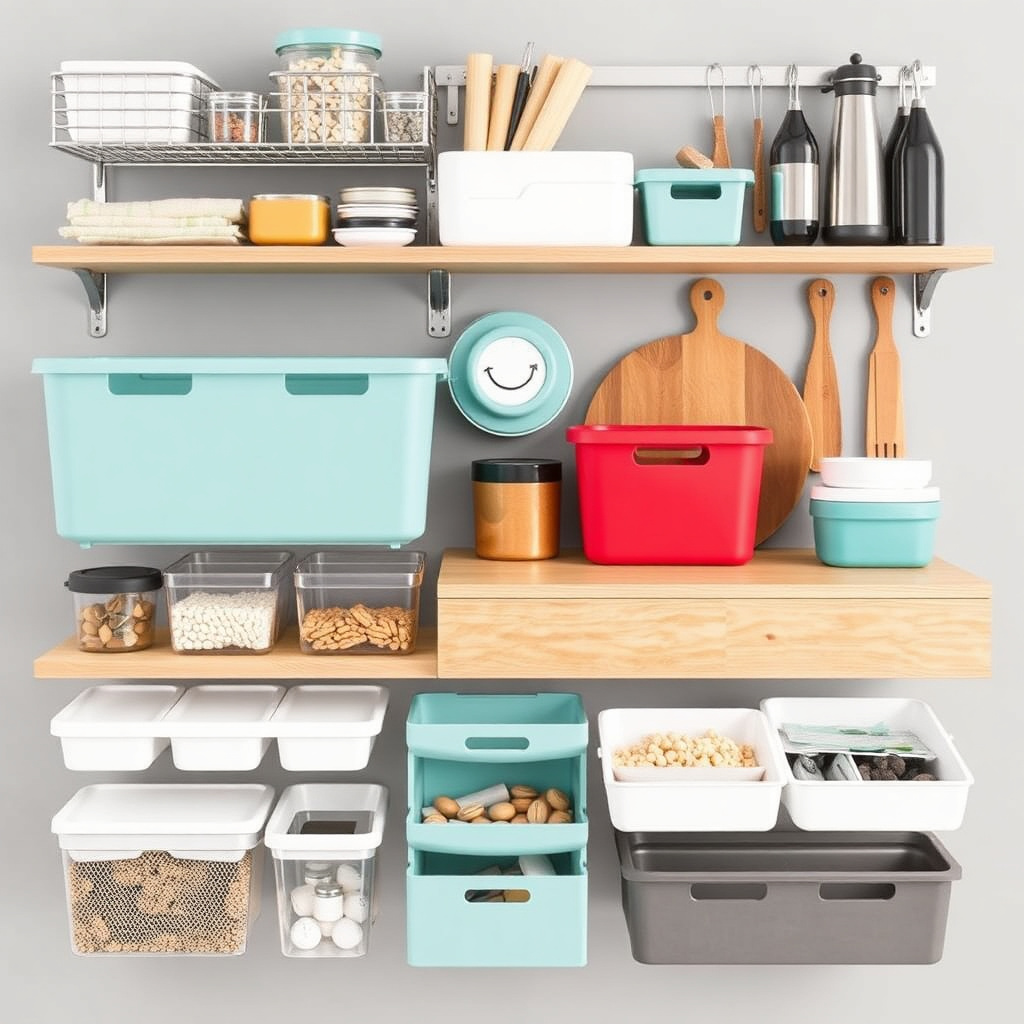
Essential Tools for Kitchen Organization
Select drawer dividers to separate cutlery and utensils precisely. Stackable bins allow you to vertically store canned goods or snacks inside cabinets or pantries. Over-the-door racks expand storage without taking floor space.
Reusable silicone or glass food bags and airtight containers preserve freshness while maintaining a clean pantry appearance.
- Drawer dividers
- Stackable bins
- Over-the-door racks
- Airtight storage containers
Integrating Kitchen Storage Solutions Into Your Space
Match organizing tools to your kitchen's size and design. Small kitchens benefit from multi-functional furniture like an island with storage. Use color-coded containers or labels for easy identification and visual harmony.
Modular organizers allow you to modify layouts as your needs evolve, providing flexibility and long-term usability.
Kitchen Safety and Accessibility in Organization

Making the Kitchen Safe for Everyone
Store sharp knives and hazardous cleaning products out of children’s reach using locks and high shelves. Prevent slips by securing rugs and promptly cleaning spills. Maintain clear pathways to avoid bumping into open drawers or cabinets.
Use cabinet door stoppers to prevent injury from sudden slams and opt for rounded corner counters for safer movement.
Understanding the classic kitchen work triangle offers valuable insight into how to organize a kitchen for maximum efficiency. Kitchen work triangle concept.
Designing for Accessibility and Comfort
Arrange frequently used items in easily reachable locations, ideally between waist and shoulder height to reduce strain. Consider pull-out shelves, lazy Susans, and adjustable racks for quick access. For those with mobility challenges, lowering countertops or installing task lighting improves usability.
Incorporate seating options near prep stations to promote comfort during longer cooking sessions.
Kitchen Organization Methods Comparison
Here’s a comparison of common kitchen organization methods to help you decide which fits your space and style best.
| Method | Best For | Space Requirement | Cost | Ease of Implementation |
|---|---|---|---|---|
| Zoning by Task | Efficient workflow cooks | Varies with kitchen size | Low | Moderate |
| Minimalist Approach | Small kitchens | Very low | Low | High |
| Full Storage Systems | Large kitchens, heavy cooks | High | Medium to High | Moderate |
| Modular Organizers | Flexibility seekers | Medium | Medium | Easy |
| Open Shelving | Display and access | Medium | Low to Medium | Moderate |
Frequently Asked Questions
What is the most effective way to start organizing my kitchen?
Begin by clearing out everything and sorting items into keep, donate, and discard. Then define kitchen zones and group items accordingly to simplify placement and reduce clutter.
How can I maximize storage in a small kitchen?
Use vertical space with wall-mounted racks, install pull-out shelves in cabinets, and choose stackable storage containers to save room and keep items accessible.
Are drawer organizers really necessary?
Drawer organizers help keep utensils and tools separated, preventing mess and making it easier to find what you need quickly, especially in busy kitchens.
How often should I reorganize my kitchen?
A light tidy-up weekly and a thorough reorganization every few months help keep your kitchen efficient and prevent clutter from accumulating.
Can organizing my kitchen improve safety?
Yes, proper storage reduces accidents by keeping sharp objects and hazardous materials out of reach and clear pathways prevent trips or falls.
Key Takeaways
- Organize your kitchen around functional zones for efficient meal prep
- Use smart kitchen storage solutions to reduce clutter and save space
- Maintain organization with regular tidying and seasonal overhauls
- Prioritize safety and accessibility when arranging kitchen tools and appliances
Conclusion
When planning to organize a kitchen, integrating the layout with the day-to-day habits of users forms the foundation for lasting efficiency. Evaluating how you prepare, cook, and clean will help arrange zones and storage that reduce unnecessary movement and clutter. Deciding on suitable kitchen storage solutions is a key part of this process because it affects ease of access and overall order. The main goal is convenience, letting you focus on cooking and enjoying the space rather than searching for tools or ingredients.
For kitchens with ample space and frequent usage, implementing full storage systems combined with clear zoning creates an optimal working environment that balances style and function. In smaller kitchens, lean towards modular organizers and vertical storage to make the most of limited room. Regularly revisiting organization habits, such as weekly tidying and quarterly rearrangements, fosters sustained order and prevents buildup. Safety and accessibility remain critical throughout, with strategic placement so all users can work comfortably and without risk.
Taking the first step could be as simple as removing unused items and labeling pantry containers. Gradually introducing drawer dividers, pull-out shelves, or wall-mounted racks will transform the kitchen into an efficient and welcoming space. Keep revising your system as new tools or cooking routines develop. By following the outlined principles on how to organize a kitchen, you can cultivate a functional and pleasant environment tailored to your needs.