How to Clean Kitchen Tiles: Effective Methods for Sparkling Results
To clean kitchen tiles effectively, start by sweeping or vacuuming the surface to remove loose dirt and debris, then apply a suitable tile cleaner or a homemade solution like vinegar and water. Scrub with a soft brush or sponge, paying special attention to grout lines, then rinse with clean water and dry with a cloth to avoid streaks.
Kitchen tiles accumulate grease, stains, and food particles from daily cooking, making regular cleaning essential for hygiene and aesthetics. Proper tile maintenance prevents buildup that can discolor grout and cause tiles to look dull, ensuring your kitchen remains inviting and easy to maintain.
This article will explore the best ways to clean kitchen tiles thoroughly, including natural and commercial cleaning products, techniques for grout care, maintenance tips to keep tiles looking fresh, and how to tackle tough stains.
Understanding Different Types of Kitchen Tiles

Ceramic and Porcelain Tiles
Ceramic and porcelain are popular kitchen tile options, known for durability and resistance to water and stains. Porcelain tiles are denser and less porous than ceramic, making them slightly tougher to clean but more resistant to moisture.
Both types respond well to standard cleaning agents like mild detergent or vinegar solutions. Avoid abrasive scrubbers that can scratch the glaze and opt for soft brushes or microfiber cloths to maintain tile integrity.
Natural Stone Tiles
Natural stone tiles, such as granite, marble, or slate, add elegance to kitchens but require more delicate care because they are porous and can be damaged by acidic cleaners.
Using pH-neutral or stone-specific cleaners is critical when cleaning natural stone to prevent etching or discoloration. Regular sealing of grout and the stone surface also helps protect tiles from stains.
Essential Cleaning Tools for Kitchen Tiles

Basic Tools for Everyday Cleaning
For routine cleaning, a vacuum or broom removes loose dirt effectively, preventing it from turning into grime. Using a mop with a microfiber head allows even coverage of cleaning solution without leaving excessive water behind.
Soft sponges, microfiber cloths, and non-abrasive brushes help scrub tiles gently. These tools reduce the risk of scratching tile surfaces while still getting rid of dirt.
- Vacuum cleaner or broom
- Microfiber mop
- Soft sponge and cloth
- Non-abrasive scrub brush
Specialized Tools for Grout Cleaning
Grout attracts more dirt and can discolor quickly, making specialized tools like narrow grout brushes crucial. These brushes have stiff bristles designed to reach into grout lines effectively.
Steam cleaners also provide a chemical-free option for grout cleaning by loosening dirt with hot steam, though caution is needed on certain tile types to prevent damage.
- Grout brush with stiff bristles
- Steam cleaner (optional)
Cleaning Solutions for Kitchen Tiles
Natural and Homemade Remedies
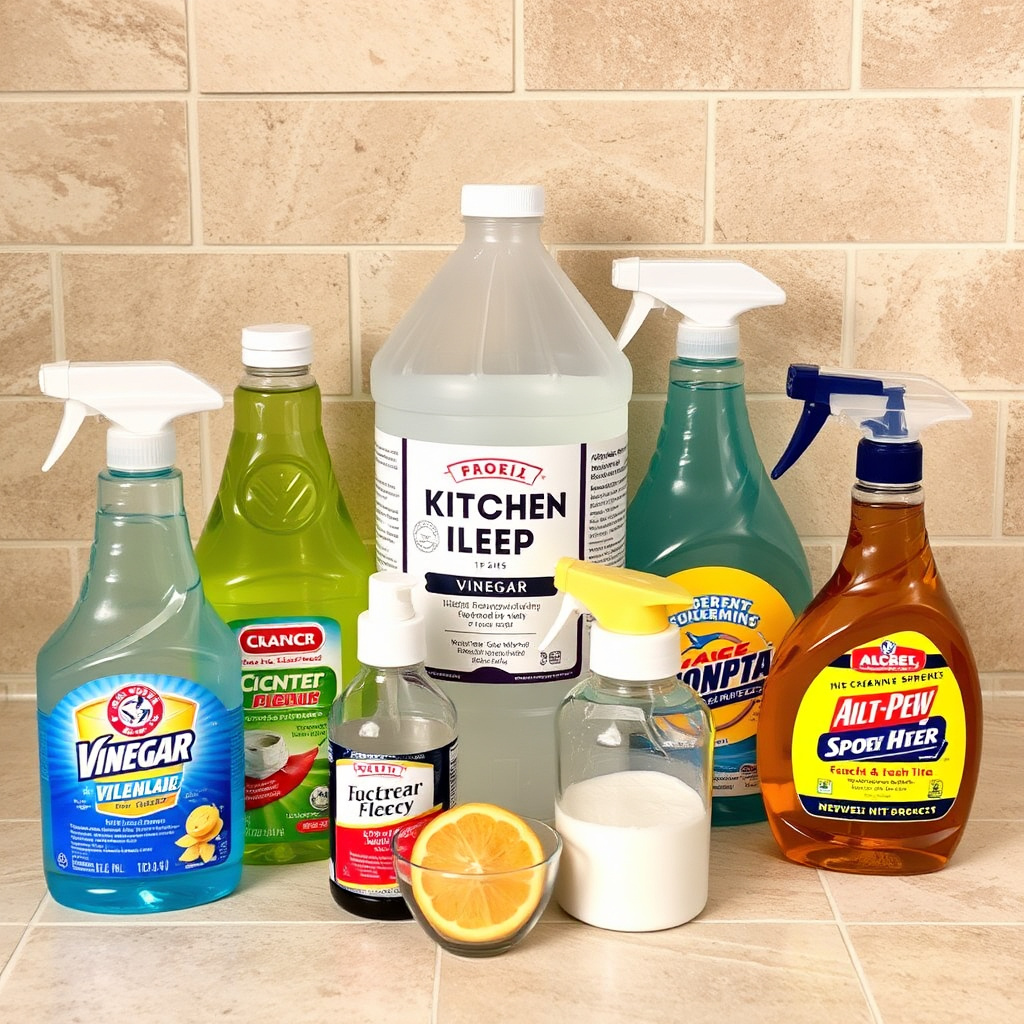
A popular homemade solution is a mix of equal parts white vinegar and warm water, which cuts through grease and grime on ceramic and porcelain tiles effectively. Baking soda paste is useful for scrubbing grout without harsh chemicals.
However, vinegar should be avoided on natural stone tiles due to its acidity. Always test in a small area first to ensure no damage occurs.
- White vinegar and water solution
- Baking soda paste for grout
- Dish soap diluted in water
Commercial Cleaning Products
Many commercial tile cleaners are formulated to dissolve tough grease and stains without damaging tile surfaces. Some contain bleach or oxygen-based agents, but their suitability depends on tile type—always check labels carefully.
There are also specialized grout cleaners designed to brighten and whiten grout, often containing enzymes or gentle acids.
- pH-neutral tile cleaners
- Grout whitening gels
- Degreasing sprays
Step-by-Step Guide to Cleaning Kitchen Tiles
Routine Cleaning for Tile Surfaces
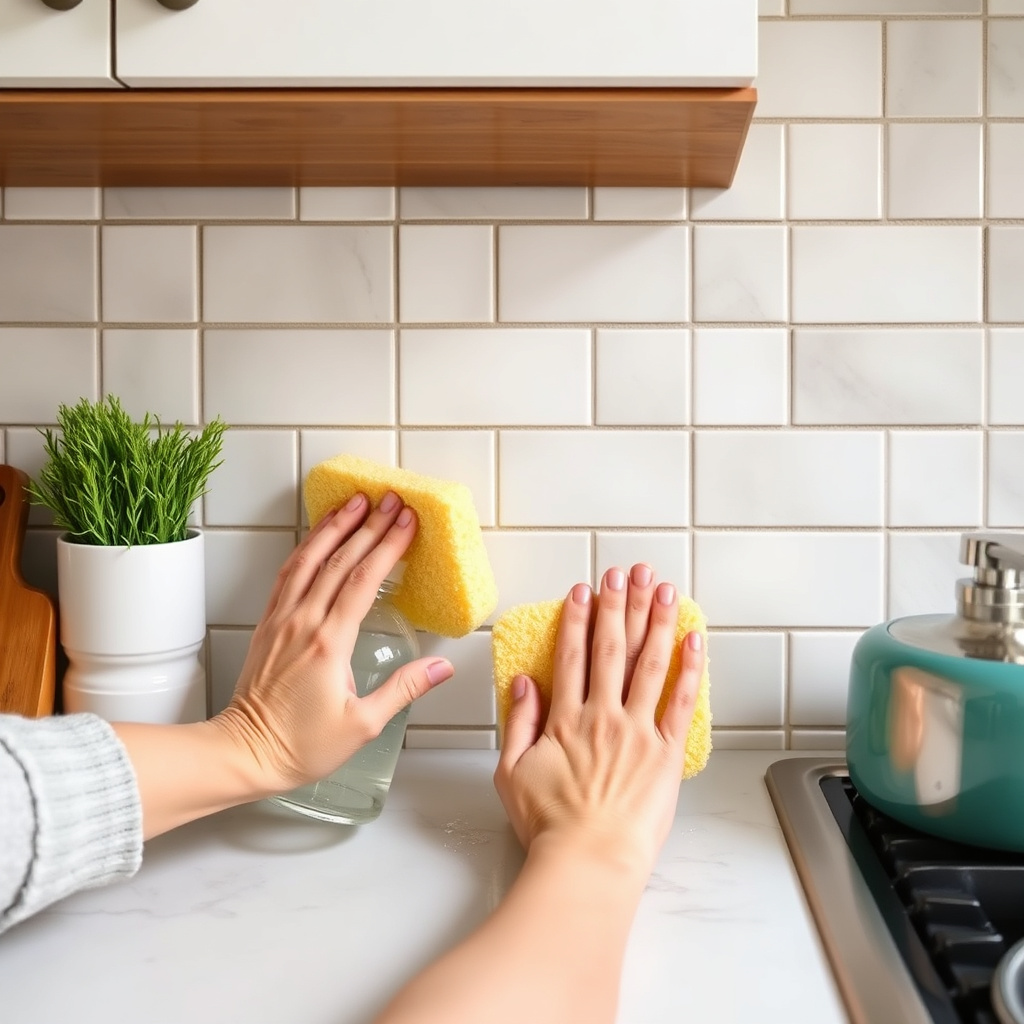
Sweep or vacuum to clear dust and crumbs first. Spray your chosen cleaner onto the tiles and allow it to sit for a few minutes to dissolve dirt. Next, scrub gently with a sponge or soft brush before rinsing the area thoroughly with clean water to avoid residue.
Dry the tiles with a lint-free cloth or mop to prevent water spots and streaks, keeping your tiles shiny and clean.
- Sweep or vacuum
- Apply cleaner and wait
- Scrub gently
- Rinse and dry
Deep Cleaning and Grout Care
For grout lines, apply baking soda paste or a grout cleaner directly, scrubbing with a grout brush to remove embedded dirt. Reapply and rinse as necessary until grout looks refreshed.
Sealing grout after a thorough cleaning helps reduce staining in the future, extending the intervals between deep cleans.
- Apply grout cleaner or paste
- Scrub grout lines
- Rinse thoroughly
- Apply grout sealer (optional)
Maintaining Kitchen Tiles for Longevity

Daily and Weekly Maintenance Tips
Wipe spills immediately to prevent staining, especially on grout and natural stone. Weekly mopping with mild detergent keeps tiles free from buildup, while regular sweeping prevents grit that can scratch surfaces.
Avoid harsh chemicals that might damage tile finish or dry out grout, and keep vents and windows open during cleaning for proper drying.
- Wipe spills quickly
- Sweep daily
- Mop weekly with mild cleaner
When to Call Professionals
If grout is severely stained or damaged, or if tiles become cracked or loose, professional restoration may be necessary. Experts can re-grout or polish natural stone tiles to restore their appearance.
Professional cleaning services use specialized equipment to deep clean and reseal tile surfaces, prolonging their lifespan beyond what DIY methods can achieve.
Tackling Tough Stains and Mold on Kitchen Tiles

Removing Tough Grease and Food Stains
Grease stains require degreasers or solutions like baking soda and water paste applied and left to sit before scrubbing. For stubborn spots, a commercial tile cleaner designed for grease can be very effective.
Avoid using harsh abrasive pads that can scratch tile; soft brushes or sponges are preferable for breaking down grime gently but thoroughly.
- Use degreaser or baking soda paste
- Let solution sit briefly
- Scrub gently with soft brush
For additional details on kitchen surfaces and cleaning considerations, see this overview on cleaning kitchen tiles. Cleaning kitchen tiles.
Mold and Mildew Removal from Tiles and Grout
Mold thrives in damp kitchen areas, especially in grout lines. A mixture of hydrogen peroxide or diluted bleach with water can help remove mold safely when applied carefully and rinsed well afterward.
Regular ventilation and drying can prevent mold buildup, reducing the need for harsh chemicals over time.
- Apply hydrogen peroxide or diluted bleach solution
- Scrub affected areas
- Rinse and dry
- Ventilate kitchen
Comparison of Kitchen Tile Cleaning Methods
Here’s a breakdown of popular cleaning methods for kitchen tiles, highlighting their pros, cons, and ideal tile types.
| Cleaning Method | Best For | Advantages | Disadvantages |
|---|---|---|---|
| Vinegar and Water Solution | Ceramic, Porcelain Tiles | Natural, inexpensive, effective on grease | Not safe for natural stone; strong smell |
| Commercial Tile Cleaners | All tile types excluding some natural stone | Powerful, convenient, specialized formulas | May contain harsh chemicals; costlier |
| Baking Soda Paste | Grout lines and stubborn stains | Gentle abrasion, non-toxic | Requires scrubbing effort; limited on heavy grease |
| Steam Cleaning | Grout and sealed tiles | Chemical-free, penetrates grout | Not suitable for unsealed natural stone; equipment cost |
| Hydrogen Peroxide or Bleach Solutions | Mold and mildew removal | Effective disinfectant and mold killer | Can discolor grout; requires careful handling |
Frequently Asked Questions
Can I use vinegar to clean all types of kitchen tiles?
Vinegar is excellent for ceramic and porcelain tiles but shouldn’t be used on natural stone like marble or granite because its acidity can etch and damage these surfaces.
How often should kitchen tiles be cleaned?
Daily sweeping and wiping spills help maintain cleanliness, with a thorough cleaning recommended at least once a week to remove grease and dirt buildup.
What is the best way to keep grout looking fresh?
Regular cleaning with baking soda paste or grout cleaner, followed by occasional sealing, protects grout from stains and keeps it looking clean longer.
Is steam cleaning safe for kitchen tiles?
Steam cleaning works well on sealed tiles and grout but should be avoided on unsealed natural stone as high heat and moisture can cause damage.
How do I remove mold from kitchen tile grout?
Apply a diluted bleach or hydrogen peroxide solution, scrub the affected grout lines gently, rinse thoroughly, and ensure the area dries completely to prevent mold return.
Key Takeaways
- Clean kitchen tiles regularly with appropriate tools and cleaners based on tile type.
- Avoid acidic cleaners on natural stone tiles to prevent damage.
- Grout requires special attention using baking soda paste and sealing for protection.
- Tough stains and mold can be removed with targeted solutions and proper ventilation.
Conclusion
Choosing the right method to clean kitchen tiles hinges on their material—ceramic and porcelain are resilient and tolerate a wider range of cleaning products, whereas natural stone demands gentler, pH-neutral solutions to avoid surface damage. Routine maintenance through sweeping and mild washers helps keep tiles functional and attractive, while attention to grout care prevents the buildup of dirt and mold that often detracts from a tiled kitchen’s appeal. By understanding your tile’s specific needs, you ensure long-lasting cleanliness and durability.
For those with ceramic or porcelain tiles aiming for a straightforward regimen, a vinegar and water mix combined with weekly mopping and grout scrubbing works effectively at removing everyday grime and stains. Owners of natural stone tiles should prioritize specialized stone cleaners and sealing procedures to protect their investment. When stains persist or mold develops, applying baking soda pastes for grout or using bleach-based cleaning for mold removal provides targeted solutions, but always test in less visible areas first. Deep steam cleaning or professional services may be worthwhile for thorough restorations or sealed tiles needing extra care.
If you want to keep your kitchen tiles bright and spotless, start by identifying your tile type and selecting appropriate cleaning agents and tools. Regular cleaning paired with grout protection extends the life and look of your tiles. For stubborn dirt or mold, use precise methods to avoid damaging your surfaces. Taking these steps will help maintain a hygienic, appealing kitchen environment easily over time.