How to Remove Grease from Kitchen Cabinets Efficiently
To remove grease from kitchen cabinets, start by using a solution of warm water mixed with a small amount of dish soap or vinegar. Apply this mixture with a sponge or soft cloth, gently scrubbing the surfaces to break down the oily residue without damaging the finish.
Kitchen cabinets often accumulate grease due to cooking oils and steam, making them sticky and dull over time. Cleaning them not only improves appearance but also prevents grime buildup that can degrade the cabinet material or encourage bacteria growth.
This article will cover various methods for safely cleaning grease from different cabinet finishes, including homemade solutions and commercial products. It will also discuss tools, preventive tips, and how to handle stubborn stains effectively.
Understanding Kitchen Cabinet Grease and Its Challenges
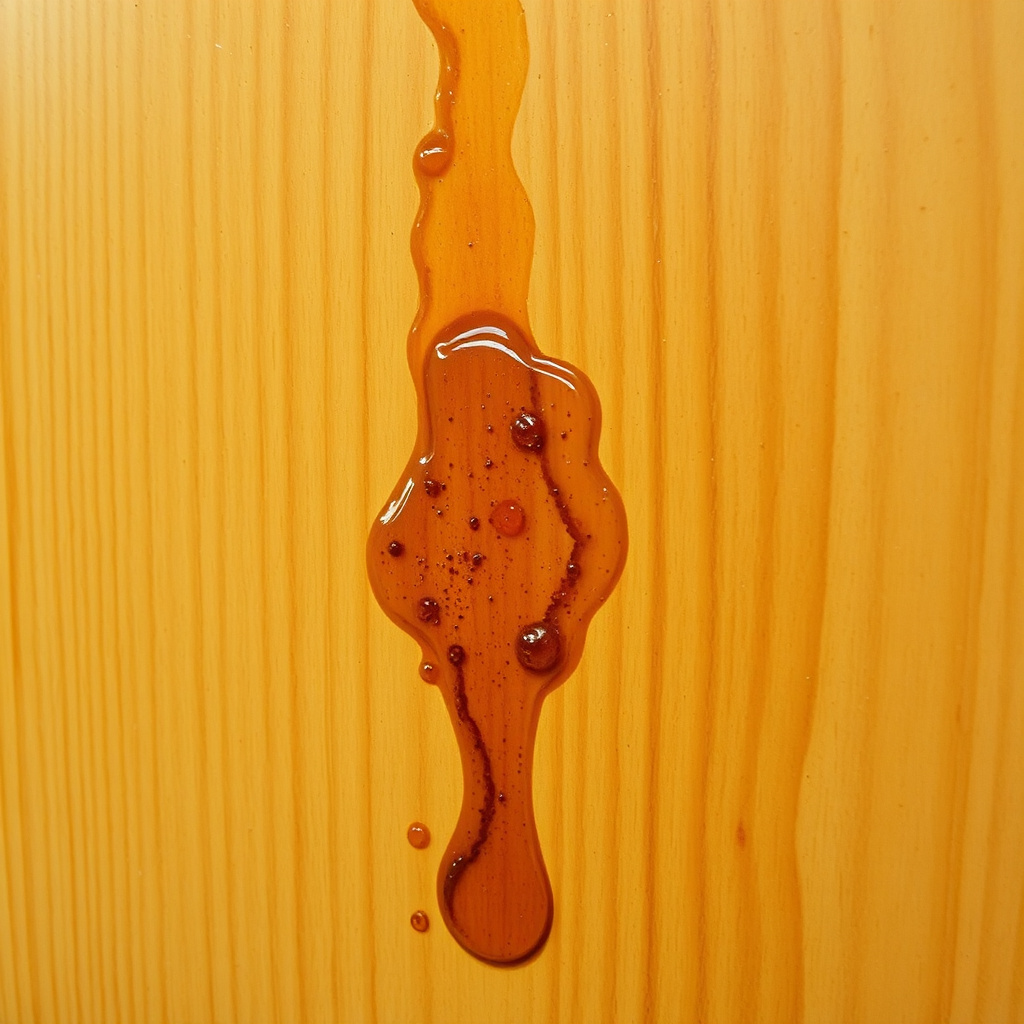
What Causes Grease on Cabinets
Grease accumulates on kitchen cabinets mainly from cooking oils, steam, and airborne food particles. When these particles settle on cabinet surfaces, they can mix with dust and form a sticky, hard-to-clean layer.
Cabinets near stovetops and ovens are particularly prone to grease buildup because of the direct exposure to cooking splatters and airborne oils. This can cause discoloration and residues that attract more dirt.
Why Removing Grease Matters
Leaving grease on cabinet surfaces can cause long-term damage such as staining, warping, or peeling of finishes. Moreover, grease can trap bacteria, creating an unhygienic kitchen environment.
Regularly removing grease helps maintain the cabinet’s aesthetic appeal and prolongs their lifespan, making your kitchen safer and more pleasant to use.
How to Remove Grease from Kitchen Cabinets with Homemade Solutions
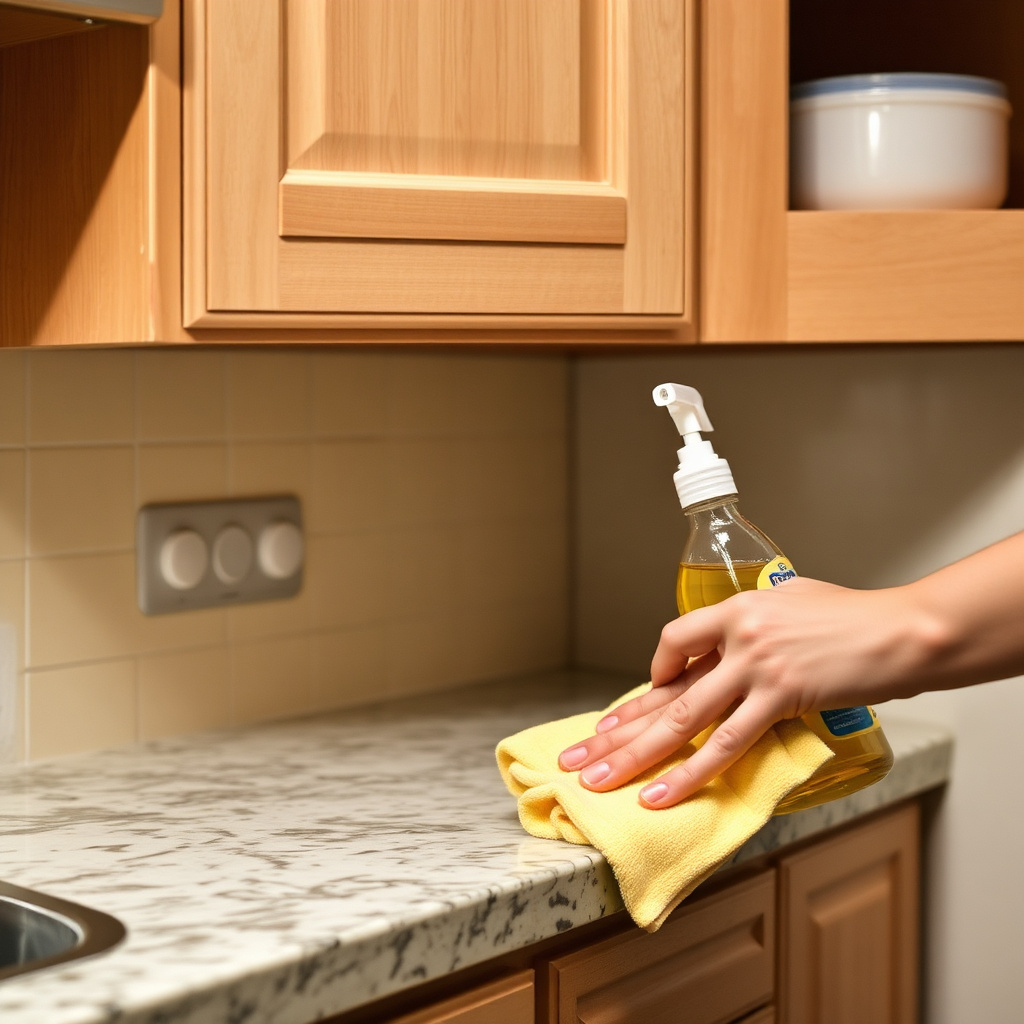
Soap and Warm Water Method
Mix a mild dish soap with warm water and dampen a soft cloth or sponge. Wipe down the cabinet surfaces to dissolve and lift away grease. Rinse with a clean damp cloth to remove soap residue and dry thoroughly with a microfiber towel.
This method is gentle on most cabinet finishes and effective for light to moderate grease stains without using harsh chemicals.
- Use gentle circular motions when scrubbing
- Avoid soaking wood cabinets with excessive water
Vinegar-Based Cleaning Solution
Combine equal parts white vinegar and water in a spray bottle to create a natural degreaser. Spray the solution onto greasy areas and let it sit for a few minutes before wiping with a soft cloth.
Vinegar cuts through grease effectively while deodorizing the cabinets. However, avoid using vinegar on unsealed wood or delicate finishes since acidity can damage these surfaces.
- Test on a small area first
- Do not apply vinegar solutions frequently on wood
Commercial Products and Tools for Kitchen Cabinet Grease Removal

Best Kitchen Cabinet Cleaner Options
There are specialized kitchen cabinet cleaners formulated to dissolve heavy grease while protecting surface finishes. Look for non-abrasive sprays or wipes compatible with your cabinet material for best results.
Some multipurpose degreasers and all-purpose cleaners also work well but always check product labels to avoid harsh ingredients like ammonia on sensitive finishes.
- Non-toxic, biodegradable cleaners are safer choices
- Avoid abrasive powders and harsh solvents
Cleaning Tools That Make a Difference
Using soft microfiber cloths, gentle sponges, or soft-bristle brushes can enhance your grease removal efforts without scratching cabinet surfaces.
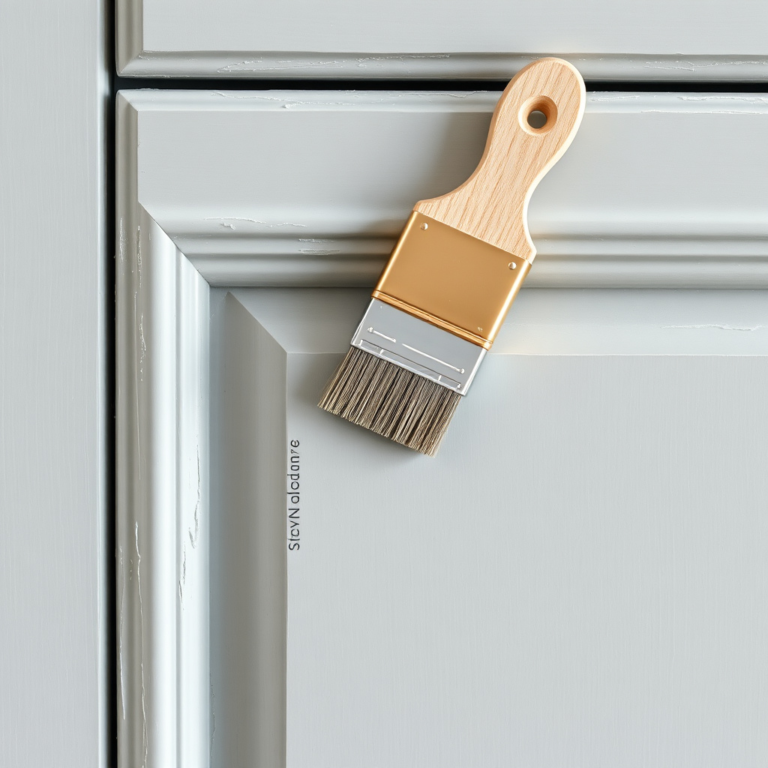
Avoid steel wool or rough scrubbers that can damage finishes. For tight corners or intricate woodwork, small detailing brushes can help remove grease buildup effectively.
- Microfiber cloths for streak-free wiping
- Soft sponges for flexible cleaning
Handling Stubborn Grease and Persistent Stains

Using Baking Soda Paste for Tough Grease
Create a baking soda paste by mixing baking soda with a little water. Apply this to stubborn grease stains and let it sit for about 15 minutes to break down grease bonds.
Gently scrub with a soft sponge and wipe with a damp cloth. Baking soda acts as a mild abrasive that’s safe for most finishes but always test first on an inconspicuous spot.
- Avoid applying on unsealed wood
- Do not scratch excessively during scrubbing
Using Commercial Degreasers Safely
For heavy grease, apply commercial degreasing sprays per product instructions. Ventilate the area well and wear gloves to protect skin during use.
After the product breaks down the grease, wipe thoroughly and wash the surface with mild soap and water to remove chemical residues.
- Follow manufacturer safety guidelines
- Test cleaner on small spot before full use
Preventive Measures to Keep Kitchen Cabinets Grease-Free
Regular Cleaning Schedule
Wipe down cabinets weekly with mild soap and water to keep grease from building up. Quick cleanings prevent tough residues that become harder to remove over time.
Setting a consistent cleaning routine reduces manual effort and preserves cabinet finishes longer.
- Use soft cloth for wiping
- Dry cabinets after cleaning
Improve Kitchen Ventilation
Installing a quality range hood or exhaust fan helps reduce airborne grease particles settling onto cabinets. Better ventilation also lowers kitchen humidity which exacerbates grease buildup.
Running fans during and after cooking keeps your cabinets and kitchen environment cleaner and fresher.
- Select range hood with sufficient CFM for your stove size
- Clean filters regularly to maintain airflow
Special Considerations for Different Cabinet Materials
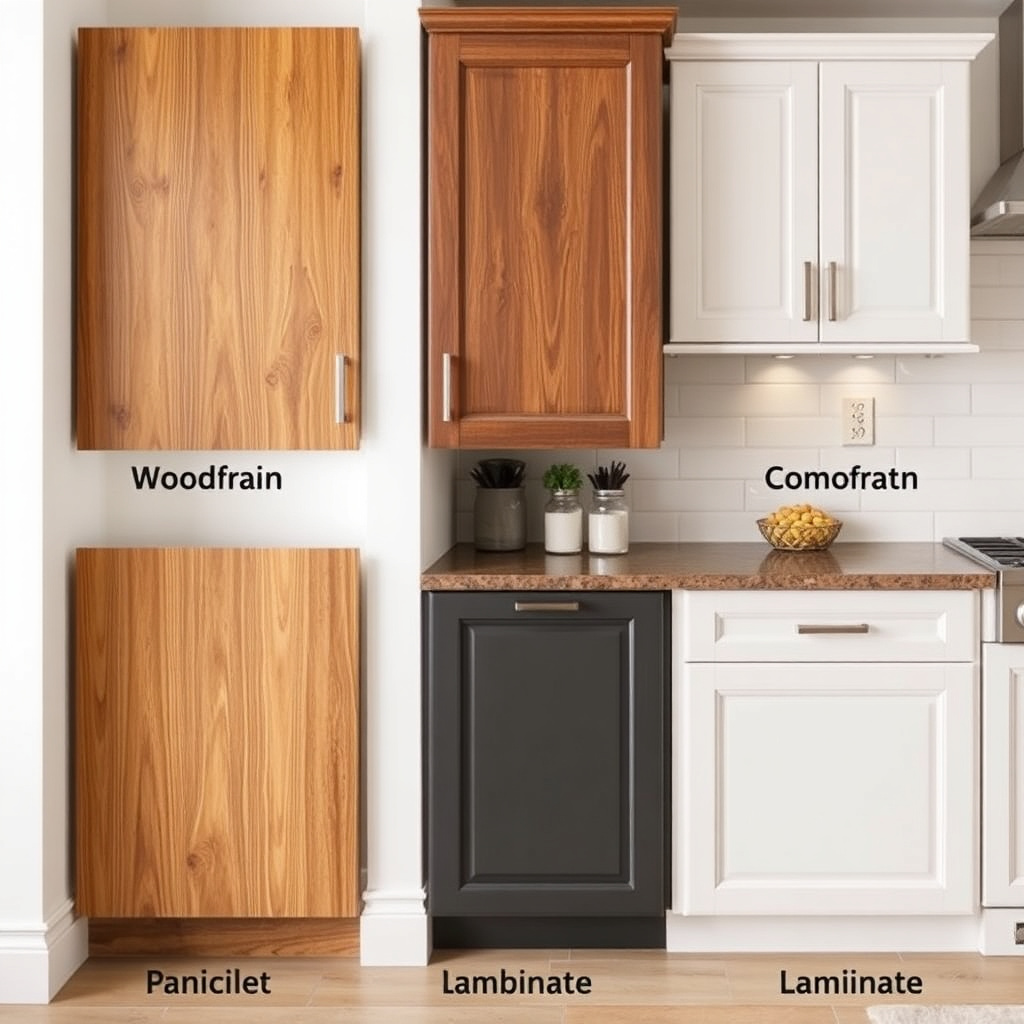
Cleaning Wood Cabinets Safely
Wood cabinets require gentle cleaning to protect their finish and prevent warping. Use mild soapy water or wood-specific cleaners avoiding excessive moisture.
Avoid acidic cleaners like vinegar or abrasive scrubs which can dull or damage wood finishes over time.
- Dry wood cabinets promptly after cleaning
- Use furniture polish periodically for shine
For additional information on kitchen cabinet maintenance, see this detailed guide on kitchen cabinet cleaning. Kitchen Cabinet Cleaning.
Maintaining Laminate and Painted Cabinets
Laminate and painted cabinets tolerate a wider variety of cleaning solutions but be careful not to use harsh solvents that can cause discoloration or peeling.
For painted cabinets, avoid aggressive scrubbing as this can chip the paint. Test new cleaners on small areas first.
- Use non-abrasive cleaners
- Avoid bleach on painted surfaces
Kitchen Cabinet Grease Removal Methods Comparison
This table compares popular grease removal methods by effectiveness, safety, and suitability for cabinet types.
| Method | Effectiveness on Grease | Surface Safety | Ease of Use | Cost |
|---|---|---|---|---|
| Soap and Warm Water | Moderate | High | Easy | Low |
| Vinegar Solution | Good | Moderate | Easy | Very Low |
| Baking Soda Paste | High on Stubborn Stains | Moderate to High | Moderate | Low |
| Commercial Degreasers | Very High | Varies by Product | Easy | Medium |
| Laminate-Safe Cleaners | Good | High | Easy | Medium |
Frequently Asked Questions
Can I use vinegar to clean all types of kitchen cabinets?
No, vinegar is acidic and can damage unsealed wood or delicate finishes. Always test on a hidden area and avoid frequent use on wood cabinets.
What’s the safest way to remove grease from wooden kitchen cabinets?
Using mild dish soap mixed with warm water and wiping with a soft cloth is the safest method. Avoid soaking and dry immediately afterward.
Are commercial grease removers safe for painted cabinets?
Many are safe, but some harsh solvents can damage paint. Always check labels and test on a small hidden spot first.
How often should kitchen cabinets be cleaned to prevent grease buildup?
Wiping cabinets weekly with a mild cleaner helps prevent grease accumulation and keeps surfaces looking fresh.
Can baking soda scratch my kitchen cabinets?
Baking soda is a mild abrasive and safe if used gently. Avoid harsh scrubbing and test on a small area first, especially on delicate finishes.
Key Takeaways
- Use mild soap and warm water for regular grease cleaning.
- Vinegar solutions work well but avoid on unsealed wood.
- Specialized cleaners and tools improve tough grease removal.
- Frequent cleaning and good ventilation reduce grease buildup.
Conclusion
Removing grease from kitchen cabinets requires a balanced approach tailored to the cabinet material and grease severity. Starting with gentle methods like soap and water can handle light buildup while preserving finishes. For more stubborn grease, baking soda pastes or targeted commercial degreasers offer powerful solutions but must be applied carefully to avoid damage. Establishing regular cleaning habits and addressing kitchen ventilation can drastically reduce grease accumulation, extending your cabinets’ appearance and functionality.
Choosing the best method depends on your cabinet type. Wood cabinets benefit most from mild soap and water or wood-specific cleaners, avoiding acidic or abrasive products that can harm finishes. For laminate or painted cabinets, vinegar-based solutions and some commercial cleaners are safe and efficient. When facing persistent grease stains, baking soda paste applied gently or a commercial degreaser designed for kitchen use can help restore cabinet surfaces without overexposure to harsh chemicals.
To keep your kitchen cabinets grease-free over time, set a weekly cleaning routine using a simple dish soap solution, and consider upgrading your kitchen’s ventilation system to reduce airborne grease. Start testing small homemade or store-bought cleaners on hidden spots before widespread use. Maintaining your cabinets this way preserves their looks and hygiene for years, making your kitchen a cleaner and more pleasant place to prepare meals.