How to Get Rid of Kitchen Ants Quickly and Effectively
Getting rid of kitchen ants requires identifying their entry points, eliminating food sources, and using targeted treatments like ant baits or natural repellents. Immediate action is essential to prevent a growing infestation.
Ants are attracted to kitchens because of available food and water, making your pantry or countertops their playground. Simply cleaning the visible ants won’t remove the colony’s root cause, so understanding their behavior helps achieve lasting control.
This article will cover how to identify ant species, methods to block their access, effective homemade and store-bought solutions, and ongoing prevention to keep your kitchen ant-free.
Understanding Kitchen Ant Behavior for Effective Control

Identifying the Types of Ants Commonly Found in Kitchens
Different ant species, such as odorous house ants and carpenter ants, have unique behaviors and preferences. Identifying the species helps to choose the best treatment method since some baits or repellents work better on specific ants.
Odorous house ants, for example, often invade kitchens seeking sugary foods, while carpenter ants prefer moist wood but can venture indoors for food. Inspecting ant trails and nests can guide your control efforts.
How Ants Find and Enter Your Kitchen
Ants follow scent trails left by scouts to locate food sources. Common entry points include door cracks, window gaps, and utility lines. Noticing their trails can help you determine where they enter and nest.
Ants can enter through very small openings, so sealing cracks around windows, doors, and walls is a key step. Additionally, maintaining a dry environment discourages moisture-attracted species.
- Door and window frames
- Pipe and cable openings
- Wall crevices and baseboards
Immediate Cleaning and Food Management to Reduce Attraction
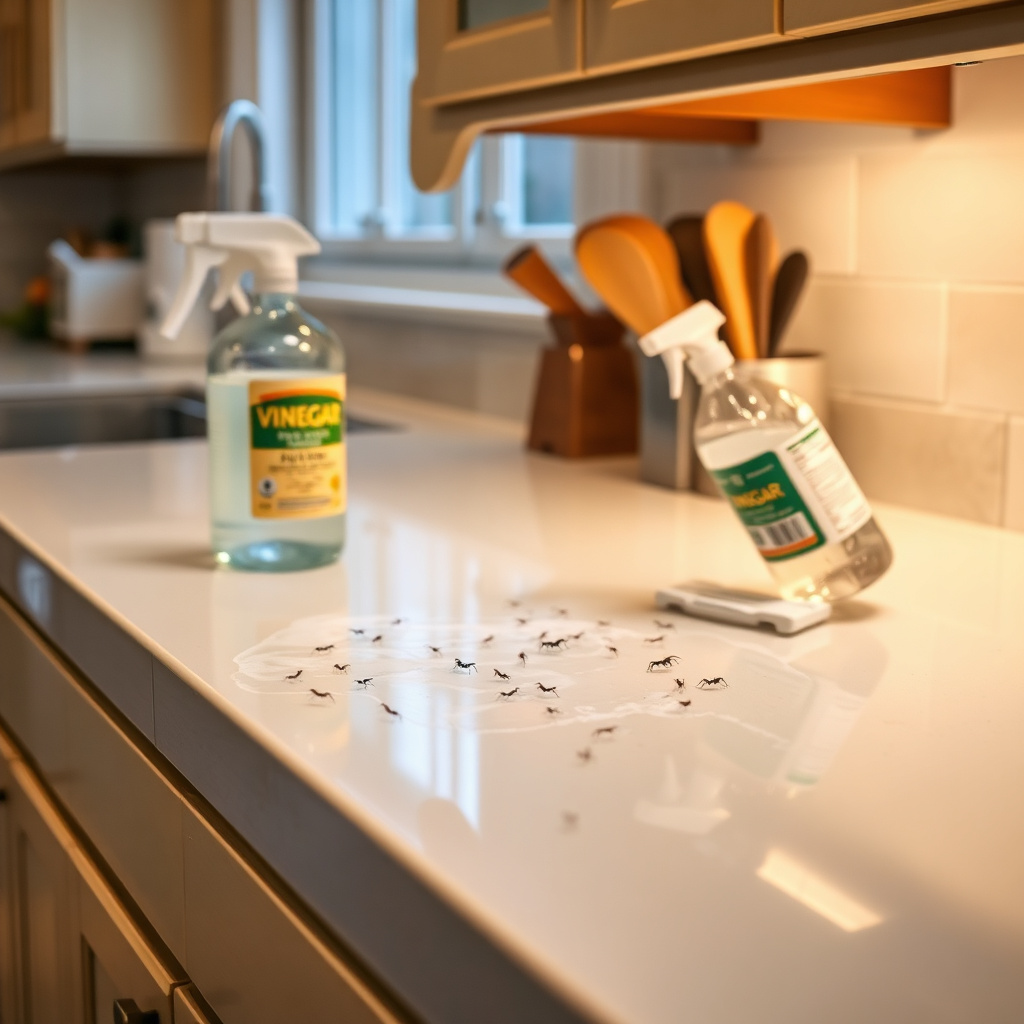
Removing Food Sources That Attract Ants
Ants are drawn to any accessible food, especially sugary residues and crumbs. Regularly clean countertops, sweep floors, and store food in sealed containers to deny them sustenance.
Avoid leaving pet food out for extended periods, and empty garbage bins frequently. Even small spills of cooking oil or juice can attract ants, so thorough cleanup prevents repeat invasions.
- Store dry goods in airtight containers
- Clean food spills immediately
- Take out trash regularly
Cleaning to Erase Scent Trails and Discourage Return Visits
Ants mark paths with pheromones to lead others to food. Wiping these trails with solutions like vinegar or soapy water interrupts their communication.
Focus on areas where ants have been seen, including along baseboards and behind appliances. Regular cleaning keeps scent trails from guiding new ants inside.
- Use vinegar and water mix for wiping surfaces
- Avoid using strong-scented cleaners that ants ignore
- Clean under appliances and sink areas
Using Ant Baits and Natural Repellents to Eliminate Colonies

How Ant Baits Work and Choosing the Best Option
Ant baits attract foraging ants with a food lure combined with slow-acting poison. The ants carry the bait back to the nest, eventually killing the colony.
Selecting the best ant bait for kitchen use depends on the ant species and bait formulation. Gel baits work well indoors for targeting specific trails, while granular baits may suit outdoor perimeters.
- Place baits near ant trails and entry points
- Keep baits away from pets and children
- Replace baits regularly for continued effectiveness
Natural Repellents and Homemade Remedies
Certain natural substances like peppermint oil, cinnamon, and diatomaceous earth can repel ants or disrupt their trails. These are safe for kitchens but usually work best as preventive measures.
Mixing equal parts vinegar and water is a simple spray to deter ants in entry areas. Baking soda combined with powdered sugar can act as a mild bait alternative, though effectiveness varies.
- Peppermint essential oil spray near entry points
- Sprinkle diatomaceous earth along baseboards
- Use cinnamon powder to block ant trails
Sealing Entry Points and Repairing Moisture Issues
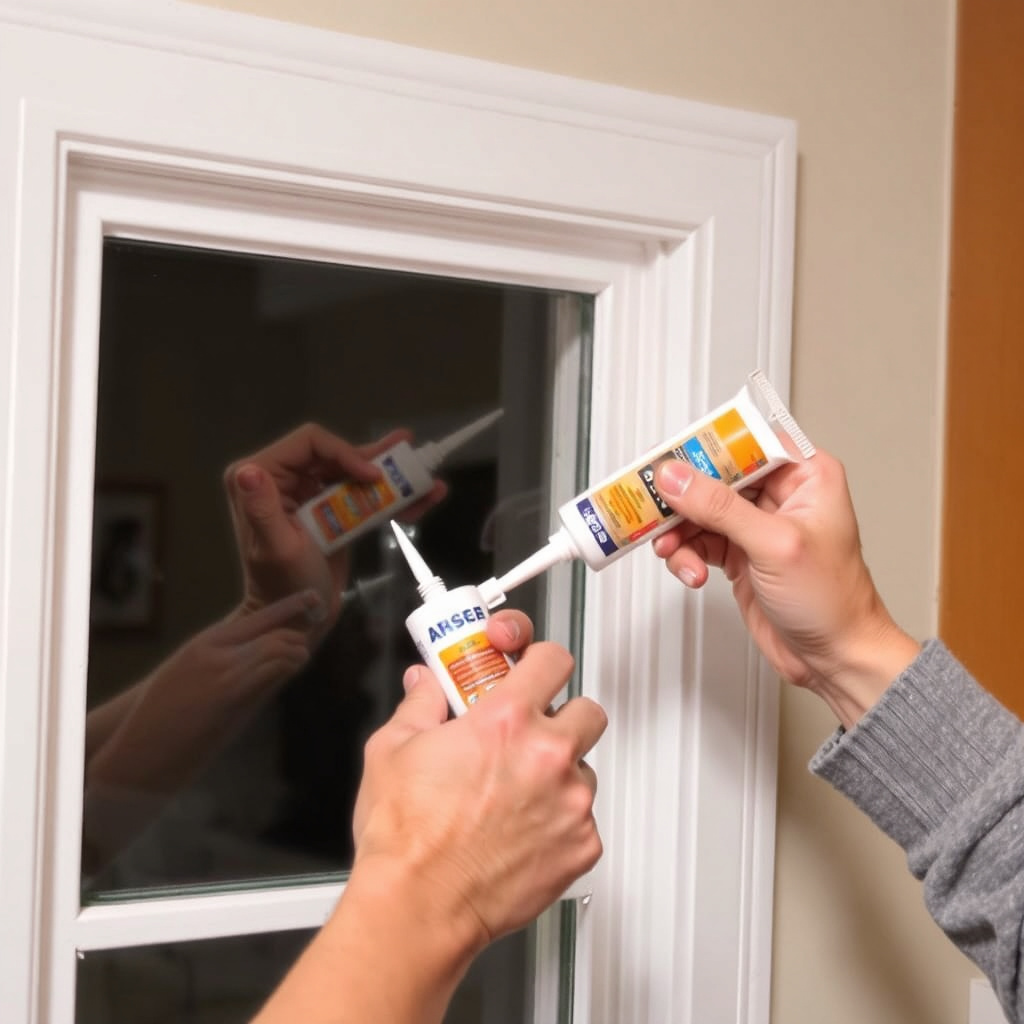
How to Locate and Seal Ant Entry Points
Inspect your kitchen thoroughly for gaps, cracks, and holes around windows, doors, plumbing, and cabinetry to prevent ants from entering.
Use caulk, weatherstripping, or expanding foam to seal openings. Pay close attention to spaces behind appliances where ants often gain access.
- Inspect with flashlight and magnifying glass
- Seal with appropriate materials like silicone caulk
- Replace damaged door sweeps and window seals
Controlling Moisture That Attracts Ants
Leaks under sinks and high humidity encourage ants such as carpenter ants. Fix plumbing problems promptly and use dehumidifiers if needed.
Regularly dry sink areas, and avoid leaving standing water. Moisture control reduces nesting habitat and discourages repeat infestations.
- Fix leaky faucets and pipes
- Ventilate kitchen to reduce humidity
- Use moisture absorbent products in cabinets
Long-Term Prevention and Monitoring to Keep Kitchens Ant-Free
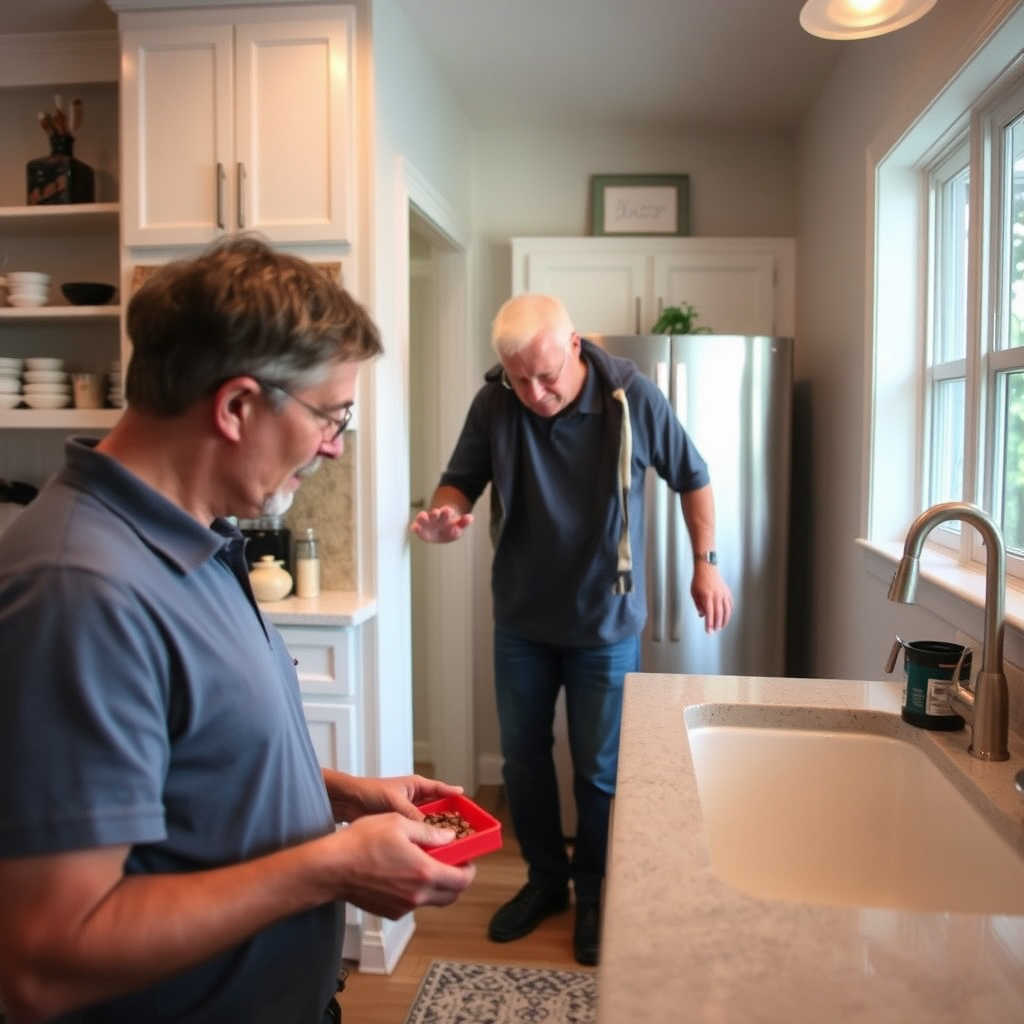
Routine Cleaning and Maintenance Practices
Maintaining cleanliness is the best defense against returning ants. Regular sweeping, mopping, and wiping down food areas discourage ants from establishing trails.
Store all food in sealed containers, and keep counters and floors free of debris. Routine checks for new entry points help catch infestations early.
For more detailed information about different ant species and control techniques, you can visit the Wikipedia article on Ant Control. Wikipedia article on Ant Control.
Using Ant Baits and Traps as a Continuous Strategy
Placing ant baits in low-traffic areas on a schedule can eliminate small outbreaks before they grow. Monitoring bait stations lets you adjust placement for maximum effect.
While natural repellents help, periodically using baits targeting the colony provides the most reliable long-term solution for kitchens with recurring ants.
Comparison of Common Kitchen Ant Control Methods
Here’s a comparison of popular kitchen ant control methods, highlighting their effectiveness, safety, and ease of use.
| Method | Effectiveness | Safety for Kitchen Use | Ease of Application |
|---|---|---|---|
| Ant Baits | High – targets colony | Moderate – keep away from pets | Easy – place near trails |
| Vinegar Spray | Moderate – disrupts trails | High – kitchen-safe | Very Easy – DIY spray |
| Diatomaceous Earth | Moderate – physical barrier | High – non-toxic | Moderate – dust application |
| Seal Entry Points | High – prevents entry | High – no chemicals | Moderate – effort required |
| Essential Oils | Low-Moderate – repellent only | High – natural | Easy – spray or place cotton balls |
Frequently Asked Questions
Can I use bleach to kill kitchen ants?
Bleach might kill ants on contact but does not eliminate the colony and can be harmful around food areas. It’s better to use baits and cleaning solutions designed for ant control.
How long does it take for ant baits to work?
Ant baits usually take several days to a couple of weeks to fully reduce an infestation as ants carry the poison back to the nest to kill the colony.
Are natural repellents as effective as chemical treatments?
Natural repellents can deter ants but often do not eliminate colonies. They work best alongside baits and sealing measures for a more complete approach.
Why do ants keep coming back even after cleaning?
Ants return if food and water sources remain accessible or if entry points are not sealed. Also, existing nests nearby can repeatedly send scouts inside.
Is it safe to place ant baits around pets?
Many commercial ant baits can be toxic to pets if ingested. Always place baits out of reach and choose pet-safe options when possible.
Key Takeaways
- Identify the ant species to select the best treatment.
- Maintain cleanliness to reduce food attraction.
- Use ant baits to target and eliminate colonies.
- Seal entry points and fix moisture issues to prevent reentry.
Conclusion
Effectively getting rid of kitchen ants involves a combination of removing their food sources, disrupting their trails, and eliminating the colony with appropriate baits. Cleaning alone addresses symptoms but not the root cause. By identifying ant behavior and preventing their access, homeowners can stop infestations before they worsen.
For kitchens with heavy or persistent ant problems, using commercially available ant baits is usually the most reliable method because it targets the colony rather than just visible ants. Natural repellents and homemade sprays can support prevention efforts but are rarely sufficient on their own. Seal cracks and repair leaks to make the kitchen less inviting. Regular monitoring helps catch new invasions early.
The practical next step is to start with thorough cleaning and sealing any visible entry points. Then place ant baits near active trails to reduce the population. Follow with consistent kitchen maintenance and periodic bait replacements. This layered approach offers a strong chance of keeping your kitchen ants away for good.