How Much to Install Kitchen Cabinets: A Cost Breakdown for Your Renovation
The cost to install kitchen cabinets typically ranges between $3,000 and $7,000, depending on factors like cabinet type, kitchen size, and labor rates. For a straightforward installation of stock cabinets in an average-sized kitchen, expect to pay around $4,500 on average. Custom or semi-custom cabinets increase overall installation expenses due to additional labor complexity and time.
Understanding how much to install kitchen cabinets matters because cabinet installation is a significant part of any kitchen remodel budget. Beyond the price of the cabinets themselves, professional installation includes measuring, leveling, anchoring, and sometimes modifying cabinetry to fit your space. Overlooking installation costs can lead to unexpected expenses and delays.
This article will explore the various elements influencing cabinet installation costs, examine types of cabinets and labor factors, compare professional versus DIY options, and provide actionable tips on budgeting. By the end, you will have a clear idea of what to expect and how to plan your kitchen cabinet installation budget.
Understanding Kitchen Cabinet Installation Costs
Components of Installation Costs
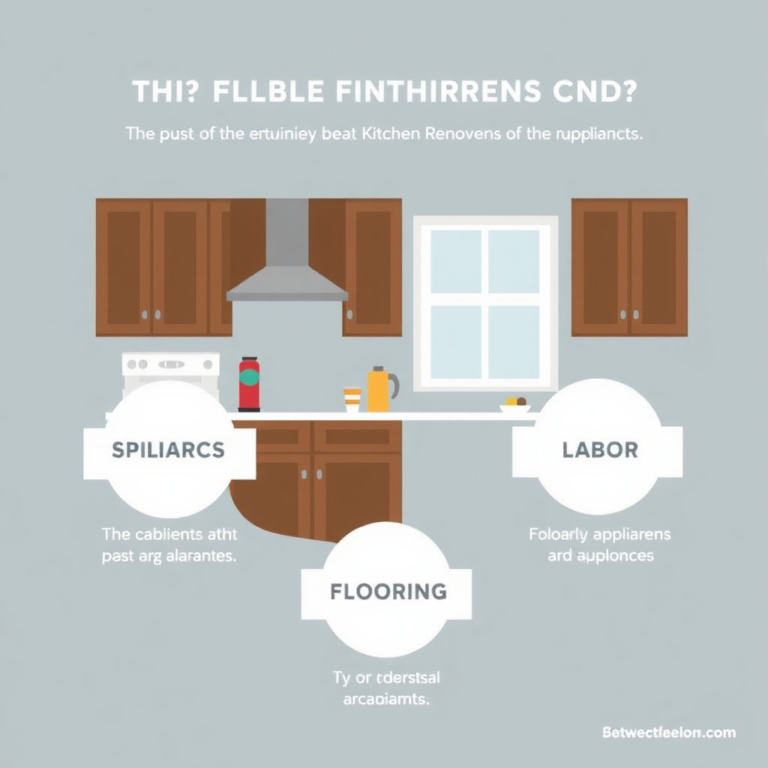
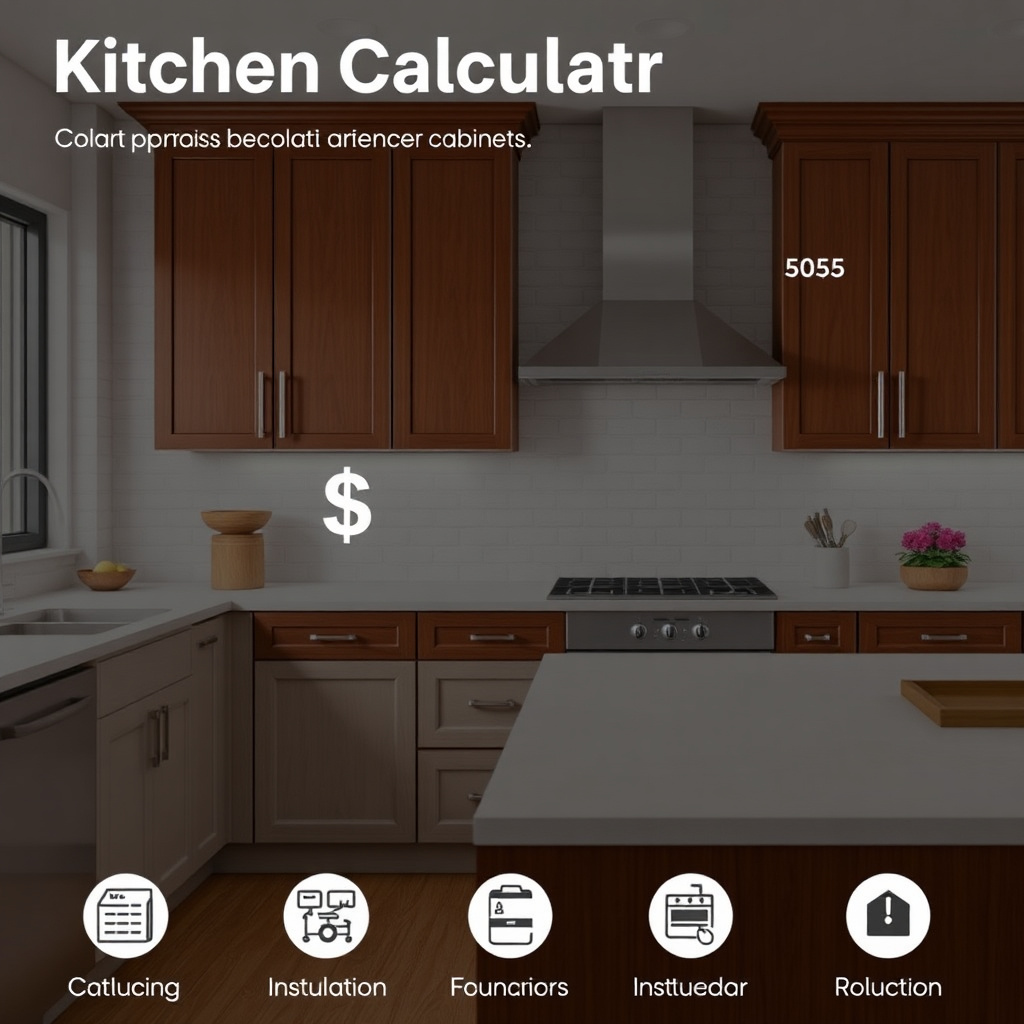
Installation costs for kitchen cabinets cover more than just labor. They often include measurements, countertop preparation, removal of old cabinets, wall modifications, plumbing or electrical adjustments, and cabinet assembly. Each task varies in time and complexity, impacting the final bill.
Accurate cost estimation requires knowing whether the cabinets are stock, semi-custom, or custom. Stock cabinets usually come pre-assembled and standardized, reducing installation time, while custom cabinets may need more precise fitting and adjustments.
Labor and Regional Price Variations
Labor charges fluctuate depending on geographic location. Urban areas or regions with high living costs typically have higher hourly rates for professional installers. Expect $50 to $100 or more per hour in such markets, while in smaller towns labor could be cheaper.
Installer expertise also affects pricing. Seasoned professionals might charge more but tend to work faster and reduce errors, potentially saving money overall. Some contractors offer flat rates per linear foot of cabinetry installed.
Types of Kitchen Cabinets and Their Installation Impact
Stock Cabinets Installation
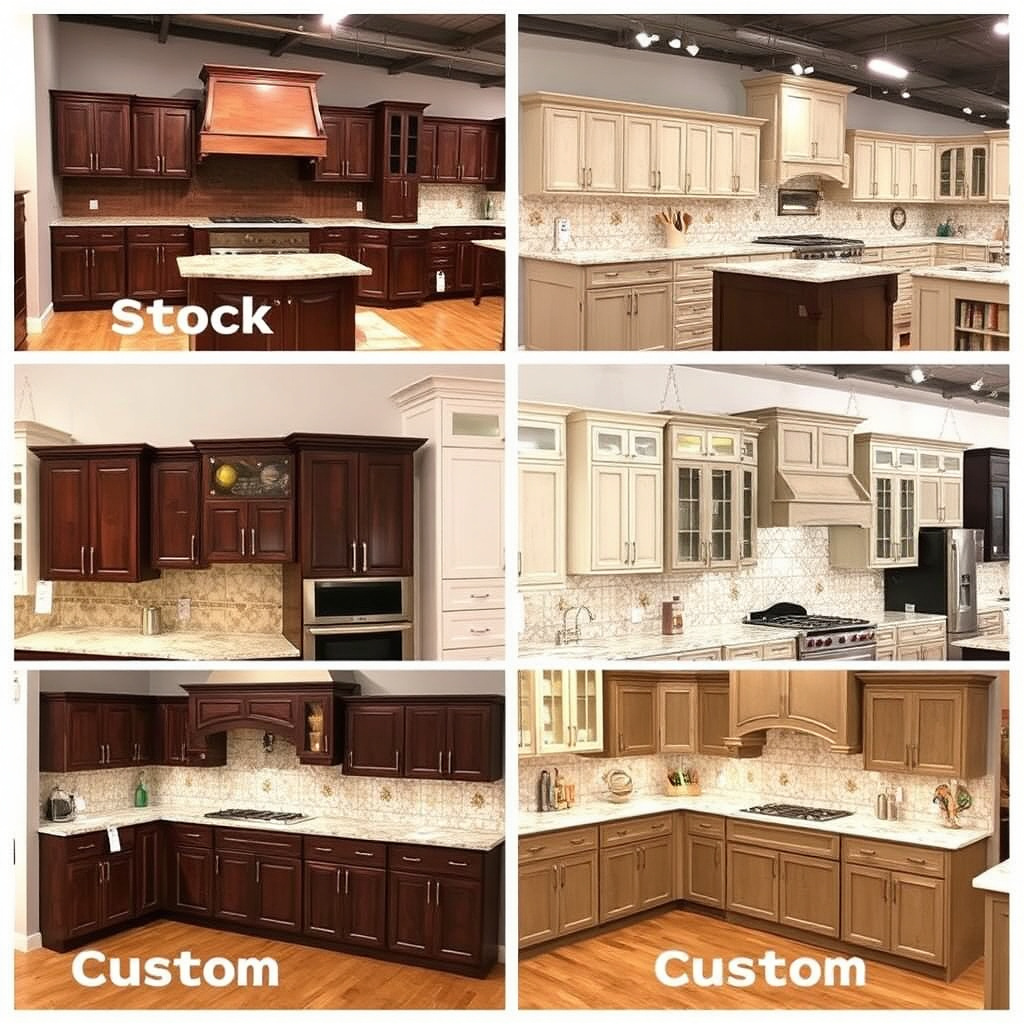
Stock cabinets, made in standard sizes and available immediately, are the simplest to install. They require minimal modification, allowing installation within a day or two for an average kitchen. This efficiency keeps installation costs on the lower end.
Because stock cabinets often come pre-assembled, the installer’s job mainly involves positioning and securing them. This straightforward process reduces labor hours and surprises during installation.
Semi-Custom and Custom Cabinets Installation
Semi-custom cabinets allow some design flexibility but typically require additional cutting and fitting, increasing installation time and cost. Installers may need to adjust dimensions or arrange specialized hardware.
Custom cabinets involve full design freedom and often unique shapes or built-ins. Installation is the most involved process here, potentially taking several days. Fit challenges and finishing details increase labor expenses.
- Semi-custom: moderate installation complexity
- Custom: highest installation complexity and cost
Labor Options: Professional Installation vs. DIY

Hiring Professionals for Kitchen Cabinet Installation
Choosing professional installers offers precision, ensures compliance with building codes, and minimizes potential mistakes. Hiring licensed contractors may increase upfront costs but reduce risks and guarantee quality.
Professional services typically include cabinet delivery, removal of old units, leveling, securing cabinets to walls, and sometimes installation of hardware or countertops.
- Guaranteed workmanship
- Potential warranty coverage
- Quicker completion
DIY Installation Considerations
For experienced DIYers, installing kitchen cabinets can save labor costs but requires accurate measuring and skillful use of tools. Mistakes can lead to wasted materials and eventual re-hiring of professionals.
DIY installation might suit budget-conscious homeowners with simpler cabinet styles, but complex layouts or custom cabinets generally demand professional expertise.
- Lower upfront cost
- Time-intensive
- Skill-dependent
Additional Factors Affecting How Much to Install Kitchen Cabinets
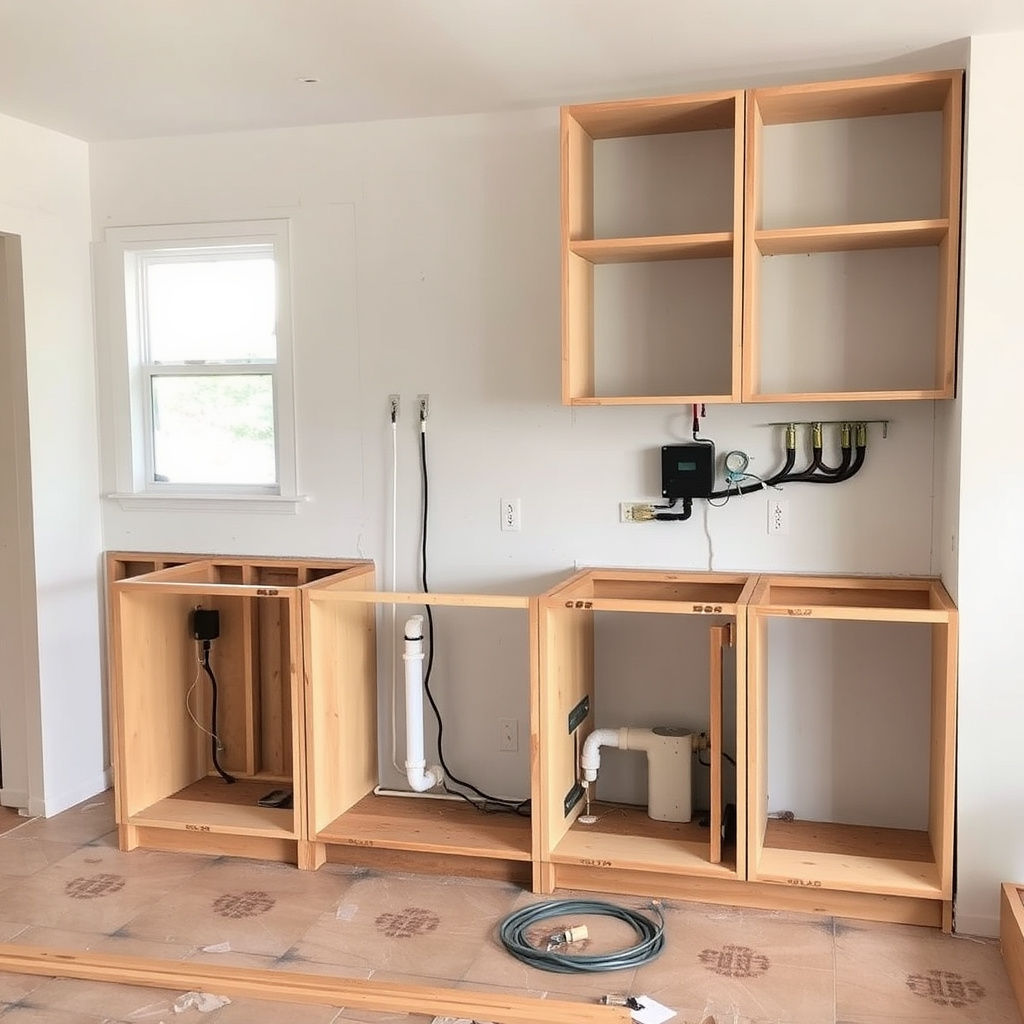
Kitchen Layout and Size
Bigger kitchens or layouts with many corners and angles require more planning and time to install cabinets properly, increasing labor costs. For example, L-shaped or U-shaped kitchens with island cabinets take longer than straightforward galley kitchens.
Additional cabinetry features like pantry units or built-in appliances also add complexity and cost.
- More cabinets = higher installation cost
- Non-standard layouts increase labor time
Prep Work and Removal Costs
Removing old cabinets or preparing walls often comes with extra fees. Tasks might include patching drywall, relocating plumbing, or upgrading electrical outlets to fit new cabinet designs.
If countertops or backsplashes are part of the remodel, coordinating cabinet installation with other trades affects the timeline and cost.
Budgeting Tips for Kitchen Cabinet Installation

Getting Detailed Quotes
Ask for itemized bids from several installers to compare labor charges and scope of work. Clarify if costs include demolition, disposal, and finishing touches to avoid surprises.
Detailed quotes help prioritize spending, letting you balance quality and price effectively.
- Include materials, labor, and incidental costs
- Confirm timelines and payment terms
For more in-depth details about kitchen cabinets and their history, see this comprehensive kitchen cabinet installation information. Kitchen cabinet installation information.
Avoiding Common Cost Overruns
Communicate clearly with contractors about expectations and plans to prevent change orders, which escalate costs. Stick to standard cabinet sizes when possible to reduce fitting complexity.
Plan for a contingency fund around 10-15% of installation costs to cover unforeseen issues.
Comparing Kitchen Cabinet Installation Cost Categories
Here’s a comparison of installation costs based on cabinet type and labor approach to give a clearer budgeting picture.
| Cabinet Type | Installation Cost Range | Typical Labor Time | Skill Level Required |
|---|---|---|---|
| Stock Cabinets | $3,000 – $5,000 | 1-2 days | Basic to moderate |
| Semi-Custom Cabinets | $4,500 – $6,500 | 2-3 days | Moderate to advanced |
| Custom Cabinets | $6,000 – $9,000 | 3-5 days | Advanced |
| Professional Installation | Included above | Varies | Expert |
| DIY Installation | Labor saved, material cost only | Varies greatly | Advanced DIY skills needed |
Frequently Asked Questions
How long does it usually take to install kitchen cabinets?
Installation typically takes 1 to 5 days depending on cabinet type and kitchen size. Stock cabinets are fastest, while custom installs require more time for precise fitting.
Are there extra costs beyond installation fees?
Yes, costs may include cabinet removal, wall prep, plumbing or electrical adjustments, and additional hardware or customization fees.
Can I install kitchen cabinets myself to save money?
DIY installation can reduce labor costs but requires skill and precision; mistakes can result in expensive fixes or rehire.
Do installation costs vary by location?
Installation labor rates differ significantly by region due to demand and cost of living, with urban areas generally charging more.
Is it cheaper to install semi-custom instead of custom cabinets?
Semi-custom cabinets cost less to install than fully custom ones due to simplified fitting and less labor intensity.
Key Takeaways
- Kitchen cabinet installation costs range widely based on cabinet type and labor complexity.
- Professional installation ensures quality but increases project budget compared to DIY.
- Additional remodeling tasks like plumbing or electrical work add to installation costs.
- Obtaining detailed quotes helps manage your kitchen cabinet installation budget effectively.
Conclusion
Figuring out how much to install kitchen cabinets involves understanding the types of cabinets you want, the complexity of your kitchen layout, and the labor rates in your area. Stock cabinets cost less and install faster, while custom cabinetry requires more time and expertise, driving up installation expenses. Decision-making here depends on matching your design goals with the available budget and professional skill levels, ensuring a smooth installation process without overspending.
For homeowners with a moderate budget aiming for a balance of style and cost, semi-custom cabinets installed by a qualified professional present an effective option. Larger kitchens with complex configurations or full remodels involving custom cabinetry call for detailed planning and possibly a larger financial commitment. On the other hand, skilled DIYers working with stock cabinets can save money but must be prepared for the challenges of proper cabinet measurement, leveling, and securing.
The next practical step is obtaining multiple comprehensive quotes from reputable installers who can assess your specific kitchen conditions and preferences. This will provide actual cost numbers tailored to your project. Once you have these, prioritize your wish list of features against the quotes and decide whether to hire professionals or consider partial DIY efforts. Thoughtful preparation ensures a kitchen cabinet installation that fits your vision and budget.