How to Hang Kitchen Cabinets: A Step-by-Step Installation Guide
Hanging kitchen cabinets requires careful preparation, precise measurement, and proper tools to guarantee they are leveled and securely mounted. You start by locating wall studs, marking reference lines, and using a strong mounting method to support the cabinet weight safely.
Properly hung cabinets not only improve your kitchen's functionality but also enhance its appearance by ensuring stability and aligning perfectly with countertops and appliances. Doing this right prevents common problems like sagging or uneven doors, which can create lasting frustration.
This article will guide you through essential steps such as preparing the workspace, measuring and marking, securing the cabinets, and aligning them for a professional finish. You'll also learn tips on handling multiple cabinets, dealing with uneven walls, and tools best suited for the job.
Preparing to Hang Kitchen Cabinets
Tools and Materials Needed
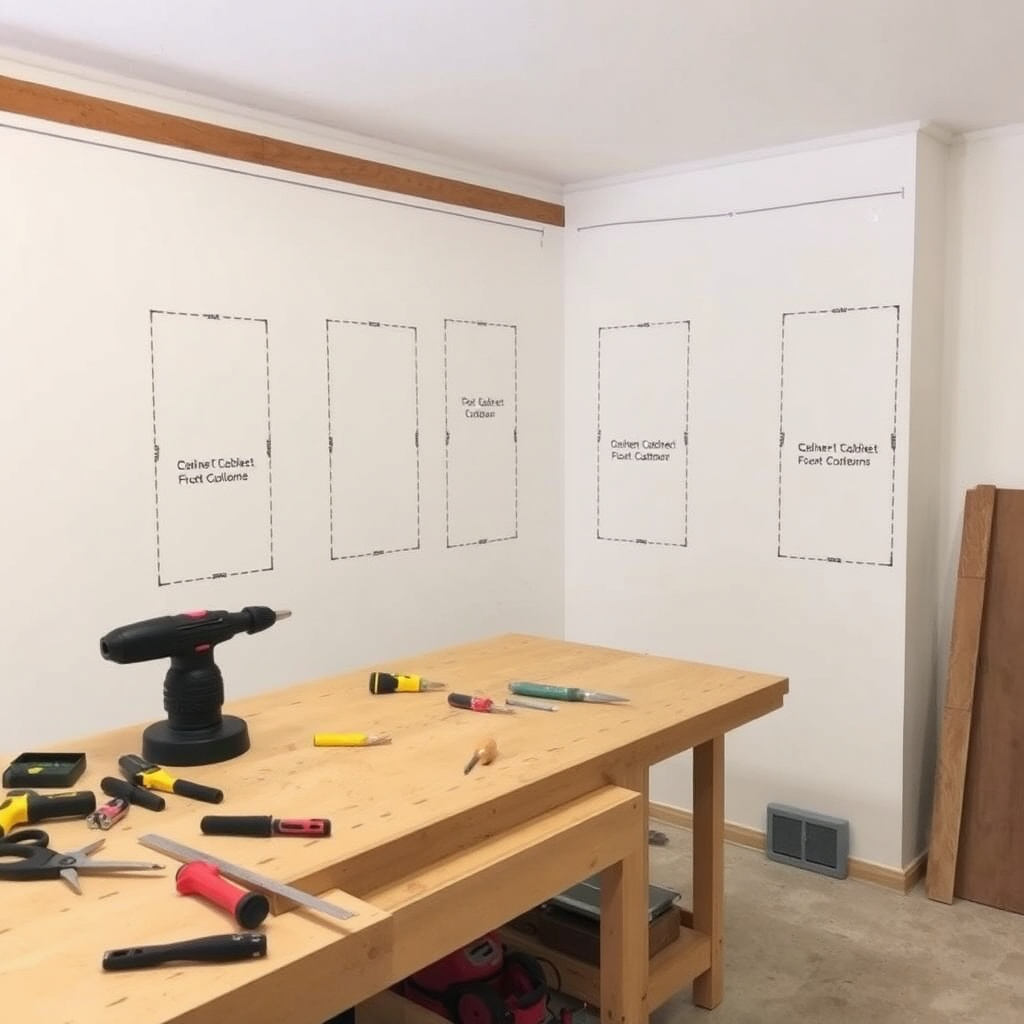
Gathering necessary tools before starting saves time and ensures smooth installation. Commonly required items include a stud finder, level, drill with bits, screwdriver, tape measure, pencil, shims, clamps, and cabinet screws designed for heavy loads.
Materials also include the kitchen cabinets themselves, mounting strips if needed, anchors for drywall-only areas, and safety gear like gloves and eye protection. Having everything at hand reduces interruptions during installation.
- Stud finder
- Cordless drill with bits
- Level and tape measure
- Screwdrivers and clamps
- Shims and mounting screws
Clearing and Measuring the Space
Clear the area where cabinets will hang, removing any appliances, fixtures, or obstructions. Measure wall height, width, and depth to ensure cabinets fit accurately and align with countertops or shelving.
Mark stud locations with the stud finder and sketch the cabinet layout on the wall. Mark a reference line for the bottom of upper cabinets, often 54 inches from the floor, to help keep everything level during mounting.
Marking and Leveling for Cabinet Placement

Locating Wall Studs and Drawing Reference Lines
Locate wall studs spaced 16 inches apart on center and mark them with a pencil. These studs provide the anchoring points that will bear the cabinet weight. Avoid relying solely on drywall anchors for heavy cabinets.
Draw horizontal lines to indicate cabinet heights, typically the bottom line at 54 inches for upper cabinets, or at counter height for lower cabinets. Vertical lines mark cabinet widths to guide alignment and spacing.
- Mark all stud locations
- Draw a bottom cabinet height line
- Mark vertical cabinet edges
Checking and Adjusting for Level
Use a long level or laser level to draw perfectly horizontal lines across the wall, ensuring cabinets will not hang crooked. Uneven walls require shimming to create a flat mounting surface before securing cabinets.
Place wooden shims behind cabinet backs where needed to compensate for wall irregularities and maintain a flush front. Confirm level after shimming as this step is critical for door alignment and long-term cabinet performance.
- Use shims for uneven walls
- Recheck level after adjustments
Securing Cabinets to the Wall
Mounting the First Cabinet Safely
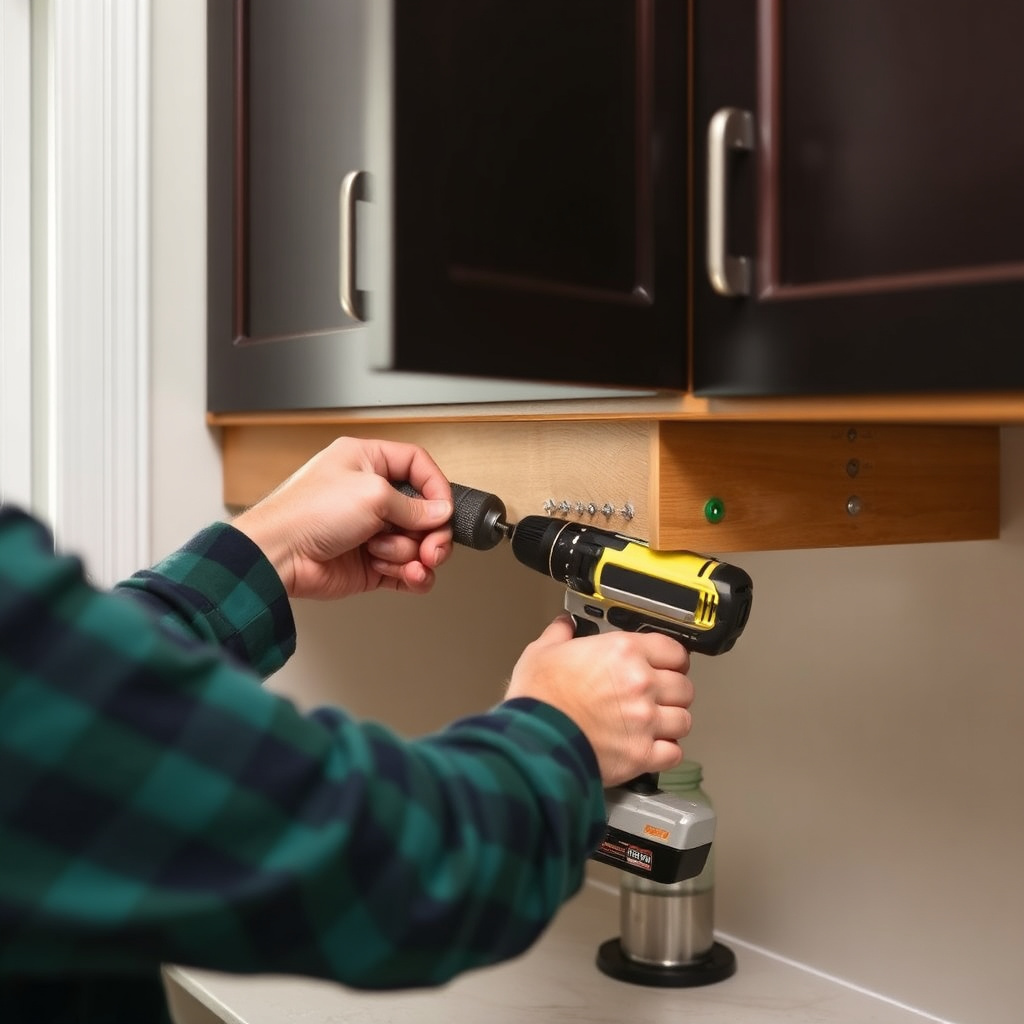
The first cabinet hung acts as the anchor for subsequent units, so precision is vital. Clamp the cabinet in place at the marked lines, double-check level and stud alignment before drilling pilot holes into wall studs.
Drive strong cabinet screws through the cabinet’s mounting rails into each stud. Avoid overtightening to prevent damage. This cabinet sets the height and alignment standard for all others.
- Clamp cabinet for stability
- Drill pilot holes before screwing
- Attach to all stud locations
Joining Multiple Cabinets
Once the first cabinet is secure, position the next cabinet flush with its edge and use clamps to hold them tight together. Drill pilot holes and fasten cabinets to each other through side panels with screws, creating a solid unit.
Repeat this process along the wall, continuously checking level and front alignment. Securing cabinets together prevents gaps and uneven spacing, enhancing both strength and aesthetics.
- Clamp cabinets before fastening
- Use screws on side panels to join
- Check level between cabinets
Adjusting Doors and Finishing Touches

Aligning Cabinet Doors and Drawers
After mounting, cabinet doors and drawers often require fine-tuning for even spacing and smooth operation. Most hinges offer adjustment screws allowing you to move doors vertically, horizontally, and in depth.
Adjust hinges carefully to eliminate gaps and ensure doors close flush. Check drawer boxes for level and alignment as well, and tighten any loose screws on handles or hardware.
Sealing and Cosmetic Finishes
Fill any gaps between cabinets and walls with paintable caulk to create a seamless look and prevent dust buildup. Touch up paint or stains where scratch marks or screw holes exist.
Attach molding or trim at cabinet edges or under cabinets if desired to enhance visual appeal and hide installation inconsistencies.
- Use caulk to fill gaps
- Touch up paint or stains
- Install decorative trim
Handling Common Challenges When Hanging Kitchen Cabinets
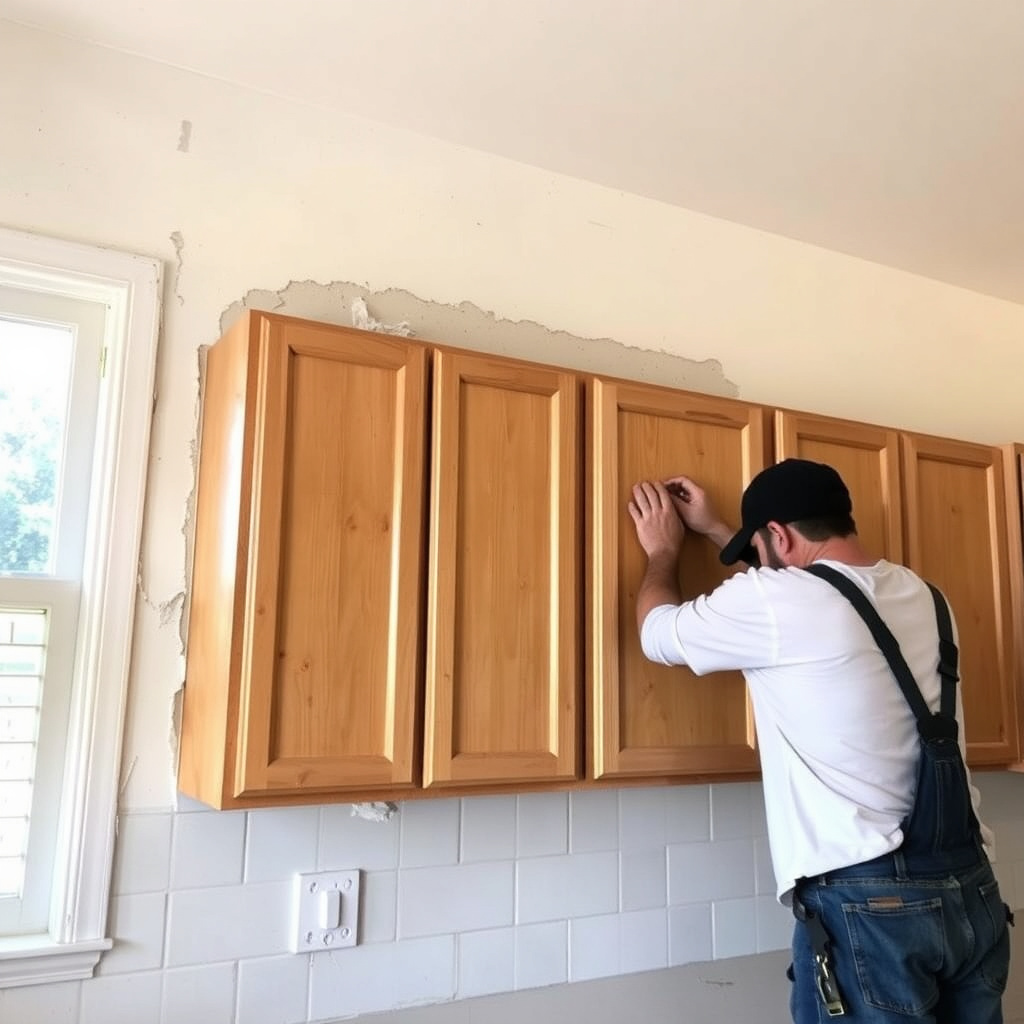
Dealing with Uneven or Damaged Walls
Uneven walls are common obstacles. Use a long level to detect bumps or depressions, and apply shims behind cabinets to create an even mounting plane. Shim placement varies by wall irregularities and requires careful checking at multiple points.
If walls are damaged or weak near studs, consider reinforcing with plywood mounting strips securely fastened to studs before cabinet installation.
Adjusting for Appliances and Fixtures
Measure carefully around existing appliances, lighting, and plumbing to avoid conflicts. Custom-cut fillers or smaller cabinets may be necessary when fitting around nonstandard spaces.
Plan placement before installation, especially for microwave mounts or range hoods, to integrate appliances smoothly with cabinet height and spacing.
- Measure clearances accurately
- Use filler panels if needed
- Coordinate with appliances placement
Safety and Maintenance Tips for Kitchen Cabinet Installation

Safety Tips During Installation
Wear safety glasses and gloves to protect from splinters and flying debris. Use sturdy ladders and get help lifting and holding heavy cabinets to prevent injuries.
Inspect tools for damage before use and unplug power tools when changing bits. Following these precautions keeps your installation process smooth and injury-free.
For a broader understanding of kitchen cabinetry basics, the Wikipedia article on kitchen cabinets offers detailed background and design considerations. Kitchen cabinet installation information.
Maintaining Stability and Longevity
Regularly check cabinet screws and hardware after installation to catch loosening before it causes issues. Avoid overloading cabinets beyond their weight limits to preserve integrity.
Clean cabinet surfaces with gentle, non-abrasive cleaners to maintain finishes and prevent damage over time.
- Tighten loose screws periodically
- Avoid heavy overloading
- Use gentle cleaners only
Kitchen Cabinet Installation Method Comparison
Here's a comparison of common installation methods based on tools required, difficulty, and suitability for different wall types.
| Method | Tools Required | Difficulty Level | Best For |
|---|---|---|---|
| Direct Screw Mounting | Drill, Level, Screws | Moderate | Walls with Solid Studs |
| Mounting Strip Method | Drill, Screws, Wooden Strip | Moderate | Uneven or Damaged Walls |
| French Cleat System | Drill, Cleats, Screws | Advanced | Heavy Cabinets, Custom Installations |
| Rail Hanging System | Rail, Screws, Level | Easy to Moderate | Quick Installation, Modular Cabinets |
Frequently Asked Questions
How do I find studs in my kitchen wall for cabinet installation?
Use a stud finder to locate the wooden supports behind drywall. Mark these spots lightly with a pencil as cabinets must be secured to studs for proper support.
What is the best height to hang kitchen upper cabinets?
A common standard is to install upper cabinets so their bottoms are about 54 inches from the floor, allowing around 18 inches of space above typical 36-inch counters.
Can I hang kitchen cabinets directly on drywall?
No, drywall alone cannot support the weight of cabinets. Cabinets should be mounted directly to wall studs or a solid mounting strip anchored to studs.
How do I ensure my kitchen cabinets hang level?
Use a long carpenter’s level or laser level to draw horizontal guide lines on the wall before installation. Check level frequently during hanging, and use shims if walls are uneven.
Is it necessary to clamp cabinets together during installation?
Yes, clamping cabinets together before screwing them side-by-side helps maintain alignment, prevents gaps, and creates a solid continuous row.
Key Takeaways
- Secure cabinets to wall studs for the best stability
- Use a level and shims to achieve a perfectly aligned installation
- Clamp cabinets together before fastening to prevent gaps
- Plan measurements carefully around appliances and uneven walls
Conclusion
Hanging kitchen cabinets involves a clear sequence of well-planned steps focused on accurate measurement, solid anchoring, and consistent alignment. Prioritizing wall stud identification and level reference lines are foundational to avoiding common problems like sagging or uneven doors. Whether mounting a single cabinet or assembling a full set, attention to detail at each stage ensures the project lasts for years with minimal issues.
For typical homeowners aiming at a reliable setup, direct screw mounting into exposed studs is usually sufficient. However, in kitchens with older or irregular walls, mounting strips or French cleats may be necessary for additional support. Using clamps between cabinets dramatically improves fit and finish, especially in installations involving multiple cabinets. Paying close attention to cabinet door adjustments and cosmetic finishing touches helps create a polished and professional kitchen space.
If you're ready to begin, start by gathering your tools and carefully documenting measurements and stud locations. Tackling one cabinet at a time with patience will make the task manageable. Consider consulting detailed resources or professional guidance if your walls present unique challenges. Following these practices will help you hang your kitchen cabinets securely and with confidence.