How to Kill Ants in Kitchen: Effective Methods to Get Rid of Ants Fast
Ants invading your kitchen can be a persistent nuisance, but the best way to kill ants in kitchen areas involves a combination of cleaning, sealing entry points, and targeted treatments. Immediate action helps stop ants from multiplying and spreading further.
Kitchen ants often swarm because food and water sources are readily available. Without prompt control, they can contaminate your pantry and surfaces, posing hygiene risks. Understanding why ants come indoors allows better prevention and control strategies.
This guide covers a range of practical approaches to kill ants in kitchen settings, from natural remedies like vinegar and borax to chemical options including bait traps and insecticides. You’ll also learn how to identify ant trails and prevent future infestations.
Identifying Ant Species in Your Kitchen
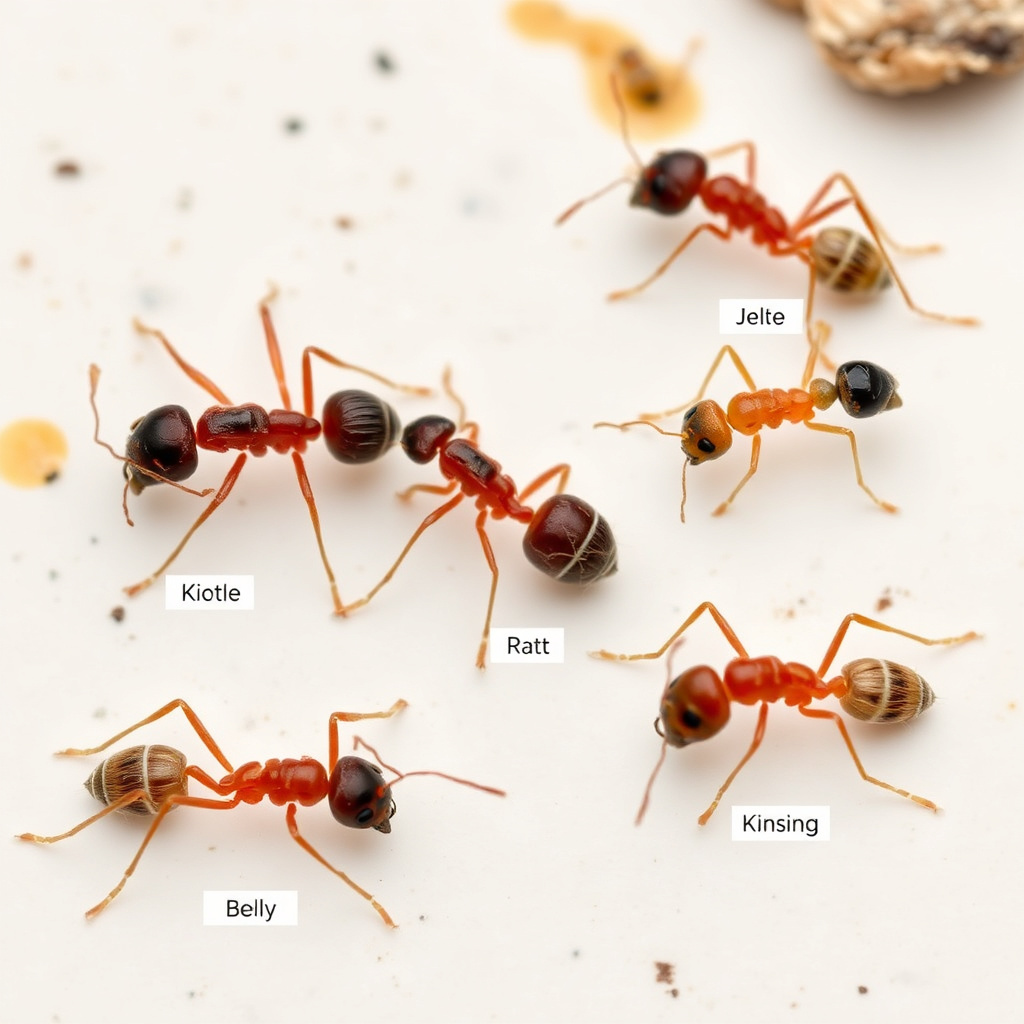
Common Kitchen Ant Species
Knowing the specific type of ant is helpful because control methods vary. The most typical species invading kitchens include odorous house ants, carpenter ants, and pharaoh ants. Each has slightly different behaviors and nesting habits.
Odorous house ants emit a distinct smell when crushed, tend to forage in trails, and prefer sugary foods. Carpenter ants are larger, may cause wood damage, and usually seek protein sources. Pharaoh ants are tiny and can be harder to control due to multiple nesting sites.
How to Locate Ant Nests and Trails
Ants leave behind scent trails that guide others to food sources. Following these trails can lead you back to their nests, which might be hidden behind walls, under cabinets, or inside cracks.
Regularly inspecting where ants appear during the day or night helps map their paths. Use a flashlight and move slowly around kitchen edges, under appliances, and near sinks to find entry points and nests.
Natural Ways to Kill Ants in Kitchen
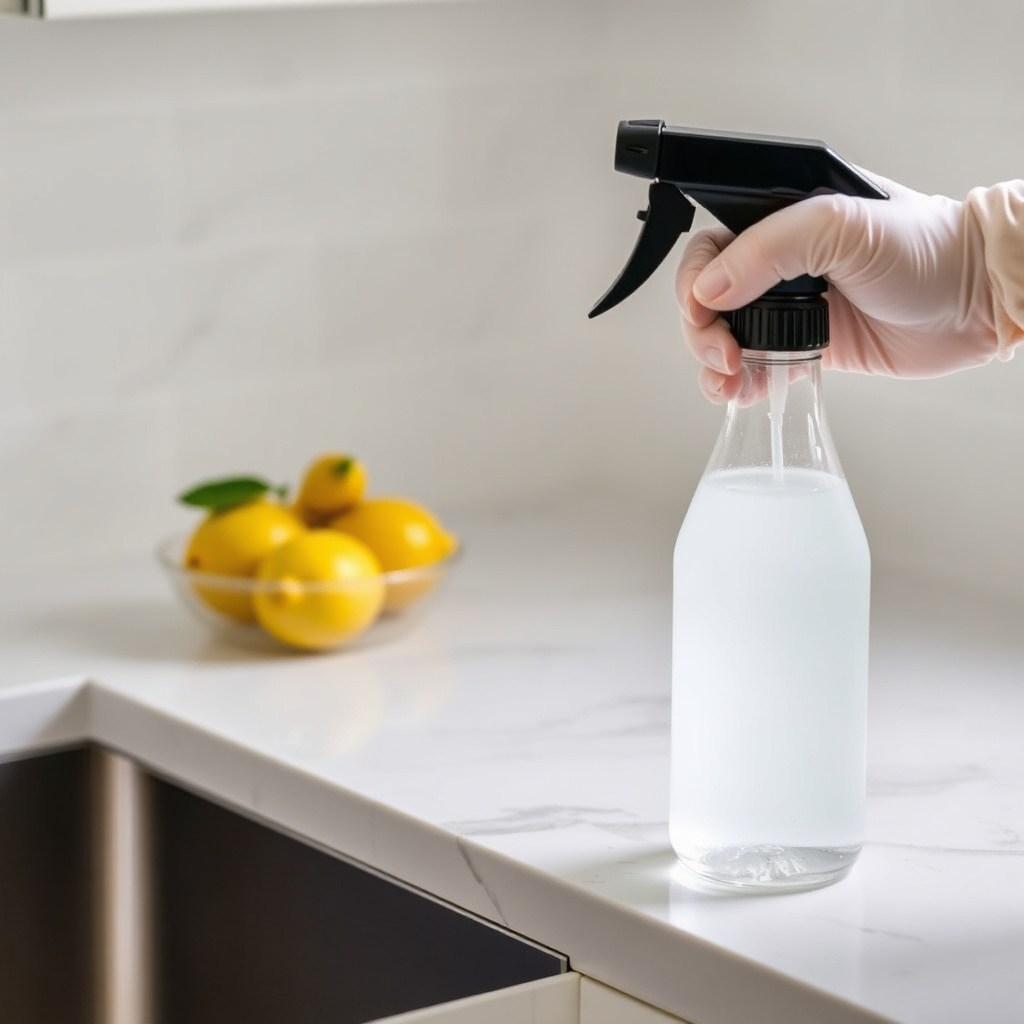
Using Vinegar and Lemon Juice
Both vinegar and lemon juice disrupt ant scent trails, making it harder for them to find food sources. Mixing equal parts white vinegar and water into a spray bottle allows you to treat surfaces and entry points.
Regularly spraying countertops, baseboards, and around windows helps repel ants. Lemon juice can be applied similarly or the rinds placed near infestation hotspots for a natural deterrent effect.
- Mix 1:1 vinegar and water
- Spray affected areas daily
- Place lemon rinds near entry points
Borax and Sugar Baits
Combining borax with sugar creates a bait that worker ants carry back to the colony, effectively killing the nest. The sugar attracts ants while borax is toxic to them but relatively safe for humans when used carefully.
To make a simple bait, mix one part borax with three parts sugar and add enough water to form a paste. Place small amounts on cardboard or bottle caps near ant trails and replace frequently.
- Mix 1 part borax to 3 parts sugar
- Keep baits out of reach of children/pets
- Replace bait every few days
Chemical Solutions and Ant Baits
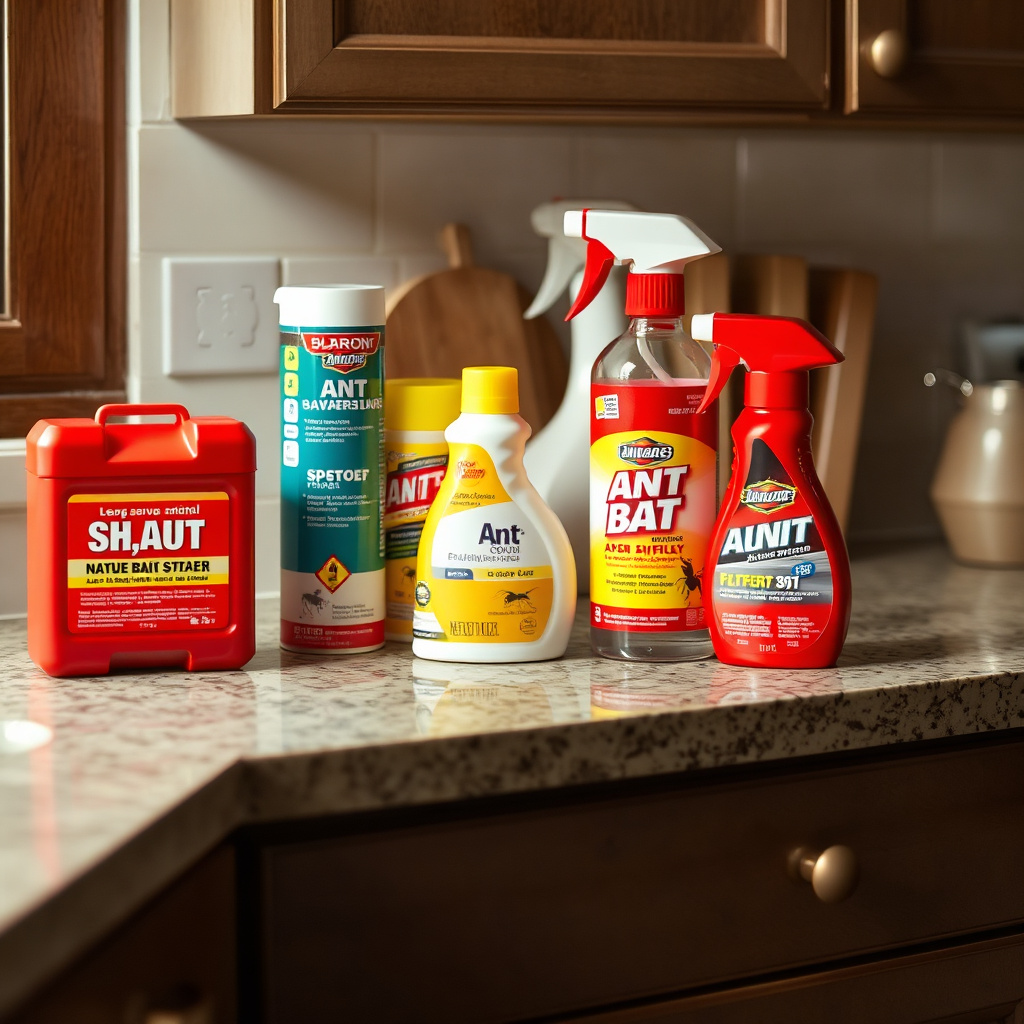
Types of Chemical Ant Baits
Commercial ant baits use slow-acting insecticides combined with attractive food ingredients. Worker ants carry the bait to the colony, poisoning the entire nest over time. Baits come in gels, stations, or granules suited to kitchen use.
Selecting a bait suitable for indoor kitchens is important to minimize health risks. Read labels carefully and place the bait near ant activity but away from food preparation areas.
- Gel baits for cracks and crevices
- Station baits for countertop edges
- Granules for floor-based placement
For more on this, see our related guide: How to Sharpen Kitchen Knives for a Razor-Sharp Edge at Home.
Chemical Sprays and Residual Insecticides
Aerosol sprays offer immediate ant elimination on contact and can be used to treat visible ants. Residual insecticides applied to baseboards and entry points create a longer lasting barrier against new invasions.
While effective, sprays should be used sparingly, following safety instructions to avoid contaminating kitchen surfaces. Keep pets and children away during application and ventilate the area afterward.
- Use sprays only on infested areas
- Apply residual insecticide along entry points
- Follow safety precautions strictly
Preventive Measures to Keep Ants Out
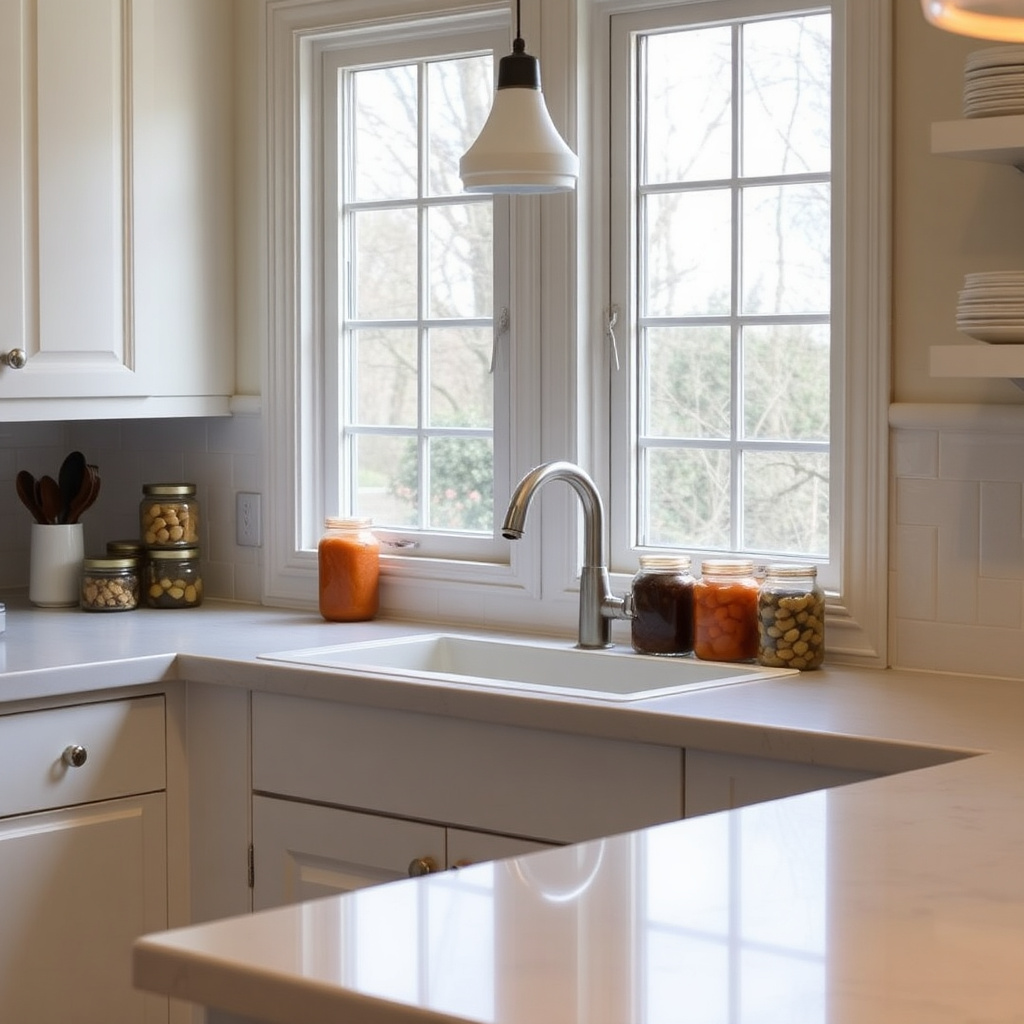
Sanitation and Food Storage
Keeping the kitchen meticulously clean is vital in preventing ants. Regularly wipe spills, avoid leaving dirty dishes overnight, and store food in sealed containers to deny ants easy access.
Pay special attention to sugary or greasy residues on counters and floors, as these attract ants. Empty trash bins often and keep compost sealed to control odor sources.
- Store food in airtight containers
- Clean crumbs and spills immediately
- Empty trash frequently
Sealing Cracks and Entry Points
Ants enter kitchens through tiny cracks and gaps. Inspect windows, doors, and baseboards for openings and seal them with caulk or weather stripping. Consider installing door sweeps if there are gaps under doors.
Maintain screens on windows and vents to prevent outdoor ants from coming inside. Regular inspections will catch new entry points before infestations begin.
- Seal cracks with silicone caulk
- Use weather stripping on doors/windows
- Maintain intact window screens
When to Call a Professional Exterminator
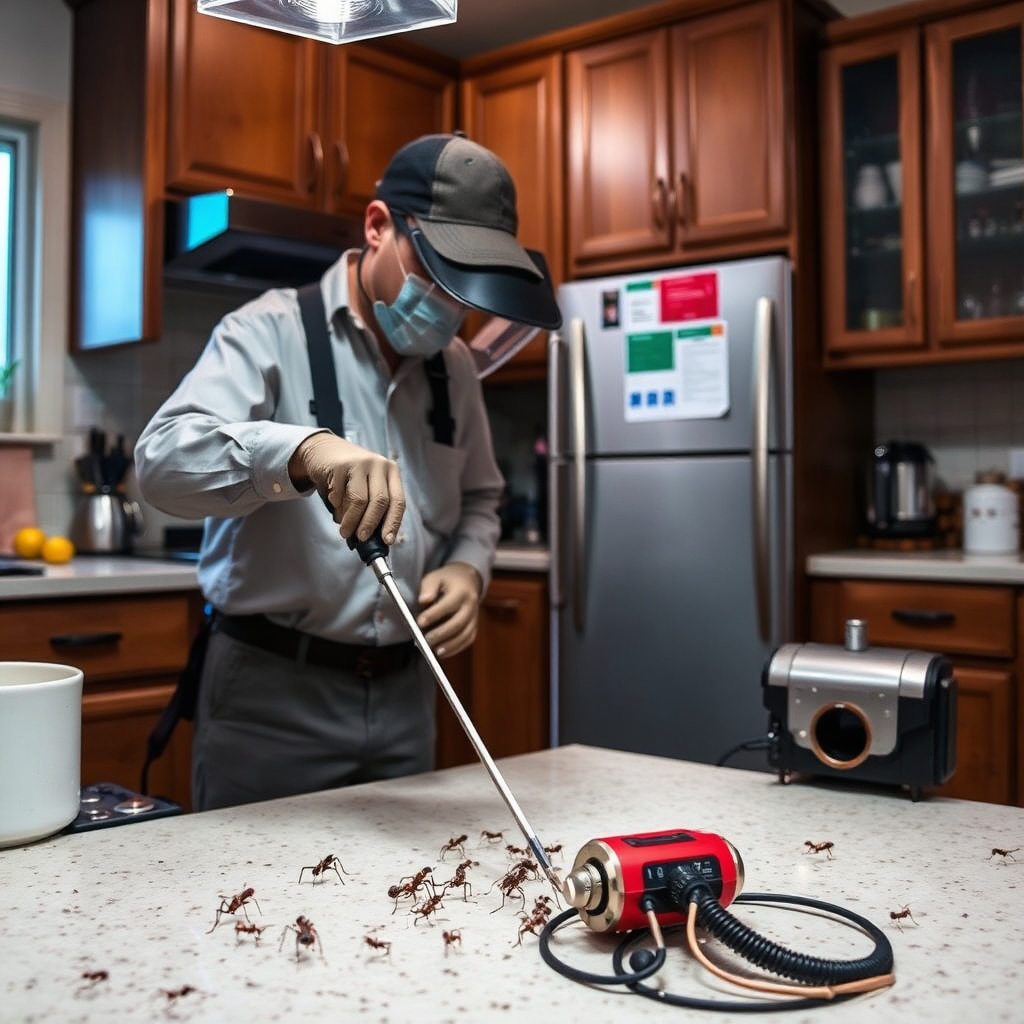
Signs You Need Professional Help
If ant infestations persist despite DIY methods, or if the colony is massive and hard to locate, a professional exterminator is recommended. Some species, like carpenter ants, require expert treatment to prevent structural damage.
Additionally, if chemical treatments are needed but you have young children, pets, or health concerns, professionals can provide safer application and targeted solutions.
- Large or recurring infestations
- Presence of wood-damaging ants
- Health-related concerns with chemicals
What to Expect from Professional Services
Exterminators perform thorough inspections to identify nests and use specialized baits and sprays. They may recommend ongoing monitoring to keep ants from returning and provide advice on home maintenance.
Services vary but often include a warranty period and follow-up visits. Costs depend on infestation size and treatment complexity but can save time and frustration.
- Detailed inspection and identification
- Use of professional-grade treatments
- Follow-up and advice included
Comparing Natural vs Chemical Anti-Ant Methods
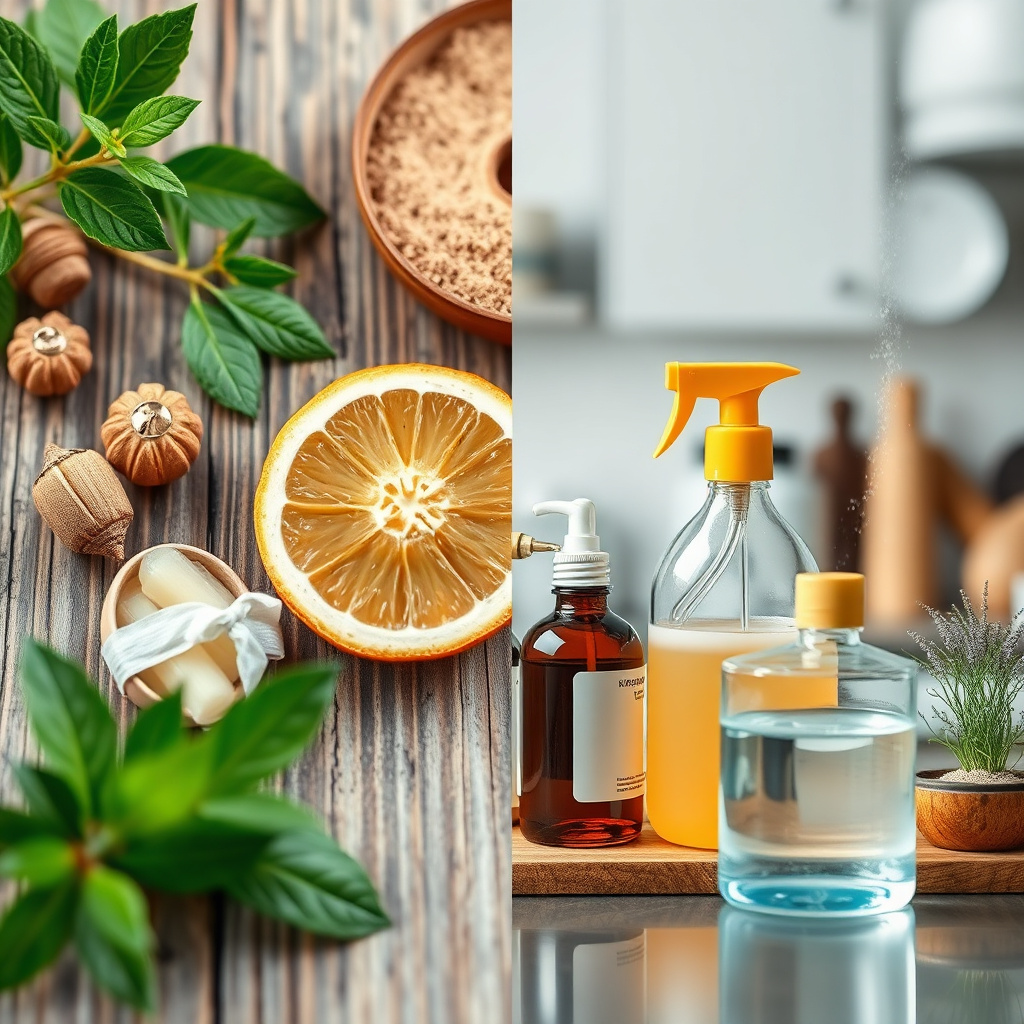
Effectiveness and Safety
Natural solutions like vinegar and borax baits are safer for families and pets but may require repeated application and patience. Chemical options tend to work faster but carry health risks if misused.
Balancing safety and effectiveness depends on the severity of the infestation and household members’ sensitivity. Often, integrating both approaches yields the best results.
For more detailed information on various ant control methods, visit this comprehensive resource on ant control. ant control methods.
Cost and Convenience
Natural remedies usually involve inexpensive household items but take longer to show results and need ongoing effort. Chemical baits and sprays can be pricier but offer quicker relief.
Choosing between them also depends on convenience. Natural methods require regular upkeep, while many chemical products provide longer-lasting protection with less frequent use.
Comparison of Ant Control Methods for Kitchens
Here’s a table comparing key features of popular ant control categories to help you choose the best fit for your kitchen needs.
| Method | Effectiveness | Safety | Cost | Ease of Use |
|---|---|---|---|---|
| Vinegar and Lemon Juice | Moderate | Very safe | Very low | Easy |
| Borax Sugar Baits | High | Moderate | Low | Moderate |
| Commercial Ant Baits | High | Moderate | Moderate | Easy |
| Chemical Sprays | Very high | Low | Moderate | Easy |
| Professional Exterminator | Very high | Safe when done professionally | High | Very convenient |
Frequently Asked Questions
Can I use household vinegar to get rid of ants?
Yes, household white vinegar mixed with water disrupts ant scent trails and can repel ants. Spray it on ant pathways and entry points for a natural, non-toxic method to reduce ant activity.
Is borax safe to use around my kitchen?
Borax is toxic to ants but generally safe when used properly. Keep borax bait out of reach of children and pets, and avoid contamination of food or surfaces where meals are prepared.
How long does it take for ant baits to work?
Ant baits often take several days to a couple of weeks as worker ants carry the bait back to the colony. Patience and consistent bait placement are key to effectively eliminating the nest.
What should I do if ants keep coming back despite treatments?
Persistent ant problems may require professional help to locate hidden nests and apply stronger treatments. Also, review sanitation and sealing efforts to prevent new ants from entering.
Are chemical sprays harmful for kitchen use?
Chemical sprays can be effective but should be used carefully in kitchens. Avoid spraying food, dishes, or food prep surfaces, follow label instructions, and ventilate well after application.
Key Takeaways
- Identify ant species to target control methods effectively
- Natural remedies like vinegar and borax can disrupt ants safely
- Chemical baits and sprays offer faster results but require caution in kitchens
- Proper sanitation and sealing entry points are essential to prevent ants
Conclusion
Determining how to kill ants in kitchen spaces involves balancing quick elimination with safety. Understanding ant behavior and entry helps pinpoint treatment zones while sanitation reduces attractants. Combining natural repellents and baits with targeted chemical options often leads to the best results without widespread chemical exposure.
For minor infestations, vinegar sprays and borax sugar baits are affordable and safe choices that gradually reduce ant trails and nests. In severe cases, commercial ant baits or professional extermination provide faster, more comprehensive control, especially for species like carpenter ants that pose structural risks.
Start by cleaning thoroughly, sealing cracks, and applying natural treatments along trails. Monitor progress and escalate to commercial baits or professional services if ants persist. Following these steps gives you a practical, effective way to regain a pest-free kitchen quickly.