How to Accessorize a Kitchen Counter for Style and Function
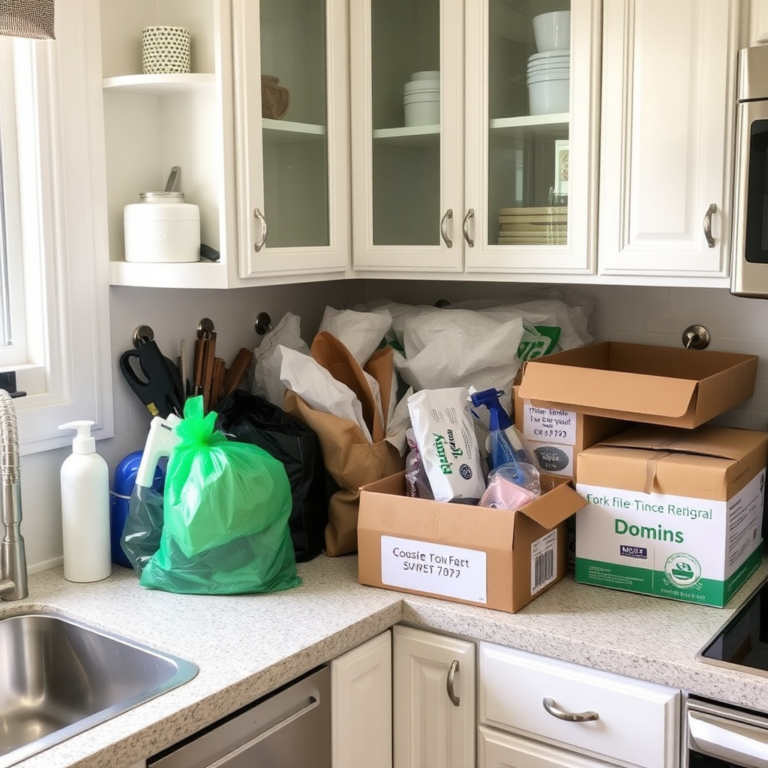
Accessorizing a kitchen counter effectively means balancing practical tools with decorative elements that complement your kitchen’s style. The key is to select items that not only look good but also serve a purpose, helping keep your workspace organized and inviting.
Kitchen counters are the heart of food preparation and often the focal point of the room. How you arrange and choose accessories here impacts both the kitchen’s efficiency and atmosphere. Well-chosen accessories can add personality, color, and texture without overcrowding the space.
This article will explore how to accessorize a kitchen counter by discussing essential categories like storage solutions, decorative containers, functional gadgets, and green elements. We’ll also cover style tips to blend aesthetics with everyday convenience.
Selecting Functional Accessories for Your Kitchen Counter
Choosing the Right Storage Containers
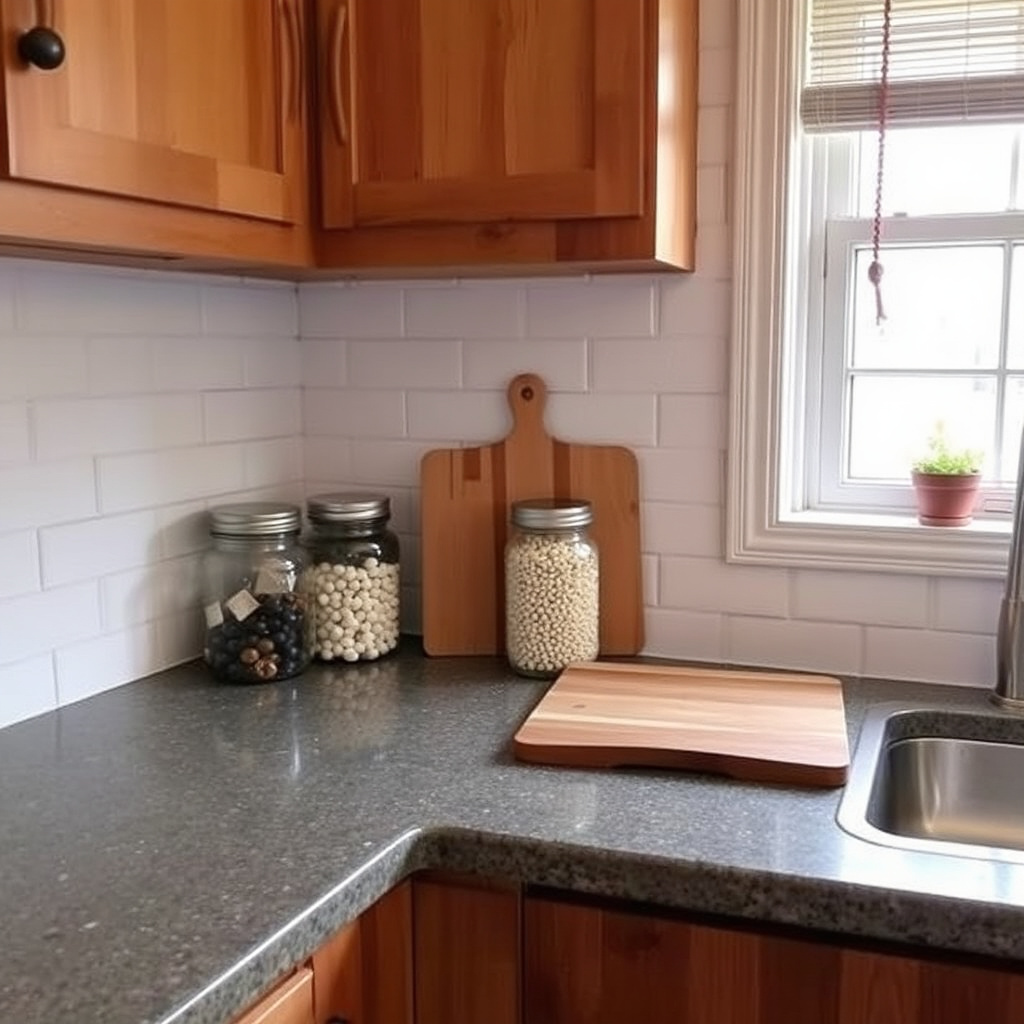
Storage containers are fundamental when accessorizing a kitchen counter. Opt for clear glass jars or ceramic canisters to store frequently used ingredients like flour, sugar, coffee, or pasta. This keeps essentials within reach while visually tidying the surface.
Pick containers with airtight lids to preserve freshness and avoid spills. Grouping containers of similar style or color creates a cohesive look and prevents visual clutter.
- Glass jars with metal or wooden lids
- Ceramic canisters matching kitchen color palette
- Stackable or modular containers for space saving
Incorporating Cutting Boards and Utensil Holders
A sturdy wooden or bamboo cutting board not only serves a practical purpose but can double as a decorative accent when leaned against the backsplash. Similarly, utensil holders made from ceramic or stainless steel keep spatulas and spoons organized and accessible.
Choose utensil holders that match your kitchen’s style—from sleek modern designs to rustic farmhouse styles—to tie the look together.
- Large wooden cutting boards displayed upright
- Matching utensil crock for kitchen tools
- Use holders with compartments for different utensils
Adding Stylish Decorative Touches
Using Greenery and Fresh Flowers
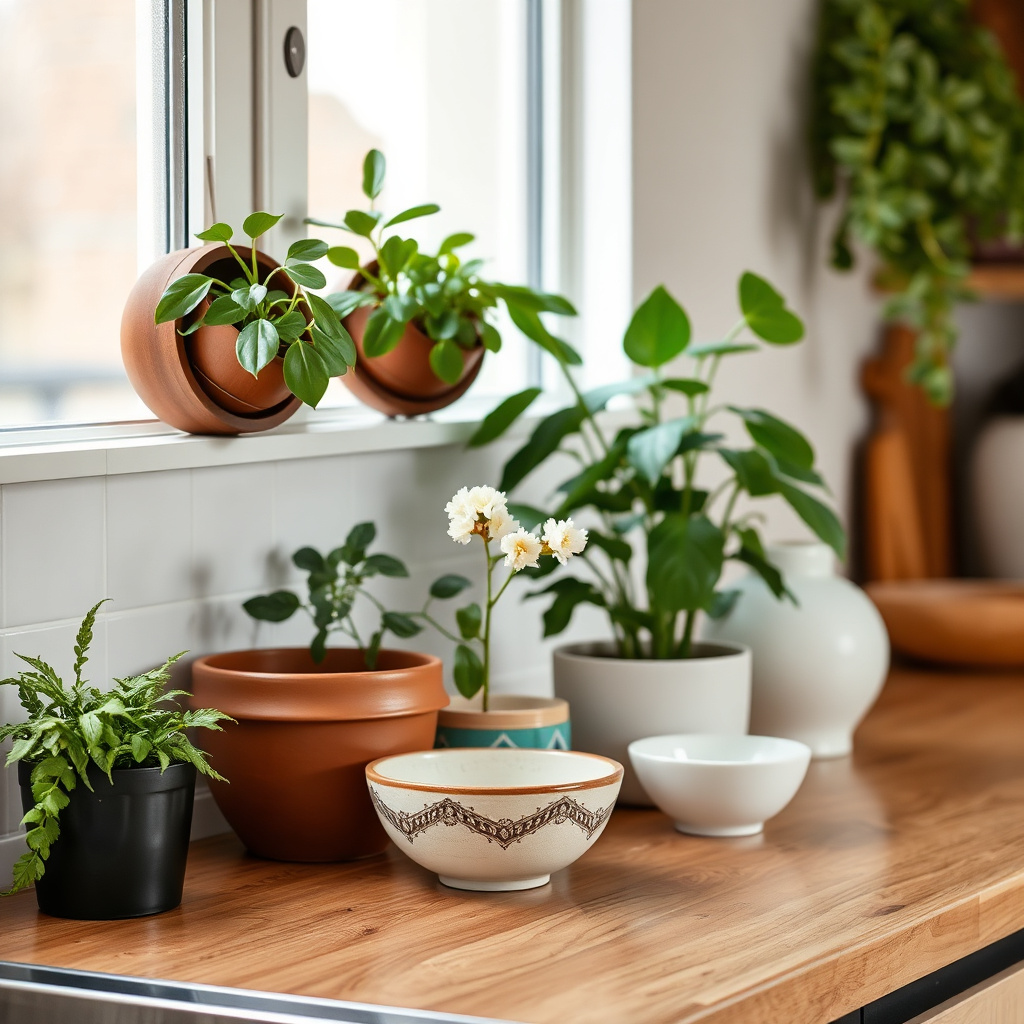
Plants and flowers instantly brighten a kitchen counter and introduce natural elements that soften hard surfaces. Small potted herbs like basil, mint, or rosemary also add freshness and can be plucked for cooking.
Succulents or air plants require minimal maintenance and add a modern flair. Place plants on small trays or decorative pots that complement your kitchen’s color scheme.
- Potted herbs for cooking and fragrance
- Succulents in minimalist pots
- Fresh flower arrangements in simple vases
Decorative Bowls and Trays for Organization
Decorative bowls and trays can corral loose items like fruit, keys, or mail while adding color or texture. Materials such as wood, ceramic, or metal can be selected to coordinate with existing kitchen finishes.
Using trays helps define the space visually, prevent mess, and makes it easy to move grouped items when cleaning the counter.
- Wooden trays for rustic charm
- Colorful ceramic bowls for fruit
- Metal trays for a modern touch
Incorporating Small Appliances and Gadgets
Selecting Counter-Friendly Small Appliances
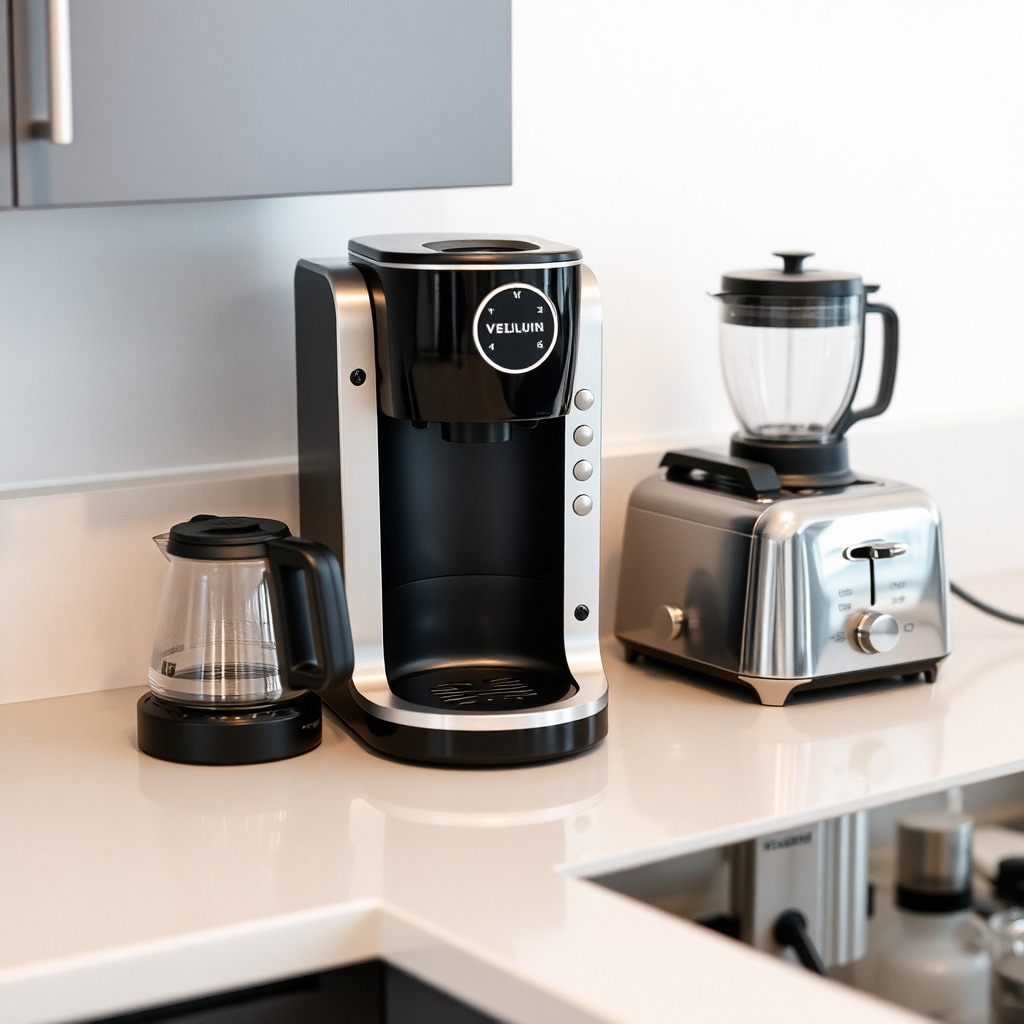
Choose small appliances that fit your kitchen’s size and style without overcrowding the counter. Compact coffee makers, toaster ovens, or blenders with sleek designs can enhance functionality and look attractive on display.
If you have limited space, prioritize appliances you use daily and consider storing others in cabinets.
- Compact drip coffee makers
- Two-slice toasters with modern finishes
- Multi-purpose blenders
Organizing Appliance Cords and Accessories
Cords and accessories can quickly clutter a counter. Use cable organizers or clips to keep wires tidy and hidden behind or under appliances. A dedicated drawer nearby can store appliance attachments and manuals.
Keeping cords and accessories controlled maintains a clean, streamlined look essential when accessorizing a kitchen counter.
- Cable clips or ties for cord management
- Drawer organizers for appliance parts
- Velcro straps for bundling cables
Choosing Lighting and Textural Elements
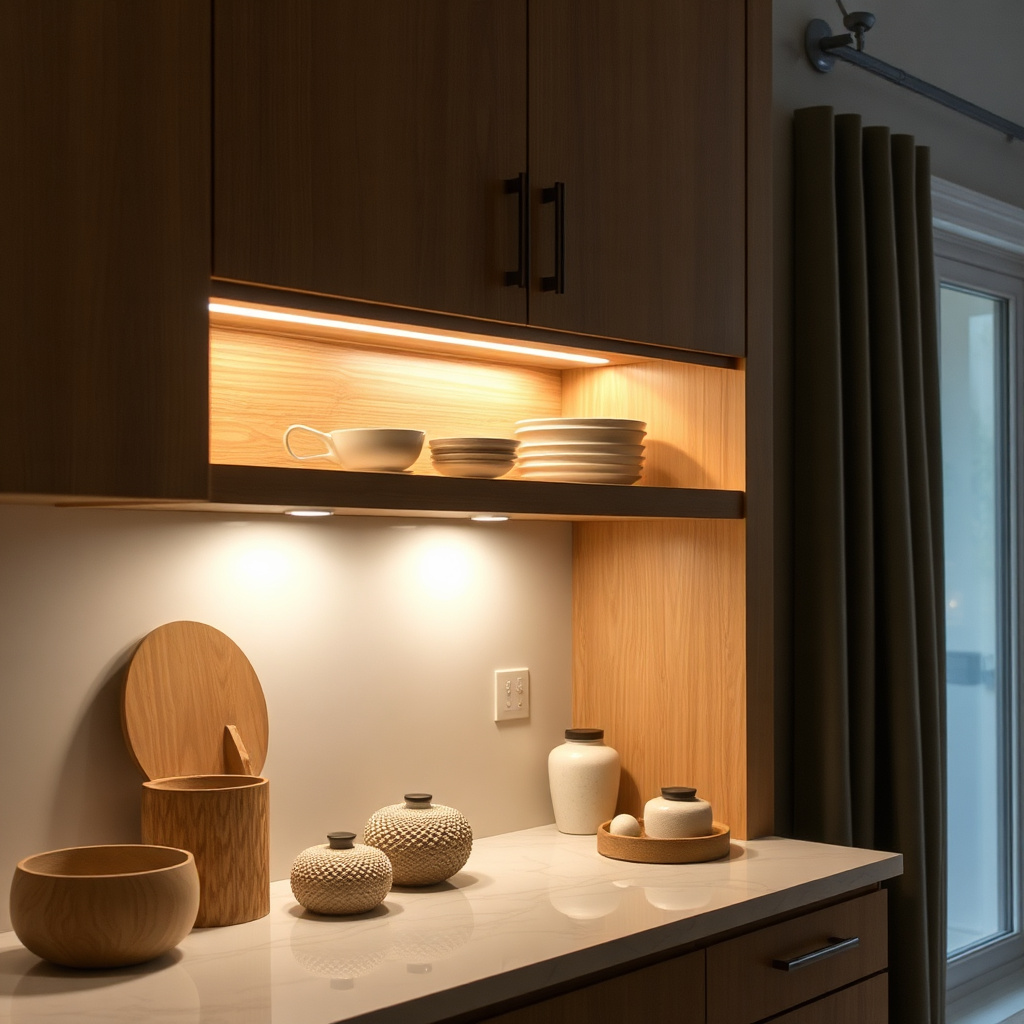
Using Accent Lighting to Highlight Accessories
Accent lighting such as under-cabinet LED strips or small pendant lights can spotlight certain areas of your kitchen counter. It creates ambiance and makes decorative pieces like plants or colorful containers pop.
Opt for warm white light to maintain a cozy feel and avoid harsh contrasts that overpower the countertop accessories.
- Under-cabinet LED lighting strips
- Mini pendant lights over counter areas
- Dimmable bulbs for adjustable ambiance
Introducing Textural Contrasts with Materials
Mixing materials and textures adds depth when accessorizing a kitchen counter. Pair smooth ceramic jars with rough wooden stands or metal utensil holders with woven baskets to balance hard and soft elements.
Varying textures prevent monotony and create a layered, inviting surface that’s interesting to the eye and comfortable to use.
- Woven baskets for natural texture
- Ceramic mixed with wood and metal
- Textured linen or cotton countertop mats
Maintaining Cleanliness and Organization
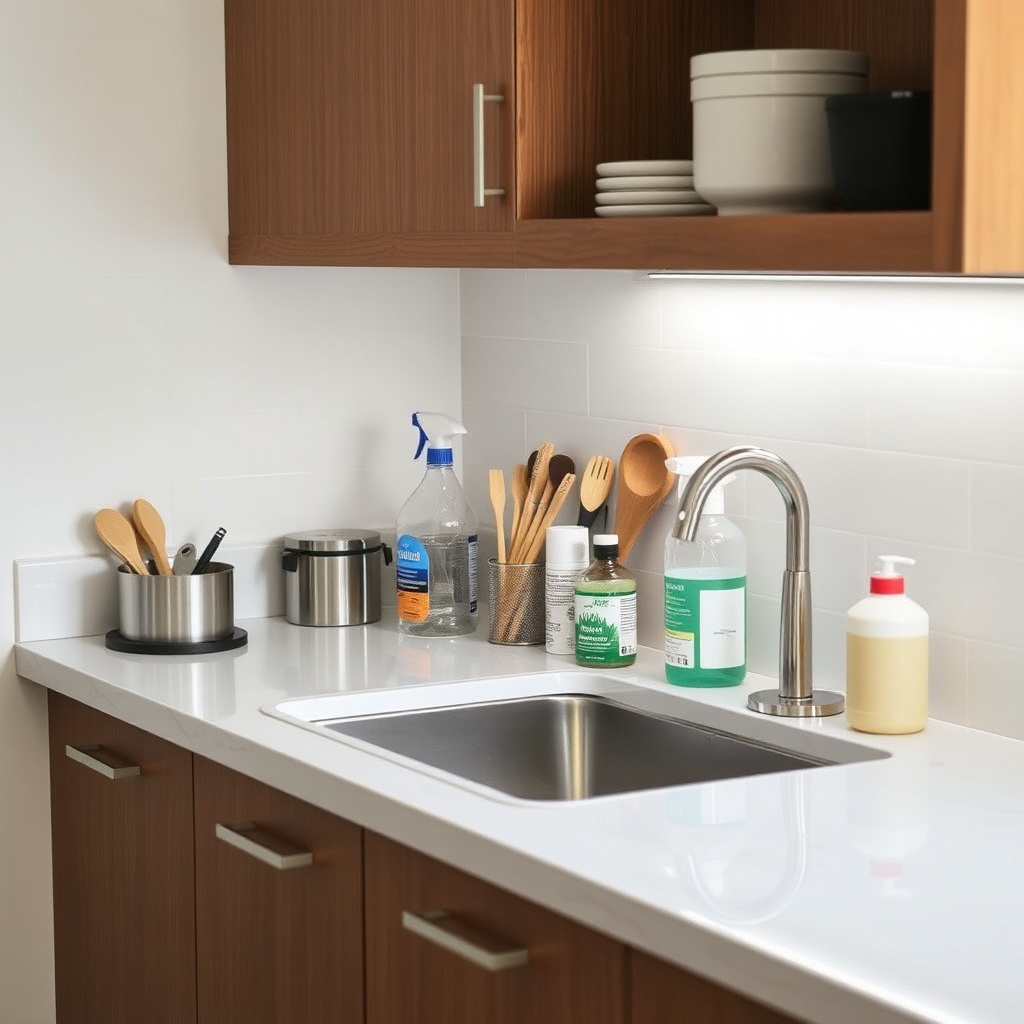
Easy-to-Clean Accessories and Surfaces
Choose accessories made from materials that clean easily, such as glass, stainless steel, or glazed ceramics. These resist stains and simplify wiping down frequent spills that happen on kitchen counters.
Removing excess clutter and limiting items to only those used regularly also keeps cleaning quick and manageable.
- Non-porous containers
- Smooth finishes on utensil holders
- Minimal decorative items for easier wiping
For more detailed insights into kitchen layouts and design principles, this comprehensive resource offers valuable information. kitchen design principles.
Regularly Reassessing Counter Items
Schedule periodic reviews of your countertop to declutter and remove items no longer needed. This keeps the area purposeful and attractive, preventing the accumulation of unused accessories that can overwhelm the space.
Changing arrangements or swapping out accessories seasonally refreshes the kitchen atmosphere without overhauling the entire area.
- Set seasonal accessory rotation
- Declutter monthly to maintain order
- Store rarely used gadgets elsewhere
Kitchen Counter Accessory Types Comparison
Here’s a comparison of common accessory types to help you decide which suits your kitchen style and needs best.
| Accessory Type | Functionality | Style Impact | Maintenance | Space Usage |
|---|---|---|---|---|
| Storage Containers | High – keeps ingredients accessible | Medium – depends on design | Easy – glass or ceramic cleanable | Medium – requires surface space |
| Decorative Planters | Low – primarily aesthetic | High – adds color and life | Medium – requires watering | Low – small footprint |
| Small Appliances | Very High – daily use | Variable – modern to classic | Medium – requires regular cleaning | High – occupies counter space |
| Utensil Holders | High – organizes tools | Medium – can match decor | Easy – often ceramic or metal | Low – compact size |
| Bowls & Trays | Medium – organizes small items | Medium – can be decorative | Easy – usually washable | Medium – needs clear counter space |
Frequently Asked Questions
What are the best materials for kitchen counter accessories?
Materials like glass, ceramic, stainless steel, and wood are popular for kitchen accessories due to durability, ease of cleaning, and aesthetic versatility.
How much clutter is acceptable on a kitchen counter?
Keep only frequently used items on the counter, ideally no more than 3-5 essential accessories, to preserve workspace and visual appeal.
Can plants survive well on kitchen counters?
Yes, especially herbs and small succulents that require bright but indirect light and occasional watering, making them suitable for many kitchens.
How do I organize cords from appliances on the counter?
Use cord clips, ties, or hidden channels behind appliances to keep cables neat and prevent tangling or clutter.
Are decorative trays practical on kitchen counters?
Yes, trays help group items, prevent spills, and can be moved easily for cleaning or to free counter space.
Key Takeaways
- Balance practical and decorative accessories for a functional kitchen counter.
- Use storage containers and utensil holders to organize essentials neatly.
- Add greenery and decorative bowls to bring color and texture.
- Maintain cleanliness by choosing easy-to-clean materials and regular decluttering.
Conclusion
When considering how to accessorize a kitchen counter, the balance between form and function should guide your choices. Select items that meet your daily cooking needs while also complementing the overall kitchen style. Accessories like storage containers, utensil holders, and small appliances offer tangible benefits in efficiency, while decorative touches such as plants, bowls, and lighting enhance the space’s visual appeal. Thoughtful arrangements allow you to keep the counter welcoming without sacrificing workspace or creating clutter.
For kitchens with limited surface area, prioritizing compact storage containers and multi-functional utensils holders reduces crowding while keeping daily essentials accessible. Those with larger counters can experiment with adding more decorative elements like plants or artistic bowls to personalize their space. Small appliances with sleek, modern designs can double as décor and enhance your kitchen’s style. Regularly reassessing and rotating accessories keeps the counter fresh and avoids unnecessary build-up.
Start by clearing your counter and grouping your most-used items. Introduce well-chosen containers and utensil holders, then incorporate a few decorative pieces to soften the look. Consider the lighting and textures to add depth and warmth. Over time, maintain a routine of tidying and revisiting your setup to keep your kitchen counter both stylish and practical. This approach ensures your cooking space feels inviting and organized every day.