How to Pack a Kitchen for Moving: Step-by-Step Guide for a Smooth Move
Packing a kitchen for moving involves organizing, protecting fragile items, and efficiently using boxes to ensure your dishes, utensils, and appliances arrive safely. Starting with sorting your kitchenware and gathering appropriate packing supplies lays a solid foundation for a successful pack.
Kitchens contain a wide variety of fragile and oddly shaped items, making packing one of the more intricate parts of relocating. Proper packing prevents damage to expensive cookware and appliances while making unpacking easier in your new home.
This article breaks down how to pack a kitchen for moving, covering everything from decluttering and choosing the best packing materials for kitchen items to carefully wrapping dishes and appliances. It also includes advice on labeling, safety, and efficient loading.
Sorting and Decluttering Your Kitchen
Identifying What to Keep, Donate, or Dispose
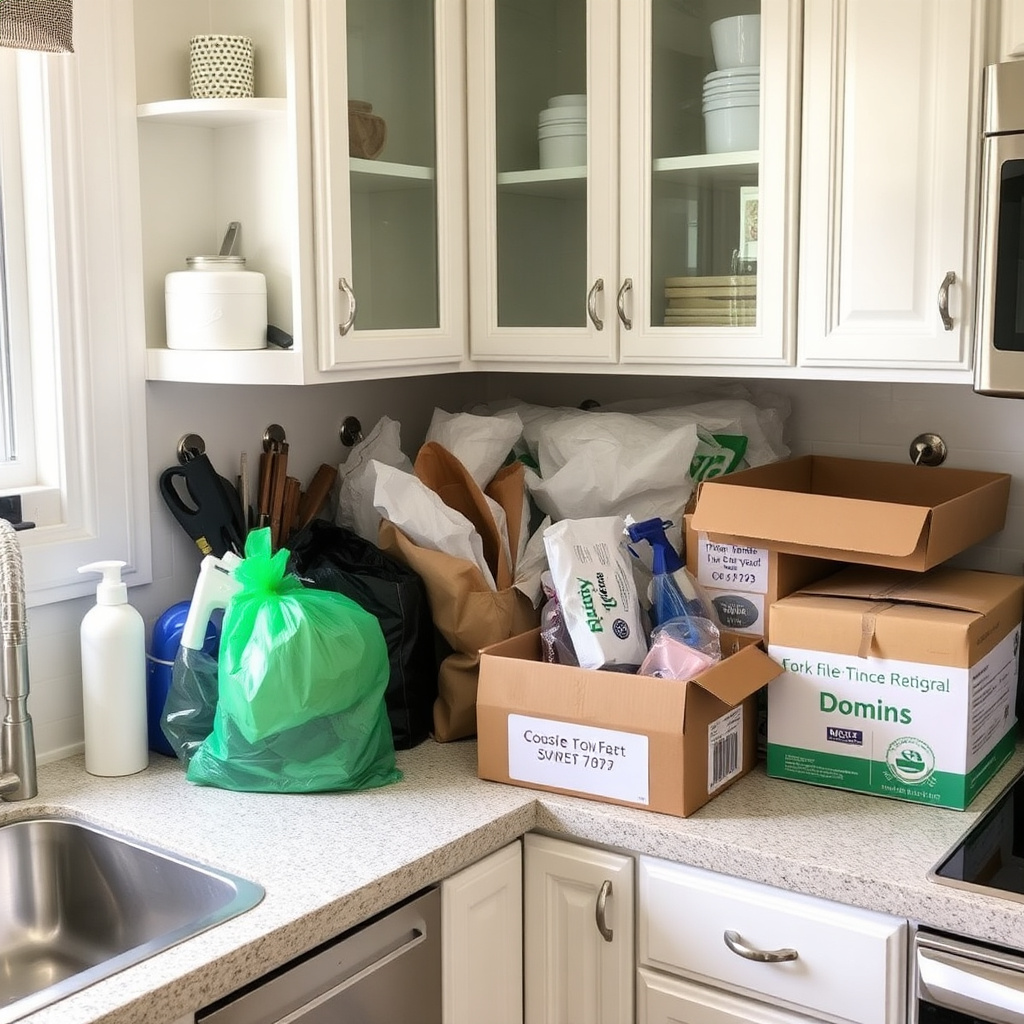
Go through every kitchen item and decide what to keep, what to donate, and what to throw away. Consider the condition, frequency of use, and whether items are duplicates.
Clearing out unused or broken kitchenware reduces packing volume and moving costs, and it helps start fresh in your new kitchen.
- Check expiration dates on pantry items
- Donate rarely used appliances
- Recycle or discard chipped dishes
Creating an Inventory List
List all items you plan to pack to stay organized and ensure nothing is lost during the move. Categorize by utensils, cookware, appliances, and pantry goods.
This inventory helps prioritize packing order and keeps tracking efficient when unpacking.
Choosing the Best Packing Materials for Kitchen

Boxes and Containers
Dish pack boxes specifically designed for fragile kitchenware provide extra padding and dividers. Standard boxes work for non-breakables and pantry items.
Avoid oversized boxes for heavy items like plates to prevent box collapse and injury.
- Dish pack boxes with cell dividers
- Small to medium sturdy cardboard boxes
- Plastic bins for heavy appliances
Wrapping and Padding Materials
Use bubble wrap, packing paper, and dish towels to cushion fragile items. Avoid newspaper as ink can transfer to surfaces.
Packing peanuts and foam inserts add extra shock absorption inside boxes.
- Unprinted packing paper
- Bubble wrap
- Dish towels as eco-friendly cushion
Packing Fragile Kitchen Items Carefully

Proper Wrapping Techniques for Dishes and Glassware
Wrap each dish or glass individually in packing paper or bubble wrap to prevent chipping or breaking.
Stack plates vertically like records rather than flat to reduce pressure and use cell dividers for extra protection.
- Wrap bowls and glasses separately
- Fill empty spaces with packing paper
- Label these boxes as 'Fragile'
Securing Silverware and Utensils
Group utensils by type using small boxes or utensil organizers. Wrap sharp knives in cardboard or thick paper and seal securely.
Place wrapped silverware inside a box with padding to prevent shifting during transit.
- Use utensil boxes or small containers
- Wrap sharp edges securely
- Keep lids and small items taped or bagged
Packing Appliances and Electronics

Preparing Appliances for Packing
Clean, dry, and disassemble small appliances if possible before packing. Wrap cords separately to avoid damage and tangling.
If appliance manuals are available, keep them with the items for easier setup later.
- Unplug and clean thoroughly
- Remove detachable parts
- Wrap cords in twist ties or Velcro straps
Using Proper Boxes for Heavy Items
Use small or medium-size boxes for heavy appliances like mixers or coffee machines to avoid box failure.
Add extra padding around sensitive parts and mark boxes with 'Fragile' and 'This Side Up' for safe handling.
- Choose boxes rated for weight
- Add cushioning inside boxes
- Label boxes clearly
Packing Pantry Items and Food Supplies

Sorting and Packing Dry Goods
Check expiration dates and transfer loose items into sealed plastic bags or containers to prevent spills.
Pack canned foods evenly distributed across boxes to balance weight and avoid crushing.
- Use small boxes for heavy cans
- Seal open packages tightly
- Label all boxes clearly
Handling Perishable and Open Items
Consume perishable items before the move or donate them if unable to use. Avoid packing open or fresh food items that won't last.
For short moves, insulated coolers or bags work, but plan to transport perishables separately.
- Use coolers for perishables
- Dispose of or donate unwanted food
- Avoid packing liquids that may leak
Labeling, Organizing, and Loading Your Kitchen Boxes

Effective Labeling for Easy Unpacking
Write clear labels that describe the contents and destination room. Mark fragile boxes boldly to prompt careful handling.
Use color-coded labels or stickers for faster sorting at your new home.
- Include box number and contents
- Specify room for placement
- Mark fragile boxes distinctly
For additional guidance on moving processes, consult this detailed resource on moving and packing tips. moving and packing tips.
Loading Tips for Safe Transport
Load heavy boxes like canned goods and appliances first, placing fragile boxes on top to avoid crushing.
Fill gaps with soft items like towels or linens to prevent shifting during the move.
- Place heavy boxes at bottom
- Stack fragile boxes on top
- Use cushioning between boxes
Comparison of Kitchen Packing Box Types
Here is a comparison of various kitchen packing boxes to help you pick the right ones for your move.
| Box Type | Best For | Durability | Cost |
|---|---|---|---|
| Dish Pack Boxes | Fragile dishes and glassware | High | Moderate |
| Standard Cardboard Boxes | Utensils, pantry items | Medium | Low |
| Plastic Storage Bins | Heavy appliances, bulky items | High | High |
| Small Specialty Boxes | Silverware and small gadgets | Medium | Low |
Frequently Asked Questions
How should I pack plates to prevent breaking?
Wrap plates individually in packing paper or bubble wrap and stand them vertically inside dish pack boxes with dividers for extra protection.
Can I pack kitchen appliances without original boxes?
Yes, use sturdy boxes with ample padding like bubble wrap and towels to protect appliances securely during transport.
Is it safe to pack knives with other utensils?
Wrap knives separately in cardboard or thick paper to cover sharp edges and prevent injury or damage to other utensils.
Should I pack pantry items or consume them before moving?
Consume perishables before moving; pack only non-perishable, sealed pantry items and ensure they are well sealed to avoid spills.
How do I label my kitchen moving boxes effectively?
Use clear labels indicating contents and destination room, mark fragile boxes boldly, and consider color-coding for quick unpacking.
Key Takeaways
- Sort and declutter kitchen items before packing to reduce load.
- Use dish pack boxes and appropriate padding to protect fragile dishware.
- Wrap appliances and cords carefully and pack heavy items in smaller boxes.
- Label boxes clearly with contents and room destination for easier unpacking.
Conclusion
Knowing how to pack a kitchen for moving starts with thorough preparation and attention to detail. A systematic approach that includes sorting items, selecting the correct packing materials, and careful wrapping of fragile pieces ensures everything makes it to your new home intact. Planning also alleviates stress and streamlines both the packing and unpacking processes.
When preparing your kitchen, small dish pack boxes suit breakables like plates and glasses, while small sturdy boxes and plastic bins are great for heavier appliances and pantry staples. Group silverware thoughtfully and clear out perishables beforehand. Labeling your boxes distinctly helps with placement and reduces confusion once you arrive. Taking these practical steps safeguards your kitchenware and simplifies your transition.
Start gathering your packing materials early and create an inventory to guide your efforts. Take time to wrap each fragile item well and organize boxes by category and room. These actions create a more efficient move and help your new kitchen feel welcoming quickly. By following the advice on protecting and packing your kitchen items, moving day will be less chaotic and more successful.