How to Dispose of Kitchen Knives Safely and Responsibly
Proper disposal of kitchen knives is essential to prevent injury and environmental harm. You must never throw them away loosely in the trash because their sharp blades pose a risk to sanitation workers and others. The safest way is to securely wrap kitchen knives and consider recycling or donation programs where possible.
Discarding kitchen knives carelessly can lead to serious cuts and hazards during garbage collection and landfill handling. Since most kitchen knives are made from metal, they are candidates for recycling, which reduces landfill waste and recovers valuable materials. Learning how to handle this disposal responsibly helps keep your household and community safe.
This article covers several practical approaches: from safely packaging knives before trash disposal to exploring local recycling and donation options. You will also find guidance on prepping knives for recycling centers and advice on alternatives like repurposing old blades.
Why Proper Kitchen Knife Disposal Matters

Risks of Improper Disposal
Throwing kitchen knives directly into household trash can cause accidental injuries to trash collectors and waste handlers. Sharp blades can puncture garbage bags, creating hazardous situations during sorting and transportation.
Additionally, discarded knives may cause harm to animals and children if they end up in open landfill sites or litter areas. These risks highlight the need for responsible disposal methods.
Environmental Impact of Knife Waste
Kitchen knives made from stainless steel and other durable metals do not break down easily in landfills, contributing to long-term environmental issues. Recycling metals from knives reduces waste and conserves natural resources by enabling metal reuse.
Failing to recycle knives means more extraction of raw materials which increases pollution and energy consumption, so responsible disposal supports environmental sustainability.
How to Safely Prepare Kitchen Knives for Disposal
Wrapping and Securing Blades
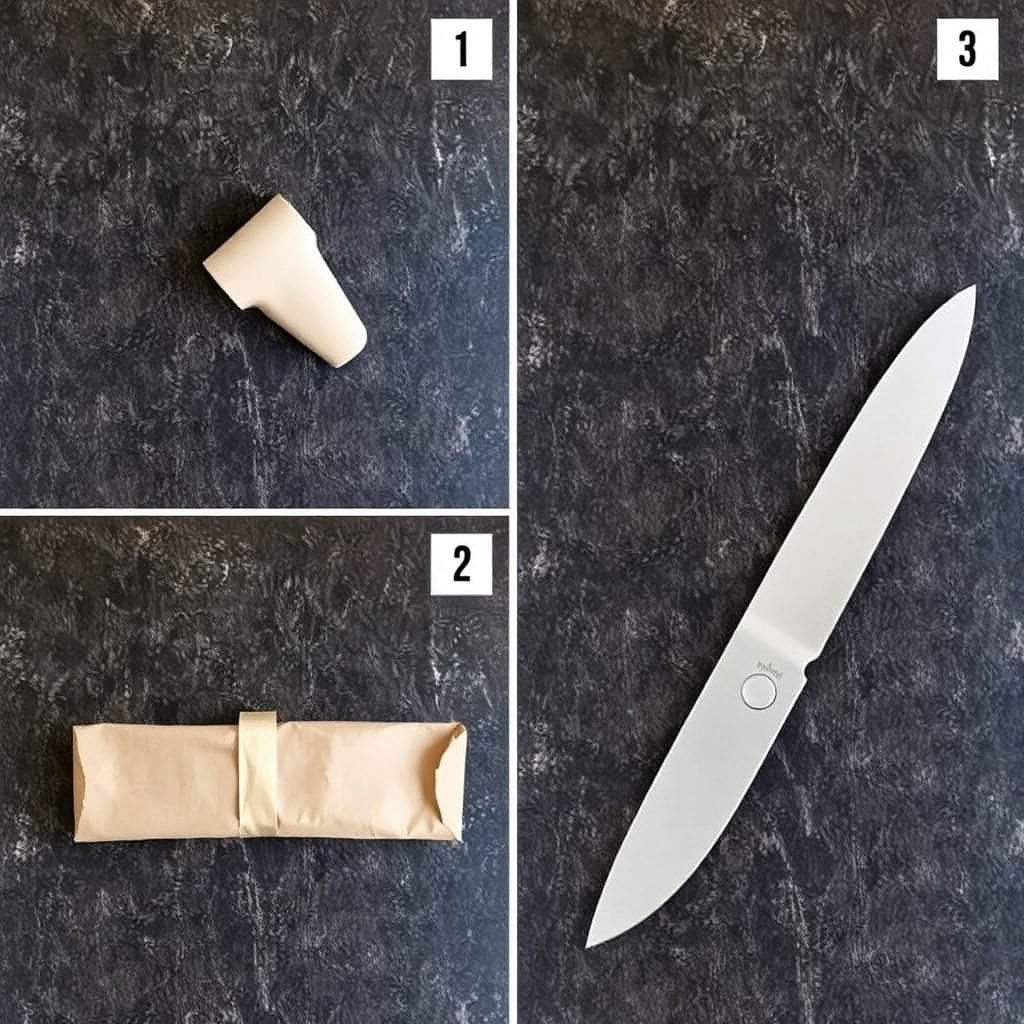
Before disposing of knives in the trash, wrap the blades tightly in thick cardboard or bubble wrap to cover the sharp edges completely. Use strong tape to secure the wrapping so it doesn’t come undone during handling.
This protective barrier prevents accidental cuts and signals to waste workers that the item is sharp and hazardous.
- Use multiple layers of cardboard if needed
- Avoid using thin paper alone for wrapping
- Label the package 'Sharp Object' for added caution
Using Special Disposal Containers
If available, placing kitchen knives in puncture-proof containers such as old plastic detergent bottles or sharps disposal boxes enhances safety during disposal. These containers must be sealed tightly and clearly marked.
This method is especially helpful for larger or specialty knives that need extra protection during waste transport.
- Choose containers with screw-top lids
- Avoid glass jars for disposal containment
- Consider using sharps containers from pharmacies
Kitchen Knife Recycling Options and Requirements
Local Metal Recycling Programs
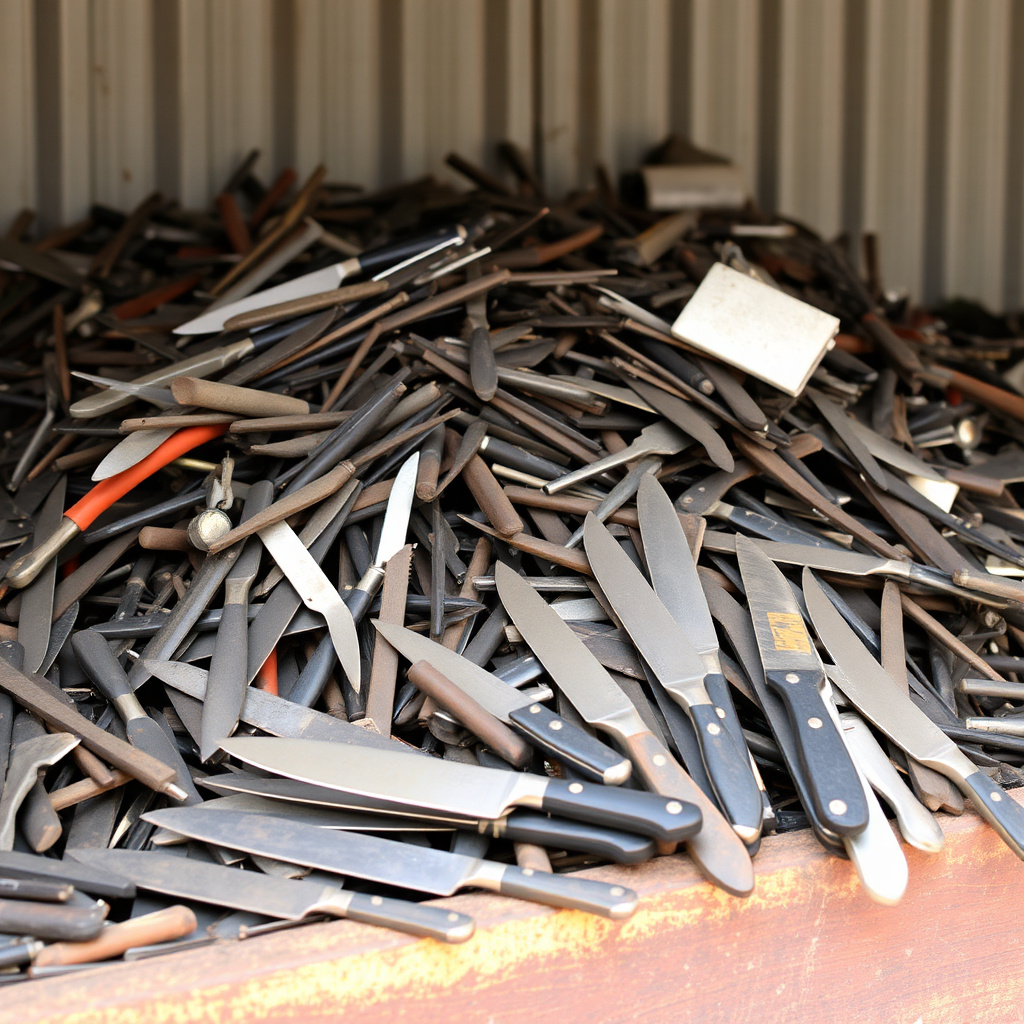
Many metal recycling centers accept kitchen knives as scrap metal. Before dropping off, check with the facility regarding their specific rules, such as whether you need to separate blades or remove handles.
Bringing knives to recycling centers prevents them from ending up in landfills and contributes to metal resource recovery.
- Call ahead to confirm acceptance policies
- Prepare knives by cleaning off food residue
- Separate materials if required by the recycler
Using Kitchen Knife Recycling Options
Some municipalities offer special collection days or hazardous waste drop-offs that include kitchen knives. Utilizing these options ensures knives are processed properly and reduces risks.
Recycling programs focused on kitchen knives might also provide mail-in options or partnerships with local blade manufacturers for reuse.
- Explore community hazardous waste events
- Look for specialized recycling campaigns
- Consider mail-in knife recycling kits
Donation and Repurposing Alternatives

Donating Usable Knives
If your kitchen knives are still usable but unwanted, consider donating them to charities, shelters, or community kitchens. This gives the knives a second life and benefits people in need.
Ensure donated knives are clean and in safe condition to avoid creating hazards for recipients.
- Wipe blades clean before donating
- Check organizations’ acceptance policies
- Package knives securely for transport
Creative Repurposing Ideas
Old knives unsuitable for cooking can sometimes be transformed into garden tools, art projects, or repair implements. Removing blades for crafting or sharpening them for different uses extends their usefulness beyond the kitchen.
Repurposing also reduces waste and can be a satisfying DIY approach.
- Use handles for craft handles
- Sharpen blades for woodworking
- Create garden markers or stakes
Legal and Safety Regulations on Kitchen Knife Disposal

Municipal Guidelines
Local laws may specify how to handle sharp objects, including kitchen knives, in the trash or recycling stream. Some jurisdictions prohibit placing loose blades in regular waste bins without proper wrapping or containment.
Always consult local waste management authorities or websites for the exact disposal rules in your area.
- Follow any sharp object disposal rules
- Comply with community recycling policies
- Use official disposal locations when required
Health and Safety Recommendations
Health agencies recommend extreme caution when disposing of kitchen knives to protect sanitation workers and the public. Proper labeling and containment reduce injury risk and promote safer waste handling.
Ignoring safety recommendations can have legal consequences and create dangerous situations.
- Label all packages with 'Sharp' warnings
- Avoid placing knives in bags with other recyclable materials
- Keep knives out of reach of children until disposal
Handling Specialty and Antique Kitchen Knives
Evaluating Value of Antique Knives
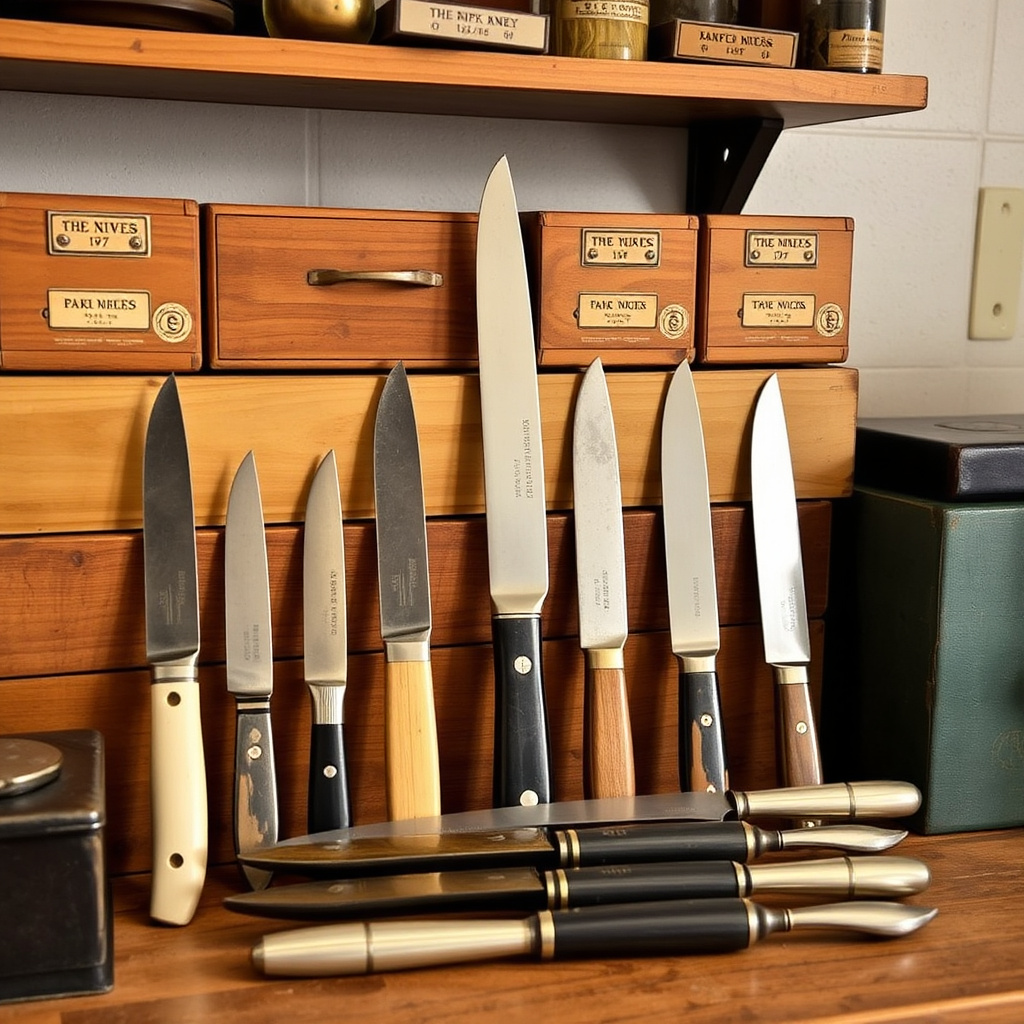
Vintage and specialty kitchen knives may hold collectible or monetary value. Before disposing, research or consult with appraisers to determine if selling or donating these knives is worthwhile.
Such knives are often made with craftsmanship that collectors seek, so they deserve careful consideration.
For a deeper understanding of knife materials and recycling possibilities, the Wikipedia article on knives provides useful information. kitchen knife recycling information.
Safe Disposal of Damaged Special Knives
Broken or heavily damaged specialty knives should be disposed of using the same safety precautions as regular knives, with additional care due to fragility or unusual shapes.
Specialty knives sometimes require disassembling to separate components before recycling or disposal.
- Wrap each piece individually to avoid injury
- Check if components (metal, wood) recycle separately
- Use sturdy containers for transportation
Comparison of Kitchen Knife Disposal Methods
Below is a comparison table highlighting key features, safety, and environmental impact of different kitchen knife disposal methods.
| Disposal Method | Safety Level | Environmental Impact | Ease of Use |
|---|---|---|---|
| Trash Disposal (Wrapped) | Medium | Low (landfill) | Easy |
| Metal Recycling Centers | High | High (resource recovery) | Moderate |
| Donation | High | High (reuse) | Moderate |
| Repurposing | High | High (waste reduction) | Variable |
| Specialty Disposal Services | Very High | High | Moderate |
Frequently Asked Questions
Can I throw kitchen knives directly in the trash?
No, throwing kitchen knives directly in the trash without proper wrapping is dangerous to waste handlers. Always wrap blades securely and label the package before disposal.
Are kitchen knives recyclable?
Yes, most kitchen knives are made from metals that recycling centers accept, but you should verify local recycling guidelines and clean the knives before drop-off.
How should I prepare kitchen knives for recycling?
Clean the knives to remove food residue, separate any non-metal parts if required, and wrap the blades for safe transport to recycling centers.
Can usable kitchen knives be donated?
Certainly, if the knives are in good condition and clean, many organizations accept kitchen knife donations for community use.
What if my kitchen knives are antiques?
Research the value or consider appraising antique knives. You might choose to sell or donate them instead of disposing, especially if they have collectible value.
Key Takeaways
- Always wrap and label kitchen knives before disposal to prevent injuries.
- Recycling kitchen knives helps conserve resources and reduce landfill waste.
- Donation and repurposing offer alternative paths to extend knife life.
- Check local regulations for proper knife disposal methods.
Conclusion
Choosing the right method to dispose of kitchen knives involves balancing safety, environmental impact, and convenience. Immediate trash disposal is risky without careful wrapping, while recycling and donation provide safer, eco-friendlier alternatives. Understanding local regulations and availability of recycling or donation programs helps make an informed choice that protects your community and surroundings.
For those with knives in sound condition, donating to shelter kitchens or community groups extends the useful life of these tools. Recycling metal knives through local scrap centers supports metal recovery and reduces waste. Specialty knives or antiques may merit appraisal or special handling. Repurposing broken blades into garden or craft projects offers creative waste reduction. Overall, recycling and reuse options best meet safety and environmental goals compared to standard trash disposal.
If you have kitchen knives to get rid of, start by locating nearby recycling centers or donation programs, and prepare the knives carefully by wrapping them securely. Label sharp objects to alert handlers and use puncture-proof containers when possible. This practical approach safeguards those handling waste while contributing positively to resource sustainability. Taking these steps ensures disposing of kitchen knives is a responsible task that benefits everyone involved.