How to Organize a Small Kitchen for Maximum Efficiency
How to organize a small kitchen effectively involves prioritizing space-saving techniques, maximizing storage, and creating a layout that streamlines daily tasks. By arranging your kitchen thoughtfully, you can turn even the tightest space into a functional and enjoyable cooking area.
Small kitchens pose unique challenges because every inch counts. Without a clear organization strategy, clutter quickly builds up, making cooking frustrating and inefficient. But with intentional planning, you can keep everything you need within reach and maintain a tidy, welcoming atmosphere.
This article will explore practical ways to organize a small kitchen, including optimizing cabinet storage, choosing the right kitchen tools, and designing layouts that improve movement and usability. You'll find specific tips and ideas to help you get your kitchen both neat and highly functional.
Maximizing Cabinet and Drawer Storage

Using Vertical Space Inside Cabinets
Taking advantage of vertical space inside cabinets is a key step in organizing a small kitchen. Installing tiered shelves or stackable organizers allows you to fit more items without overcrowding. This setup makes pots, pans, and dishware easier to access and puts frequently used items at eye level.
Adding hooks or racks on the inside cabinet doors can hold lightweight items such as measuring cups or pot lids. Such small adjustments multiply your available storage without requiring extra furniture.
- Install adjustable shelving
- Use tension rods for vertical dividers
- Add door-mounted racks
Optimizing Drawer Storage
Drawers can quickly become a disorganized mess, especially in small kitchens. Use drawer dividers or small containers to separate utensils, gadgets, and small kitchen tools to keep everything neat.
Consider installing deep drawers for larger cookware and use liners to prevent slipping. This not only protects your items but also maintains order with less effort.
- Employ drawer dividers
- Group utensils by function
- Use non-slip liners
Smart Countertop and Workspace Organization

Decluttering and Prioritizing Counter Items
Keeping countertops clear maximizes your workspace in a small kitchen. Only essentials like a microwave, toaster, or coffee maker should remain out. Items used infrequently should be stored elsewhere to reduce clutter.
Use stylish containers or trays to group frequently used items such as oils, salt, and utensils. This keeps your workspace tidy and visually appealing.
- Limit countertop appliances
- Use trays to gather small items
- Regularly clear unnecessary items
Creating Efficient Work Zones
Organizing your countertop into specific work zones for prep, cooking, and cleaning can speed up kitchen tasks. Position utensils and ingredients near their most used locations to reduce movement and save time.
Consider adding a small portable island or cart if space allows—it can serve as extra prep space and provide additional storage.
- Define prep, cooking, and cleaning areas
- Keep tools within reach of their zone
- Add rolling carts for more workspace
Utilizing Wall and Ceiling Space

Installing Wall-Mounted Storage
Wall-mounted racks and magnetic strips help free up drawers and cabinets by storing knives, utensils, and cookware overhead or at eye level. This setup is perfect for small kitchen storage solutions where floor and cabinet space are limited.
Pegboards offer customizable storage for frequently used items and can be rearranged as your needs change.
- Use magnetic strips for knives
- Hang pots and pans on wall racks
- Install pegboards for flexible storage
Adding Overhead Pot Racks and Shelves
Ceiling-mounted pot racks provide extra storage without using valuable floor or cabinet areas. They keep bulky pans accessible and add character to your kitchen.
Floating shelves can hold jars, cookbooks, or decorative items, making use of unused vertical space while keeping counters free.
- Suspended pot racks for heavy cookware
- Floating shelves for storage or display
Choosing Multi-Functional Kitchen Appliances and Tools
Selecting Space-Saving Appliances
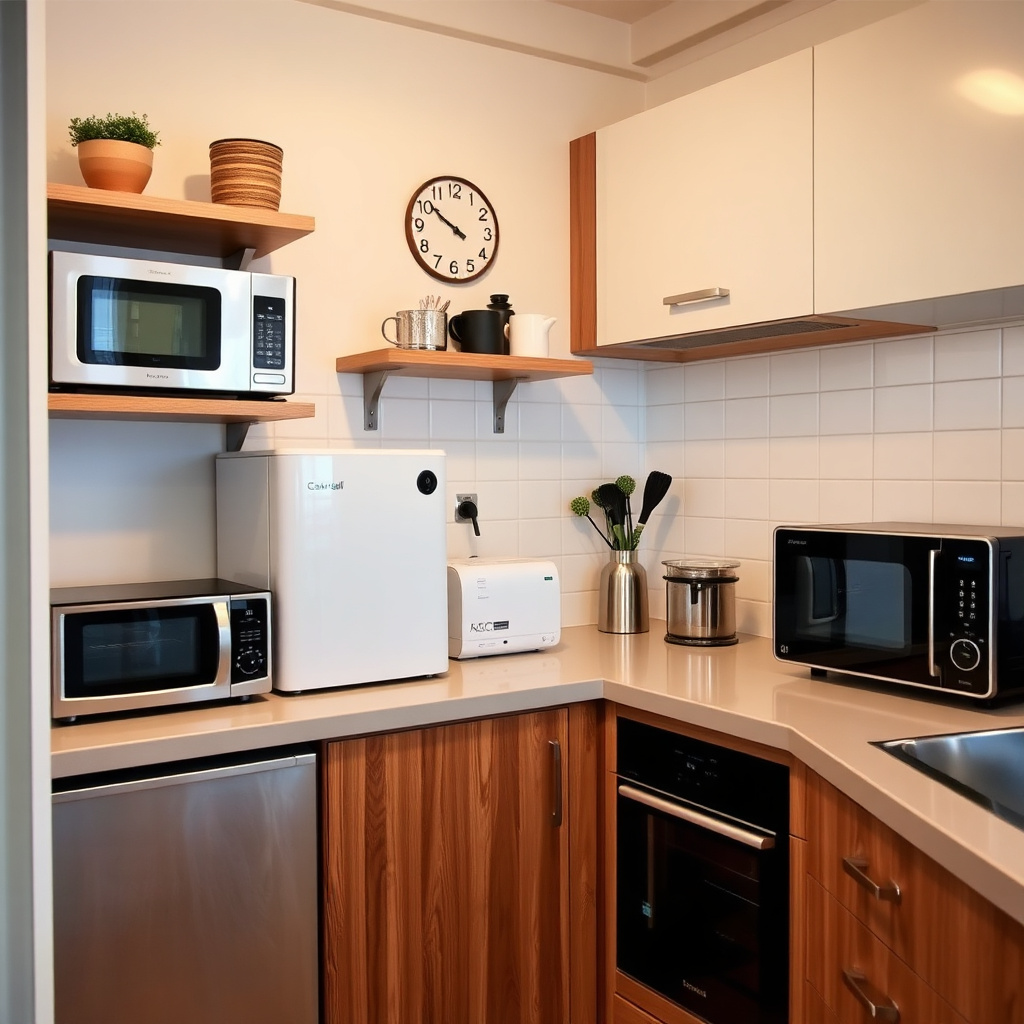
In a small kitchen, appliances that serve multiple purposes reduce the need for extra gadgets. For instance, a multi-cooker can replace a slow cooker, pressure cooker, and rice cooker all in one device.
Look for compact or stackable appliances that fit your kitchen’s dimensions without overwhelming the space.
- Opt for multi-use appliances
- Choose compact, slim models
- Prioritize stackable designs
Investing in Collapsible or Nesting Tools
Collapsible items like measuring cups, bowls, and strainers save drawer space when stored. Nesting sets allow you to keep multiple pieces in one compact group, easing storage challenges in small kitchens.
These tools help reduce clutter and make your kitchen more organized without sacrificing utility.
- Use collapsible measuring tools
- Choose nesting bowls and pans
- Store stacked cookware efficiently
Maintaining Organization and Routine Upkeep
Implementing Regular Decluttering Sessions
Frequent decluttering prevents small kitchens from becoming overwhelming. Set a schedule to review pantry items, expired foods, and duplicate tools, donating or discarding what you no longer need.
Keeping clutter at bay improves your kitchen’s functionality and promotes a calm cooking environment.
- Schedule monthly declutters
- Remove expired or unused items
- Donate duplicates or unused gadgets
For more expert advice and professional standards on kitchen organization, visit the Kitchen organization tips from the National Kitchen & Bath Association. Kitchen organization tips from the National Kitchen & Bath Association.
Labeling and Categorizing Storage
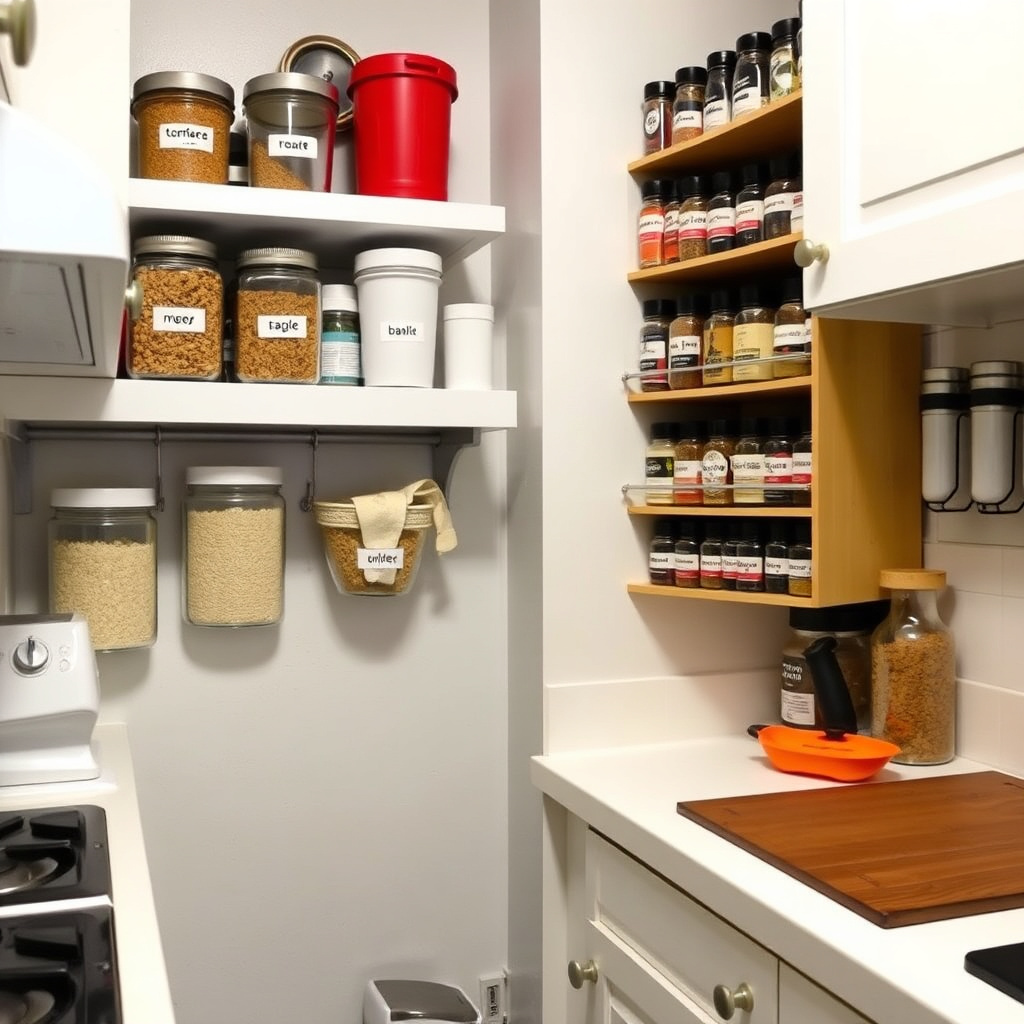
Labels on bins, jars, and drawers make it easy to locate items quickly and maintain organization. Categorize pantry goods by type or cooking use to streamline meal prep.
Clear containers help you see contents at a glance, reducing food waste and redundant purchases.
- Use clear, labeled containers
- Group items by category
- Maintain labels for consistency
Small Kitchen Storage Solutions Category Comparison
Compare popular small kitchen storage categories to find the best fit for your space and needs.
| Category | Space Efficiency | Cost | Ease of Installation | Best Use Case |
|---|---|---|---|---|
| Wall-Mounted Racks | High | Low | Easy | Storing utensils and small pots |
| Pull-Out Cabinet Organizers | Medium | Medium | Moderate | Maximizing cabinet space |
| Overhead Pot Racks | High | Medium | Requires Mounting | Large cookware storage |
| Drawer Dividers | Medium | Low | Easy | Separating utensils and gadgets |
| Floating Shelves | Medium | Low | Easy | Jars and small containers |
Frequently Asked Questions
How can I make my small kitchen feel less cramped?
Use light colors, keep countertops clear, and maximize vertical storage to create a sense of openness in a small kitchen.
What is a good way to organize spices in a small kitchen?
Organize spices in clear jars with labels and use a tiered rack or wall-mounted spice rack to save cabinet space.
Are multi-functional appliances worth it for small kitchens?
Yes, multi-functional appliances save space and reduce clutter by combining several cooking functions into one device.
What storage solutions work best for small kitchen drawers?
Drawer dividers and non-slip liners help keep utensils and tools organized and easy to access in small kitchen drawers.
How often should I declutter my small kitchen?
Regular decluttering every one to two months helps maintain order and prevents buildup of unnecessary items in small kitchens.
Key Takeaways
- Maximize vertical cabinet space with tiered shelves and hooks.
- Keep countertops clear to expand workspace and reduce clutter.
- Utilize wall and ceiling storage like racks and pegboards.
- Choose multi-functional appliances and nesting tools.
Conclusion
When organizing a small kitchen, the key is to thoughtfully use every available inch while keeping the space efficient and accessible. Prioritizing vertical storage and decluttering regularly turns limited square footage into a practical cooking area. A well-planned small kitchen reduces daily frustration and makes meal prep more enjoyable.
For a highly functional setup, focus on categories such as pull-out cabinet organizers and wall-mounted racks which offer excellent space efficiency with moderate cost and installation effort. Multi-functional appliances are particularly helpful, offering multiple uses without taking up more space. Implement drawer dividers and invest in collapsible tools to keep drawers tidy and maximize storage capacity.
Start your small kitchen transformation by assessing your current layout and storage habits. Pick a couple of storage solutions or organizational methods that fit your lifestyle and kitchen design, then build from there. With consistent maintenance and smart organization, you can create a small kitchen that feels both roomy and ready for anything.