How to Measure a Kitchen Sink: A Step-by-Step Guide
Measuring a kitchen sink correctly is essential for selecting the right size replacement or planning a new installation. Begin by determining the length and width of the sink’s outer edges, then measure the depth from the top rim to the bottom of the basin. These three dimensions—length, width, and depth—are the main measurements needed.
Knowing how to measure a kitchen sink helps avoid costly mistakes like ordering the wrong size or encountering installation issues. Since sinks must fit precisely into cutouts or countertops, an accurate measurement ensures smooth installation and functional use. This is especially important for different sink types like undermount, drop-in, or farmhouse styles which have varying installation requirements.
This article will cover the best methods and tools to measure your kitchen sink, essential measurements to note, how to measure for different sink styles, and tips for planning sink installations. By the end, you’ll confidently measure any kitchen sink and understand which dimensions matter most.
Essential Measurements for a Kitchen Sink
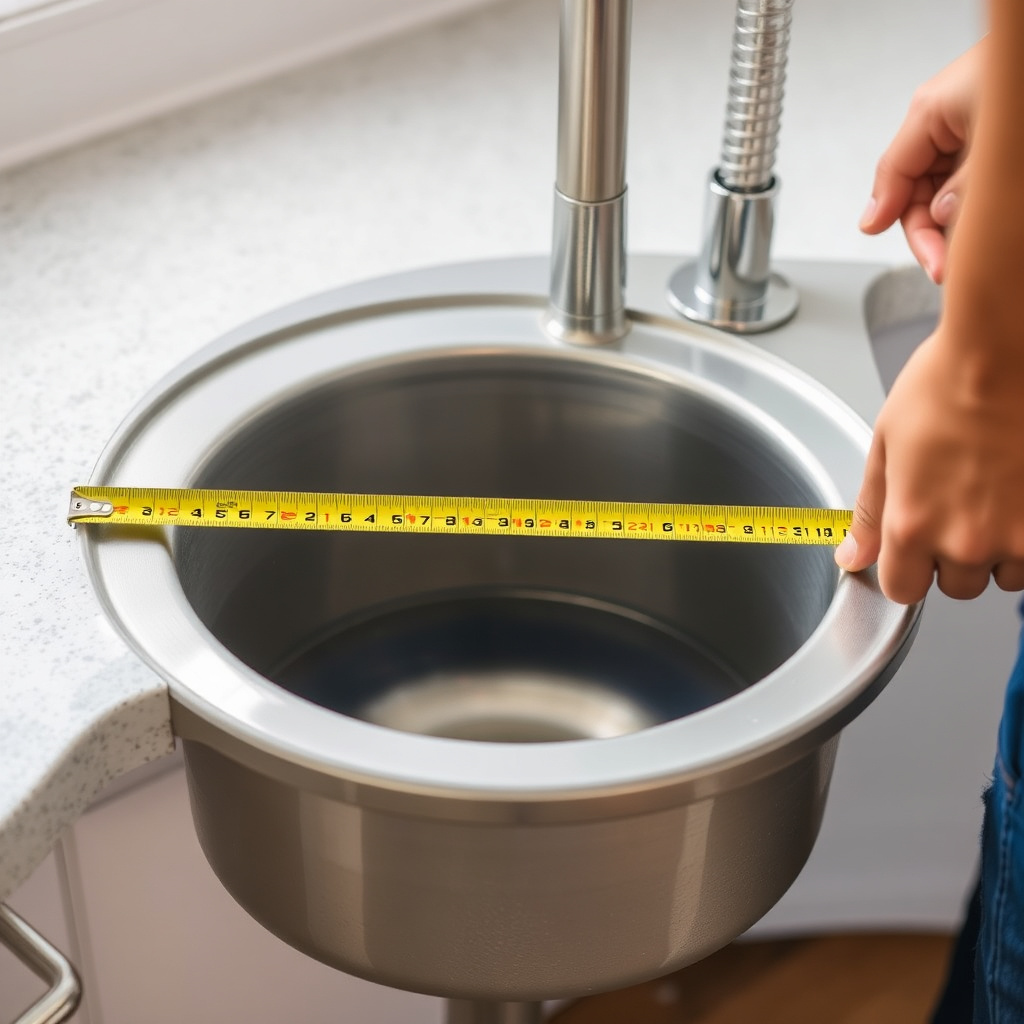
Measuring Length and Width Accurately
Start by measuring the length of your kitchen sink from the outer left edge to the outer right edge. Then measure the width from the front rim to the back rim. Use a flexible tape measure to follow any curves or irregular shapes. Record these two values as the primary reference for fitting the sink into the countertop cutout.
If your sink has a rounded or irregular shape, measure at multiple points to get a clear idea of its size. For standard rectangular sinks, a single measurement along each axis is usually sufficient. Accuracy within 1/8 inch is advised to avoid fit issues.
Measuring Sink Depth and Bowl Dimensions
Sink depth is measured from the top rim down to the drain or deepest point of the basin. This affects capacity and under-counter space. Use a ruler or tape to measure straight down inside the basin. Note the depth of each bowl if the sink has multiple basins.
For multi-bowl sinks, also measure the width and length of each basin separately, as these impact usability and installation. Understanding both bowl and overall sink dimensions clarifies how the sink fits your kitchen needs.
Measuring for Different Kitchen Sink Styles

Measuring an Undermount Sink
Undermount sinks are installed below the countertop surface, so measure the sink’s edge dimensions as well as the countertop cutout area. The cutout should be slightly smaller than the sink rim, allowing for a secure fit underneath.
Measure the depth as usual but also consider the thickness of the countertop material since it affects clearance below. Ensure the sink aligns well with the cabinet’s dimensions to avoid installation challenges.
Measuring a Drop-In or Top-Mount Sink
Drop-in sinks sit on top of the countertop with a visible rim. Measure the outer edges since the rim rests on the countertop surface. Also, measure the size of the cutout required beneath the rim to confirm compatibility.
For drop-in sinks, consider the rim width and how it will cover the countertop edges. This helps confirm the visual and sealing fit, avoiding gaps or overhang.
Using Tools and Tips for Precise Measurements
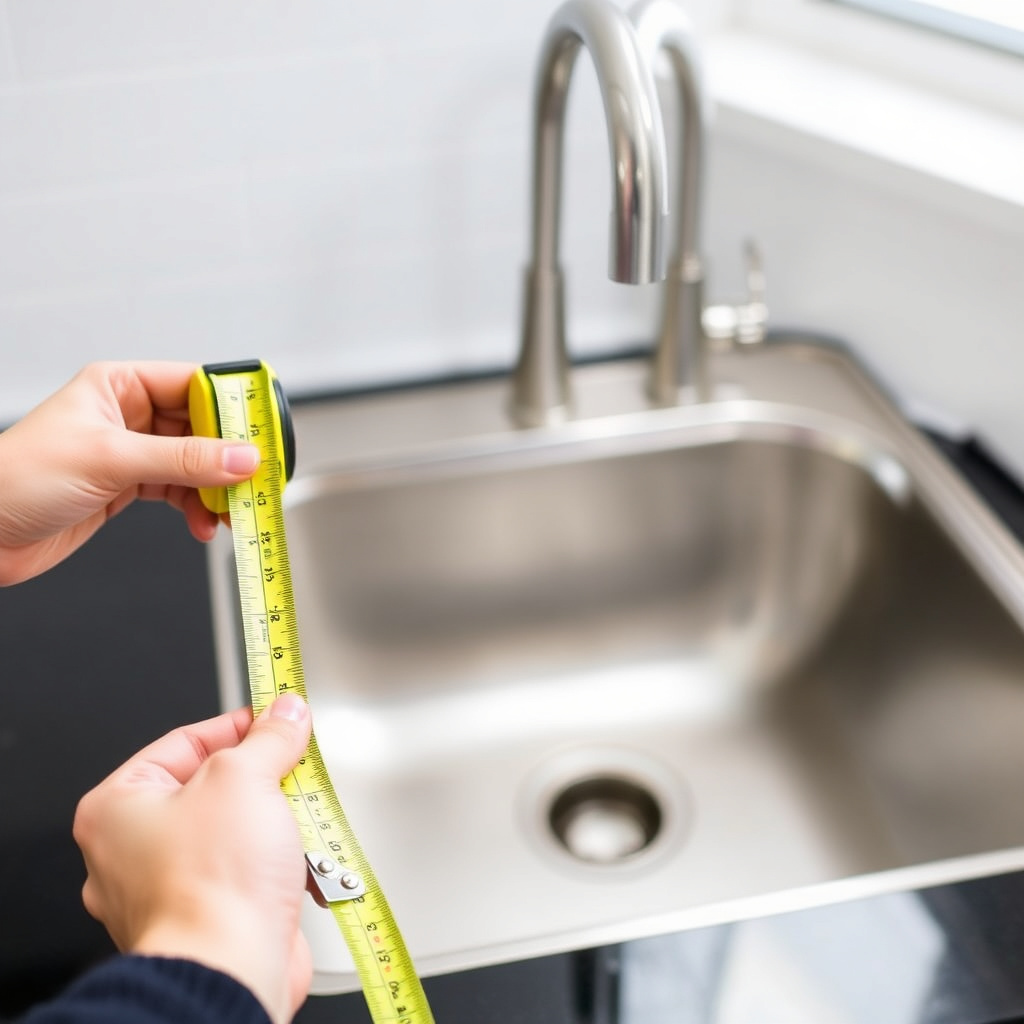
Best Tools for Measuring a Kitchen Sink
A flexible metal tape measure is most practical for measuring length and width, especially on curved edges. For depth, a ruler or a measuring stick can provide an accurate vertical measurement inside the basin.
Digital calipers can also be helpful for small detailed measurements like rim thickness or drain hole size when precise fitting is necessary.
- Flexible metal tape measure
- Ruler or measuring stick
- Digital calipers (optional)
Common Measurement Mistakes to Avoid
Avoid taking measurements without tensing the tape measure; slack can cause inaccurate readings. Always measure to the nearest 1/8 inch as smaller precision is usually unnecessary for sink fittings.
Double-check measurements for uneven or sloping surfaces. Measure multiple times and in different spots if needed to confirm dimensions and ensure a reliable fit.
Measuring Countertop Cutouts for Kitchen Sinks
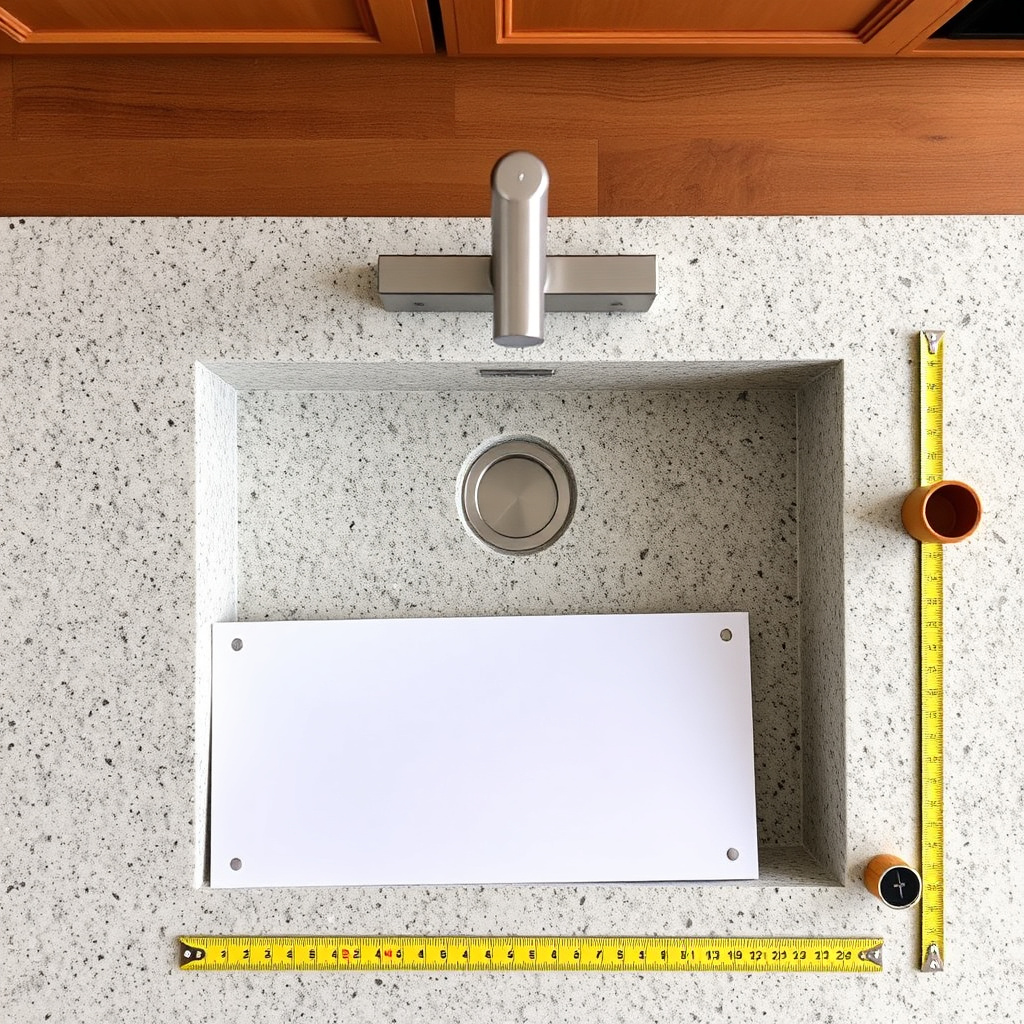
Determining the Cutout Size
The countertop cutout size typically ranges just inside the outer edges of the sink, especially for undermount models. Check the sink’s installation guide for recommended cutout dimensions to measure your countertop accordingly.
If replacing a sink, measure the existing cutout. For new installations, use the sink template or manufacturer’s guide, marking exact cutout dimensions to confirm a snug fit.
Adjusting for Countertop Material Thickness
Thicker countertops like granite or quartz may need additional consideration for cutout edges because of overhang or sealing needs. Measure countertop thickness and how the sink flange or rim aligns with the surface.
Allowance for mounting hardware or silicone caulking thickness should be factored in, so the sink sits flush and water-tight.
Additional Measurements for Sink Accessories
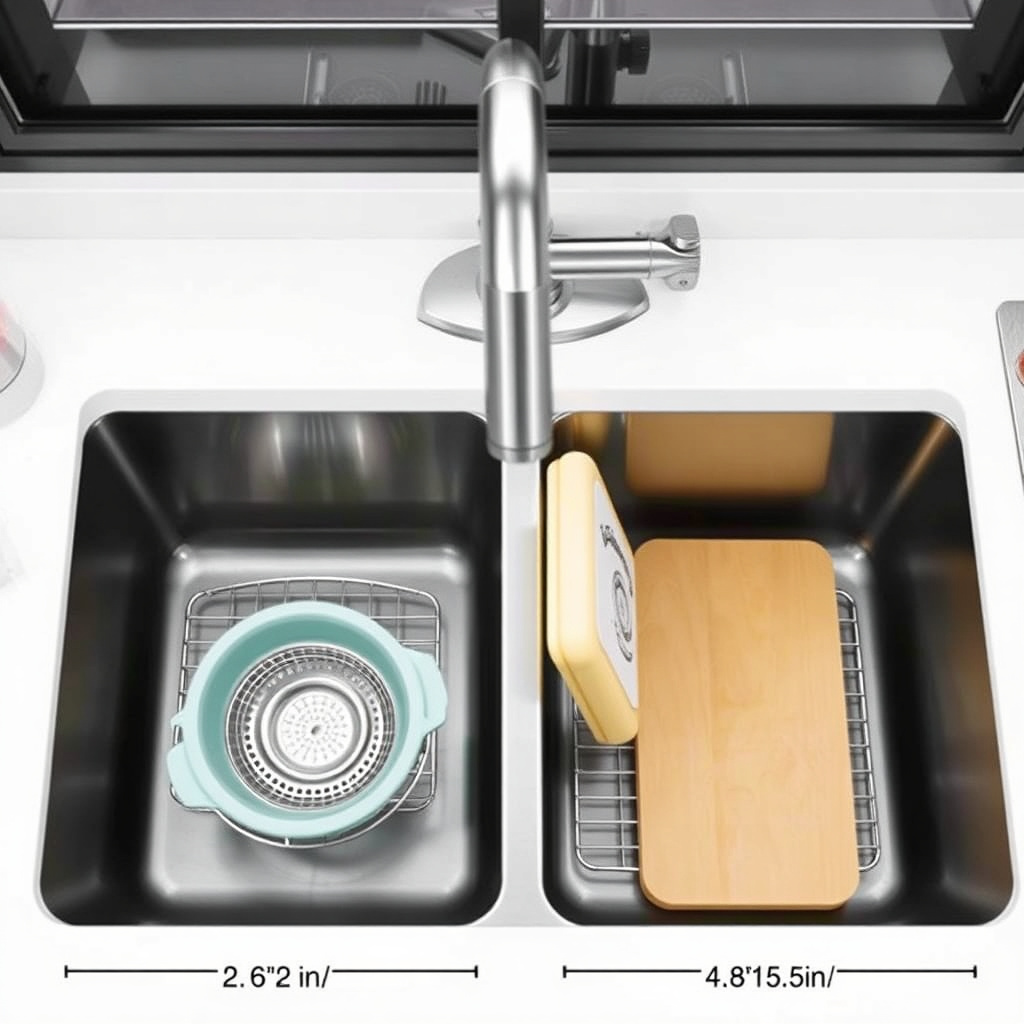
Measuring for Sink Strainers and Drains
Measure the diameter of the sink drain hole to select compatible strainers and garbage disposals. Most standard drains have a 3.5-inch diameter, but verify your specific sink’s dimension.
Note the location of the drain hole relative to the basin’s center and edges to ensure proper plumbing connections and accessory fit.
Fitting Cutting Boards and Racks to Your Sink
Check the internal length and width of your sink basin to find cutting boards or drying racks that fit neatly. Some sinks offer accessory ledges or grooves – measure these areas for added functionality.
Adjust measurement precision if the accessories sit on rim edges or inside dimensions, as this affects compatibility.
Understanding Kitchen Sink Dimensions for Replacement
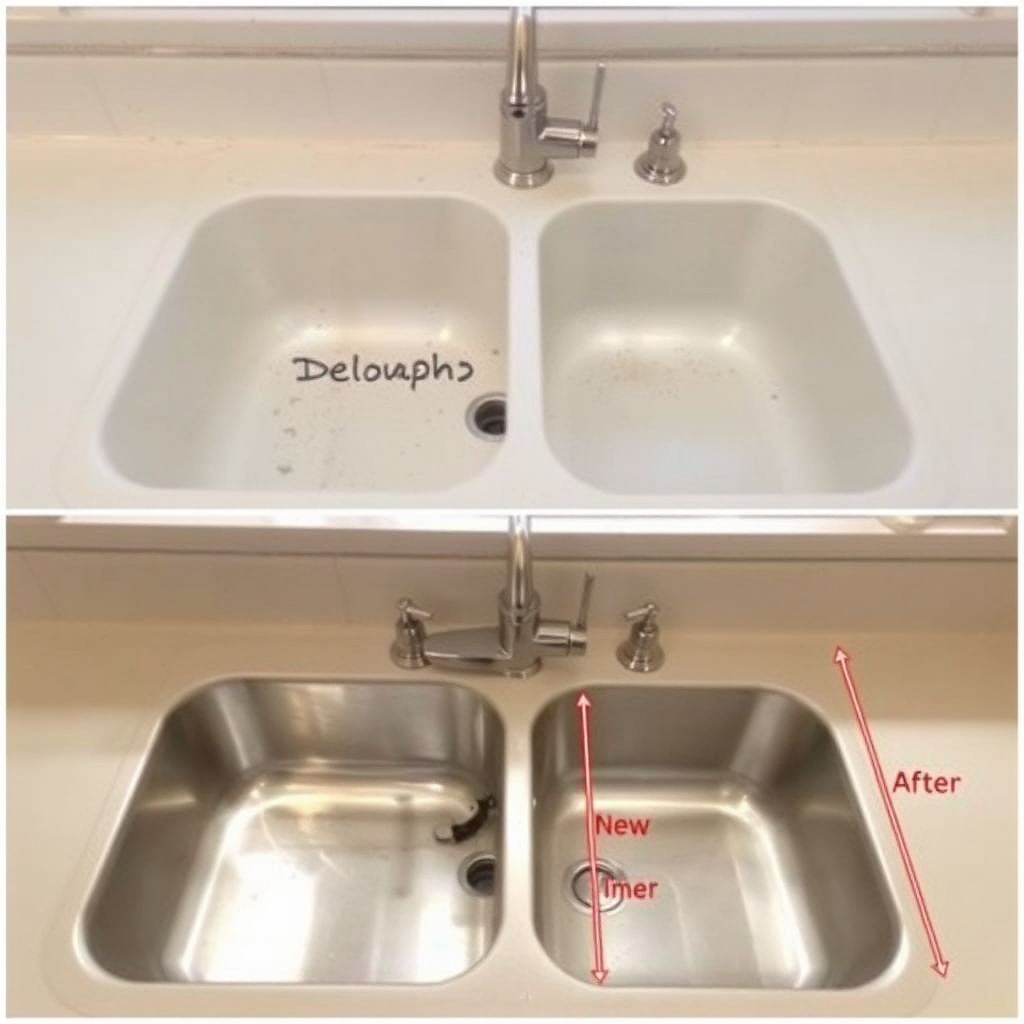
Matching Existing Sink Size for Replacement
For replacement projects, your kitchen sink dimensions must closely match your current sink’s length, width, and depth to fit existing cutouts and plumbing. Minor variances may require countertop modifications or plumbing adjustments.
Take detailed measurements of both the existing sink and countertop cutout before purchasing a new sink, ensuring a smooth transition without remodeling.
For further reading on kitchen sink types and history, visit the Kitchen sink article on Wikipedia. Kitchen sink article on Wikipedia.
Considering Kitchen Sink Dimensions for Upgrades
If upgrading to a larger or differently styled sink, measure your cabinet interior and countertop space to confirm accommodation. Remember that deeper or wider sinks may impact cabinet storage or under-sink plumbing layout.
Also review your kitchen workflow and choose dimensions that enhance usability and fit your cooking habits comfortably.
Kitchen Sink Dimension Categories Comparison
This table compares common kitchen sink size categories by typical length, width, and depth, helping you choose based on available space and needs.
| Sink Category | Typical Length (inches) | Typical Width (inches) | Typical Depth (inches) |
|---|---|---|---|
| Compact | 15-20 | 15-18 | 6-7 |
| Standard | 22-33 | 18-22 | 8-10 |
| Large/Double Basin | 33-36 | 22-24 | 9-10 |
| Farmhouse/Apron Front | 30-36 | 20-24 | 9-10 |
| Commercial Style | 36-48 | 22-30 | 10-12 |
Frequently Asked Questions
How do I measure the depth of my kitchen sink?
Measure from the top rim straight down to the deepest point inside the sink basin using a ruler or tape measure, making sure it’s vertical for an accurate depth.
What tools do I need to measure my kitchen sink correctly?
A flexible metal tape measure works best for length and width, while a ruler or measuring stick helps with depth measurements. Digital calipers can assist for smaller details.
Can I use the same measurements for undermount and drop-in sinks?
No, undermount sinks require measuring the cutout slightly smaller than the rim, while drop-in sinks need the outer rim dimensions since they rest on the countertop.
How precise do measurements need to be for sink replacement?
Measurements should be accurate within 1/8 inch to avoid fitting issues. Small discrepancies can cause installation problems or require countertop modifications.
Should I measure each basin separately in a double sink?
Yes, measuring each basin’s length, width, and depth separately is important for understanding usability and planning accessories or plumbing.
Key Takeaways
- Measure the outer length, width, and basin depth to capture core kitchen sink dimensions.
- Different sink styles require specific measurement approaches for cutouts and installation.
- Use flexible tape measures and rulers to achieve accurate measurements within 1/8 inch.
- Consider cutout size, countertop thickness, and accessories when planning a kitchen sink measurement.
Conclusion
Measuring a kitchen sink involves capturing three fundamental dimensions: length, width, and depth. These measurements ensure that the sink fits properly within your kitchen space and matches countertop cutouts, plumbing, and installation style. Taking care to measure accurately, especially around irregular shapes and multiple basins, prevents costly errors during replacement or new sink installation. Being methodical with tools and measurement points leads to a confident choice that integrates smoothly with your kitchen design.
Depending on your kitchen layout and sink style—whether undermount, drop-in, farmhouse, or double basin—the measurement process adjusts slightly. For example, undermount sinks require precise cutout measurements, while drop-in sinks emphasize rim dimensions. Matching existing sink dimensions is critical when replacing, whereas choosing a larger or differently shaped sink means assessing cabinetry and countertop space carefully. Accurate kitchen sink dimensions make upgrades or replacements manageable without surprises.
To begin measuring your kitchen sink, gather a flexible tape measure and a ruler, then record the outer length, width, and basin depth. For additional precision, measure bowl sizes individually and note drain diameters if fitting strainers or disposals. Confirm these dimensions against recommended cutout sizes and your kitchen’s design needs before ordering a sink. This preparation helps you select the ideal sink that fits perfectly, functions well, and complements your kitchen environment.