How to Clean Kitchen Cabinets Grease: Effective Methods That Work
Cleaning grease from kitchen cabinets is simplest when you use the right approach and materials. Start by wiping down the cabinets with warm, soapy water to remove fresh grime. For persistent grease, apply a mixture of vinegar and water or a commercial grease remover to break down the buildup efficiently.
Greasy kitchen cabinets not only look unappealing but also harbor bacteria and affect your kitchen’s hygiene. Over time, cooking oils and food splatters create layers that are tougher to clean if left unattended. Understanding which cleaning solutions are safe for your cabinet materials helps avoid damage while achieving a spotless finish.
This article covers the best strategies for removing grease from different types of kitchen cabinetry, from wood to laminate. You'll discover step-by-step methods, recommended cleaning agents including homemade and commercial options, plus tips for maintaining your cabinets to keep them grease-free longer.
Understanding Kitchen Cabinet Grease and Its Sources
Why Grease Accumulates on Kitchen Cabinets
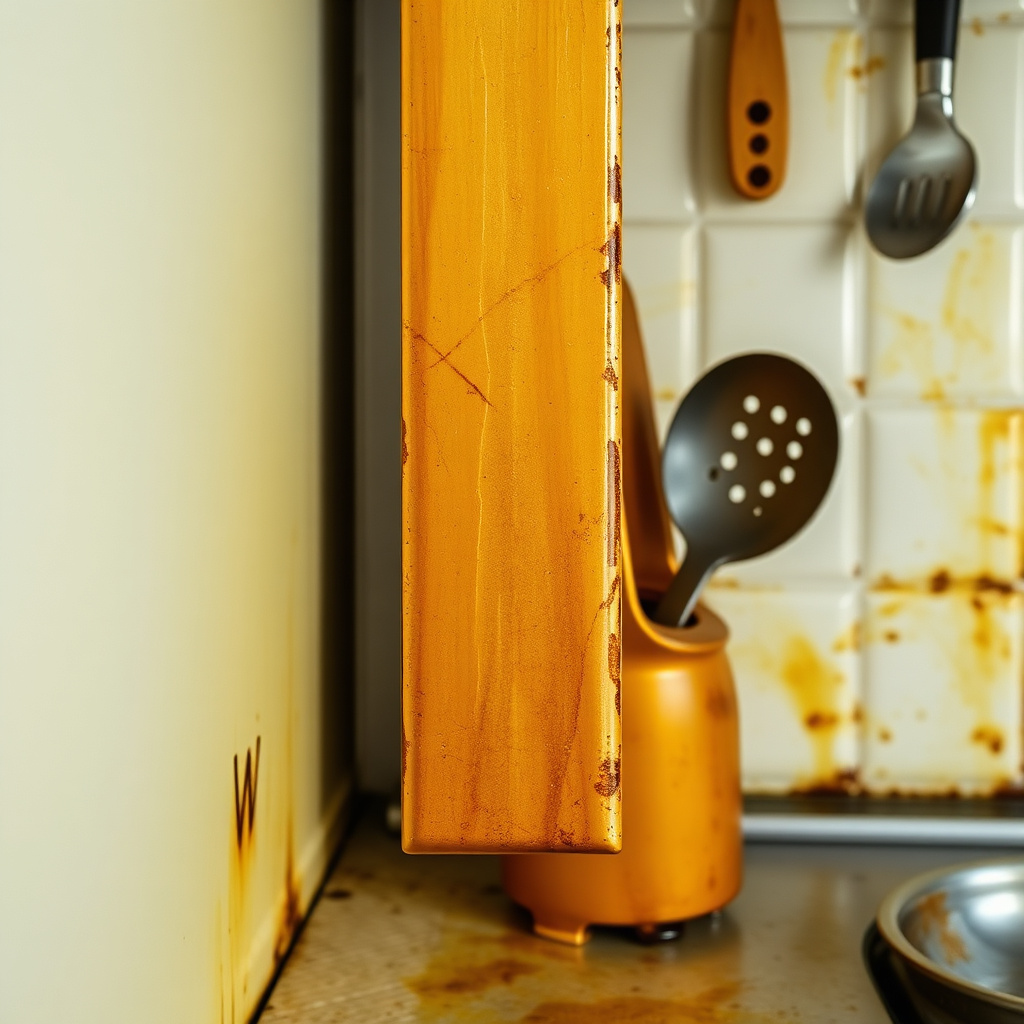
Grease builds up on kitchen cabinets from airborne cooking oils, steam, and splatters during frying and sautéing. These oily residues stick especially near stoves and countertops where ventilation is insufficient. Over time, grease forms a sticky layer that attracts dust and dirt, making surfaces look dull and grimy.
Ignoring grease can lead to discoloration and prolonged dirt adhesion that not only affects aesthetics but also can compromise finishes on wood or painted cabinets. Understanding this helps you proactively clean areas prone to grease deposits for easier maintenance.
Types of Grease and Their Impact on Different Cabinet Materials
Vegetable oil-based grease from cooking is common and can polymerize under heat, creating a stubborn residue. Animal fats from frying are thicker and more tenacious. These types require different cleaning approaches depending on cabinet surface—sealed wood, laminate, or painted finishes all react differently to cleaning agents.
Using inappropriate cleaners risks damaging sensitive materials. For instance, harsh solvents may strip paint or remove sealant layers from wood. Knowing your cabinet material helps select the right grease remover that cleans effectively without causing surface harm.
Effective Cleaning Solutions for Removing Cabinet Grease

Homemade Grease Cleaners That Work Wonders
Simple household items like white vinegar, baking soda, and dish soap can break down grease effectively. A solution of equal parts vinegar and water sprayed onto grime softens the buildup, while a paste of baking soda and water acts as a gentle abrasive to scrub away residues without scratching surfaces.
Mixing a few drops of dish soap into warm water creates an accessible grease-cutting solution safe for most finishes. Applying with a soft cloth or sponge and rinsing thoroughly prevents film buildup. These eco-friendly mixtures are budget-friendly and chemical-free alternatives for routine cleaning.
- White vinegar and water solution
- Baking soda paste
- Warm soapy water with mild dish detergent
Commercial Products for Tough Grease Removal
For persistent grease, commercial kitchen degreasers or specialty grease removers designed for cabinets provide more powerful results. These often contain surfactants and solvents formulated to dissolve heavy oily deposits quickly. Always choose products compatible with your cabinet’s material to avoid damage.
Many popular brands offer ready-to-use sprays or wipes that speed up cleaning. Be sure to follow manufacturer instructions carefully and test in an inconspicuous area. Well-known grease removers can restore cabinet surfaces’ original finish, especially in kitchens with heavy cooking traffic.
- Kitchen degreaser sprays
- Multi-surface grease remover wipes
- Solvent-based cleaning solutions
Step-by-Step Process for Cleaning Greasy Kitchen Cabinets
Preparation and Surface Protection
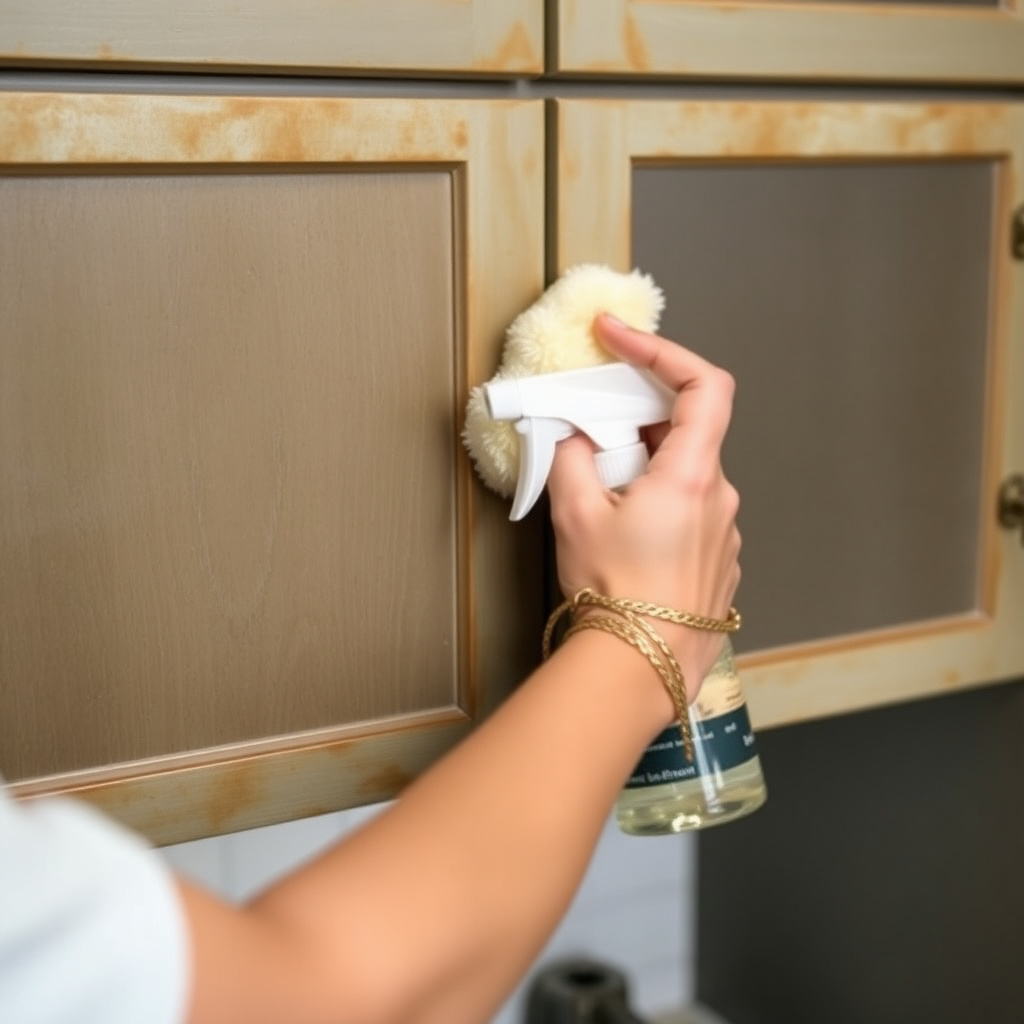
Before applying any cleaner, remove all items from cabinet surfaces and cover nearby countertops. Use painter’s tape or cloths to protect adjacent walls and hardware if necessary. Opening windows or turning on exhaust fans helps ventilate fumes from cleaning agents.
Wear gloves to avoid skin irritation from chemicals or scrubbing. Testing your chosen cleaner on a small, hidden spot ensures it won’t discolor or harm cabinet finishes. Proper preparation makes the cleaning process more effective and safe.
- Remove cabinet contents
- Protect nearby surfaces
- Ventilate the area
- Wear gloves and test cleaner
Cleaning Techniques for Different Cabinet Surfaces
Use a soft cloth to apply homemade or commercial cleaners, starting with less aggressive solutions on painted or wood cabinets. Gently scrub stubborn spots in circular motions without saturating the surface. For laminate, slightly firmer scrubbing is safe as long as abrasive materials are avoided.
Rinse with a damp cloth to remove any residue and dry thoroughly. Repeating the process may be necessary for heavy grease. Regular maintenance wipes help prevent buildup from returning.
Maintaining Clean Kitchen Cabinets to Prevent Grease Buildup

Daily and Weekly Cleaning Routines
Immediately wiping splatters during cooking is the most effective way to control grease. Use a damp microfiber cloth to remove fresh oils before they dry. Weekly, perform a more thorough cleaning with mild soap and water or a gentle vinegar spray to keep surfaces fresh.
Consistent attention prevents the formation of thick grease layers that are harder to remove later. Establishing a quick post-cooking wipe habit can drastically reduce buildup.
- Wipe splatters after cooking
- Weekly mild cleaning routine
- Use microfiber cloths
Improving Kitchen Ventilation and Layout
Poor ventilation traps steam and cooking oils on cabinet surfaces. Installing or upgrading range hoods with suitable extraction power helps remove airborne grease particles. Positioning cabinets at a distance from stove edges also reduces direct splatter exposure.
Regularly cleaning filters and ducts in ventilation systems maintains efficiency. These measures lower grease accumulation, extending the time between intensive cleanings.
- Install effective range hood
- Position cabinets away from stove
- Clean ventilation filters regularly
Special Considerations for Wood and Painted Cabinets
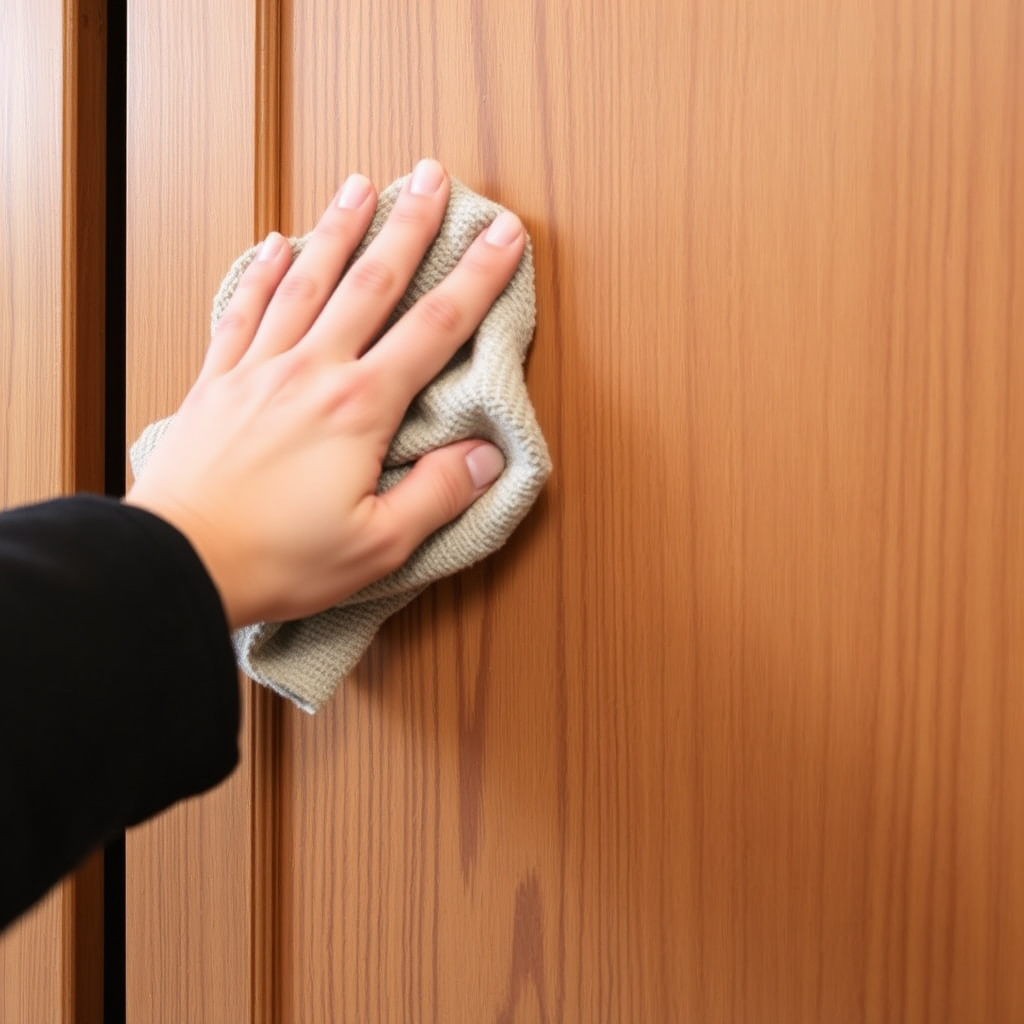
Protecting Wood Cabinets During Cleaning
Wood cabinets can scratch or warp if exposed to excess moisture or harsh chemicals. Use cleaning solutions sparingly and always dry surfaces quickly. Avoid abrasive scrubbers or strong solvents. A mixture of warm water and mild soap applied with a soft cloth is usually safest.
After cleaning, applying a quality wood polish or conditioner restores shine and provides a protective barrier against future grease deposits. Regular gentle care keeps wood cabinetry looking vibrant longer.
- Use minimal water
- Avoid abrasive tools
- Apply wood polish after cleaning
Safely Cleaning Painted Cabinets Without Damage
Painted cabinets are prone to chipping or finish dulling from strong cleaners. Mild soap combined with water or diluted vinegar solutions work well. Test spray cleaners like commercial degreasers on an inconspicuous area first to confirm compatibility.
Avoid scrubbing too hard to prevent peeling paint. Regular dusting and prompt attention to spills help maintain painted surfaces with minimal fuss.
Choosing the Best Grease Remover for Your Kitchen Cabinets

Natural vs. Chemical Grease Removers
Natural removers like vinegar, lemon juice, and baking soda provide safer alternatives for sensitive surfaces and people preferring green cleaning. They break down grease through mild acidity or gentle abrasiveness but may require more elbow grease for thick buildup.
Chemical grease removers offer faster action on tough grime but can contain harsher ingredients. Selecting eco-friendly formulas with low toxicity helps minimize health and environmental risks.
For further reading on kitchen cabinetry materials and care, consult this detailed resource on kitchen cabinets. Kitchen cabinet maintenance information.
Factors to Consider When Buying Commercial Products
Check the product label for material compatibility and absence of harmful solvents that could damage cabinet finishes. Ease of use, such as spray or wipe form, and residue-free results are valuable features.
Customer reviews and brand reputation provide insights into effectiveness and safety. Aim for a balance between strong degreasing power and gentle formulation to protect your cabinets while cutting through grease.
- Material compatibility
- Formulation safety
- User-friendly application
- Positive customer feedback
Comparison of Common Kitchen Cabinet Grease Removal Methods
This table summarizes key characteristics of popular grease removal strategies for kitchen cabinets, helping you decide which fits your needs best.
| Method | Effectiveness on Heavy Grease | Safety for Wood Cabinets | Eco-Friendliness | Ease of Use |
|---|---|---|---|---|
| Vinegar and Water Solution | Moderate | High | High | Easy |
| Baking Soda Paste | Moderate | High | High | Moderate |
| Mild Dish Soap and Warm Water | Good | High | High | Easy |
| Commercial Degreaser Spray | High | Medium | Low to Medium | Very Easy |
| Solvent-Based Cleaner | Very High | Low | Low | Moderate |
Frequently Asked Questions
Can I use vinegar to clean all types of kitchen cabinets?
Vinegar is safe for most sealed wood, laminate, and painted cabinets when diluted with water. However, test first on a small hidden area to prevent any discoloration or finish damage.
How often should I clean grease off my kitchen cabinets?
Wiping cabinets weekly with mild cleaners and immediately cleaning up cooking splatters helps prevent heavy grease buildup and keeps surfaces shiny longer.
Are commercial grease removers safe for painted cabinets?
Some commercial grease removers are safe for painted surfaces, but always check the label for compatibility and test a small area first to avoid peeling or dulling the paint.
What is the best way to protect wood cabinets after cleaning grease?
After cleaning, applying a quality wood polish or conditioner forms a protective layer, enhances appearance, and makes grease less likely to stick.
Can I use abrasive sponges to scrub grease off cabinets?
Avoid abrasive sponges on all cabinet types, especially wood and painted finishes, as they can scratch or damage the surface; use soft cloths or non-abrasive sponges instead.
Key Takeaways
- Use mild homemade solutions or compatible commercial removers tailored to your cabinet material.
- Prepare the cabinet surface and test cleaners before applying broadly.
- Regular cleaning prevents hard-to-remove grease buildup and extends cabinet lifespan.
- Protect delicate wood and painted surfaces by avoiding harsh chemicals and abrasives.
Conclusion
Cleaning kitchen cabinets grease effectively demands attention to both the type of grease and the cabinet material involved. By selecting the appropriate cleaning agents—ranging from gentle homemade mixtures to stronger commercial products—and applying careful techniques, you can restore your cabinets’ appearance without risking damage. Recognizing the source and behavior of kitchen grease helps target problem areas for more efficient cleaning, while keeping ongoing maintenance manageable.
For routine upkeep, mild dish soap with warm water or a vinegar water solution often suffices, especially for sealed wood and laminate cabinets. When grease layers become thick and resistant, commercial degreasers offer a faster solution, but ensure you choose one labeled safe for your cabinet finish. Wood cabinets particularly benefit from gentle cleaning followed by polishing to maintain their finish. Establishing simple habits like wiping splatters promptly and improving kitchen ventilation significantly reduces grease accumulation and eases cleaning efforts in the long term.
Ultimately, the best next step is to assess your kitchen cabinet materials and grease level, then select a cleaning method that balances effectiveness with surface protection. Begin with a mild cleaner and escalate only as necessary, always testing in discreet spots to avoid surprises. With a little care, your kitchen cabinets can stay free from grease and looking great even after frequent cooking.