How to Measure Kitchen Sink: A Step-by-Step Guide for Perfect Fit
Measuring your kitchen sink correctly is essential to guarantee a perfect fit and hassle-free installation. Start by measuring the width, length, and depth of the current sink or the space allocated for the new sink. Be sure to include the rim or lip if your sink is drop-in style, and account for any faucet or accessory holes that may affect placement.
Understanding how to measure kitchen sink dimensions properly helps prevent ordering the wrong size, which can lead to costly modifications or installation headaches. Kitchen sinks come in various shapes and sizes designed for different countertop styles and plumbing configurations. Accurate measurements make it easier to select a sink that functions well and complements your kitchen layout.
This guide explains how to take these critical measurements precisely, including tips for different sink types such as undermount, drop-in, and farmhouse styles. It also covers key factors like basin size, depth preferences, and how to measure for multiple bowls. By following the steps outlined, you’ll be confident in choosing the best kitchen sink dimensions for your space.
Measuring the Sink Opening and Countertop Space

How to Measure the Sink Cutout
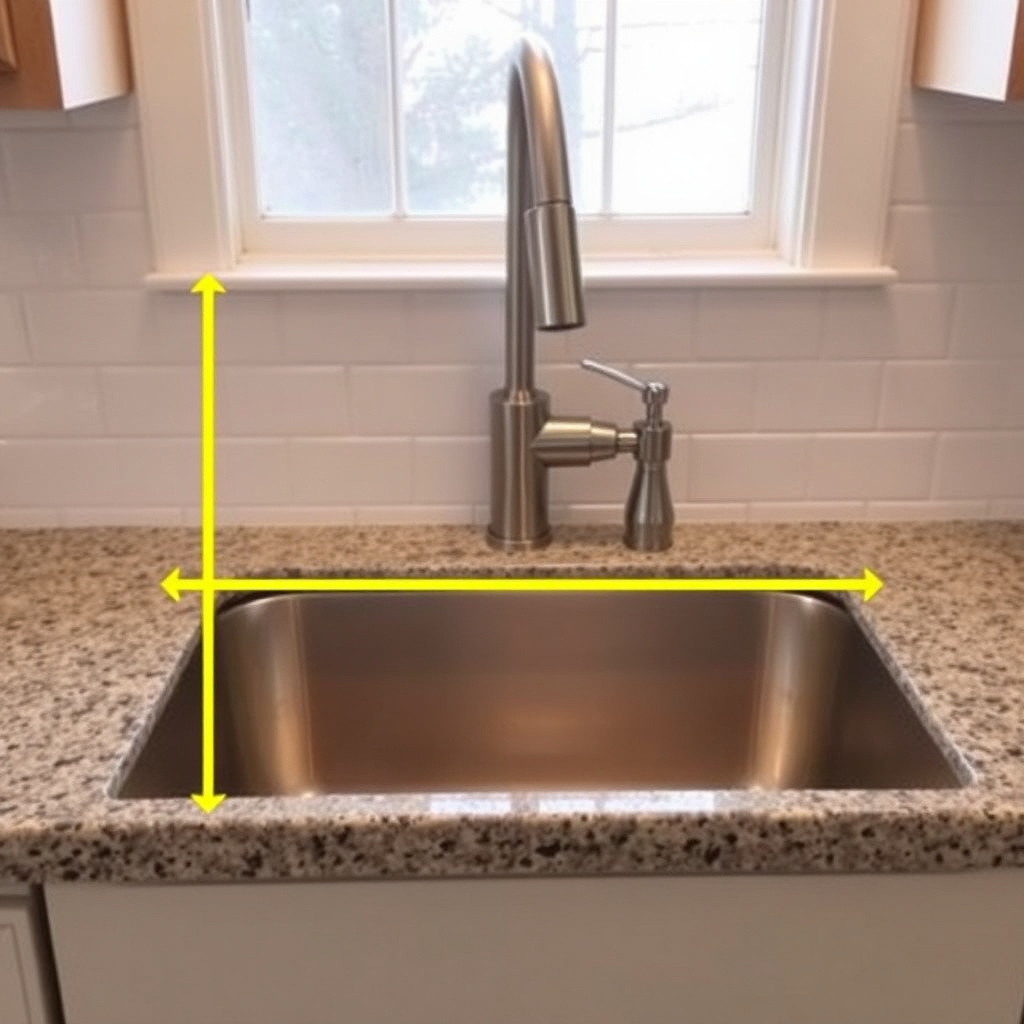
To measure the sink cutout, start by locating the existing hole or the planned space on your countertop. Use a flexible tape measure to record the length and width from edge to edge of the opening. Write down the measurements in inches to the nearest fraction for accuracy.
If there is no existing cutout, measure the countertop area where you want the sink installed, leaving room for faucet holes and mounting brackets. Remember that undermount sinks require smaller or no lip on the cutout, so those dimensions differ slightly from drop-in types.
Checking Countertop Thickness and Surrounding Space
Measure the thickness of your countertop using a caliper or ruler, as sink compatibility can depend on how thick the material is. This is important especially for undermount sinks which require mounting hardware suitable for the thickness.
Also measure the space behind the sink for faucets, soap dispensers, or sprayers. Confirm there’s enough clearance on the countertop backsplash or wall to accommodate these accessories without interfering with cabinets or windows.
Measuring Sink Bowl Dimensions and Depth
Determining the Basin Size
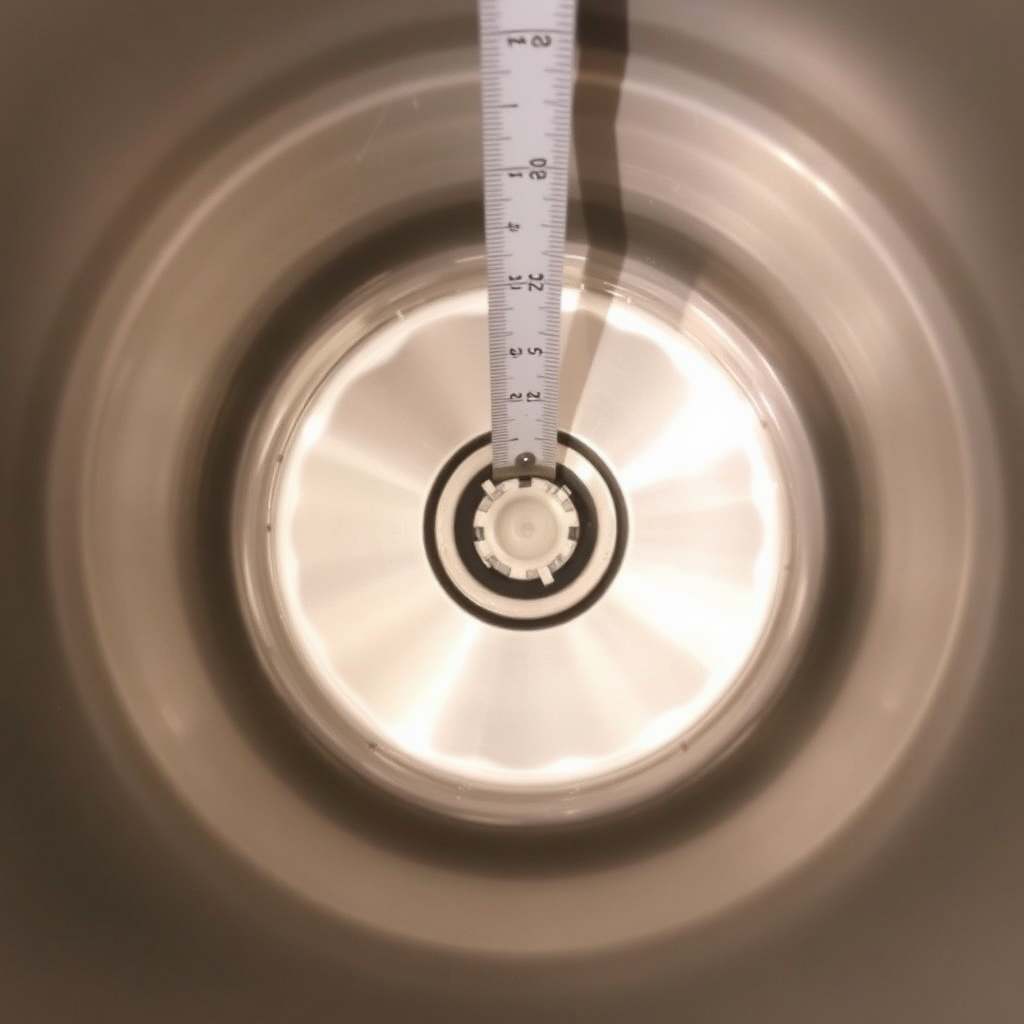
The basin size refers to the internal dimensions of the sink bowl, excluding any lips or rims. Use a tape measure to record width and length inside the basin at the widest points. This tells you how much usable space you have inside the sink for washing dishes and other tasks.
When measuring double or triple bowl sinks, measure each bowl individually. Some sinks have bowls of different sizes, so note each basin separately for comparison during replacement.
- Note width and length inside basin
- Measure all bowls separately if multiple
Measuring Sink Depth
Sink depth is the vertical distance from the bottom of the basin to the top edge of the sink. A deeper sink can hold more water and may be better for heavy-duty kitchen tasks, but check how much space you have under the countertop to accommodate this depth.
Use a ruler or tape measure and place one end at the bottom of the sink, then measure straight up to the rim or top edge. Record the depth along with the basin length and width.
- Measure from basin bottom to rim
- Ensure enough cabinet clearance below
Measuring for Accessories and Additional Features
Faucet and Faucet Hole Measurements
If you’re replacing or upgrading your kitchen sink, measure the number and spacing of faucet holes accurately. The distance between holes affects the faucet type you can install. Typical configurations are one to four holes spaced evenly along the sink’s rear rim.
Use a tape measure to gauge center-to-center distance between holes and measure hole diameters if you plan to retain existing fixtures or purchase compatible accessories.
- Number of faucet holes
- Spacing between holes
- Hole diameter
Measuring for Soap Dispensers and Other Accessories
Beyond faucets, some sinks have dedicated holes or extra space for soap dispensers, air gaps, filtered water taps, or sprayers. Take measurements of these hole locations and sizes to ensure any new sink or countertop accommodates your preferred accessories.
If your kitchen setup includes these extras, measure their positions relative to the main sink bowl and consider how the new sink design can fit or improve upon current arrangements.
Special Considerations for Different Sink Types
Measuring Drop-In and Top-Mount Sinks
Drop-in or top-mount sinks have a rim that rests on the countertop surface. When measuring, include the width and length of the rim to ensure the sink fits the countertop hole and covers it completely without gaps.
Keep in mind that these sinks require a slightly larger cutout hole than the basin size. Double-check the manufacturer’s specifications for the exact cutout dimensions needed based on your sink choice.
Measuring Undermount and Farmhouse Sinks
Undermount sinks are installed below the countertop, so their measurements focus more on basin size and exact cutout dimensions rather than rim width. Measure the cutout for the countertop precisely since the sink’s rim isn’t visible once installed.
Farmhouse sinks, with their extended front apron, need measurements of both the cutout and the exposed front face. Ensure cabinet fronts and supports can handle the size and weight of the farmhouse sink model you want.
Practical Tips for Accurate Kitchen Sink Measurement

Using the Right Tools for Measurement
Use a flexible tape measure for most dimensions but have a rigid ruler or caliper for smaller details like hole diameters. A spirit level can help verify flat surfaces when measuring the cutout area to avoid uneven sink placement.
Take multiple measurements for accuracy, noting any variance and averaging where needed to accommodate minor irregularities in your countertop or cabinetry.
- Flexible tape measure
- Caliper for holes
- Spirit level
Recording and Organizing Your Measurements
Write down all measurements clearly, labeling each dimension to avoid confusion during your sink shopping or installation. Sketching your sink and countertop layout with measurements helps visualize fit and catch any missing data.
Keep these notes handy when consulting with suppliers or plumbers, as they often require detailed measurements for estimating costs or confirming compatibility.
Common Mistakes to Avoid When Measuring Kitchen Sinks

Ignoring Plumbing and Cabinet Constraints
Failing to consider plumbing positions and under-counter cabinet space can result in sinks that won’t fit properly or require expensive adjustments. Measure the distance from the sink opening to the plumbing pipes and internal cabinet walls to avoid surprises.
Also check for appliances or storage areas under the sink that could interfere with deeper or wider models.
For more detailed background information on kitchen sinks, you can visit the kitchen sink article on Wikipedia. kitchen sink article on Wikipedia.
Overlooking Faucet Compatibility
Choosing a sink without checking faucet hole spacing and type can limit your faucet options or cause installation issues. Measure faucet hole sizes and spacing precisely, especially if you plan to reuse existing faucet fixtures.
This step also applies if you want to add accessories like soap dispensers that need matching holes on the sink or countertop.
Kitchen Sink Types and Dimensions Comparison
Reviewing common kitchen sink styles to help match your measurements with the right design and size.
| Sink Type | Typical Dimensions (inches) | Basin Depth (inches) | Installation Style | Common Uses |
|---|---|---|---|---|
| Drop-In Sink | 22-33 W x 19-22 L | 8-10 | Top-Mount | General kitchens, easier installation |
| Undermount Sink | 24-36 W x 18-22 L | 9-12 | Undermount | Sleek look, countertop cleanup ease |
| Farmhouse Sink | 30-36 W x 20-24 L | 9-10 | Front Apron | Large capacity, rustic or modern style |
| Double Bowl Sink | 33-36 W x 22-25 L | 8-10 | Drop-In/Undermount | Separation of tasks, multitasking |
| Single Bowl Sink | 22-30 W x 19-22 L | 9-12 | Various | Maximized basin space, simple tasks |
Frequently Asked Questions
How do I measure my current kitchen sink accurately?
Measure the length and width of the sink from edge to edge, including any rim or lip if applicable. Also, measure the basin size inside and the depth from bottom to top edge to get full dimensions.
What tools are best for measuring a kitchen sink?
A flexible tape measure works well for most measurements. Use a ruler or caliper for smaller dimensions like faucet hole diameters and a spirit level to check flatness of the countertop.
Should I include faucet and accessory holes in my sink measurement?
Yes, count the number, spacing, and diameter of faucet and accessory holes as it impacts which faucets and features can fit your sink or countertop.
Can I install a farmhouse sink in any kitchen?
Farmhouse sinks require specific cabinet support and front apron space. Measure cabinet depth and ensure enough clearance before choosing this style.
How deep should my kitchen sink be?
Sink depth depends on your kitchen needs and cabinet space. Typical depths range from 8 to 12 inches. Deeper sinks hold more but need more under-counter space.
Key Takeaways
- Measure the countertop cutout and sink basin separately for accurate dimensions.
- Include faucet hole numbers, spacing, and diameter in your measurements.
- Consider your countertop thickness and plumbing layout before choosing sink size.
- Compare different sink types and their dimensions to find the best fit.
Conclusion
Careful measurement of your kitchen sink space ensures you choose a product that fits precisely and functions well in your specific kitchen environment. Being thorough with dimensions—from countertop cutout to basin depth and faucet holes—helps avoid installation issues or costly modifications. Attention to these details leads to a more seamless kitchen upgrade experience and long-term satisfaction with your sink’s performance and appearance.
Depending on your kitchen’s design and needs, smaller single basin sinks offer more workspace while double bowls allow multitasking. Drop-in sinks provide easier installation but with visible rims, whereas undermount sinks deliver a sleek, seamless countertop look. Farmhouse sinks require careful measurement of cabinet depth and front apron space to fit properly. Matching your measured dimensions with the best kitchen sink dimensions category streamlines decision-making and fits your lifestyle.
To start, measure your countertop cutout width and length, note basin depth, and record faucet hole sizes. Consult kitchen sink specifications and supplier guides to confirm compatibility. With clear measurements in hand, you can confidently shop for sinks that complement your space and cooking habits. Accurate measuring is the first vital step toward a kitchen sink that fits flawlessly and serves efficiently for years to come.