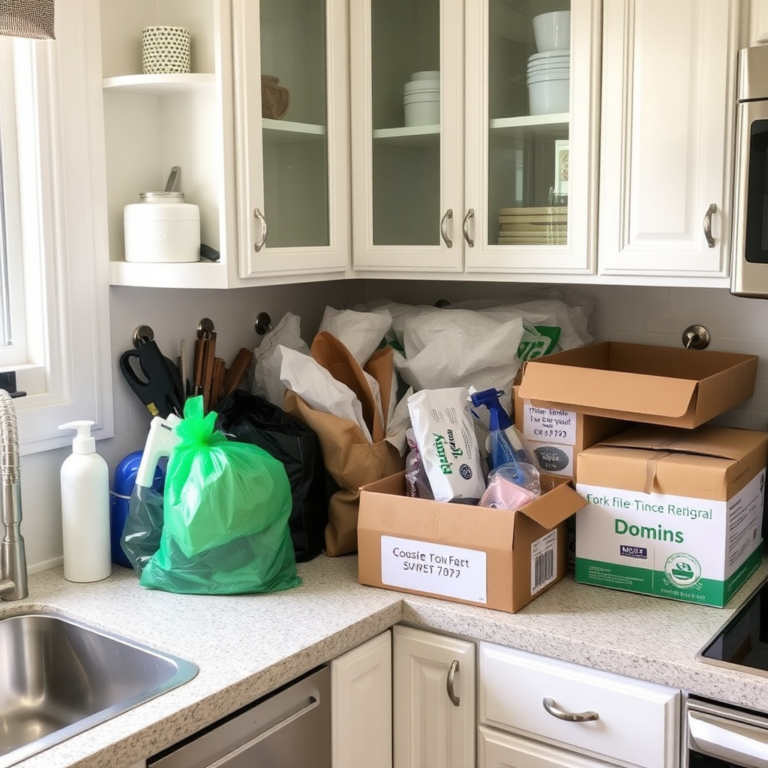
How to Fix a Clogged Kitchen Sink: Simple and Effective Solutions
Fixing a clogged kitchen sink often starts with identifying the cause of the blockage and using a few reliable methods like plunging, baking soda and vinegar treatments, or a drain snake. These approaches typically resolve most kitchen sink clogs without calling a plumber.
Kitchen sinks frequently clog because of food scraps, grease buildup, or foreign objects blocking the drain pipe. Addressing clogs promptly prevents water damage, bad odors, and inconvenience in your daily routine.
This guide covers practical steps for fixing a clogged kitchen sink, including DIY solutions, tools needed, prevention tips, plus troubleshooting for persistent or severe blockages.
Understanding the Causes of a Clogged Kitchen Sink
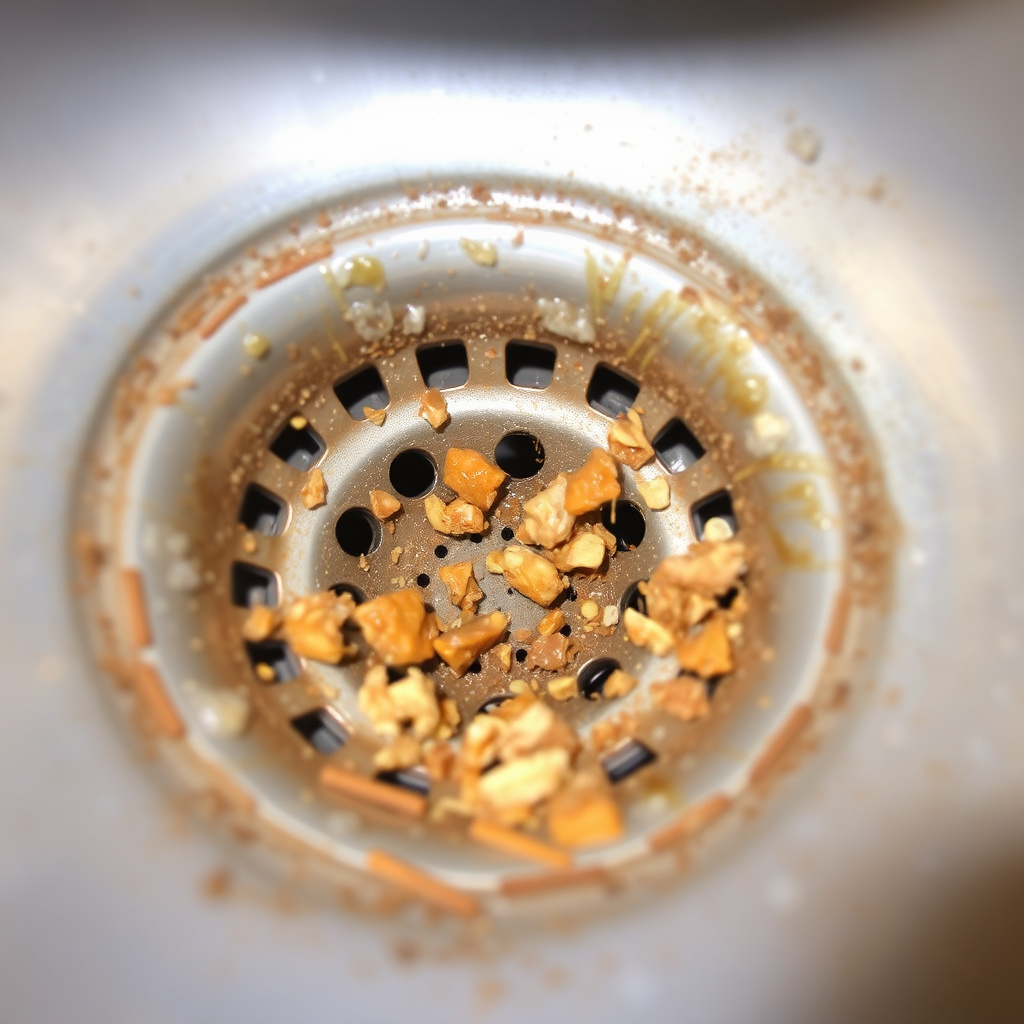
Common Causes of Kitchen Sink Clogs
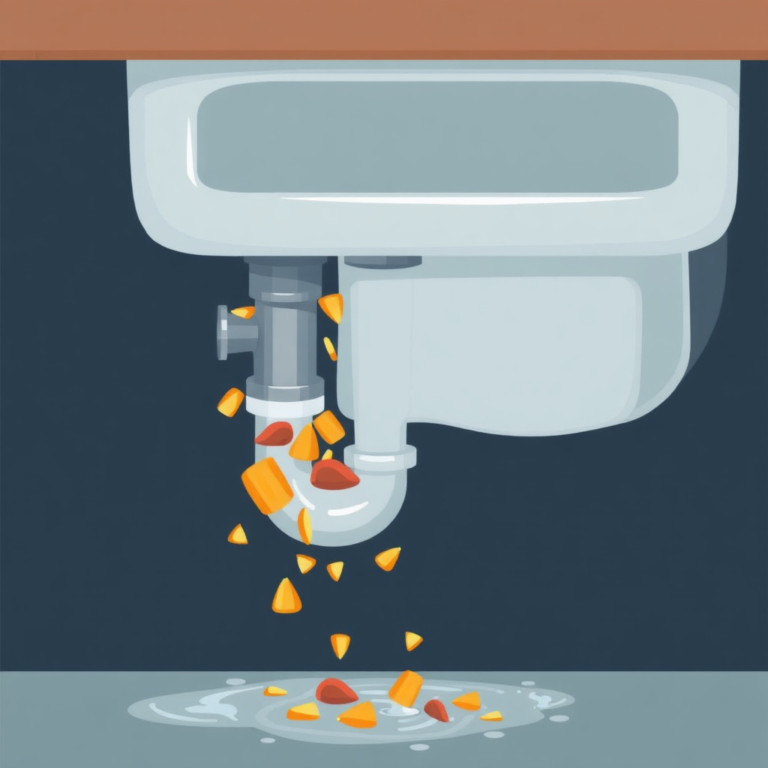
Food debris, grease, and soap scum often accumulate over time and clog kitchen sink drains. Starchy foods like pasta and rice can expand with water and form blockages, while fatty substances congeal inside pipes.
Other culprits include soap buildup, hair, and small objects accidentally dropped down the drain. Knowing the source helps pick the most effective unclog kitchen sink drain method.
- Grease and oil residue
- Food scraps and particles
- Soap scum buildup
- Small foreign objects
Signs Your Kitchen Sink Is Clogged
Slow draining water, gurgling sounds, unpleasant odors, or water backup indicate a clogged kitchen sink. Early detection avoids worsening blockages and potential pipe damage.
If water pools around the sink base or takes a long time to drain after use, it signals a blockage that should be addressed before it worsens.
Basic Tools and Materials Needed to Fix a Clogged Kitchen Sink
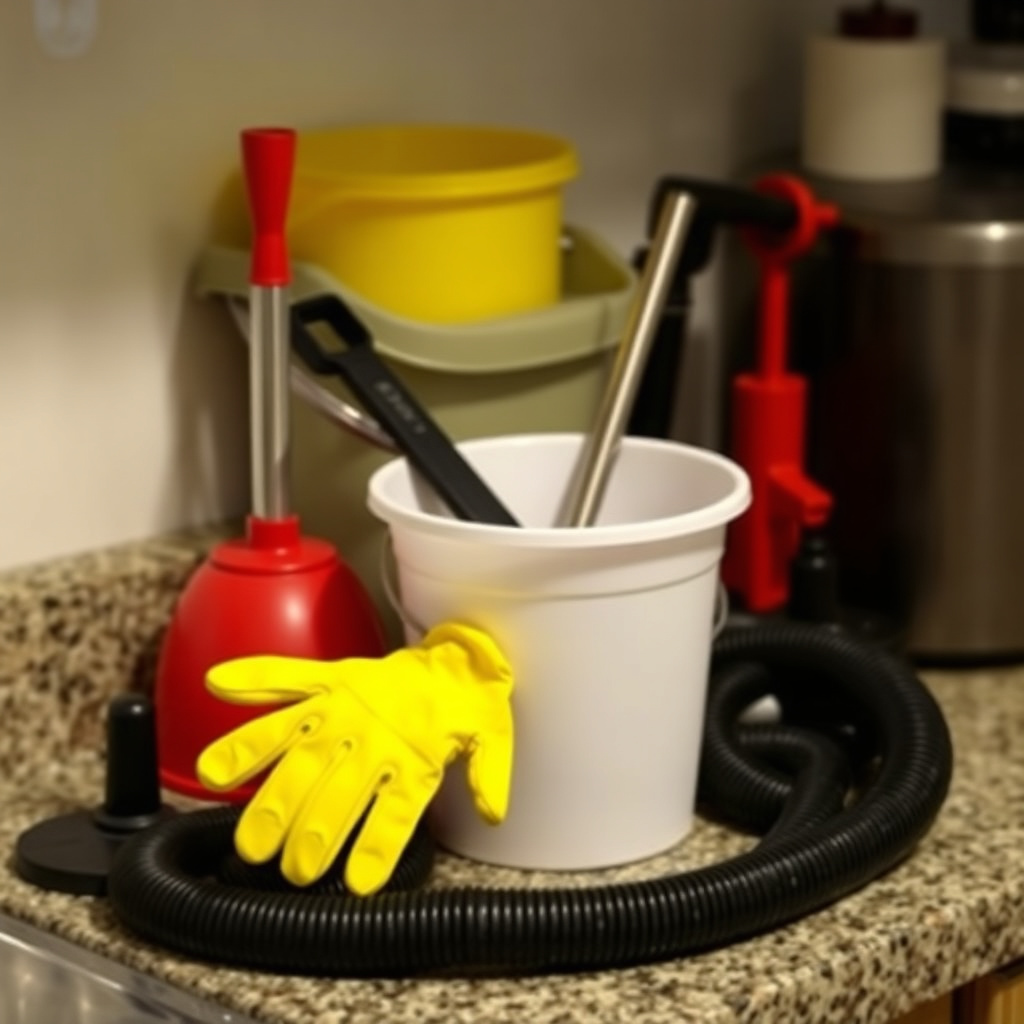
Essential Tools for DIY Sink Unclogging
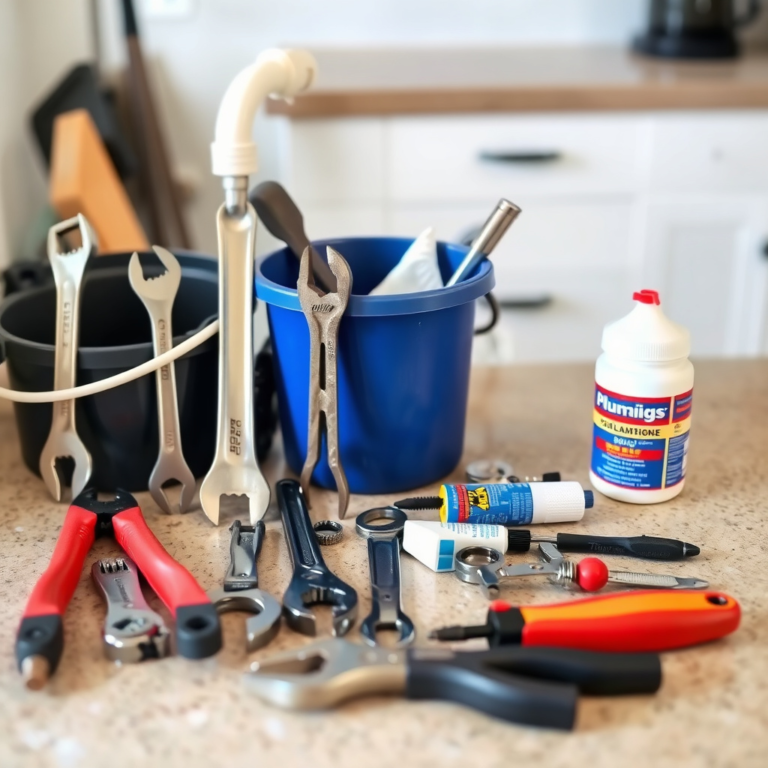
A plunger designed for sinks is one of the simplest tools to fix many kitchen sink clogs by creating suction to dislodge debris. A drain snake or auger is helpful for deeper or tougher blockages.
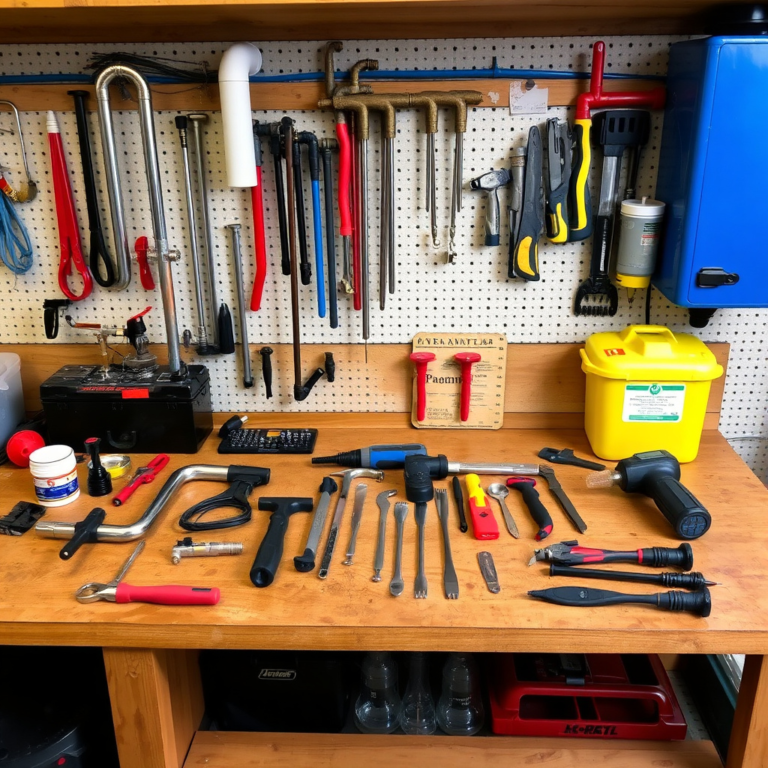
Other useful materials include baking soda and vinegar for a natural chemical reaction, rubber gloves for hygiene, a bucket to catch spills, and pipe wrench if you need to remove pipes.
- Sink plunger
- Drain snake or auger
- Baking soda and vinegar
- Rubber gloves and bucket
When to Use Chemical Drain Cleaners
Chemical drain cleaners can sometimes clear stubborn clogs but should be used cautiously. They may damage some pipes or harm the environment if overused.
Limit use to occasional blockages, follow product instructions strictly, and avoid mixing chemicals. When unsure, mechanical methods are safer and often more effective.
Step-by-Step Methods to Fix a Clogged Kitchen Sink
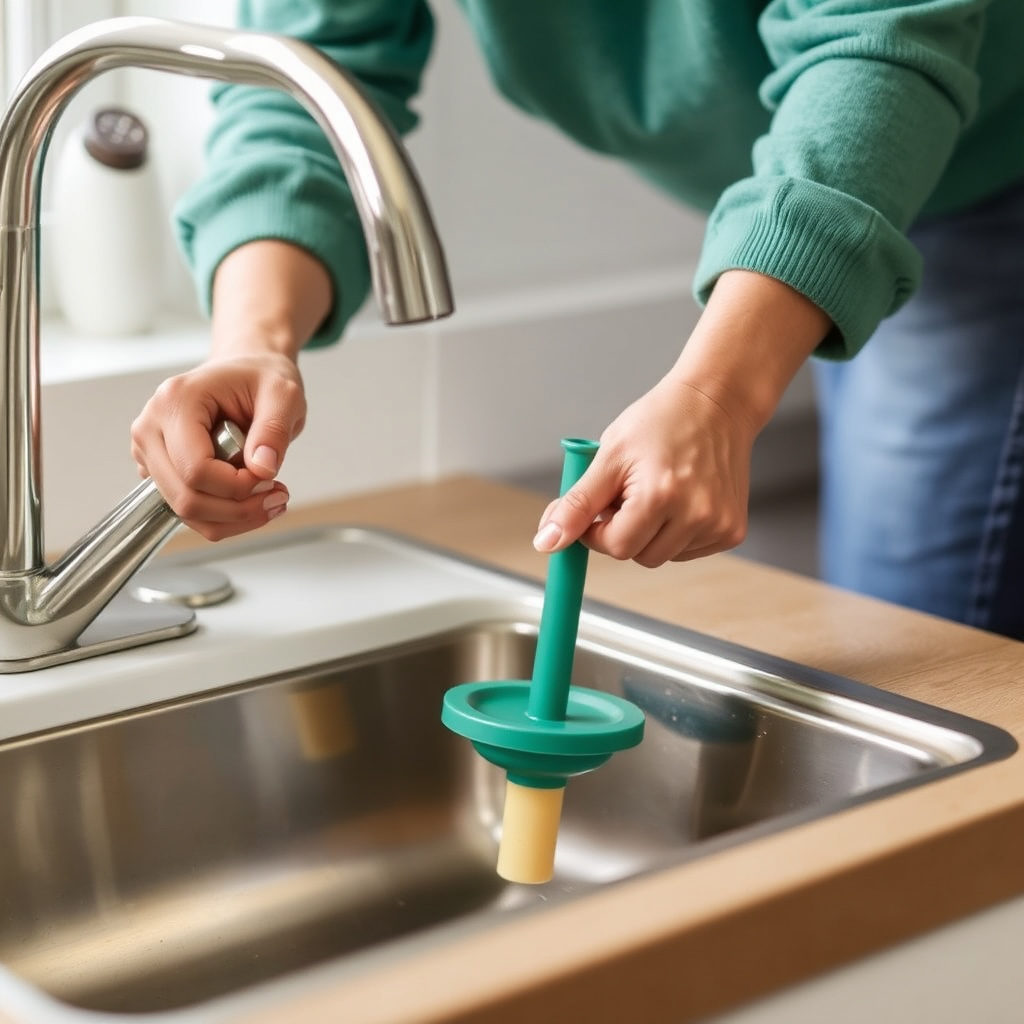
Using a Plunger to Clear Minor Clogs
Fill the sink partially with water to cover the plunger bell, then plunge vigorously several times. The pressure dislodges debris blocking the drain.
If the sink has a double basin, block the other drain hole with a wet cloth to concentrate the suction. Repeat until water drains smoothly.
- Add water to cover plunger
- Seal adjacent openings
- Plunge firmly multiple times
Applying Baking Soda and Vinegar Treatment
Pour half a cup of baking soda down the drain followed by half a cup of vinegar. Let the fizzing reaction work for 15-30 minutes to break down grease and buildup.
Flush the drain with hot water afterward to wash away loosened debris. This natural method prevents chemical use and is safe for all pipes.
- Add baking soda
- Pour vinegar slowly
- Wait and rinse with hot water
Advanced Techniques for Stubborn Sink Clogs

Using a Drain Snake to Remove Deep Blockages
Insert the flexible drain snake into the drainpipe until you feel resistance, then rotate it to hook and break apart the clog. Slowly pull the snake out to remove debris.
Drain snakes reach beyond the trap where plungers can’t, effectively clearing tougher clogs caused by solid objects or dense buildup.
Disassembling the P-Trap for Manual Cleaning
Place a bucket underneath the P-trap—the curved pipe segment below the sink—and unscrew its slip nuts. Remove the trap to clear accumulated gunk manually.
Clean the trap with a brush and flush pipes with water before reassembling. This method requires basic plumbing skills and is effective for persistent clogs.
- Wear gloves to avoid contact with debris
- Use wrench if nuts are tight
- Check trap seals before reassembly
Preventing Future Clogs in Your Kitchen Sink
Daily Habits to Avoid Sink Clogs
Avoid pouring grease, coffee grounds, or starchy food scraps down the sink. Use strainers to catch solid particles and scrape plates into garbage before washing.
Run hot water while using the sink to help move grease through pipes and periodically flush drain with a baking soda and vinegar treatment to keep buildup minimal.
- Use drain strainers
- Dispose of grease in trash
- Flush with hot water regularly
Routine Maintenance Tips for Clear Drains
Clearing the drain with a plunger or a drain snake every few months can prevent hardened clogs. Regularly clean the P-trap to remove trapped debris before it causes blockage.
Keeping an eye on slow drainage or odors helps you take action early, saving time and avoiding costly plumbing repairs.
When to Call a Professional Plumber
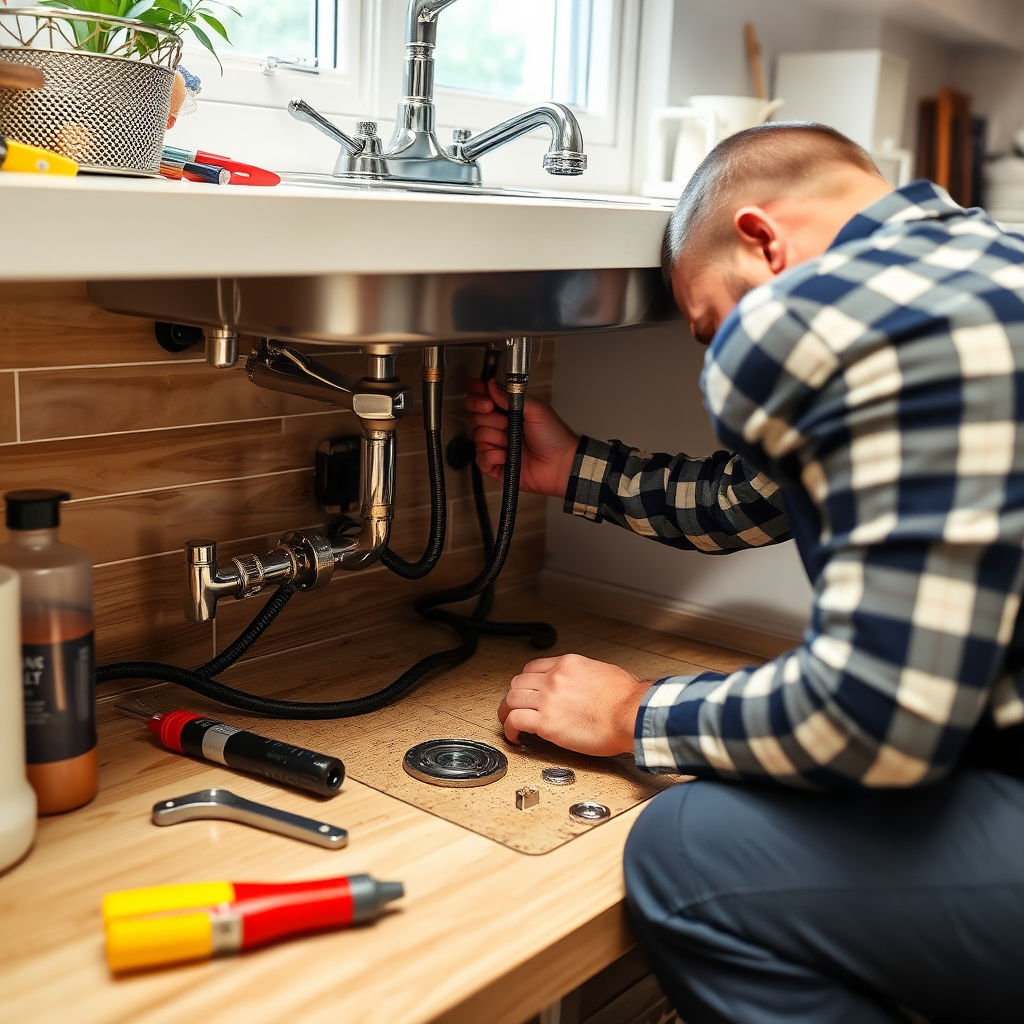
Signs You Need Expert Help
If your kitchen sink remains clogged after using plungers, drain snakes, and other DIY methods, the blockage could be deeper in the plumbing system or require specialized tools.
Frequent backups, foul odors that persist, or leaks indicate problems that need professional diagnosis and repair to avoid pipe damage.
For more detailed information about kitchen sinks and their common issues, you can visit the Wikipedia article on Kitchen Sinks. Wikipedia article on Kitchen Sinks.
Choosing the Right Plumber for Sink Issues
Look for licensed plumbers experienced in drain cleaning and kitchen sink repairs. Reading reviews and asking for referrals ensures you select a reliable expert.
A professional will use cameras or advanced equipment to locate the clog and offer permanent solutions beyond simple manual clearing.
- Check licenses and certifications
- Ask for references or reviews
- Request estimates before work
Kitchen Sink Clog Fixing Methods Comparison
This comparison highlights key features, pros, and limitations of common clog-fixing options for kitchen sinks.
| Method | Effectiveness | Cost | Ease of Use | Best For |
|---|---|---|---|---|
| Plunger | Good for minor clogs | Low | Easy | Simple blockages near drain |
| Baking Soda & Vinegar | Moderate | Very Low | Easy | Grease and buildup prevention |
| Drain Snake | High | Moderate | Medium | Deeper or tougher clogs |
| Chemical Drain Cleaners | Variable | Low | Easy | Stubborn grease clogs, occasional use |
| P-trap Cleaning | High | Low | Medium | Persistent blockages, debris buildup |
Frequently Asked Questions
Can I use boiling water to clear a clogged kitchen sink?
Yes, pouring boiling water down the drain can help melt and flush grease buildup. However, avoid using it on PVC pipes as extreme heat could cause damage.
How often should I clean my kitchen sink drain to prevent clogs?
Cleaning your drain with natural methods like baking soda and vinegar every month and using a plunger periodically can keep your sink clear of minor blockages.
Are chemical drain cleaners safe for all types of pipes?
Chemical cleaners can damage older or fragile pipes, especially if misused. Use them sparingly and follow instructions carefully to avoid pipe corrosion.
What causes slow draining without a full clog?
Slow drainage often results from partial buildup of grease, soap scum, or debris inside pipes that restrict water flow but do not fully block it.
Is it possible to fix a kitchen sink clog myself without special tools?
Many clogs can be resolved using common tools like a plunger or household ingredients such as baking soda and vinegar, making DIY solutions effective for most minor clogs.
Key Takeaways
- Most kitchen sink clogs stem from grease, food debris, and buildup inside pipes.
- Plungers and natural baking soda-vinegar treatments are effective first steps.
- Drain snakes and P-trap cleaning address tougher or deeper blockages.
- Avoid chemicals unless necessary; call a plumber for persistent issues.
Conclusion
Fixing a clogged kitchen sink starts with understanding what causes the blockage and then selecting the right approach based on severity. Simple clogs often clear with plungers or natural treatments, while tough blockages may need drainage snakes or trap cleaning. Consistently monitoring your sink’s drainage and acting quickly when symptoms appear reduces frustration and avoids larger plumbing problems.
If your clog is minor, begin with a plunger or the baking soda and vinegar method, which are affordable and safe. For heavier or recurring issues, manual drain snakes and removing the P-trap effectively clear buildup that typical methods cannot reach. Chemical drain cleaners might work, but use them carefully due to potential pipe damage. Persistent blockages, bad smells, or leaks merit professional plumber assistance for long-term solutions.
For regular maintenance, use strainers to catch debris and avoid pouring grease down the drain to prevent clogged pipes. Quick action and routine cleaning can keep your kitchen sink flowing smoothly for years to come. If a clog seems too complicated or stubborn, contacting a licensed plumber is the best practical next step to restore your kitchen’s plumbing.