How to Clean Greasy Kitchen Cabinets Effectively
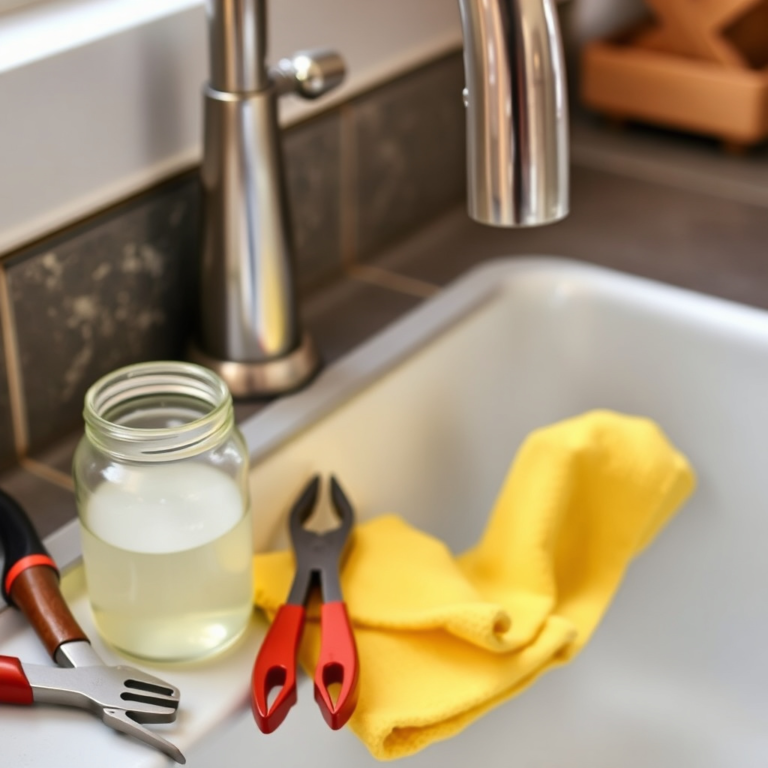
To clean greasy kitchen cabinets, start by choosing a gentle degreaser or a homemade mixture of vinegar and water. Apply the solution with a microfiber cloth or sponge, then wipe thoroughly to remove all sticky residue and restore the cabinet’s surface. This quick method cuts through stubborn kitchen grease without damaging the finish.
Grease buildup on kitchen cabinets happens over time due to cooking oils and residues accumulating on surfaces. Left unattended, this layer can dull finishes and attract dust or grime, making your kitchen appear older and less hygienic. Regular cleaning is the simplest way to maintain cabinet beauty and prolong their lifespan.
This article will guide you through practical cleaning strategies, including homemade and commercial solutions, techniques tailored for wood or laminate cabinets, and maintenance tips for keeping your kitchen fresh and residue-free.
Understanding Grease Buildup on Kitchen Cabinets
Sources of Grease in the Kitchen
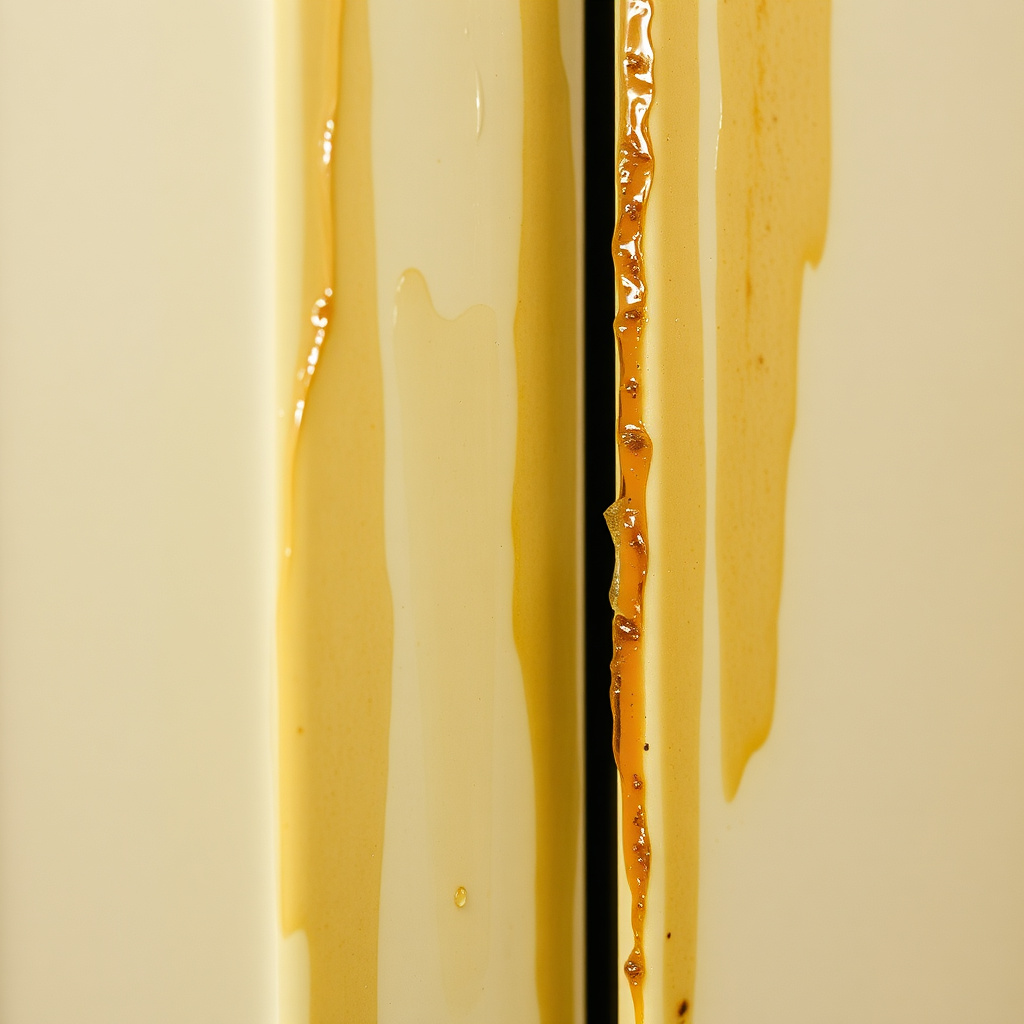
Grease in your kitchen often comes from cooking oils, frying splatters, and airborne particles from boiling or sautéing foods. These oily substances settle on cabinet surfaces near stoves and countertops, gradually forming a sticky film.
This buildup varies by cooking frequency and ventilation quality. Kitchens without proper air filtration tend to accumulate more grease, especially on cabinets directly above or adjacent to cooking areas.
- Cooking oil splatters
- Steam carrying food particles
- Inadequate ventilation
- Frequent frying or sautéing
How Grease Affects Cabinet Materials
Grease can quickly damage cabinet finishes, especially on wood or painted surfaces, by creating stains and attracting dust. Over time, it can cause discoloration, sticky textures, and even peeling varnish or paint.
Laminate and metal cabinets are more resistant but still develop grimy films that diminish their appearance. Understanding your cabinet material is key to choosing a suitable cleaning method.
Choosing the Best Cleaner for Kitchen Cabinets
Commercial Cleaners vs. Homemade Solutions
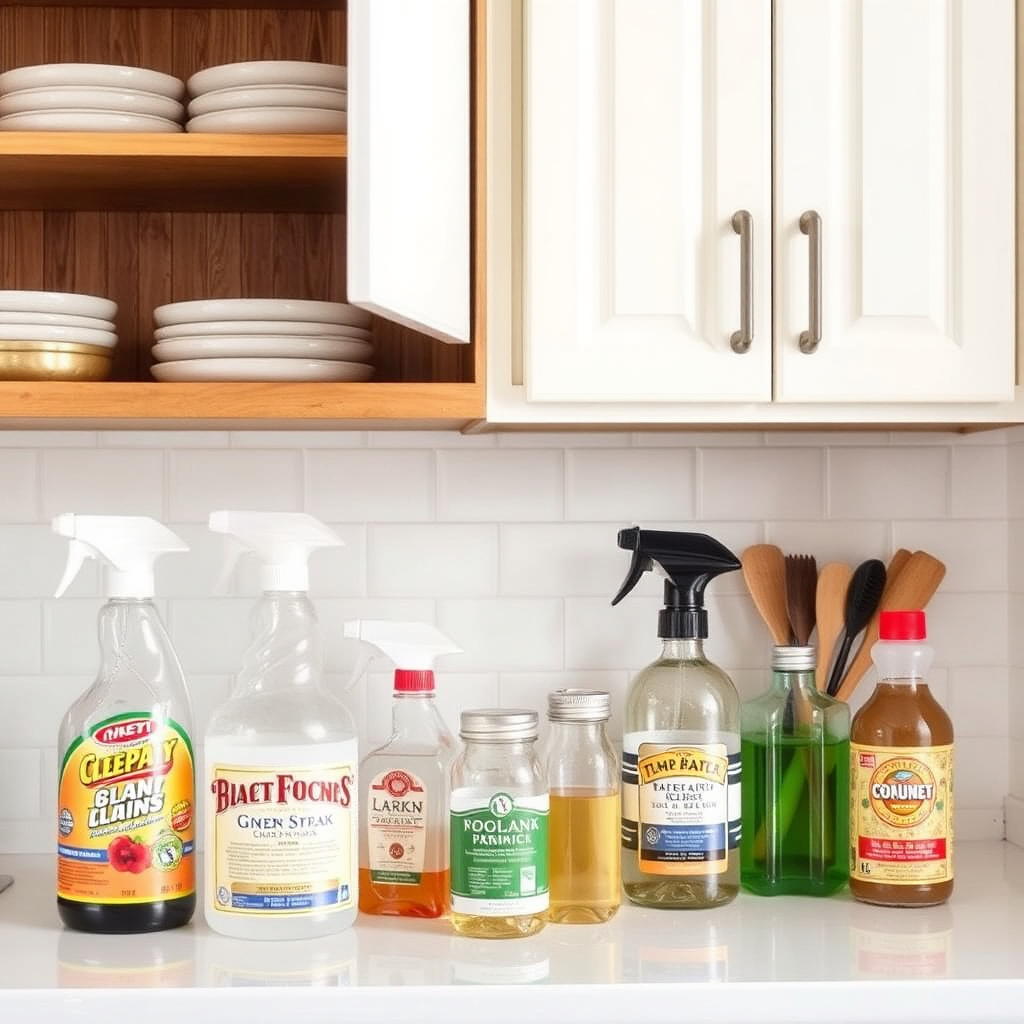
Commercial degreasers are formulated to break down oil residues quickly and are convenient for heavy-duty cleaning. However, some contain harsh chemicals that can damage delicate finishes if not used properly.
Homemade cleaners, like a vinegar and water mixture or baking soda paste, offer a gentle, natural alternative that’s effective for moderate grease removal and safe on most surfaces.
- Advantages of commercial degreasers
- Benefits of homemade natural cleaners
- Safety considerations for delicate finishes
Key Ingredients to Look For
When selecting a cleaner, ingredients such as citrus extracts, mild detergents, or vinegar are beneficial for cutting grease without stripping finishes. Avoid abrasive powders or high-alcohol content which may damage cabinet surfaces.
Some cleaners also include moisturizing agents that protect wood cabinetry from drying out during cleaning.
- Citrus-based degreasers
- Mild detergents
- Vinegar solutions
- Avoid solvents and abrasives
Step-by-Step Cleaning Process for Greasy Kitchen Cabinets
Preparation and Safety Tips
Before cleaning, remove cabinet contents to prevent damage from drips. Wear gloves to protect your skin from cleaning agents and open windows for ventilation.
Test your chosen cleaner in a small hidden spot to confirm it doesn't discolor or damage the finish.
- Wear gloves
- Ventilate the area
- Test cleaner on small patch
- Remove cabinets’ contents
Cleaning Technique for Effective Grease Removal
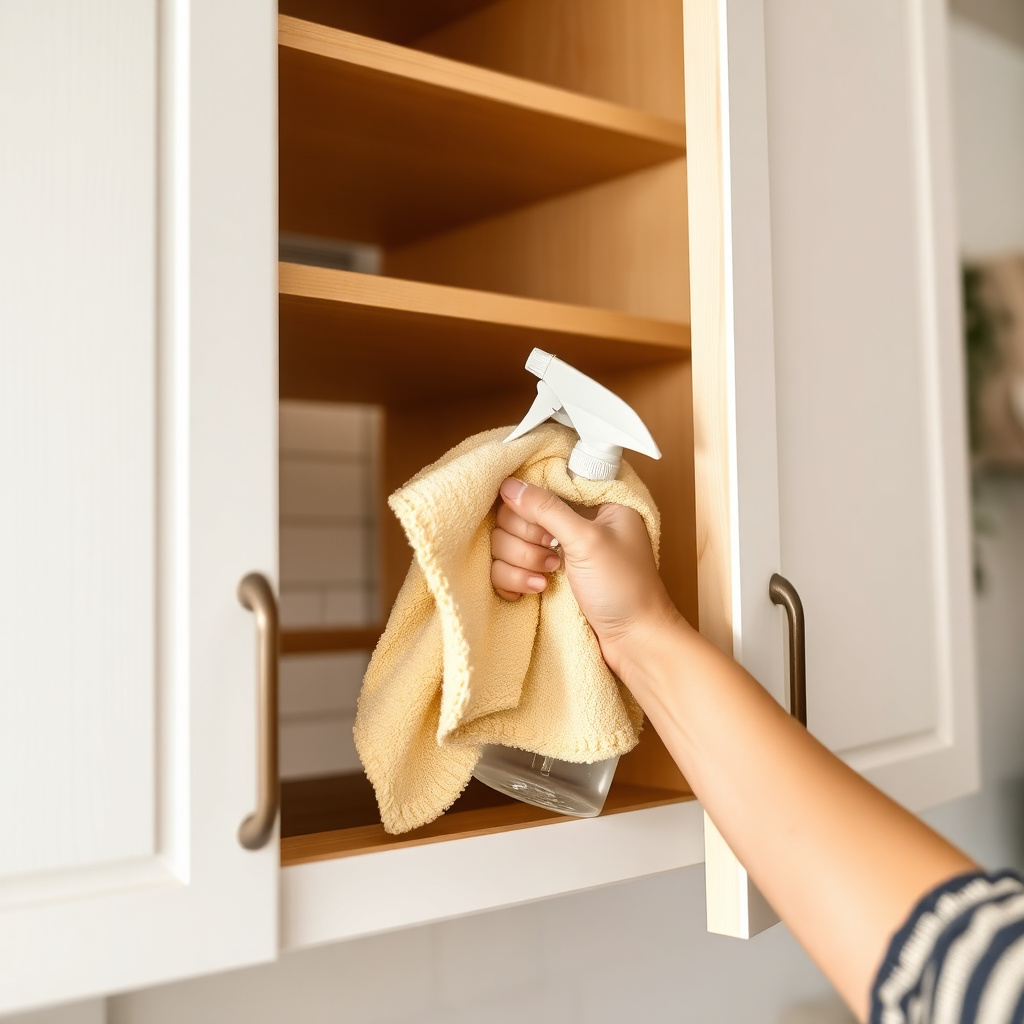
Spray or apply the cleaner directly onto a microfiber cloth rather than the cabinet to avoid excess moisture. Wipe the surface gently, moving along the grain if wood is involved, and repeat as necessary for stubborn areas.
Use a separate damp cloth afterward to remove any leftover residue, then dry the surface thoroughly with a clean towel.
- Apply cleaner to cloth, not directly on cabinets
- Wipe in direction of wood grain
- Rinse with damp cloth afterward
- Dry completely to avoid moisture damage
Tailoring Your Cleaning Approach by Cabinet Material
Wood Cabinets Cleaning Tips
Wood cabinets require gentle methods to protect varnish and avoid warping. Avoid excess water; instead, opt for vinegar-water solutions or wood-safe commercial cleaners.
After cleaning, consider applying a wood conditioner to maintain luster and protect the surface.
- Use minimal water
- Avoid abrasive materials
- Apply wood conditioner post-cleaning
Cleaning Laminate and Metal Cabinets
Laminate and metal cabinets withstand water-based cleaners better, so mild detergent with warm water works well. Avoid steel wool or harsh abrasives that could scratch surfaces.
For metal cabinets, dry promptly to prevent water spots and corrosion.
- Use mild detergent and water
- Avoid scratching abrasives
- Dry metal surfaces after cleaning
Maintenance and Prevention of Grease on Cabinets

Routine Cleaning Schedule
Establish a weekly wipe-down using a gentle cleaner to keep grease from accumulating. Consistency reduces the need for heavy scrubbing and helps your kitchen maintain a clean look.
Pay special attention to areas near cooking zones where grease collects most.
- Weekly gentle cleaning
- Focus on zones near stove
- Use microfiber cloths
Kitchen Ventilation and Its Role
Good ventilation minimizes airborne grease settling on cabinets. Use exhaust fans or open windows during and after cooking to decrease grease buildup significantly.
Long-term benefits include reduced cleaning frequency and improved air quality.
- Use exhaust fans during cooking
- Open windows for airflow
- Regularly clean ventilation equipment
Dealing with Stubborn Grease Stains and Sticky Residue
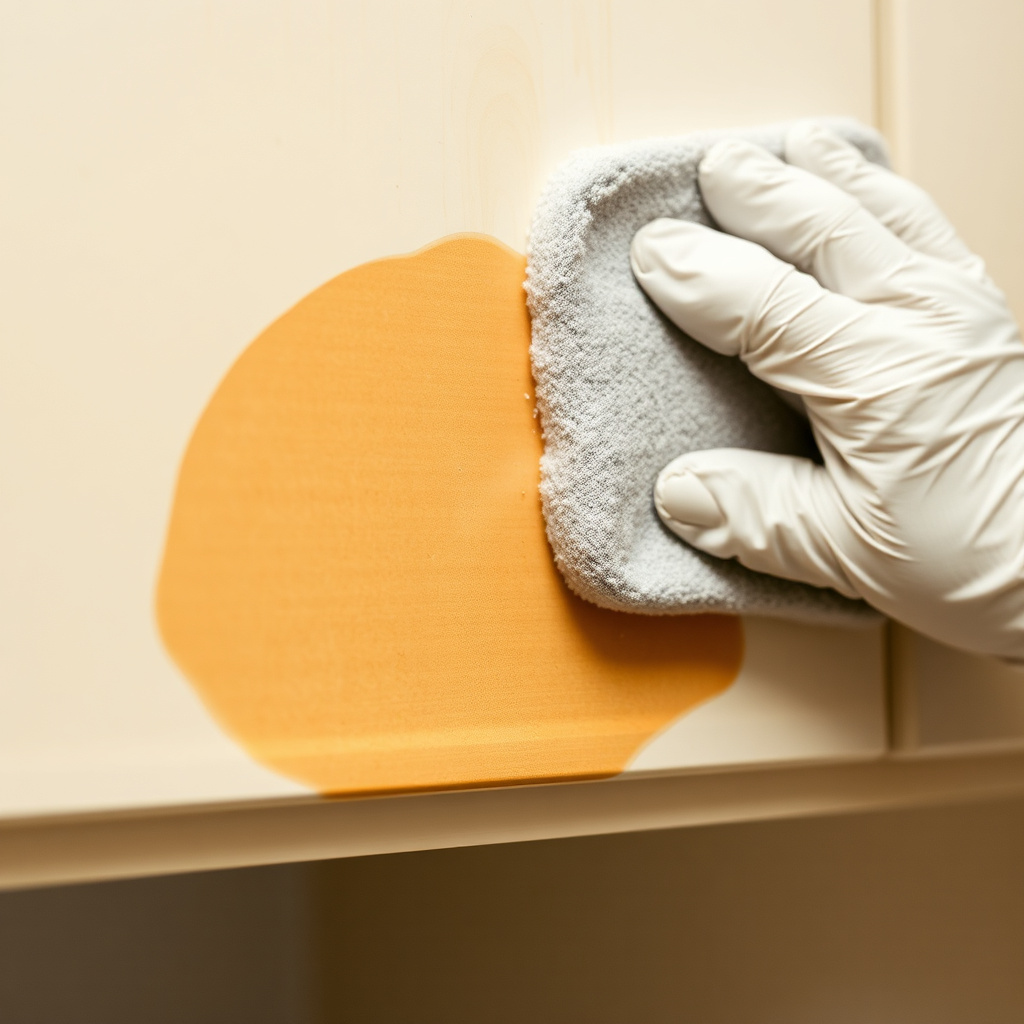
Techniques for Stubborn Grease Patches
For tough grease, apply a baking soda paste directly to the stain and let it sit for 10-15 minutes before gently scrubbing with a soft brush. Repeat if necessary but avoid harsh abrasives.
Commercial degreasers designed for kitchens are also effective but always follow product guidelines to avoid damage.
- Use baking soda paste
- Gentle scrubbing with soft brush
- Commercial degreasers as last resort
For more details on the types and care of kitchen cabinets, refer to this Wikipedia article on kitchen cabinet maintenance. Wikipedia article on kitchen cabinet maintenance.
Avoiding Damage During Stain Removal
Never use steel wool or aggressive scrubbing pads on delicate surfaces. Always test treatments on an inconspicuous area and rinse thoroughly to prevent residue.
If unsure, consult manufacturer guidelines for cleaning recommendations specific to your cabinets.
- Avoid abrasive scrubbers
- Test treatments on hidden spots
- Rinse off cleaning residues
- Refer to manufacturer care instructions
Comparison of Cleaning Methods for Greasy Kitchen Cabinets
This table compares popular cleaning methods based on effectiveness, safety for cabinet materials, and ease of use.
| Method | Effectiveness on Grease | Safety for Wood Cabinets | Ease of Use |
|---|---|---|---|
| Vinegar and Water Solution | Moderate | High | Easy |
| Commercial Degreasers | High | Medium | Very Easy |
| Baking Soda Paste | High on Stains | High | Moderate |
| Mild Detergent with Warm Water | Moderate | High | Easy |
| Abrasive Scrubbing Pads | High | Low – Risk of Damage | Difficult |
Frequently Asked Questions
Can I use vinegar to clean all types of kitchen cabinets?
Vinegar diluted with water is safe for most finishes, especially laminate and painted cabinets, but it’s best to test on wood cabinets first, as excessive acidity may dull some finishes.
How often should I clean greasy cabinets to prevent buildup?
Wiping down greasy cabinets weekly with a mild cleaner helps prevent buildup and keeps surfaces looking fresh without tough scrubbing later on.
Will commercial degreasers damage my cabinet finish?
Some commercial degreasers contain harsh chemicals that can harm delicate surfaces. Always check the label and test on a small hidden area before full application.
What’s the safest way to remove stubborn grease stains?
Using a baking soda paste with gentle scrubbing is a safe, effective method to tackle stubborn stains without harming cabinet finishes.
How does kitchen ventilation affect grease buildup on cabinets?
Better ventilation reduces airborne grease particles, which lowers the amount of grease settling on cabinets, making cleaning easier and less frequent.
Key Takeaways
- Use gentle cleaners suited to your cabinet material for grease removal.
- Regular weekly cleaning prevents tough grease buildup.
- Test new cleaning methods on discreet areas first.
- Good kitchen ventilation helps minimize cabinet grease.
Conclusion
Choosing how to clean greasy kitchen cabinets involves balancing effectiveness with preserving the surface finish. Since grease comes from cooking oils and airborne particles, addressing it with the right cleaner and technique prevents dulling and sticky residues. Understanding your cabinet material—whether wood, laminate, or metal—is key to picking safe cleaning agents that won't cause damage while efficiently removing grease. A methodical approach, including preparation and cautious application, ensures deeper cleanings won't shorten the life of your cabinets.
For routine care, mild detergent or vinegar-water solutions are ideal for most cabinet types, providing moderate grease removal and high material safety. Commercial degreasers offer stronger cleaning power but may pose risks on delicate wood finishes. Baking soda paste shines for stubborn spots without abrasives. Supporting your cleaning efforts with regular ventilation and weekly wipe-downs reduces kitchen grease accumulation. This way, heavy scrubbing becomes rare, preserving your cabinets' original beauty over years of use.
To begin restoring greasy kitchen cabinets, start by testing a mild cleaner on a small section, then progress to broader application with soft cloths and gentle motion. Maintain this habit and upgrade your ventilation where possible to keep grease at bay. Implementing these straightforward practices will bring back the shine and extend your cabinets’ lifespan, making your kitchen a fresher, cleaner place to cook and gather.