How Many Gallons Is a Kitchen Trash Can? Understanding Sizes for Your Home
A kitchen trash can usually ranges from 10 to 20 gallons, with 13 gallons being the most common size found in many homes. This size balances capacity and manageability, fitting standard kitchen cabinets and typical household waste generation.
Knowing the specific gallon size of your kitchen trash can helps with waste disposal efficiency, buying the correct trash bags, and maintaining cleanliness. Smaller cans might need frequent emptying, while larger ones can hold more but take up more space.
This article will explore the typical kitchen trash can sizes, factors that affect choosing the right capacity, materials and shapes, and how to match your trash can size with your household’s needs.
Common Kitchen Trash Can Sizes and Their Uses
Typical Gallon Capacities for Household Kitchens
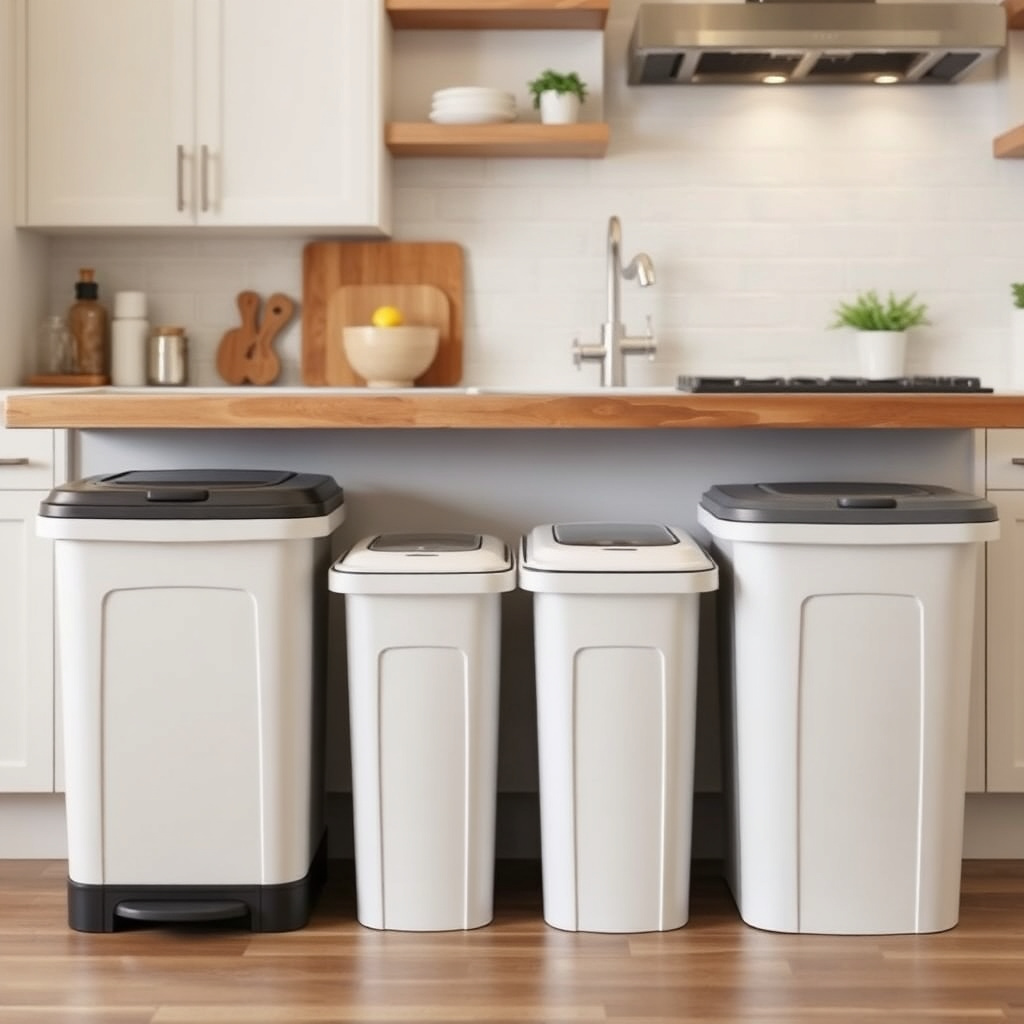
Kitchen trash cans usually come in gallon sizes ranging from 5 to 20 gallons. Small kitchens or apartments might use 5-10 gallon cans, while families often select cans from 13 to 20 gallons to accommodate more waste between emptying.
The most popular and widely available size is 13 gallons because it matches many common trash bag sizes and fits comfortably in most kitchen layouts without taking excessive space.
- 5-10 gallons: Suitable for single users or minimal waste
- 13 gallons: Most common, fits standard trash bags
- 15-20 gallons: For larger households or higher waste production
Matching Trash Can Size to Household Waste
Choosing the right trash can size depends on how much waste your household produces daily. Smaller households or those who recycle heavily may need smaller cans, while larger families benefit from bigger capacities to avoid frequent emptying.
Estimating your weekly trash volume can help. For example, if your family fills a 13-gallon bag every two days, consider a larger can or multiple cans to manage waste conveniently.
Materials and Designs of Kitchen Trash Cans
Plastic vs. Stainless Steel Options
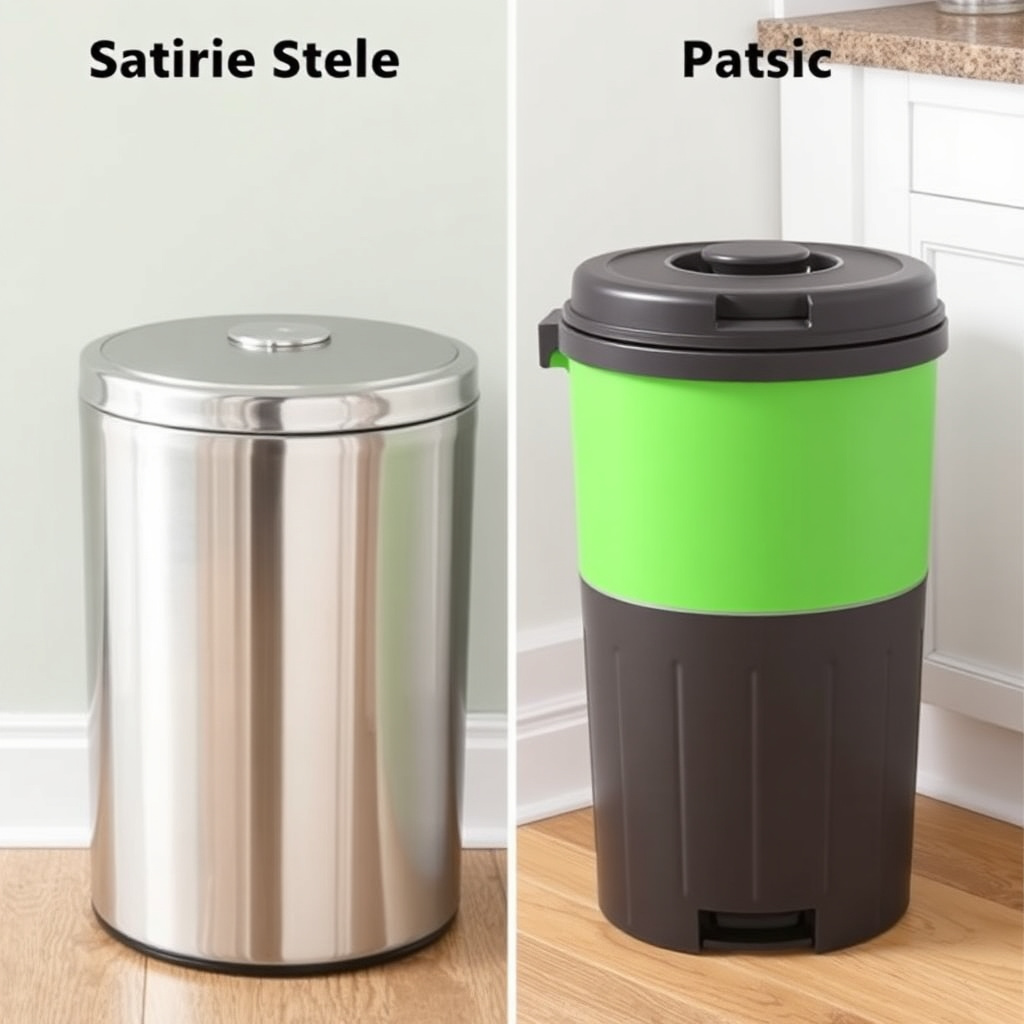
Plastic trash cans are lightweight and generally less expensive, with a wide variety of colors and designs. They’re easy to clean but may stain or absorb odors over time.
Stainless steel trash cans are more durable and often feature fingerprint-resistant coatings. They provide a modern look and resist odors better but tend to be heavier and costlier.
- Plastic: Affordable, versatile, prone to staining
- Stainless steel: Durable, stylish, resists fingerprints
Lid Types and Their Impact on Usability
Lids can be swing-top, step-on pedal, or motion sensor operated. Swing-top lids are simple but may not seal odors effectively. Step-on pedals are hygienic and convenient during cooking, while motion sensors add hands-free opening but require batteries or power.
Choosing a lid type affects kitchen hygiene and ease of use, especially in busy households where hands are often occupied or messy.
- Swing-top: Simple, minimal mechanisms
- Step-on pedal: Hands-free, hygienic
- Motion sensor: High-tech, requires power
How to Select the Right Size Kitchen Trash Can
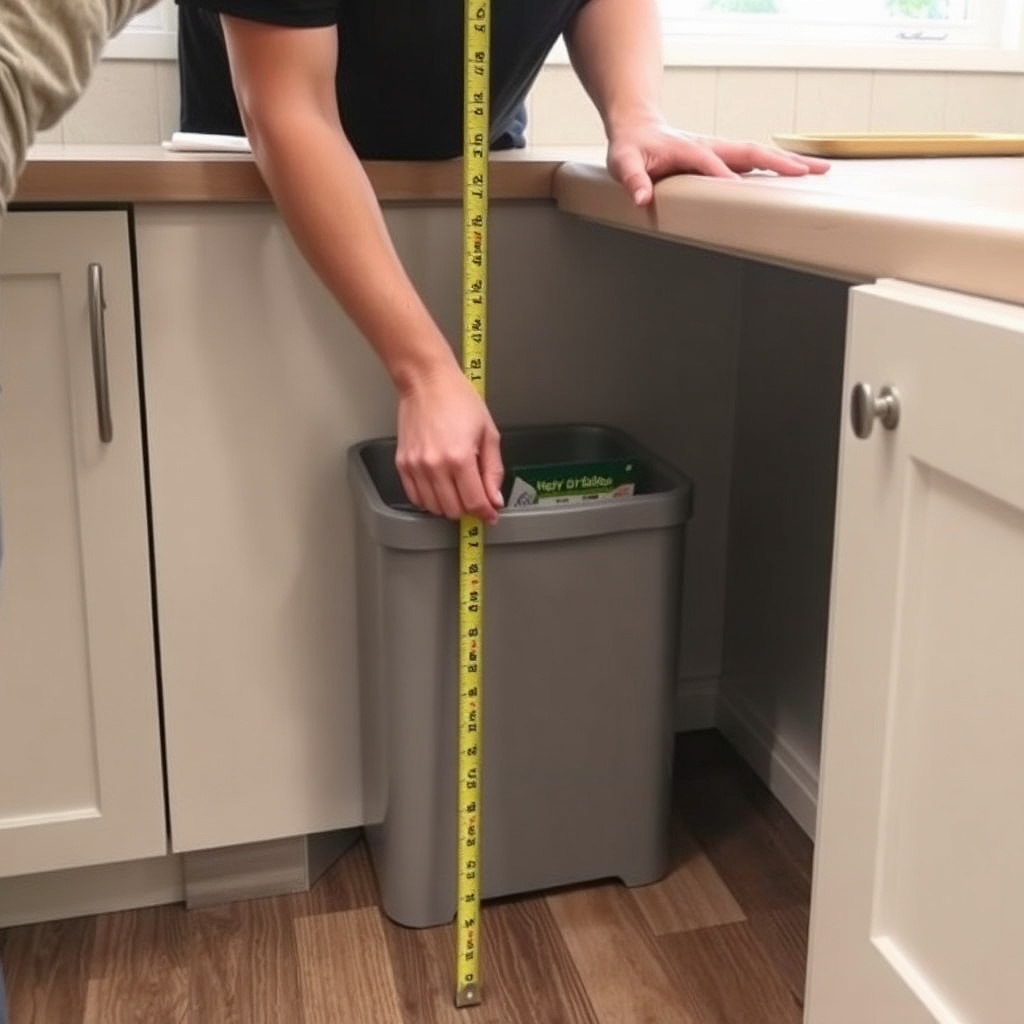
Measuring Kitchen Space for Trash Can Placement
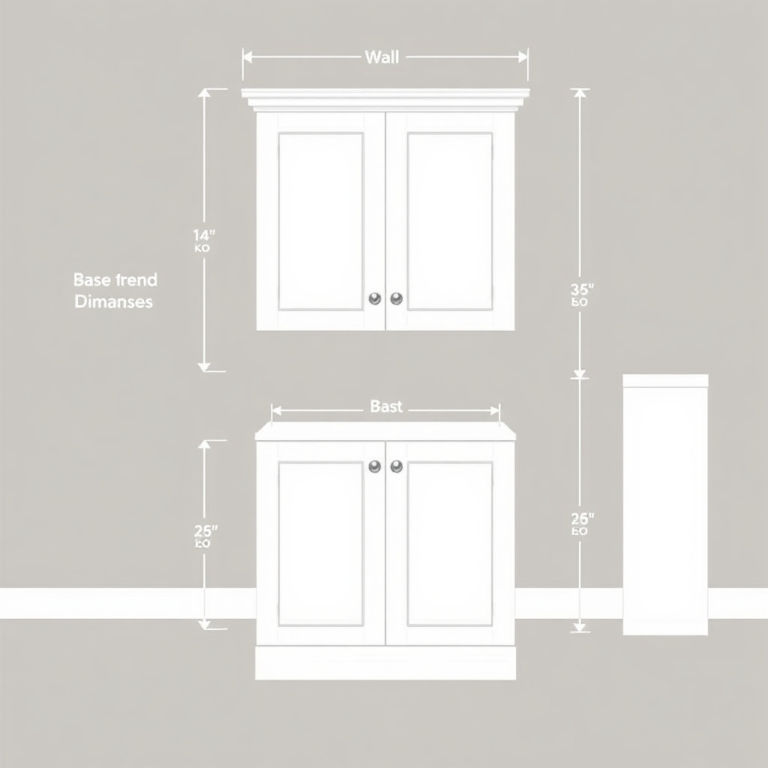
Before purchasing, measure available cabinet or floor space to confirm the trash can’s dimensions will fit comfortably. Remember to allow clearance for lid opening or pulling out a drawer if using a built-in bin.
Considering the trash can footprint and height helps avoid hassles in daily kitchen use. Some slim or tall models make good use of vertical space if floor space is limited.
Considerations for Frequency of Emptying
If you prefer emptying your trash less often, opt for larger cans. For households with low waste or frequent trash pickup, smaller cans work fine and take up less space.
Matching trash can size with trash bag availability is practical: 13-gallon cans often use standard bags, while larger or odd-sized cans may require specialty liners.
- Emptying frequency affects convenience
- Bag compatibility matters for ease of replacement
Kitchen Trash Can Maintenance and Odor Control
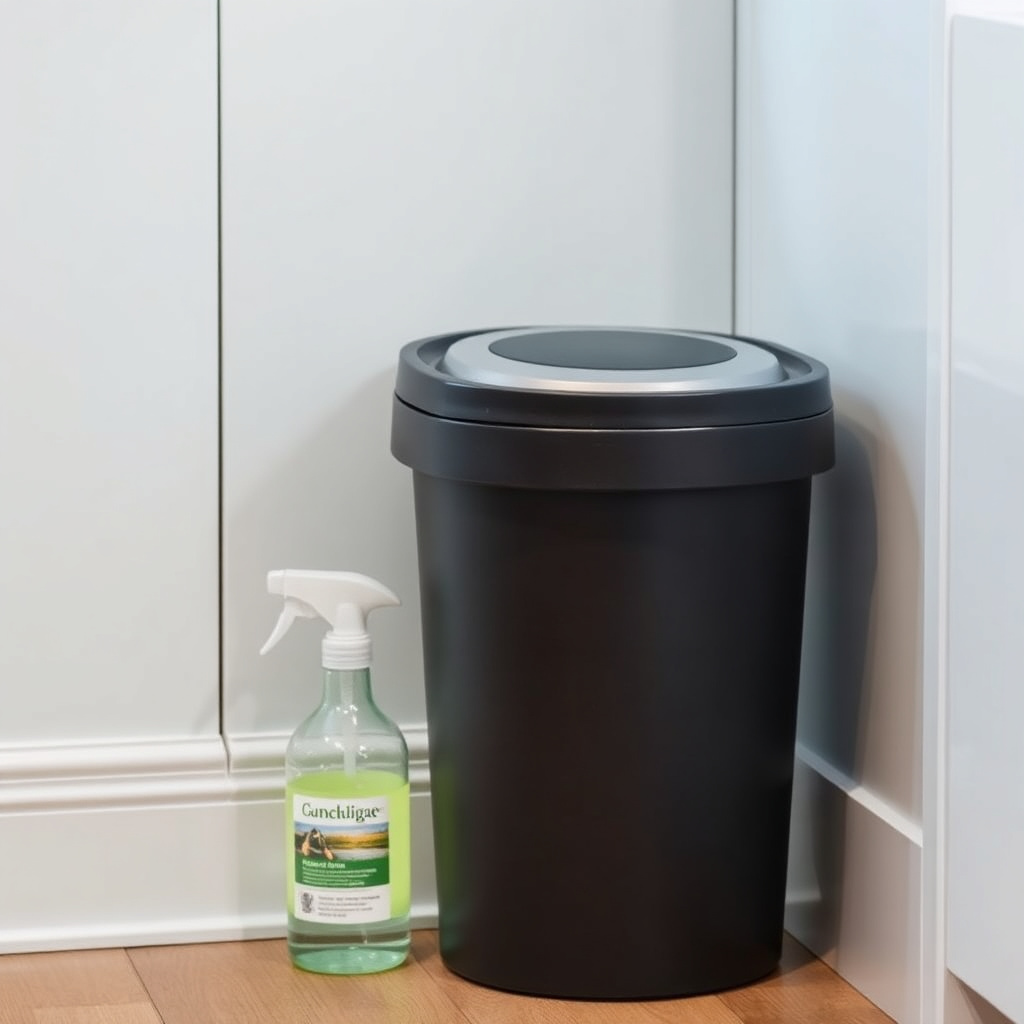
Cleaning Tips to Keep Your Trash Can Fresh
Regular cleaning with soap and water or disinfectant prevents buildup and odors. Removing trash bags promptly and rinsing the can periodically reduces stains and bacterial growth.
Using liners or disposable bags further limits mess inside the trash can, making maintenance faster and less messy.
- Clean with mild soap weekly
- Use liners to prevent spills
- Dry can thoroughly before reuse
Effective Ways to Manage Kitchen Odors
To keep smells at bay, sprinkle baking soda at the can bottom or use specialized deodorizing inserts. Some trash cans come equipped with charcoal filters in the lid to absorb odors continuously.
Separating food scraps for composting or using sealed bin liners can further reduce unpleasant smells in the kitchen.
- Baking soda to neutralize odors
- Charcoal filters in lids
- Separate food waste for compost
Environmental and Practical Aspects of Kitchen Trash Cans
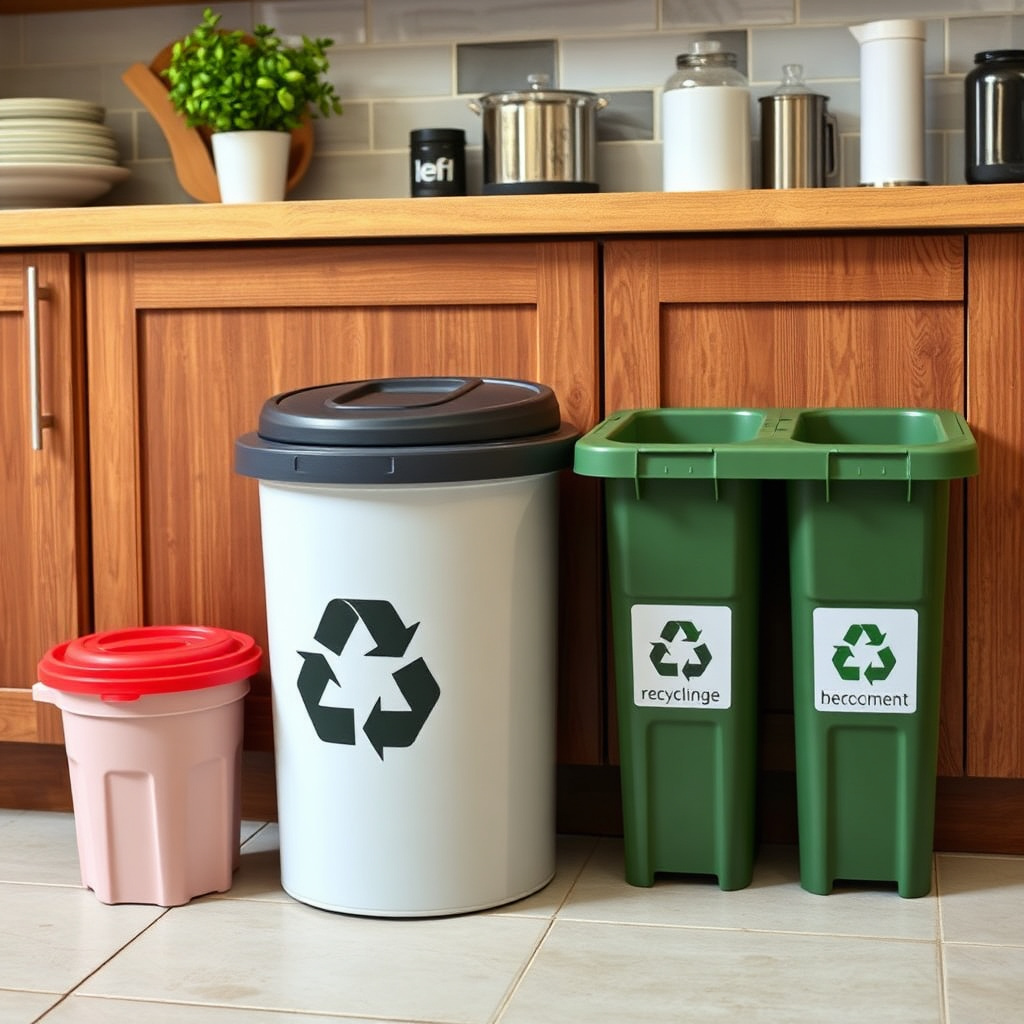
Choosing Eco-Friendly Trash Can Materials
Trash cans made from recycled plastics or metals have a lower environmental impact than new materials. Some brands specialize in sustainable manufacturing, using durable, recyclable parts.
Selecting a trash can built to last rather than disposable options reduces waste over time and can save money.
- Look for recycled or recyclable materials
- Consider durability and lifespan
Incorporating Waste Sorting Into Your Kitchen Setup
Many kitchens now integrate multiple bins for trash, recycling, and compost. Some kitchen trash cans come with dual or triple compartments making sorting convenient.
Choosing garbage containers designed for separation supports efficient waste management and aligns with local disposal guidelines.
- Dual or triple compartment bins
- Clear labeling for sorting
- Compact designs for limited space
How Kitchen Trash Can Size Affects Bag Selection
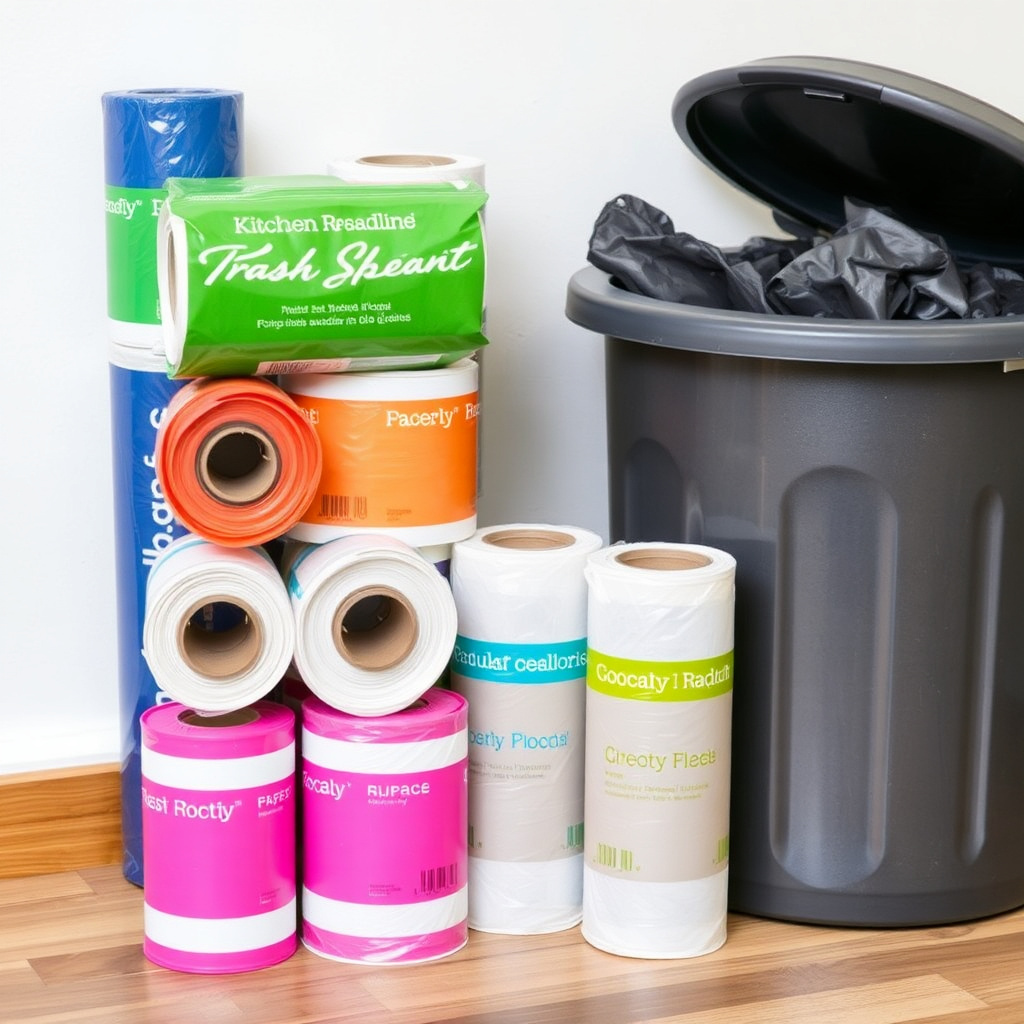
Standard Sizes of Trash Bags for Common Gallon Cans
13-gallon trash cans typically use standard kitchen bags labeled for 13 gallons, which are widely available. Smaller cans require specialty or small bags, and larger cans may need heavy-duty or contractor bags.
Proper bag size ensures a good fit prevents spillage, and makes emptying easier, helping maintain kitchen cleanliness.
To learn more about how waste disposal fits into broader environmental efforts, explore waste management practices in detail. waste management practices.
Tips for Choosing Durable and Leak-Resistant Bags
Select bags with thickness ratings suitable for your trash type, especially if disposing of wet or heavy kitchen waste. Leakage-resistant bags help avoid mess and odors.
Some bags feature drawstring closures or reinforced bottoms for added convenience and security when removing trash.
- Choose high-gauge thickness for durability
- Drawstring bags for easy closure
- Reinforced bottoms to prevent tears
Kitchen Trash Can Size Category Comparison
This table compares popular kitchen trash can sizes across key factors like capacity, typical usage, and space requirements.
| Size (gallons) | Typical Household | Space Needed | Common Lid Type | Trash Bag Type |
|---|---|---|---|---|
| 5-7 | Single users, small kitchens | Small footprint, under-sink | Swing-top | Small specialty bags |
| 10-13 | Most families, average use | Fits standard cabinets, medium | Step-on pedal | Standard 13-gallon bags |
| 15-20 | Large families, high waste | Requires more floor space | Step-on pedal or motion sensor | Heavy-duty large bags |
| 20+ | Commercial or shared kitchens | Large footprint, needs space | Motion sensor or pedal | Contractor bags |
Frequently Asked Questions
What is the most common size for a kitchen trash can?
The most common kitchen trash can size is around 13 gallons because this size matches standard trash bags and fits easily in most kitchens.
Can I use a larger trash can than 20 gallons in the kitchen?
While possible, trash cans larger than 20 gallons may take up too much space and be difficult to maneuver in typical kitchens; they’re better suited for commercial or outdoor use.
Do kitchen trash cans come with lids that control odor?
Yes, many kitchen trash cans include lids designed to seal odors, and some models have charcoal filters or deodorizing inserts to minimize smells.
How do I choose the right trash bag for my kitchen trash can?
Choose trash bags that fit your can’s gallon size precisely. For 13-gallon trash cans, standard kitchen bags work; for larger cans, heavier-duty bags are recommended.
Are stainless steel kitchen trash cans better than plastic?
Stainless steel cans generally offer greater durability and style with better odor resistance, while plastic options are lighter, more affordable, and easier to move.
Key Takeaways
- Kitchen trash cans most commonly range from 10 to 20 gallons, with 13 gallons being standard.
- Material choice affects durability and maintenance: stainless steel is long-lasting, plastic is lightweight.
- Selecting the right size depends on household waste amounts and kitchen space available.
- Matching trash can size with compatible bag sizes simplifies waste management and upkeep.
Conclusion
Understanding how many gallons a kitchen trash can holds is vital for selecting a bin that fits your space and waste disposal needs efficiently. A size between 10 and 20 gallons strikes a balance for most households. You should weigh your daily waste output and evaluate the kitchen’s dimensions carefully to avoid frequent emptying or space challenges.
For individuals or small households, 5 to 10-gallon cans suffice, while families with more significant waste volumes benefit from 13 to 20 gallons. Stainless steel models add durability and odor control, perfect for busy kitchens, whereas plastic bins offer budget-friendly, lightweight alternatives. Bag compatibility with your chosen can is also essential for convenience.
Measure your kitchen area, estimate your typical waste production, and decide which trash can size aligns with your lifestyle. Whether you select a simple 13-gallon bin with a step-on lid or a larger motion sensor model, proper sizing aids both cleanliness and efficiency in your home kitchen waste management.