How to Decorate a Kitchen: Practical Tips for a Stylish and Functional Space
Decorating a kitchen combines style with functionality, creating a space that's both attractive and practical for daily use. The key is balancing elements like color, layout, storage, and accessories to suit your lifestyle and aesthetic preferences. By carefully selecting materials, lighting, and organization, you can transform your kitchen into a welcoming hub of the home.
The kitchen often serves as both a cooking area and a social gathering place, so how you decorate it matters beyond appearances. A well-thought-out kitchen design improves workflow, encourages family interactions, and even boosts your home's value. Paying attention to details like cabinet finishes, countertop materials, and the right lighting can make a big difference.
This article covers essential aspects of how to decorate a kitchen effectively: choosing a style and color scheme, selecting functional elements, optimizing storage, lighting choices, and adding personal touches. You'll find practical guidance and design ideas to create a kitchen that looks great and works perfectly for you.
Choosing a Style and Color Scheme for Your Kitchen
Popular Kitchen Styles Explained
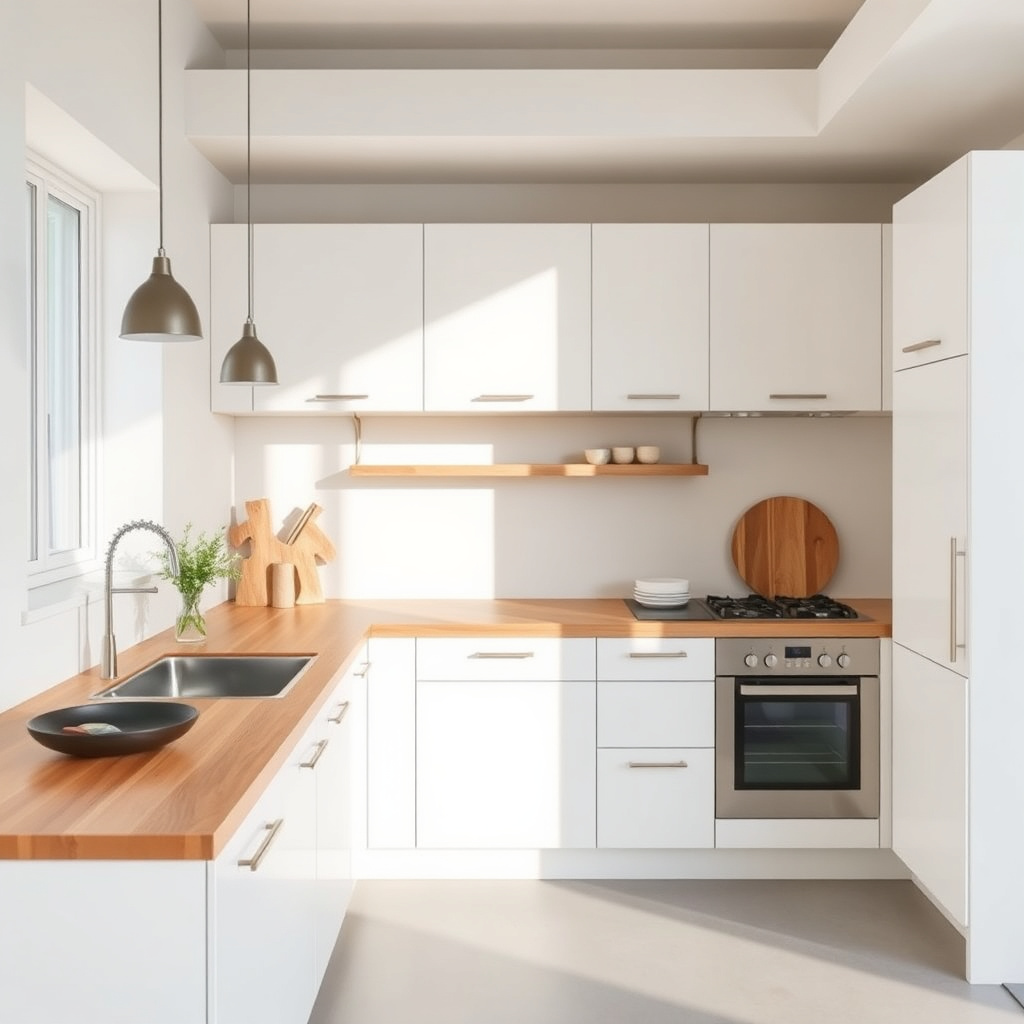
Common kitchen styles include modern, farmhouse, traditional, industrial, and rustic. Each offers distinct characteristics: modern kitchens emphasize clean lines and minimalism; farmhouse styles use warm woods and vintage touches; industrial kitchens feature metal accents and exposed elements. Deciding on a style helps guide your choice of materials and decor.
Matching the kitchen style with your home's overall design creates harmony. For instance, a modern kitchen pairs well with a contemporary home’s sleek architecture, while a farmhouse kitchen complements a country-style or cottage setting. Identifying your preferred style first simplifies other decorating decisions.
- Modern: sleek, minimalist, neutral colors
- Farmhouse: wood accents, cozy, vintage details
- Traditional: classic cabinetry, formal elements
- Industrial: metal, exposed pipes, rugged features
Selecting the Right Color Palette
Color sets the mood and influences how spacious or cozy your kitchen feels. Lighter hues like whites, creams, and soft grays open up small kitchens, making them feel airier. Darker colors like navy or forest green add drama and warmth but work best in larger spaces with good lighting.
Combining accent colors through backsplashes, appliances, or kitchenware can bring personality to your kitchen. Neutral walls paired with bold accents are a balanced approach, allowing you to update the space easily without a complete redecorate.
- Use light colors for small kitchens to enlarge space visually
- Incorporate bold accents carefully to avoid overwhelming the room
- Coordinate colors with existing flooring and countertops
Functional Elements: Cabinets, Counters, and Flooring
Cabinet Materials and Layout Options
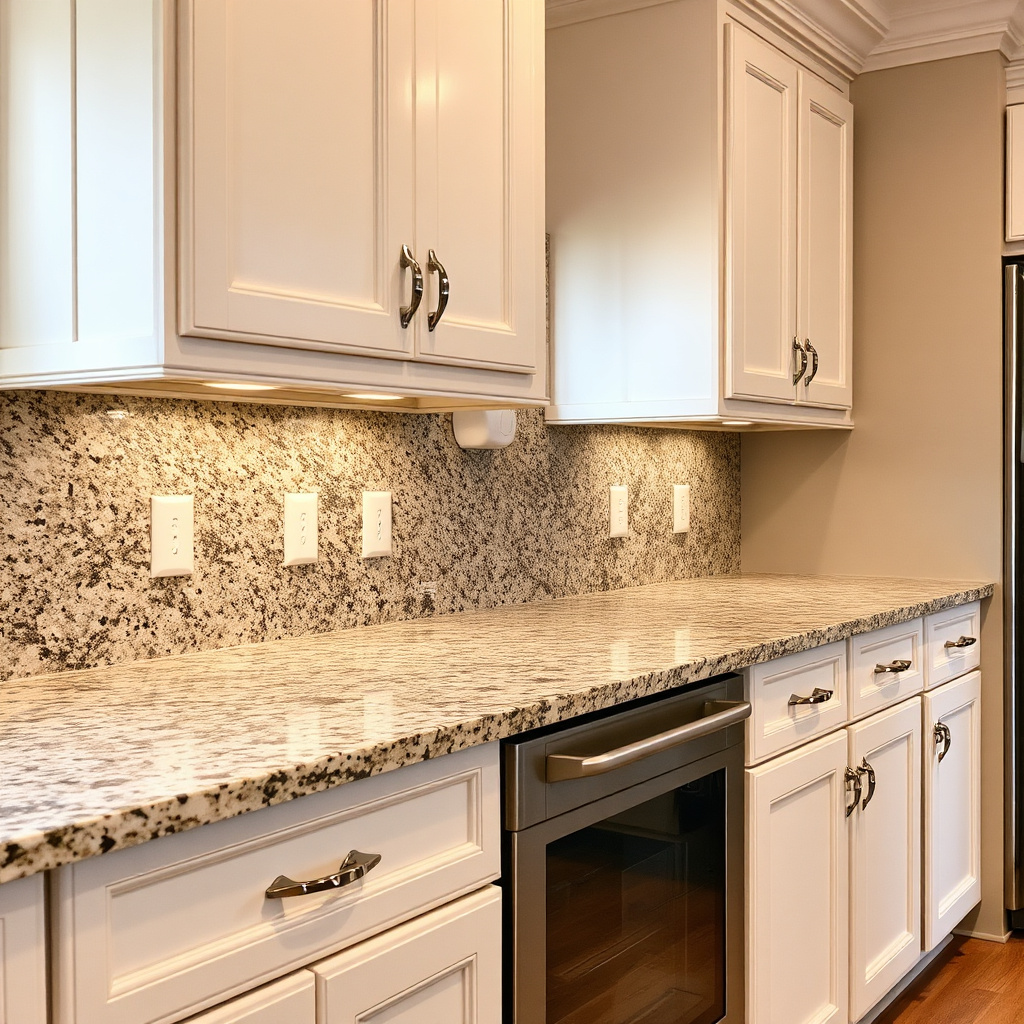
Cabinet choices impact both look and usability. Popular materials include solid wood, plywood, and MDF with veneer. Solid wood is durable and timeless but costly, while MDF offers affordability with a smooth finish. Layout options like L-shape, U-shape, or galley affect kitchen flow and workspace.
Consider incorporating open shelving or glass-front cabinets to display attractive dishes or cookware. Soft-close drawers and pull-out shelves enhance convenience and make everyday tasks easier.
- Solid wood: long-lasting, classic appeal
- MDF: cost-effective, smooth surfaces
- Open shelves: showcase items, add openness
- Layout types: L-shape, U-shape, galley, island
Choosing Countertops and Flooring for Durability
Countertop materials like granite, quartz, laminate, and butcher block vary in price and maintenance. Granite and quartz are scratch- and heat-resistant, perfect for frequent cooking. Butcher block adds warmth but requires sealing. Laminate is budget-friendly but less durable over time.
Flooring should handle spills and heavy use; popular choices include tile, hardwood, and vinyl. Porcelain tile is durable and easy to clean, hardwood brings natural beauty but needs protection, while vinyl offers water resistance at a lower cost.
- Granite/quartz: durable, resistant to stains
- Butcher block: warm look, needs sealing
- Tile flooring: water-resistant, sturdy
- Vinyl flooring: affordable, easy upkeep
Optimizing Storage and Organization
Smart Storage Solutions for Small Kitchens
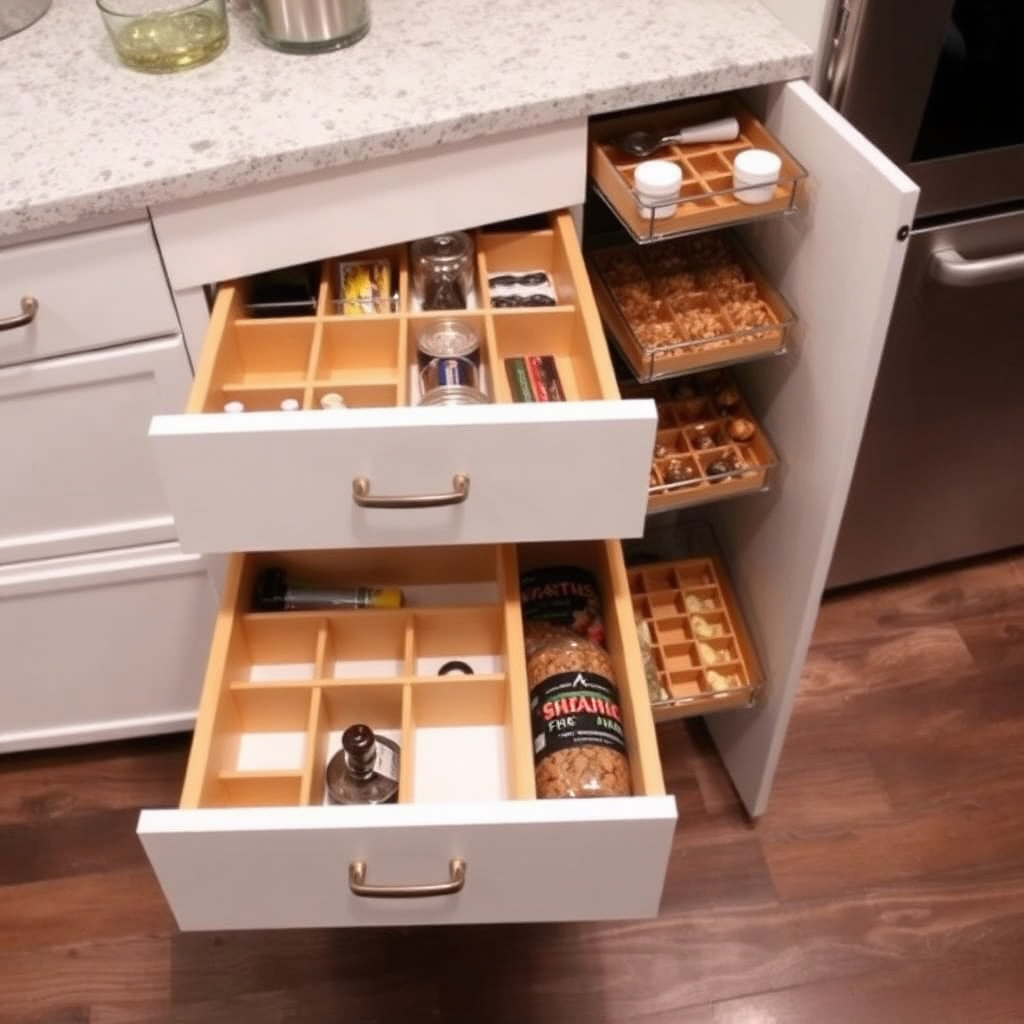
Maximizing vertical space using tall cabinets or wall-mounted racks frees up counters. Pull-out drawers and rotating carousels inside cabinets make difficult corners accessible. Use multi-tiered shelves and organizers inside cabinets to fit more items neatly.
Hooks and magnetic strips can hold utensils and knives while keeping countertops clear. Storage bins for pantry goods help categorize and reduce clutter. Planning storage early avoids overcrowding later.
- Use vertical storage like tall cabinets
- Incorporate pull-out drawers and lazy Susans
- Try magnetic strips for knives and metal tools
- Use clear storage bins for pantry organization
Organizing Kitchen Zones for Efficiency
Dividing the kitchen into zones—prepping, cooking, cleaning, and storage—improves workflow. Place frequently used utensils and ingredients close to prep areas. Pots and pans should be near the stove, while cleaning supplies fit nicely below the sink.
Designating areas helps reduce movement during cooking and keeps counters tidy. Consider investing in labeled containers and drawer dividers to maintain order and save time.
- Create zones for prepping, cooking, cleaning, storing
- Keep utensils near relevant zones
- Use labeled containers for pantry items
- Add drawer dividers to separate smaller tools
Lighting and Fixtures to Brighten Your Kitchen
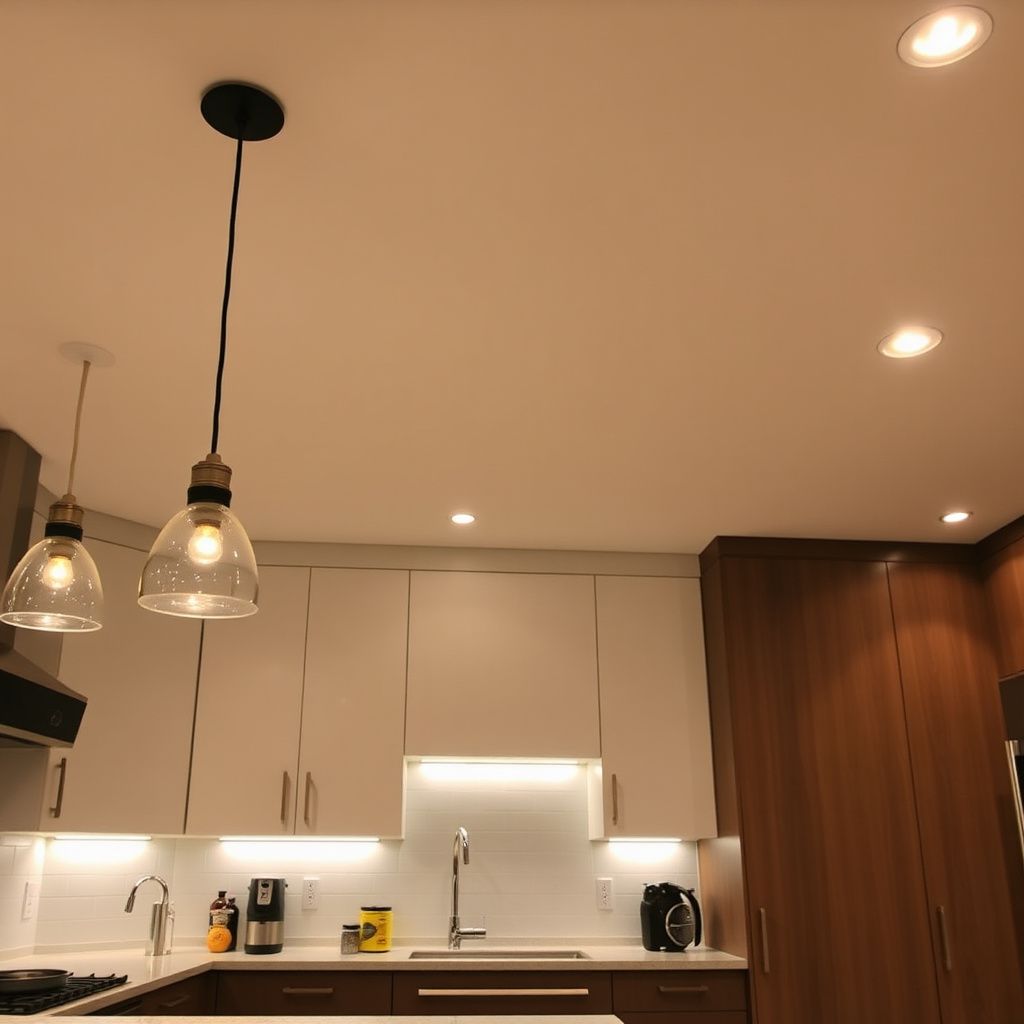
Types of Kitchen Lighting
Layered lighting combines ambient, task, and accent lights to meet various needs. Ambient lighting provides overall illumination through ceiling fixtures. Task lighting, like under-cabinet LEDs, helps during food prep. Accent lighting highlights architectural features or decor.
Pendant lights over islands or dining spaces add both style and focused light. Choosing adjustable fixtures allows you to modify brightness as required. Energy-efficient LED bulbs reduce electricity costs and produce less heat.
- Ambient lighting for overall visibility
- Task lighting for focused work areas
- Accent lighting to highlight features
- Energy-efficient LED bulb use
Selecting Faucets and Sinks That Combine Style and Function
Kitchen faucets come in designs like pull-down, pull-out, and touchless, each enhancing usability. A deep basin sink accommodates large pots and pans, while double-bowl models separate washing and rinsing. Material choices like stainless steel resist corrosion and match most decors.
Match the faucet finish to other hardware for a cohesive look. Features such as swivel spouts and built-in filters add convenience. Prioritize durability and ease of cleaning when selecting fixtures.
- Pull-down and touchless faucets for flexibility
- Deep or double-bowl sinks for multitasking
- Stainless steel sinks for durability
- Coordinated finishes for unified design
Adding Personal Touches and Decorative Accents
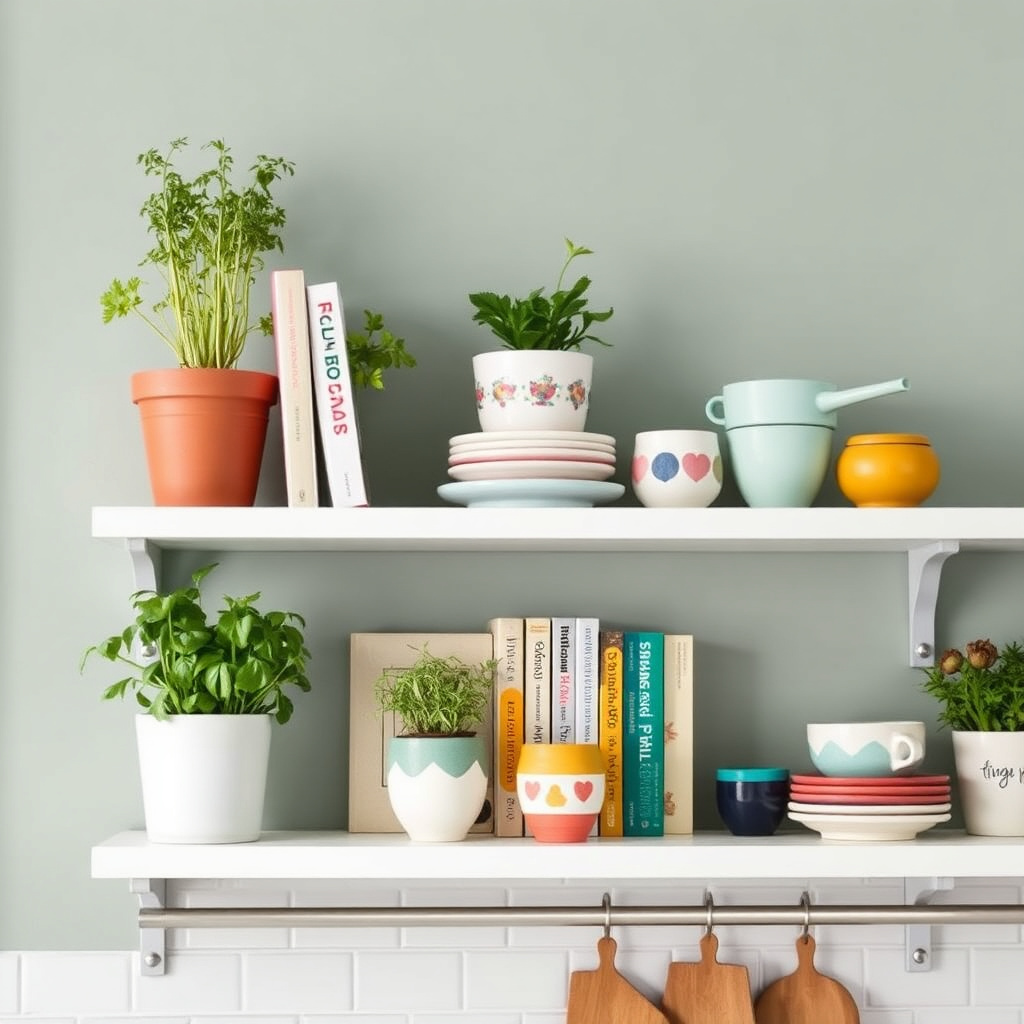
Incorporating Plants and Natural Elements
Potted herbs on windowsills provide fresh ingredients and greenery that livens up the kitchen. Decorative bowls with fruit or wooden cutting boards add natural texture. Even small plants improve air quality and create a calming vibe.
Grouping plants and natural accents together forms a focal point without cluttering. Consider easy-care plants like succulents if you lack time for maintenance.
- Use herbs to combine function and decor
- Add wooden or stone accessories for texture
- Choose low-maintenance plants like succulents
For a broader understanding of kitchen design history and types, see this kitchen design overview. kitchen design overview.
Using Artwork and Textile Accents
Framed prints or chalkboard walls can personalize your kitchen and brighten the mood. Colorful dish towels, rugs, and cushions add warmth and soften hard surfaces. Textiles allow seasonal or stylistic updates without major renovations.
Select patterns and colors that complement your kitchen’s palette. Mixing textures brings visual interest, such as pairing smooth ceramics with woven rugs.
- Add framed prints or chalkboards for personality
- Use textiles for warmth and seasonal updates
- Combine patterns and textures thoughtfully
Comparison of Popular Kitchen Style Categories
Here’s a detailed look at common kitchen styles and how they differ in design, maintenance, and atmosphere, helping you decide which fits your taste and needs best.
| Style | Key Features | Maintenance Level | Best For | Typical Color Palette |
|---|---|---|---|---|
| Modern | Minimalist, clean lines, sleek surfaces | Medium | Compact and contemporary homes | White, gray, black, metallic accents |
| Farmhouse | Wood cabinets, vintage details, cozy feel | High | Country or rustic-themed homes | Warm neutrals, soft blues, natural wood |
| Traditional | Classic designs, detailed cabinetry, formal | Medium to high | Larger, classic homes | Warm neutrals, cream, deep woods |
| Industrial | Metal finishes, exposed pipes, rugged | Low to medium | Loft apartments, urban spaces | Gray, black, rustic metals |
| Rustic | Natural textures, raw wood, earthy tones | High | Cabins, rural homes | Browns, greens, muted earth tones |
Frequently Asked Questions
What is the easiest kitchen style to maintain?
Modern kitchens with smooth surfaces and minimal decorative elements tend to require the least maintenance, as they have fewer crevices for dirt and are generally made with easy-to-clean materials.
How can I add color without repainting walls?
Introducing colorful kitchenware, backsplashes, textiles like rugs and towels, or decorative accents such as artwork can effectively add vibrant touches without needing to paint the walls.
Are open shelves practical for kitchen storage?
Open shelves can look attractive and keep frequently used items accessible, but they require regular cleaning and organizing to prevent dust buildup and visual clutter.
What lighting is best for cooking tasks?
Task lighting under cabinets is ideal for cooking as it provides focused illumination directly on countertops, reducing shadows and helping with precision tasks.
Can I decorate a small kitchen without making it feel cramped?
Yes, using light colors, minimal decorations, vertical storage, and reflective surfaces allows a small kitchen to feel more spacious and efficient even with added decorative touches.
Key Takeaways
- Pick a kitchen style early to guide your decorating choices
- Balance aesthetic elements with practical needs for your workflow
- Use lighting and fixtures strategically to enhance both look and function
- Add personal touches like plants and textiles for warmth and character
Conclusion
When deciding how to decorate a kitchen, the best approach combines style decisions with functional considerations, creating a space that is both beautiful and practical. Your choice of style, such as modern or farmhouse, sets the tone, while materials, layout, and lighting influence usability. Keep workflow and storage needs in mind to avoid clutter and frustration later on, ensuring your kitchen remains inviting and efficient.
Different kitchens serve different needs: a family might favor a farmhouse style with ample storage and cozy accents, while someone who entertains often may prefer a modern kitchen with sleek surfaces and task lighting. For smaller kitchens, emphasize light colors and smart storage solutions to keep the area open. Consider countertop durability and cabinet finishes to match your cooking habits and maintenance expectations. This targeted approach turns abstract decoration ideas into a cohesive, livable kitchen design.
Start your kitchen decorating by selecting a style and palette that resonate with your taste and home’s character. Then prioritize storage, lighting, and workspace layout tailored to your daily routine. Adding personal touches like potted herbs or colorful textiles completes the look. Combining these thoughtful steps transforms your kitchen into a pleasing and functional heart of your home, ready for cooking and gathering.