How to Degrease Kitchen Cabinets: Effective Methods for a Pristine Kitchen
Degreasing kitchen cabinets involves removing the built-up oily residue left behind from cooking, spills, and dust. The most effective approach is to use a combination of warm water, a gentle degreaser, and soft cloths or sponges to safely break down the grease without damaging your cabinet's finish. Targeting the cabinets' surfaces regularly prevents grime buildup, which can be tougher to clean over time.
Having grease-covered cabinets not only makes your kitchen look dirty but can also attract dust and microbes. A clean surface brightens your kitchen’s appearance and reduces the chance of lingering odors or bacteria growth. Knowing how to properly degrease kitchen cabinets benefits both aesthetics and hygiene in any household.
This article explains the best cleaning agents and tools for degreasing kitchen cabinets, safe techniques for different cabinet materials, and helpful tips to maintain a grease-free environment. We also compare commercial versus homemade cleaners and address common questions on cabinet care.
Understanding Grease Buildup on Kitchen Cabinets
Sources and Types of Grease
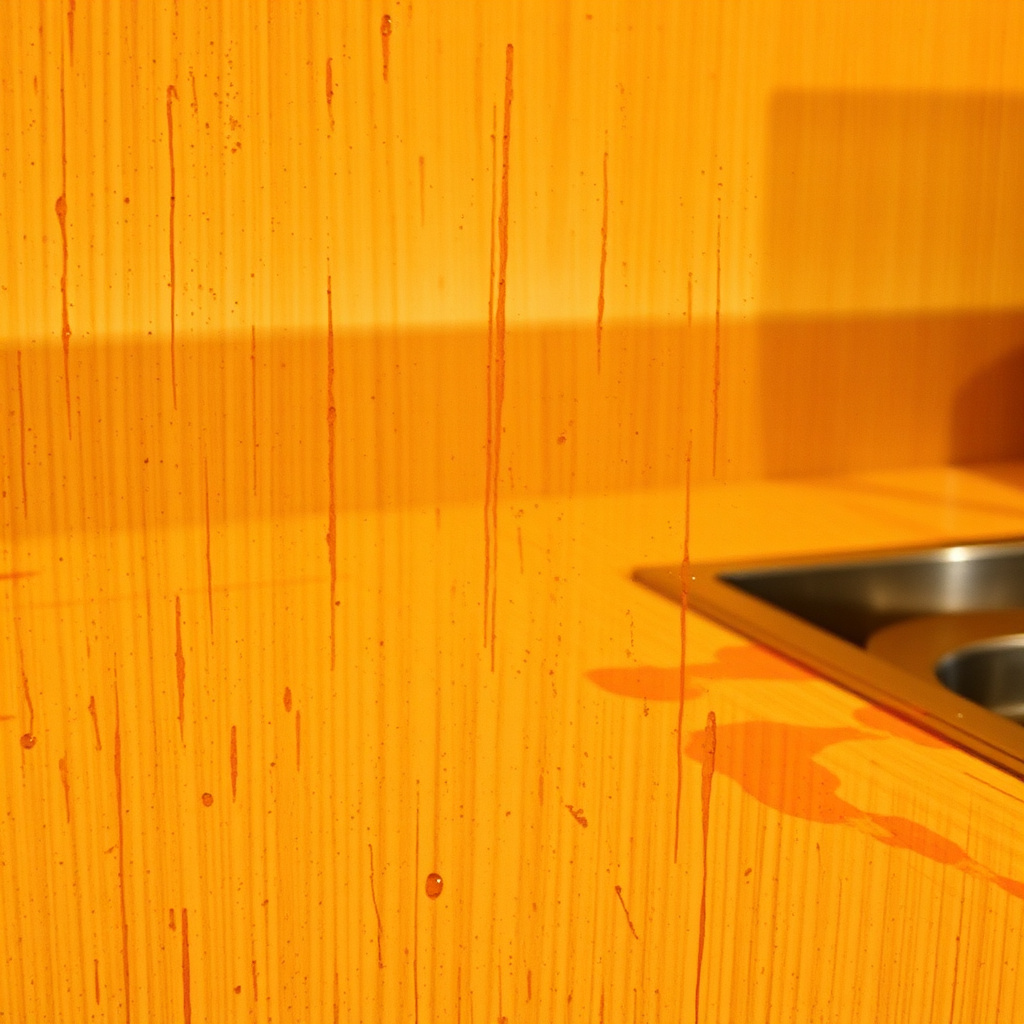
Kitchen cabinet grease mainly accumulates from cooking oils, airborne food particles, and hand contact. The fat-based residues combine with dust and humidity to form a sticky layer that traps grime over time. Identifying the source of grease can help choose the right cleaner to break it down effectively.
Different types of grease range from light film left by frying to heavy caked-on deposits from deep-frying and splattering. Dry grease tends to be harder to remove without appropriate solvents, while fresh grease often lifts with mild detergents.
Impact of Grease on Cabinet Surfaces
Grease buildup can dull cabinet finishes, darken wood grain, and cause discoloration. For painted or laminated surfaces, grease may degrade the protective coating or stick stubbornly, causing permanent stains.
Ongoing grease presence promotes the growth of mold and bacteria, especially in moist kitchens. Removing it not only preserves the look of your cabinets but also protects your kitchen's hygiene.
Effective Cleaning Agents for Degreasing Kitchen Cabinets

Commercial Degreasers vs Homemade Solutions
Commercial degreasers are specifically formulated to tackle heavy oils and can save time on stubborn grease removal. They often contain surfactants, solvents, and pH adjusters for efficient cleaning, but should be chosen carefully based on cabinet material.
Homemade solutions like vinegar, baking soda paste, or diluted dish soap offer gentler but effective alternatives. These options are safer for delicate finishes and environmentally friendly but may require more elbow grease and multiple applications.
- Commercial degreasers: strong, fast-acting
- Vinegar solution: mild acid, breaks down grease
- Baking soda paste: abrasive yet gentle
- Dish soap with warm water: common household option
Best Cleaner for Kitchen Cabinets by Surface Type
Wood cabinets benefit from mild detergents or vinegar-based cleaners to prevent damage or warping, avoiding harsh chemicals. For laminates and painted surfaces, commercial degreasers and dish soap solutions work well without stripping finishes.
Test any cleaner on a small hidden area before full application. Soft finishes or antique cabinetry require extra care, favoring homemade, non-abrasive cleaners over strong solvents.
Step-by-Step Guide to Degreasing Kitchen Cabinets

Preparation and Safety Measures
Before cleaning, remove all cabinet contents and lay down protective coverings on countertops and floors to catch drips. Ensure good ventilation and wear gloves if using chemical degreasers to protect skin.
Gather cleaning materials: chosen degreaser, warm water, microfiber cloths, soft sponges, and a bucket. Avoid abrasive scrubbers that may scratch cabinet surfaces.
Cleaning Technique for Optimal Results
Spray or apply the degreaser to a small cabinet section, allowing it to sit briefly to loosen grease. Gently rub with a dampened microfiber cloth or sponge in circular motions, rinsing frequently to prevent residue buildup.
After degreasing, wipe with a clean damp cloth to remove any remaining cleaner. Dry surfaces completely with a soft towel to prevent moisture damage and restore shine.
- Apply cleaner section by section
- Avoid soaking wood to prevent swelling
- Use minimal water, especially on wood cabinets
- Dry thoroughly after cleaning
Maintaining Degreased Cabinets to Avoid Future Build-Up

Regular Cleaning Routines
Wiping cabinets weekly with mild dish soap and water helps prevent grease buildup. Using microfiber cloths reduces smudges and residue. Spot cleaning splatters immediately after cooking keeps cabinets looking fresh longer.
Avoid harsh chemicals for routine cleaning to protect cabinet finishes. Establishing simple but consistent cleaning habits is the best defense against heavy grease accumulation.
- Weekly gentle wipe-downs
- Immediate spot cleaning
- Use non-abrasive cloths
Using Protective Measures
Installing a range hood or splatter guards reduces grease particles settling on cabinets. Keeping kitchen fans on during cooking expels airborne oils. Applying a furniture-safe sealant or wax on wooden cabinets can make future degreasing easier.
Simple measures like avoiding touching cabinets with oily hands also reduce residue buildup, extending the time between deep cleans.
- Use vent fans or range hoods
- Apply cabinet seals or wax
- Limit oily hand contact
Handling Stubborn Grease and Special Situations

Techniques for Heavy-Duty Grease Removal
For persistent grease stains, applying a commercial degreaser with a soft-bristled brush helps break down thick deposits. Letting the cleaner sit for a few minutes before gentle scrubbing intensifies the effect without damaging surfaces.
Repeat treatments may be necessary for old grime. Avoid scrubbing too hard to preserve paint or varnish layers.
- Use soft brushes, not steel wool
- Allow degreaser to penetrate grease
- Repeat as needed but gently
Dealing with Different Cabinet Materials
Laminate cabinets tolerate stronger degreasers but require thorough rinsing to avoid residue. Wood cabinets benefit from oil-based cleaners or restorers after degreasing to replenish natural oils and prevent drying.
Glass-front cabinets or those with metal trim need special attention to not scratch or corrode. Use appropriate cleaners and soft cloths suited for each material.
Environmental and Safety Considerations When Degreasing

Choosing Eco-Friendly Degreasers
Many conventional degreasers contain harsh chemicals that can harm indoor air quality and the environment. Selecting biodegradable, non-toxic products reduces impact while still effectively removing grease.
Alternatives like vinegar and baking soda are inexpensive, safe, and eco-friendly options suitable for regular kitchen cabinet cleaning.
- Look for biodegradable labels
- Avoid products with ammonia or bleach
- Consider homemade natural cleaners
For more detailed information on cabinet care, refer to the Kitchen cabinet cleaning techniques on Wikipedia. Kitchen cabinet cleaning techniques on Wikipedia.
Safe Handling and Storage of Cleaners
Store degreasers out of reach of children and pets, and keep original labels intact. Use gloves and ensure proper ventilation during use to minimize inhalation of fumes or skin contact risks.
Dispose of leftover cleaners according to local hazardous waste guidelines to avoid environmental contamination.
Comparison of Popular Kitchen Cabinet Degreasing Methods
This table highlights key features of common degreasing approaches to help you decide which fits your cleaning needs best.
| Method | Effectiveness on Heavy Grease | Surface Safety | Cost | Ease of Use |
|---|---|---|---|---|
| Commercial Degreaser | High | Varies by product, test recommended | Moderate to high | Quick application, some precautions needed |
| Vinegar and Water | Medium | Safe on most surfaces | Low | Easy to prepare and use |
| Baking Soda Paste | Medium | Gentle abrasive, good for stains | Very low | Requires scrubbing |
| Dish Soap Solution | Low to medium | Safe for all cabinets | Low | Simple and gentle |
| Oil-Based Cleaners (for wood) | High on wood | Best for wood cabinets only | Moderate | May require buffing |
Frequently Asked Questions
Can I use bleach to degrease kitchen cabinets?
Bleach is not recommended for degreasing kitchen cabinets because it can damage finishes and cause discoloration. It's better to use milder degreasers or natural alternatives tailored to your cabinet material.
How often should I degrease my kitchen cabinets?
Degreasing every three to six months is sufficient for most kitchens, with more frequent spot cleaning after heavy cooking sessions to prevent thick grease buildup.
Will vinegar damage wooden cabinets?
Undiluted vinegar can harm wood finishes; however, a diluted vinegar solution used sparingly and rinsed off promptly is typically safe for wood cabinets if tested first on an inconspicuous spot.
What is the best tool for cleaning greasy cabinets?
Soft microfiber cloths and non-abrasive sponges are ideal for cleaning greasy cabinets as they remove grime effectively without scratching or damaging surfaces.
Can degreasing damage cabinet paint or varnish?
Using harsh chemicals or abrasive scrubbers may strip paint or varnish. It’s important to select appropriate degreasers and test cleaners first to protect cabinet finishes.
Key Takeaways
- Use gentle, suitable cleaners according to cabinet material to avoid damage.
- Regular mild cleaning prevents heavy grease accumulation and eases maintenance.
- Commercial degreasers offer strong cleaning but should be chosen carefully.
- Eco-friendly methods like vinegar and baking soda are effective for routine cleaning.
Conclusion
Choosing how to degrease kitchen cabinets depends on the type of cabinet material, severity of grease buildup, and personal preferences for cleaning products. Understanding the grease's nature and cabinet finish guides the selection of the right cleaner, whether commercial or homemade. Consistent care keeps your kitchen looking fresh and reduces your workload over time. The main keyword 'how to degrease kitchen cabinets' represents this process of combining knowledge and practical techniques for effective cleaning without harm.
For heavy grease or commercial settings, strong degreasers with surfactants provide quick results but require cautious use, especially on wood and painted surfaces. Alternatively, home-cooked solutions using diluted vinegar or baking soda excel for everyday maintenance and are safer for delicate finishes. Implementing regular wiping routines together with protective measures, such as sealing wood cabinets or improving kitchen ventilation, substantially minimizes future grease accumulation.
Ultimately, your best next step is to identify your cabinet's material and test a small area with your chosen cleaning method, whether a commercial degreaser or a gentle homemade solution. Scheduling regular mild cleanings and taking preventive actions against grease buildup will prolong your cabinets' appearance and function. This practical approach ensures your kitchen remains a pleasant, healthy space for daily use.