How to Deep Clean Your Kitchen Efficiently and Thoroughly
Deep cleaning your kitchen means going beyond the daily wipe-downs to thoroughly disinfect, degrease, and remove dirt from every surface and appliance. This involves scrubbing countertops, cleaning behind appliances, sanitizing sinks, and organizing pantry shelves to create a spotless, hygienic space.
A kitchen that isn’t properly cleaned can harbor bacteria, grease buildup, and unpleasant odors, which all affect food safety and overall home cleanliness. Regular deep cleaning prevents pest infestations and helps maintain the longevity of kitchen appliances and surfaces.
This article breaks down the process into clear steps, from decluttering and clearing countertops to specific cleaning techniques for appliances, cabinets, floors, and more. You’ll also learn about kitchen cleaning tips that make the job easier and more thorough.
Preparing for a Kitchen Deep Clean

Declutter and Organize Workspaces
Start by removing all items from countertops, stovetops, and sinks to give yourself a clear area. Sort through utensils, spices, and food supplies to discard expired or unused products. Organizing these items not only makes cleaning easier but also helps maintain a clutter-free kitchen afterward.
Grouping similar items and placing them back systematically can streamline future kitchen tasks. This initial phase lays the groundwork for an efficient deep clean.
- Clear countertops and stovetop
- Sort pantry items by expiry
- Organize utensils and gadgets
Gather Essential Cleaning Supplies
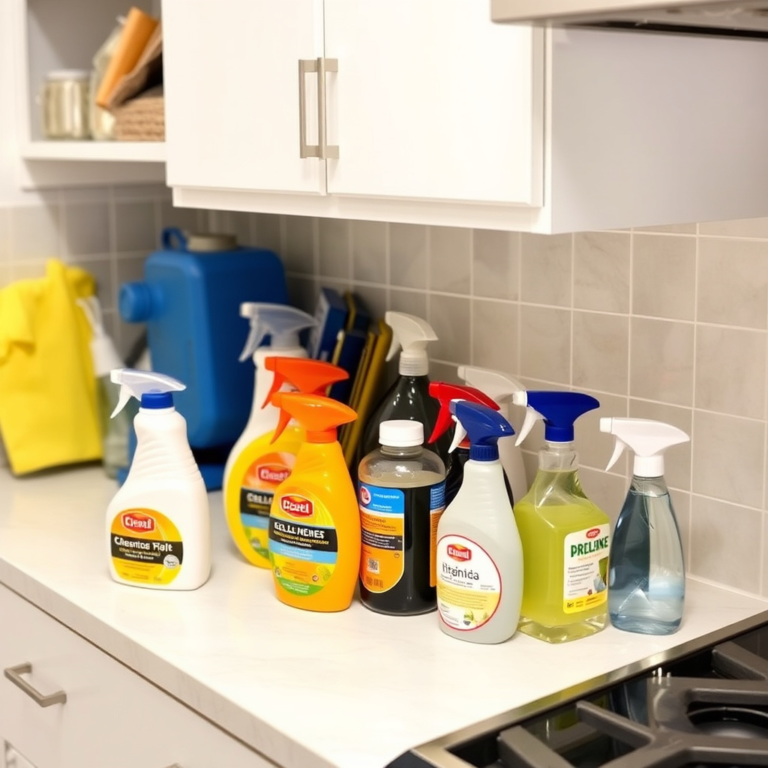
Collect cleaning materials such as all-purpose cleaner, degreaser, disinfectant, scrub brushes, microfiber cloths, and gloves. Having everything prepared helps maintain momentum during the cleaning process without frequent interruptions.
Choose eco-friendly or kitchen-safe products to protect surfaces and avoid harmful chemical residues. Consider specialty products for stainless steel or wood surfaces if applicable.
- All-purpose cleaner
- Degreaser
- Disinfectant spray
- Scrub brushes and sponges
- Microfiber cloths
- Protective gloves
Deep Cleaning Kitchen Appliances

Cleaning the Oven and Stove
Remove oven racks and soak them in warm soapy water. Use a scraper or baking soda paste to eliminate grease and baked-on food inside the oven cavity. For gas stovetops, dismantle burner grates to scrub away grease and spills thoroughly.
Regular deep cleaning of these appliances prevents buildup that can affect cooking performance and safety.
- Soak oven racks
- Use baking soda paste to scrub oven interior
- Dismantle and wash stovetop grates
Refrigerator and Microwave Maintenance
Empty the refrigerator, discard expired items, and clean shelves with a mild detergent solution. Vacuum the condenser coils to improve efficiency. For microwaves, wipe down interior walls and turntables with a vinegar-water solution to remove stains and odors.
Consistent cleaning extends appliance lifespan and improves hygiene where food is stored and reheated.
- Clean shelves and drawers
- Vacuum refrigerator coils
- Wipe microwave interior with vinegar solution
Sanitizing Surfaces and Fixtures

Countertops and Backsplashes
Wipe down countertops using an appropriate cleaner for the material—granite, laminate, or wood. Pay special attention to grout lines or seams, where dirt accumulates. Follow this with a disinfectant spray to kill germs and bacteria effectively.
Routine sanitization reduces the risk of cross-contamination during food preparation.
- Use tailored cleaners for material type
- Clean grout and seams thoroughly
- Apply disinfectant after cleaning
Sink and Faucet Cleaning
Scrub sinks with a mild abrasive or baking soda to remove stains and soap scum. Clean faucet aerators to improve water flow and remove mineral deposits. Periodic disinfecting helps maintain a germ-free sink area.
This process also helps prevent unpleasant odors and clogs caused by residue buildup.
- Use baking soda for sink stains
- Clean faucet aerators
- Disinfect sink basin and handles
Cleaning Cabinets and Drawers

Exterior Cabinet Surfaces
Wipe down cabinet doors and handles with a gentle cleaner that won’t damage finishes. Grease often accumulates around handles, so focus extra attention there. Dry surfaces to prevent water damage, especially on wood cabinets.
Regular cleaning preserves cabinet look and prevents buildup that attracts dirt.
- Use mild cleaning solution
- Focus on handles and edges
- Dry wood cabinets thoroughly
Inside Cabinets and Drawers
Remove contents and vacuum crumb debris. Wipe interior surfaces with a damp cloth and mild detergent. Adding shelf liners can protect surfaces and simplify future cleanings.
Organizing items inside while cleaning helps maintain order and reduces clutter.
- Vacuum crumbs and dust
- Wipe with mild detergent
- Add shelf liners for protection
Floors and Trash Management

Floor Cleaning Techniques
Sweep or vacuum kitchen floors to remove loose dirt. Mop with a cleaner suited to your floor type—tile, hardwood, or vinyl. Target corners and under cabinets where debris tends to accumulate. Regular deep cleaning keeps floors safe and visually appealing.
Pay special attention to grout lines on tile floors to avoid discoloration.
- Sweep or vacuum thoroughly
- Use floor-appropriate cleaner
- Focus on edges and grout
Trash Bins and Recycling Areas
Empty all waste bins and wash them with disinfectant to eliminate odors and bacteria. Clean lids and surrounding areas to prevent pest attraction. Use liners and regularly sanitize recycling containers to maintain a clean waste management area.
Keeping this space clean supports overall kitchen hygiene and air quality.
- Disinfect trash bins and lids
- Clean recycling containers
- Use liners to minimize mess
Final Touches for Lasting Cleanliness

Air Freshening and Vent Cleaning
Replace or clean range hood filters and vents to improve air quality and remove lingering cooking odors. Airing out the kitchen by opening windows helps circulate fresh air and keeps the environment pleasant during and after cleaning.
Consider natural air fresheners like lemon peels or essential oils for subtle scents without chemicals.
- Clean or change range hood filters
- Open windows for ventilation
- Use natural air fresheners
For official advice on maintaining food safety and hygiene in the kitchen, consult Kitchen cleaning guidance from the CDC. Kitchen cleaning guidance from the CDC.
Maintaining the Deep Cleaning Routine
Set a schedule for regularly repeating deep cleaning tasks like appliance and cabinet cleaning. Keeping a checklist ensures no area is overlooked. Incorporating periodic spot checks between deep cleans helps the kitchen stay fresh longer.
Consistency preserves the effort invested and supports a healthier kitchen environment.
- Create a deep cleaning schedule
- Use checklists for thoroughness
- Perform spot cleaning weekly
Comparison of Kitchen Cleaning Methods
This table contrasts various kitchen cleaning methods to help you choose the best approach for your needs.
| Method | Effectiveness | Time Required | Cost | Best For |
|---|---|---|---|---|
| Manual Scrubbing | High | 2-4 hours | Low | Detailed surface cleaning |
| Steam Cleaning | Moderate | 1-2 hours | Medium | Grease and grime removal |
| Chemical Cleaners | High | 1-3 hours | Medium | Disinfecting and degreasing |
| Pressure Washing | Very High | Less than 1 hour | High | Outdoor kitchen surfaces |
| Natural Cleaners (vinegar, baking soda) | Moderate | 2-3 hours | Low | Eco-friendly cleaning |
Frequently Asked Questions
How often should I deep clean my kitchen?
Deep clean your kitchen every three to six months, or more frequently if you cook often. Regular maintenance like daily wiping helps keep the kitchen hygienic between deep cleaning sessions.
What’s the best way to clean greasy stovetops?
Use a degreaser designed for kitchen use or a baking soda paste applied to the greasy area. Let it sit a few minutes before scrubbing with a non-abrasive brush to effectively remove built-up grease.
Can I use bleach for kitchen cleaning?
Bleach can disinfect, but it should be used sparingly and diluted properly. Avoid mixing it with other cleaners, especially ammonia or vinegar, as this creates harmful fumes.
How do I clean under heavy appliances?
If possible, pull out appliances like your refrigerator or stove carefully to clean underneath. Use a vacuum or broom to remove debris, followed by mopping. If moving isn’t possible, use long-handled tools to reach underneath.
Are natural cleaners effective for kitchen deep cleaning?
Natural cleaners like vinegar and baking soda can handle many cleaning tasks, especially for removing stains and odors. However, they might be less effective against stubborn grease and heavy grime compared to commercial degreasers.
Key Takeaways
- Start by decluttering and organizing kitchen spaces before cleaning.
- Use suitable cleaners and techniques for different appliances and surfaces.
- Sanitize all high-contact areas including sinks, faucets, and countertops.
- Establish a cleaning routine to keep your kitchen healthy and fresh.
Conclusion
Choosing how to deep clean your kitchen requires balancing thoroughness with practical time management. Focus on clearing spaces first, gather the right cleaning materials, and tackle appliances and surfaces systematically. Understanding the materials and cleaning methods suitable for your kitchen helps protect surfaces and extends the lifespan of fixtures and appliances. This planned approach minimizes frustration and wasted effort.
If you prefer a hands-on, detailed method, manual scrubbing combined with baking soda and vinegar works well for most kitchens. For tougher grease, chemical degreasers or steam cleaning can provide more power. Pay attention to often overlooked areas like under appliances, inside cabinets, and vents to maintain total kitchen hygiene. Incorporate routine spot cleaning weekly to preserve the effort of your deep cleans.
To keep your kitchen in top condition, pick a convenient day quarterly for a comprehensive deep clean and stick to it. Use checklists to avoid missing steps and maintain supplies ready to prevent delays. With the right knowledge and approach, deep cleaning your kitchen becomes less of a chore and more of an achievable task that supports food safety and a pleasant cooking environment.