How Much to Renovate Kitchen: Budgeting Your Kitchen Remodel
The cost to renovate a kitchen typically ranges from $10,000 to $50,000 or more, depending on the size, materials, and scope of the remodel. Factors like new appliances, cabinetry, countertops, flooring, and labor costs largely influence the final price. Whether you're doing a minor refresh or a full-scale overhaul, knowing your budget upfront helps you make wiser choices.
Kitchen renovations can greatly impact a home's value and usability, so understanding the potential expenses matters a lot. Knowing how much to renovate kitchen spaces allows homeowners to avoid overspending and align their expectations with the results. Costs vary with design preferences, quality of finishes, and regional labor charges, making budget planning essential.
This article breaks down typical renovation costs, compares budget levels, explores where expenses go, and explains key factors to budget for when renovating a kitchen. We'll also cover cost-saving tips and present a comparison of different renovation scopes.
Understanding Kitchen Renovation Costs
Major Components Driving Costs
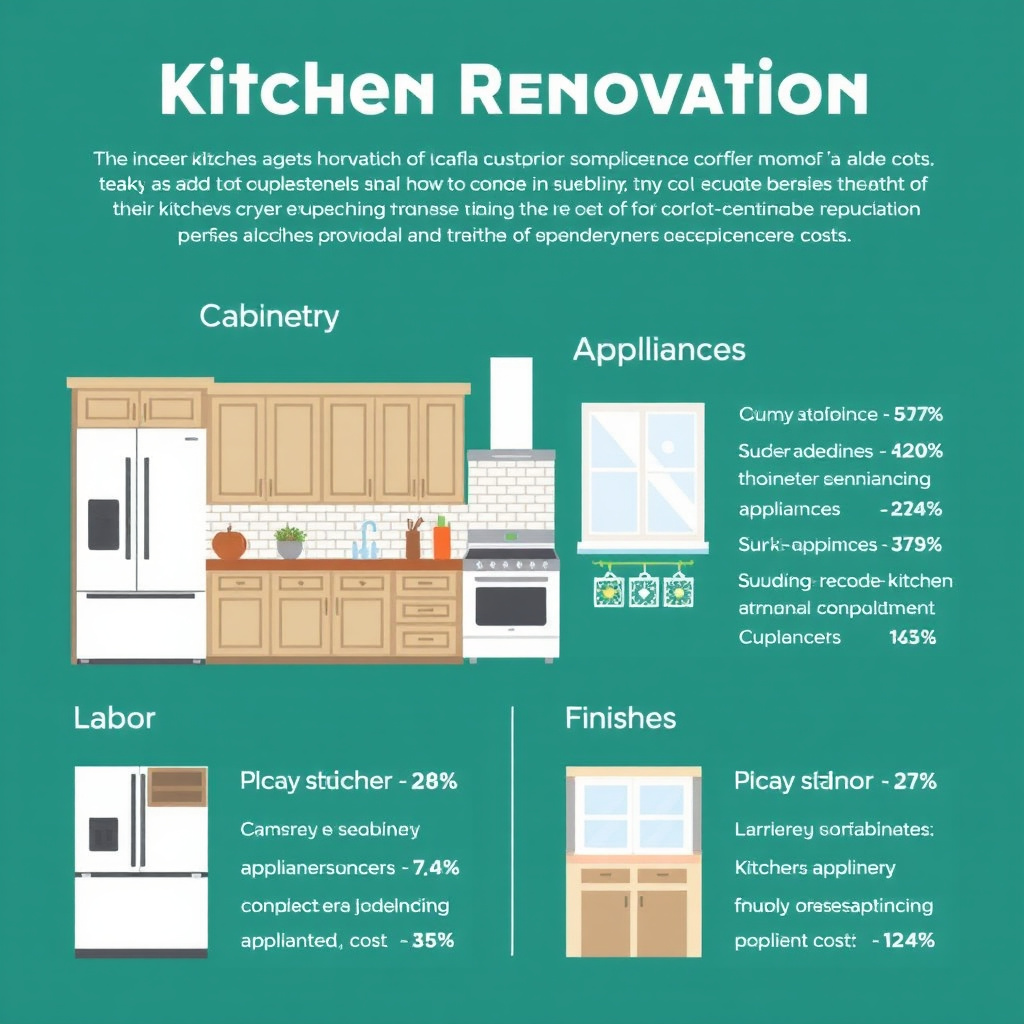
The biggest expenses in a kitchen renovation include cabinetry, countertops, and appliances. High-end timber cabinets can be expensive, while laminate options reduce cost significantly. Countertop materials vary, with granite or quartz priced higher than laminate or tile. Appliances range from standard models to premium, smart-enabled versions, affecting budget accordingly.
Labor costs vary by region, complexity of installation, and subcontractor fees. Plumbing or electrical updates increase costs further if your renovation involves layout changes. Flooring and backsplash are additional variables depending on material quality and installation difficulty.
Average Kitchen Renovation Cost by Scope
A basic kitchen remodel that involves cosmetic updates like painting cabinets, replacing fixtures, and minor appliance upgrades can cost $10,000 to $15,000. Mid-range remodels including new cabinets, quality countertops, flooring, and appliances typically range from $20,000 to $35,000.
High-end renovations, which may involve layout redesign, premium material selection, custom cabinetry, and top-tier appliances, easily push costs past $50,000. Knowing where your project fits on this scale helps establish realistic expectations.
- Basic refresh: $10,000-$15,000
- Mid-range remodel: $20,000-$35,000
- Luxury renovation: $50,000+
Budgeting for Materials and Finishes

Material Choices That Affect Budget
Choosing materials plays a significant role in kitchen renovation cost. Opting for engineered quartz or granite countertops is pricier but offers durability and aesthetics. Wood cabinetry varies widely; solid hardwoods cost more than MDF or plywood options. Flooring choices such as hardwood or natural stone add to expenses compared to vinyl or ceramic tile.
Backsplashes also vary in price, with glass tiles or custom mosaics generally more costly than simple ceramic or subway tile. Material prices sometimes fluctuate seasonally or based on availability, so planning purchases carefully can save money without sacrificing quality.
Balancing Quality and Cost
The average kitchen renovation cost depends largely on balancing high-quality materials with budget constraints. Selecting durable yet cost-effective options prevents premature replacements and adds to long-term value. For example, choosing mid-grade quartz over luxury granite can save thousands without losing appeal.
Consulting with suppliers and contractors will give clearer pricing and help choose finishes aligned with both your vision and your financial limits. Mixing premium and budget-friendly materials strategically throughout the kitchen is a smart way to manage expenses.
Labor and Professional Fees

Understanding Contractor and Labor Costs
Labor typically accounts for 20% to 35% of a kitchen renovation budget. Skilled tradespeople like plumbers, electricians, and carpenters charge based on experience and local market rates. Complex projects involving structural changes or rerouting utilities will increase labor intensity and thus total costs.
Project management fees from general contractors also add to the budget. While these fees might seem overhead, having a professional manage sub-contractors and timelines often leads to smoother, faster renovation outcomes.
- Plumbing upgrades increase labor cost
- Electrical rewiring adds complexity
- Project management fees vary widely
DIY vs Hiring Professionals
Choosing to do parts of the renovation yourself can reduce labor expenses significantly, especially for tasks like demolition, painting, or installing backsplash. However, jobs requiring certification—such as electrical work or plumbing—should be left to licensed professionals for safety and code compliance.
Underestimating labor complexity often results in cost overruns. Be realistic about skills and time availability when deciding which tasks to delegate or DIY.
- DIY can save money on simple tasks
- Certified work requires licensed pros
- Plan realistically to avoid delays
Kitchen Renovation Cost by Design Styles

Contemporary and Minimalist Designs
Contemporary kitchen renovations often feature sleek surfaces, clean lines, and integrated appliances, which affect budgeting. Flat-panel cabinetry and quartz countertops seen in these styles can be moderately priced, though high-gloss finishes or custom elements increase costs.
Minimalist designs reduce clutter but demand precise craftsmanship for seamless appearances, which sometimes raises labor costs despite simpler layouts.
Traditional and Farmhouse Styles
Traditional kitchens frequently use detailed wood cabinetry, ornate moldings, and classic tile backsplashes, often commanding a higher price due to craftsmanship. Farmhouse styles favor rustic wood, apron sinks, and vintage fixtures that vary in cost depending on authenticity and custom details.
Choosing period-appropriate materials or handmade accents can boost expenses, but these designs tend to hold lasting appeal and value.
Hidden Costs and Unexpected Expenses

Common Surprise Costs During Renovation
Issues like outdated wiring, hidden water damage, or structural problems can surface once renovation begins, adding unplanned expenses. Inspection before starting helps identify these hidden costs but sometimes cannot predict everything. Contingency funds of about 10-20% of your budget are recommended.
Delays caused by material shortages, contractor scheduling conflicts, or permitting can increase overall costs. Transparent communication with your contractor can mitigate some risks.
- Water or mold damage discovered
- Electrical rewiring needs
- Permit and inspection fees
- Unforeseen structural fixes
Planning for Contingencies
Including contingency money in your budget provides a financial buffer for surprises. Planning with a contractor about potential additional work helps keep expectations aligned and reduces stress if costs fluctuate.
Regular budget reviews during renovation allow adjustments and prevent overspending. This proactive approach can make a significant difference in staying on track.
Cost-Saving Tips for Kitchen Renovations

Smart Material Substitutions
Replacing expensive granite countertops with engineered quartz or using semi-custom cabinetry rather than fully custom creates notable savings. Selecting durable and easy-to-install flooring like luxury vinyl plank can cut costs without compromising aesthetics.
Repurposing or painting existing cabinets instead of full replacements refreshes the kitchen affordably while achieving a new look. Discount outlets and clearance sales offer valuable discounts for high-quality materials.
- Use engineered quartz instead of granite
- Semi-custom cabinetry reduces cost
- Luxury vinyl flooring as affordable alternative
- Refinish cabinets instead of replacing
For a detailed overview of kitchen renovation considerations and costs, see the Kitchen renovation page on Wikipedia. Kitchen renovation cost information.
Phasing and Prioritizing Renovation Work
Splitting your renovation into phases, such as tackling cabinetry and counters first, then flooring or lighting later, spreads out costs over time and lessens financial pressure. Prioritizing changes with the highest impact enhances your kitchen function early on.
Waiting for seasonal promotions or bundling appliance purchases can also shrink expenses. Careful scheduling maximizes budget efficiency and allows time to adjust plans if needed.
- Divide work into manageable phases
- Prioritize impact areas first
- Shop during sales or promotions
- Bundle purchases for deals
Kitchen Renovation Cost Category Comparison
Here is a comparison table outlining price ranges and benefits across different kitchen renovation project categories.
| Category | Typical Cost Range | Key Features | Ideal For |
|---|---|---|---|
| Basic Refresh | $10,000-$15,000 | Painting, minor updates, replacing fixtures | Small budgets, cosmetic updates |
| Mid-range Remodel | $20,000-$35,000 | New cabinets, counters, flooring, appliances | Families wanting functional upgrades |
| Luxury Renovation | $50,000+ | Layout redesign, custom cabinetry, premium materials | High-end properties, full renovation |
| DIY Partial Renovation | Varies, usually under $15,000 | Self-installed elements like paint, backsplash | Cost-conscious, skilled homeowners |
Frequently Asked Questions
What is the average kitchen renovation cost?
The average kitchen renovation cost typically falls between $20,000 and $35,000, depending on materials and labor involved.
How can I reduce kitchen renovation expenses?
You can reduce expenses by choosing semi-custom cabinets, cheaper but durable materials, doing some tasks yourself, and planning renovations in phases.
Are permits required for kitchen renovations?
Depending on your location and the scope of work such as electrical or plumbing changes, permits may be required to comply with building codes.
Should I expect unexpected costs during my renovation?
Yes, it’s common to face unexpected costs from hidden damage or code upgrades, so setting aside a 10%-20% contingency budget is recommended.
How long does a kitchen renovation typically take?
Kitchen renovations usually last from 4 to 8 weeks, depending on project complexity and availability of materials and labor.
Key Takeaways
- Kitchen renovation costs range widely based on project scope.
- Material choices and labor represent the largest expenses.
- Unexpected issues mean a contingency budget is essential.
- Phasing projects and smart substitutions can save money.
Conclusion
Determining how much to renovate kitchen spaces requires balancing your goals, available budget, and the quality you want in materials and design. While estimating costs can feel overwhelming due to various influencing factors, breaking down expenses into categories like cabinetry, appliances, and labor helps organize the process. Being prepared for hidden issues and allocating a contingency budget allows better financial control and less stress during the renovation.
If your goal is a modest refresh, focusing on cosmetic updates such as repainting, changing fixtures, and minor appliance upgrades fits smaller budgets around $10,000 to $15,000. For those seeking enhanced functionality without excessive spending, mid-range remodels between $20,000 and $35,000 work well. Larger projects, including high-end materials and layout changes, naturally push costs beyond $50,000, suited for maximizing home value and creating a custom kitchen.
Once you clarify your renovation priorities and cost limits, you can plan effectively by consulting professionals, sourcing materials wisely, and possibly doing simple tasks yourself. The next step is obtaining detailed quotes and establishing a phased timeline if needed, to keep control over the budget while achieving a kitchen that suits both your lifestyle and financial plan.