How to Clean Kitchen Appliances Effectively for a Spotless Home
Cleaning kitchen appliances properly involves removing grease, food residues, and bacteria without damaging the surfaces or mechanics. Start by unplugging appliances and using the right cleaners—usually mild detergents or baking soda solutions work best. Focus on accessible parts like drip trays, seals, and knobs for a thorough clean.
Maintaining clean kitchen appliances not only improves hygiene but also extends their lifespan and enhances performance. Neglecting regular cleaning can cause buildup that leads to unpleasant odors, inefficiency, or even breakdowns. A routine cleaning schedule prevents these issues and maintains a welcoming cooking environment.
This article covers how to clean various kitchen appliances, including refrigerators, ovens, microwaves, dishwashers, and coffee makers. We'll explore specific techniques, recommended cleaning agents, safety tips, and step-by-step instructions so you can keep your kitchen appliances in top shape with minimal effort.
Cleaning Refrigerators: Removing Odors and Stains

Daily and Weekly Maintenance Tips
Wipe spills immediately using a damp cloth and mild detergent to prevent stains and odors. Regularly check and discard expired foods to minimize bad smells. Clean door seals with warm soapy water to remove accumulated grime and maintain a tight seal.
Use a baking soda solution for weekly cleaning to neutralize odors. Empty the fridge, remove shelves if possible, and wash them in warm soapy water. Dry thoroughly before placing components back inside to avoid mold growth.
- Wipe spills right away
- Discard expired items weekly
- Clean door seals with mild soap
- Use baking soda to absorb odors
Deep Cleaning and Maintenance
Every few months, unplug the refrigerator and clean the drip pan and condenser coils. Dusty coils reduce efficiency and increase energy use. Carefully vacuum or brush coils without bending the fins.
To deep clean the interior, use a mixture of water and white vinegar, which disinfects and deodorizes. Avoid harsh chemicals that can leave residues or damage surfaces. Ensure all parts are dry before reassembling to prevent moisture buildup.
- Unplug before deep cleaning
- Vacuum condenser coils gently
- Use vinegar-water solution inside
- Dry parts completely before reassembly
How to Clean Ovens Without Harsh Chemicals
Manual Cleaning Techniques
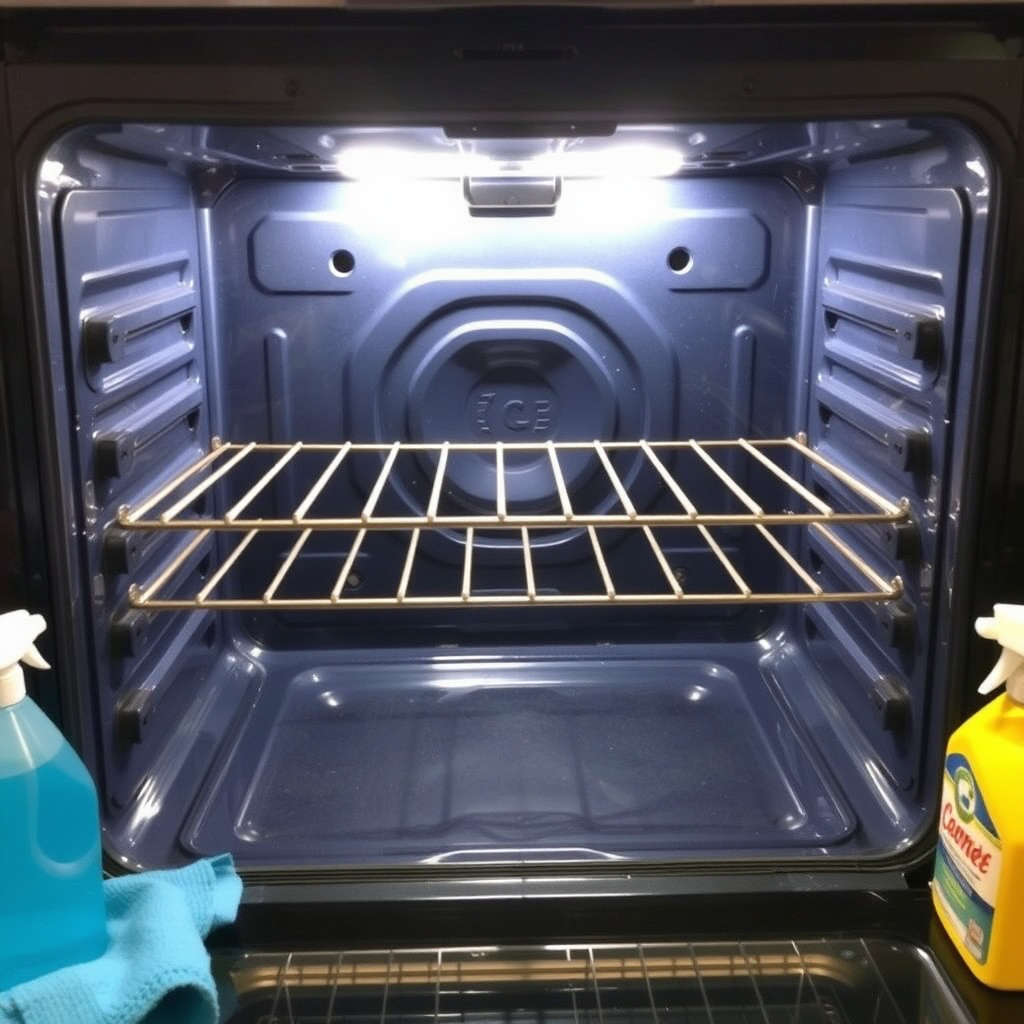
Remove oven racks and soak them in warm, soapy water for easier grease removal. For the oven interior, a paste made from baking soda and water applied overnight breaks down grime. Afterward, wipe with a damp cloth to remove residue.
Avoid using commercial oven cleaners with strong chemicals if possible, as they can cause skin irritation and leave harmful fumes. Instead, focus on regular wipe-downs of spills to keep buildup manageable and minimize deep cleaning requirements.
- Soak racks in warm soap water
- Apply baking soda paste overnight
- Wipe spills promptly
- Avoid harsh commercial cleaners
Self-Cleaning Ovens: What You Should Know
Many modern ovens feature self-cleaning modes that use high temperatures to burn off residue. It's important to remove large food debris before starting and follow manufacturer instructions closely to avoid damage or excessive smoke.
Ensure good ventilation by opening windows or turning on exhaust fans during the cycle. After the process, wait for the oven to cool before wiping out the ash with a damp cloth. This method reduces manual scrubbing, saving time and effort.
- Clear debris before starting
- Follow manufacturer guidelines
- Ventilate the kitchen well
- Wipe out ash after cooling
Microwave Cleaning: Quick and Efficient Methods

Steam Cleaning with Natural Ingredients
Place a microwave-safe bowl with water and lemon slices inside and run on high for several minutes until steam forms. The steam loosens food splatters, making them easier to wipe away with a soft cloth. Lemon also deodorizes and leaves a fresh scent.
This quick method prevents buildup and can be used weekly as part of routine kitchen cleaning. Avoid abrasive scrubbing, which can scratch the microwave's interior surfaces and reduce its lifespan.
- Use water and lemon for steam cleaning
- Run microwave 3-5 minutes until steaming
- Wipe with a soft cloth afterward
- Avoid harsh scrubbing inside
Cleaning Microwave Accessories
Remove and wash the turntable and any detachable parts separately using warm soapy water. Some parts may be dishwasher safe—check your appliance manual to confirm. Thorough cleaning ensures no trapped food particles cause odors or bacteria growth.
If stains persist on the interior, use a paste of baking soda and water, apply it to spots, let it sit for 10-15 minutes, then wipe clean. Regular cleaning of all microwave components maintains both appearance and hygiene.
- Wash turntable and parts regularly
- Check dishwasher compatibility
- Use baking soda paste for stubborn stains
Dishwasher Cleaning: Maintaining Efficiency and Hygiene

Daily and Weekly Cleaning Habits
Remove food debris from the filter and spray arms regularly to prevent clogging and ensure optimal cleaning performance. Wipe door seals and edges to remove grime and avoid mold formation.
Run an empty cycle with white vinegar or a specialized dishwasher cleaner monthly. This dissolves lime scale and soap scum, helping your dishwasher maintain peak efficiency and prolonging its service life.
- Clean filters and spray arms
- Wipe door seals
- Run empty vinegar cleaning cycle monthly
Dealing with Persistent Odors and Residue
If odors persist despite routine cleaning, sprinkle baking soda at the bottom before a rinse cycle to neutralize smells. For stubborn residues, inspect and clean hard-to-reach corners with a toothbrush and warm, soapy water.
Avoid overloading the dishwasher, as it can prevent water circulation and lead to poor cleaning results and buildup. Proper loading ensures effective cleaning and reduces the need for frequent maintenance.
- Use baking soda to neutralize odors
- Clean tight corners carefully
- Do not overload dishwasher racks
Coffee Maker Cleaning: Tips for a Better Brew

Regular Cleaning and Descaling
Fill the water reservoir with equal parts water and white vinegar and run a brew cycle without coffee grounds to descale mineral buildup. Follow by running several cycles of clean water to rinse out vinegar residues.
Clean removable parts like filters and carafes daily with warm, soapy water. This prevents oils and coffee residues from affecting the taste of your beverages and maintains hygiene.
- Descale monthly with water and vinegar mix
- Rinse thoroughly with water
- Wash filters and carafes daily
Maintaining Specialty Coffee Machines
For espresso or pod machines, consult the manufacturer's cleaning instructions, as these models often require specific descaling solutions or parts cleaning routines. Regular maintenance is key to preserving expensive machinery and brew quality.
Use a damp cloth to clean the exterior and steam wands, removing milk residues promptly to avoid clogs or bacteria buildup. Consistent upkeep improves machine lifespan and coffee flavor consistency.
- Follow manufacturer cleaning guidelines
- Clean steam wands immediately after use
- Use recommended descaling products
General Cleaning Tips for All Kitchen Appliances

Choosing the Right Cleaning Products
Avoid abrasive cleaners or harsh chemicals that can scratch surfaces or damage electronic components. Mild dish soap, baking soda, white vinegar, and specialized appliance cleaners are generally safe and effective.
Read appliance manuals to check for recommended cleaning agents. Using inappropriate products can void warranties and cause discoloration or corrosion.
- Use mild detergents and natural solutions
- Avoid abrasives and harsh chemicals
- Consult manuals for product recommendations
For additional insights on kitchen appliances and maintenance, see this cleaning kitchen appliances guide. cleaning kitchen appliances guide.
Safety and Maintenance Best Practices
Always unplug appliances before cleaning to prevent electric shock. Use soft cloths or sponges to avoid scratching. For removable parts, hand washing is preferable unless dishwasher-safe according to manufacturer guidance.
Establish a cleaning routine to prevent buildup and extend appliance life. Regular maintenance reduces repair costs and keeps kitchen appliances working efficiently.
- Unplug appliances during cleaning
- Use soft cloths and gentle washing
- Maintain a regular cleaning schedule
Kitchen Appliance Cleaning Methods Comparison
This table compares various cleaning methods for different kitchen appliances based on ease, materials needed, and frequency.
| Appliance | Recommended Cleaning Method | Frequency | Cleaning Solutions |
|---|---|---|---|
| Refrigerator | Manual wipe and baking soda deodorizing | Weekly for wiping, quarterly deep clean | Mild detergent, baking soda, vinegar |
| Oven | Baking soda paste or self-clean cycle | Monthly or after heavy use | Baking soda, water, optional oven cleaner |
| Microwave | Steam clean with lemon water | Weekly | Water, lemon juice, baking soda |
| Dishwasher | Filter cleaning and vinegar run | Monthly | White vinegar, baking soda |
| Coffee Maker | Descaling and daily component wash | Monthly for descaling, daily for parts | White vinegar, mild detergent |
Frequently Asked Questions
Can I use bleach to clean kitchen appliances?
Using bleach is generally not recommended as it can damage appliance surfaces and leave harmful residues. Mild detergents or natural cleaners like vinegar and baking soda are safer and effective alternatives.
How often should I clean my microwave?
Cleaning your microwave weekly with steam and wiping surfaces prevents buildup and odors, helping maintain a fresh and hygienic appliance.
Is it safe to use vinegar inside my oven?
Yes, vinegar diluted with water is a safe, natural cleaning agent to remove grease and odors inside ovens without harsh chemicals.
How do I prevent mold in my refrigerator?
Regular cleaning of interior surfaces and door seals, along with discarding expired food promptly, helps prevent mold growth inside your refrigerator.
What is the best way to descale a coffee maker?
Run a mixture of equal parts white vinegar and water through a brewing cycle, followed by several cycles of clean water to rinse completely.
Key Takeaways
- Use mild detergents and natural ingredients like baking soda and vinegar for safe cleaning.
- Maintain appliances regularly to avoid buildup and unpleasant odors.
- Unplug and follow manufacturer instructions to protect appliances during cleaning.
- Tailor cleaning methods to specific appliances for best results and longevity.
Conclusion
Successfully cleaning kitchen appliances hinges on understanding the right techniques and tools for each device. A sensible approach balances efficiency with care to avoid damage while removing dirt and grime effectively. Regular maintenance, avoiding harsh chemicals, and following appliance manuals ensures that appliances stay functional and hygienic over the long term.
For refrigerators and dishwashers, frequent wipe-downs and monthly deep cleans with baking soda or vinegar help combat odors and residue. Ovens benefit from either self-cleaning cycles or natural baking soda pastes, while microwaves respond well to quick steam cleaning with lemon water. Coffee makers need periodic descaling and daily component washings, especially specialty machines requiring precise care.
Start by choosing cleaning methods suited to your appliance types and schedule regular sessions to prevent tough buildup. Keeping basic supplies like mild detergent, baking soda, and white vinegar handy means you're always ready for quick touch-ups or deeper cleans. This strategy leads to a cleaner, safer kitchen where your appliances perform at their best with less effort.