How to Get Rid of Gnats in Kitchen Quickly and Effectively
Getting rid of gnats in the kitchen starts with locating their breeding grounds and removing sources of attraction like overripe fruit, damp organic matter, and food debris. Simple traps such as apple cider vinegar bowls or sticky tape can capture adult gnats quickly, while thorough cleaning cuts off their lifecycle.
Kitchen gnats are more than just a nuisance; they multiply fast and can contaminate food and surfaces. Because they thrive in moist environments and feed on fermenting materials, managing moisture and eliminating attractants creates an inhospitable environment that stops infestations from growing.
This guide covers how to identify kitchen gnats, practical steps to eliminate them using both DIY traps and cleaning strategies, and preventive tips to keep your kitchen gnat-free over time. We'll also explore some natural gnat control methods that avoid harsh chemicals, prioritizing safety while achieving fast results.
Identifying Kitchen Gnats and Their Habitats
Common Types of Kitchen Gnats
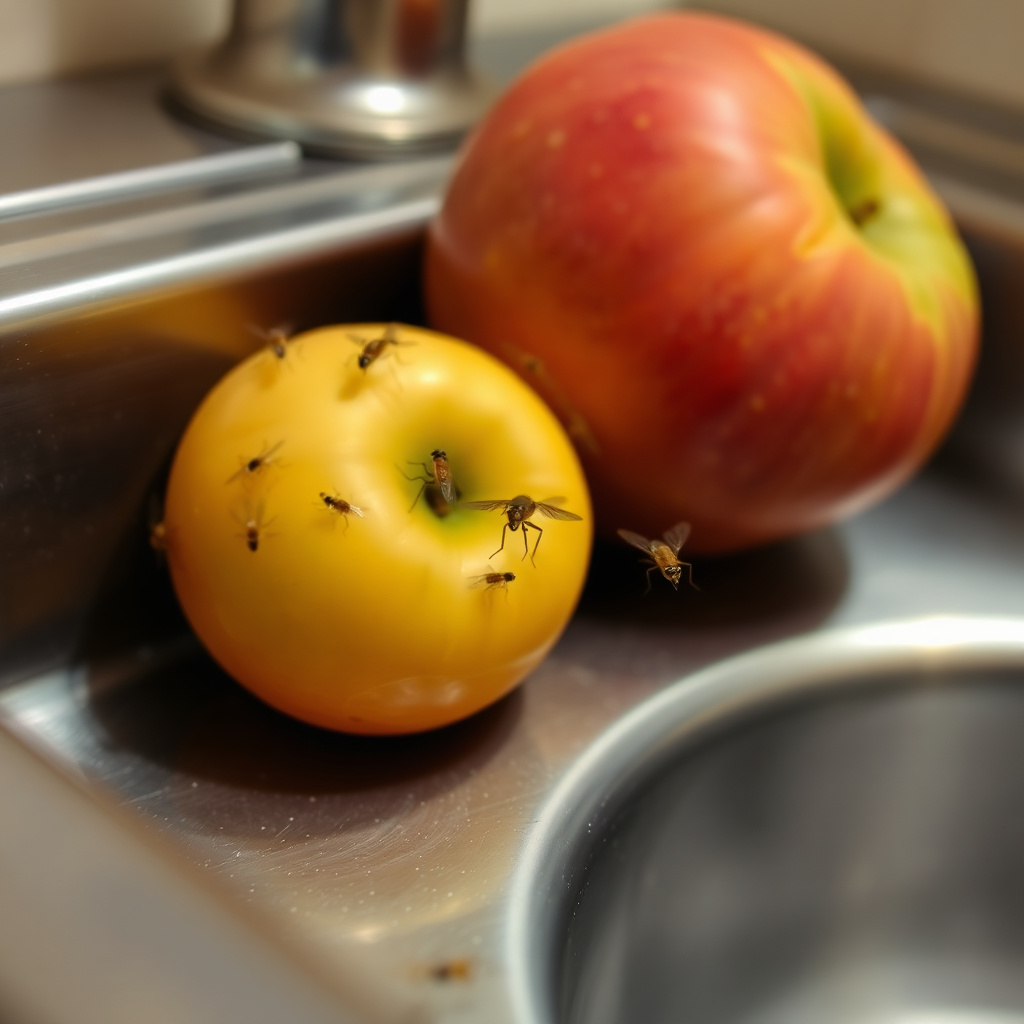
The most common kitchen gnats include fruit flies and fungus gnats. Fruit flies are attracted to fermenting fruit and sugary substances, while fungus gnats often breed in overwatered houseplants and moist soil. Recognizing these tiny, fast-moving insects helps target control strategies effectively.
Fruit flies typically have yellow-brown bodies and red eyes, appearing around ripe or decaying produce. Fungus gnats are darker and tend to hover near potted plants. Knowing these differences allows you to pinpoint breeding spots and focus your elimination efforts.
Typical Breeding Sites in the Kitchen
Gnats thrive in damp, organic environments. Common breeding grounds include overripe fruits, sink drains with biofilm buildup, wet sponges, garbage disposals, and compost bins. Even a drip or spill left uncleaned can invite gnats.
Houseplants and damp soil inside the kitchen also offer spots for fungus gnats to lay eggs. Identifying these areas with visual inspection and moisture checks helps prioritize cleanup zones.
- Overripe or rotting fruit
- Trash cans and compost bins
- Sink drains and garbage disposals
- Damp dishcloths and sponges
- Moist houseplant soil
Effective DIY Methods to Get Rid of Gnats in Kitchen
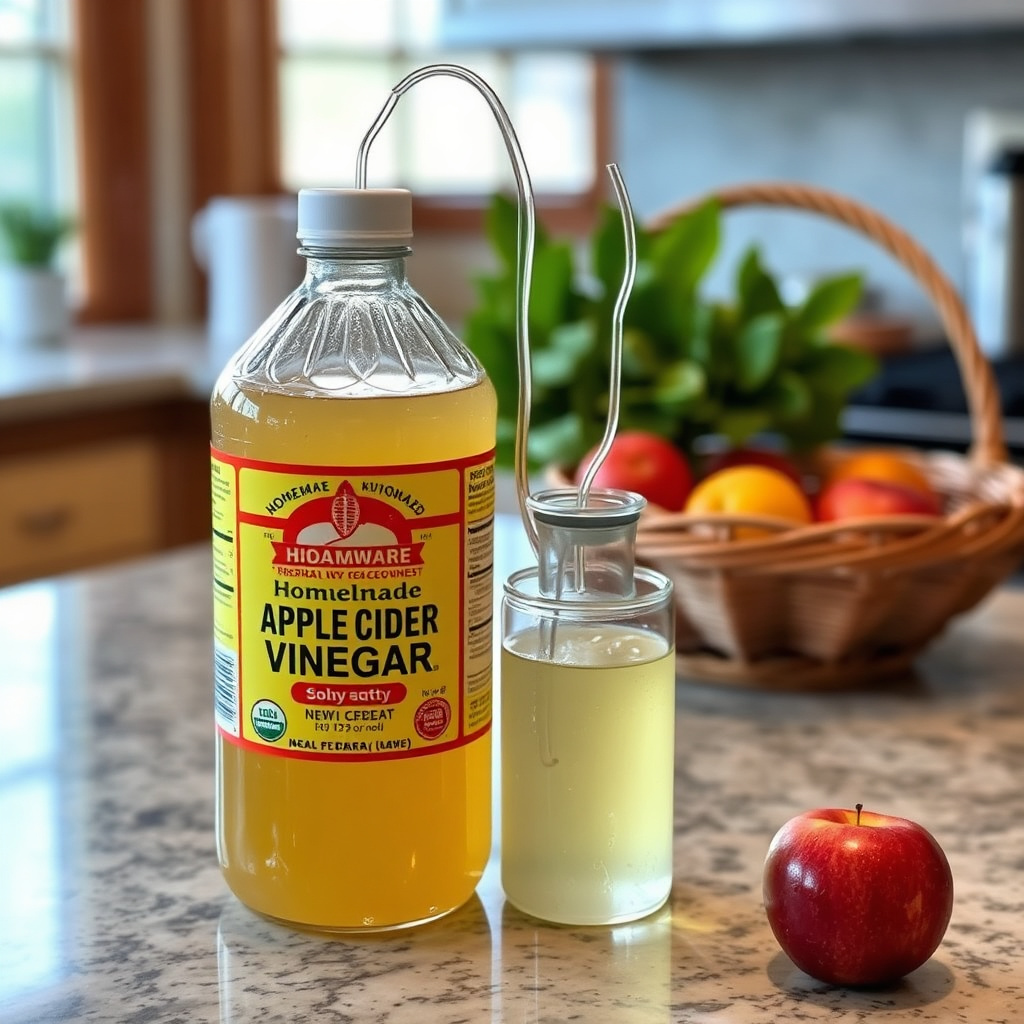
Apple Cider Vinegar and Dish Soap Trap
A simple and highly effective trap involves filling a small bowl with apple cider vinegar, adding a few drops of dish soap to break surface tension, and placing it near gnat hotspots. The vinegar attracts the gnats, and the soap traps them by preventing escape.
This method is quick, inexpensive, and chemical-free, making it safe for homes with children and pets. Regularly refreshing the mixture maintains its effectiveness over time.
- Fill bowl with apple cider vinegar
- Add 2-3 drops of dish soap
- Place near infestation areas
Sticky Traps and Red Wine Bait
Sticky flypaper strips can catch flying gnats as they hover in kitchen air. Position them near sinks, fruit bowls, and trash bins to reduce adult populations quickly.
Alternatively, leaving out a small amount of red wine in an open container attracts gnats similarly to vinegar traps. The fermented scent draws them in, and they become trapped in the liquid.
- Use flypaper strips near problem spots
- Pour small amount of red wine in container
- Replace traps regularly
Cleaning Techniques to Eliminate Gnat Breeding Grounds
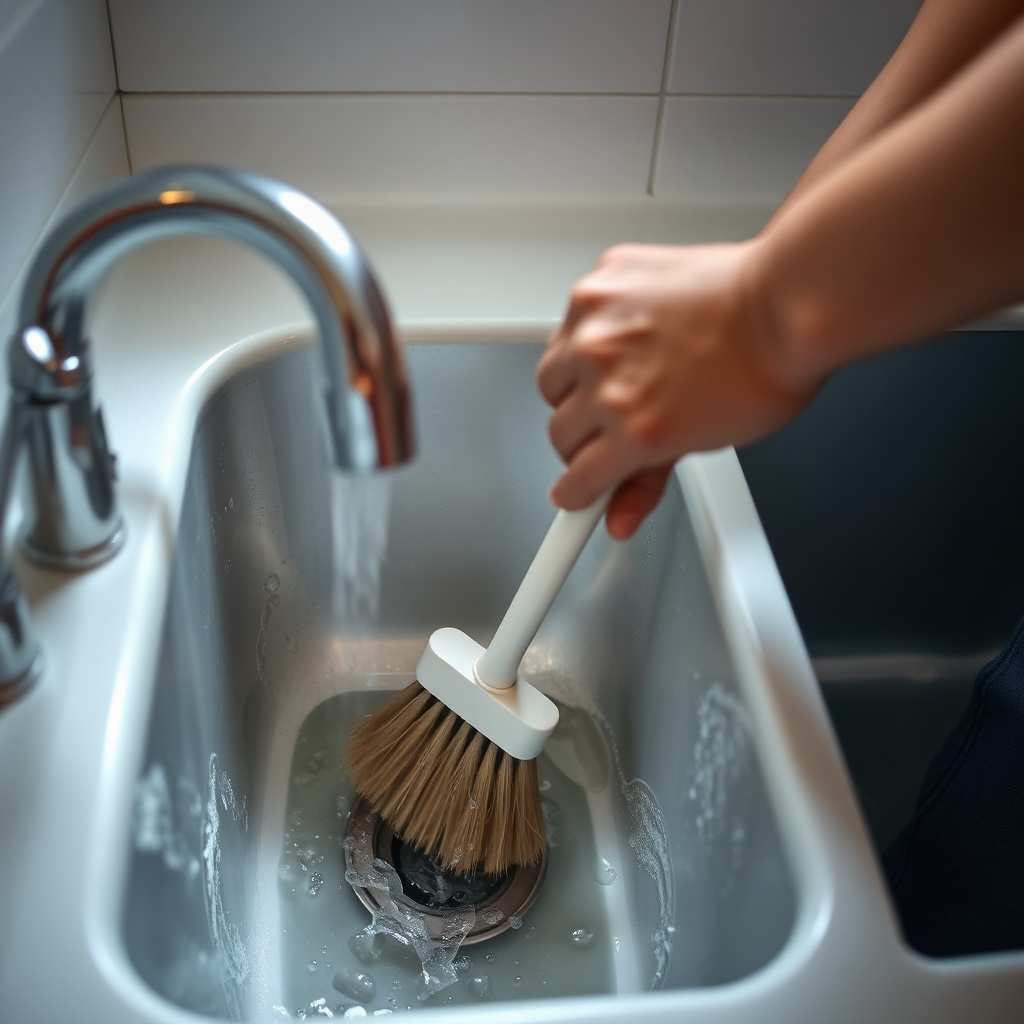
Draining and Sanitizing Kitchen Pipes
Kitchen sink drains often harbor biofilm buildup, a sticky organic matter that serves as prime breeding grounds for gnats. Using a pipe brush and a mixture of baking soda and vinegar can physically remove residue and disinfect the area.
Flushing drains with boiling water after treatment ensures residue breaks down further, making the environment unsuitable for gnat larvae.
- Use a pipe brush to scrub drains
- Apply baking soda and vinegar mixture
- Flush with boiling water
Maintaining Dryness and Cleanliness Around Moisture Areas
Wiping down countertops, drying sponges, and promptly cleaning gutters or trash bins prevents moisture buildup that gnats depend on. Avoid leaving wet cloths or dirty dishes overnight and keep compost containers tightly sealed.
Regularly empty and clean garbage disposals and wipe spills immediately. These steps reduce organic residues and stop gnats from finding breeding spots.
- Dry sponges and cloths after use
- Seal compost bins
- Clean garbage disposals regularly
- Wipe spills immediately
Using Natural Gnat Control Methods for Safe Elimination

Essential Oils That Repel Gnats
Certain essential oils such as peppermint, eucalyptus, and citronella naturally repel gnats. Mixing a few drops with water in a spray bottle and misting kitchen corners and plants discourages gnats from settling.
These natural gnat control methods are safe around food preparation areas and provide a pleasant scent while managing insects effectively.
- Peppermint oil spray
- Eucalyptus oil mist
- Citronella oil applications
Neem Oil and Other Plant-Based Treatments
Neem oil, extracted from the neem tree, acts as a natural insecticide disrupting gnat breeding cycles when applied to houseplant soil or organic matter. It reduces larvae survival without harmful chemicals.
Other plant-based options like garlic spray or chamomile tea rinses serve as deterrents. Regular application of these natural treatments maintains a gnat-free kitchen environment.
- Apply diluted neem oil to potting soil
- Spray garlic-infused water
- Use chamomile tea rinse on plants
Preventing Future Gnat Infestations in Kitchen
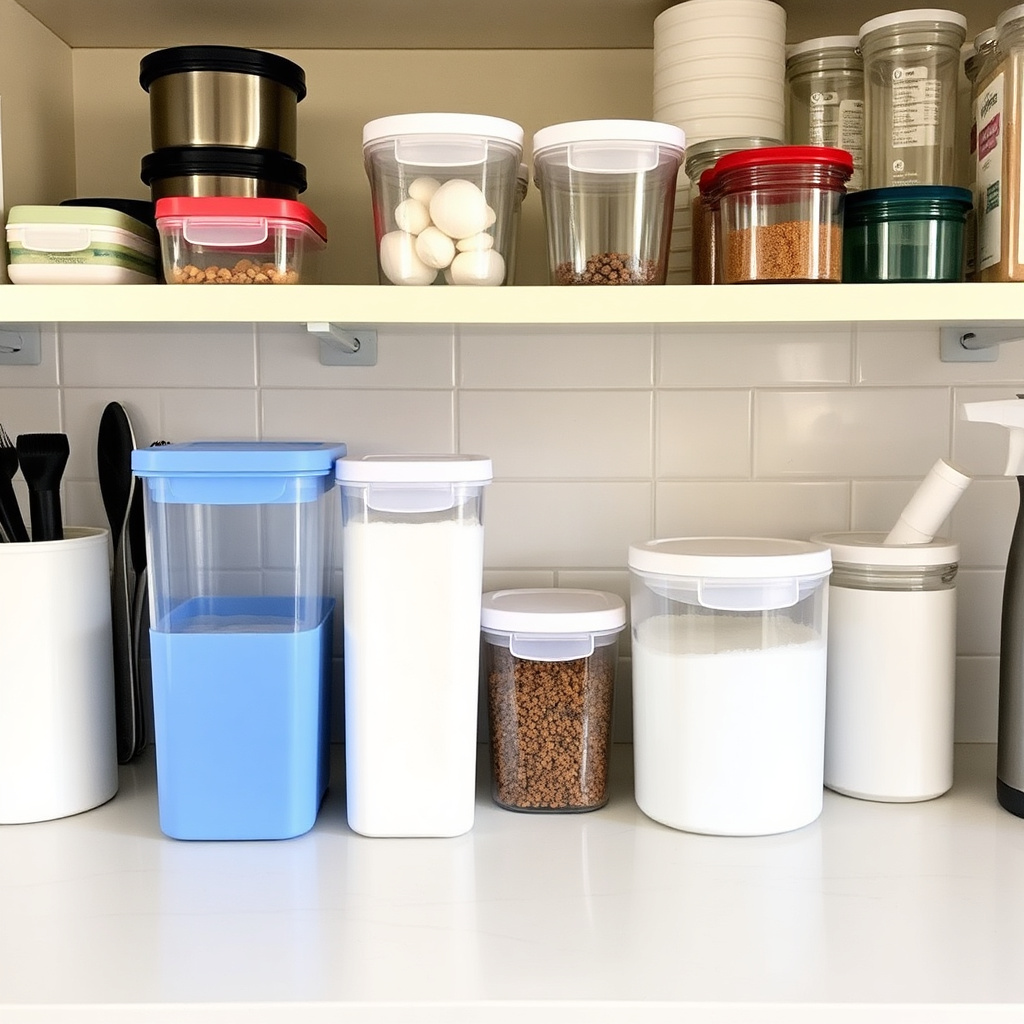
Proper Food Storage and Waste Management
Storing fruits and vegetables in the refrigerator or airtight containers limits exposure to gnats seeking fermenting produce. Disposing of food scraps in sealed trash bins and emptying compost piles frequently reduce attractants.
Regularly cleaning under appliances and removing any forgotten food debris prevents hidden breeding spots.
- Use airtight food containers
- Refrigerate ripe produce
- Seal trash and compost bins
- Clean beneath kitchen appliances
For deeper understanding, the fruit fly information on Wikipedia details the biology and behavior of common kitchen gnats. fruit fly information on Wikipedia.
Routine Kitchen Cleaning Habits
Developing a daily cleaning schedule that addresses spills, dishwashing residues, and moisture control interrupts the gnat lifecycle continuously. Wiping down counters, sanitizing drains weekly, and maintaining dry sinks keep kitchens inhospitable for gnats.
These habits complement other tactics and create long-term relief from gnat problems.
- Wipe counters daily
- Sanitize sink drains weekly
- Keep sponges dry
- Remove standing water promptly
Comparison of Kitchen Gnat Control Methods
This table compares popular kitchen gnat control options based on cost, ease of use, safety, and effectiveness to help you choose the best approach.
| Method | Cost | Ease of Use | Safety | Effectiveness |
|---|---|---|---|---|
| Apple Cider Vinegar Trap | Low | Easy | Safe for kids and pets | High for adult gnats |
| Sticky Traps | Low | Easy | Non-toxic but can be messy | Moderate |
| Essential Oils Spray | Moderate | Easy | Safe and natural | Moderate |
| Neem Oil Treatment | Moderate | Moderate | Safe if diluted | High for larvae control |
| Chemical Insecticides | Varies | Moderate | Potentially hazardous indoors | High but less recommended |
Frequently Asked Questions
How long does it take to get rid of gnats in the kitchen?
With consistent cleaning and traps like apple cider vinegar, you can reduce gnat populations significantly within a few days. Complete elimination may take one to two weeks depending on infestation severity.
Are chemical insecticides safe to use in the kitchen?
Chemical insecticides pose health risks especially in food-preparation areas and should be avoided or used with extreme caution. Natural and mechanical controls are safer and effective alternatives.
Can gnats come back after removal?
Yes, gnats can return if breeding grounds like moist soil, rotting food, or unclean drains persist. Preventive cleaning and storage habits are essential to keep them away long term.
Do gnats bite or pose health risks?
Kitchen gnats such as fruit flies and fungus gnats do not bite humans. While they do not directly transmit diseases, they can contaminate food surfaces and contribute to unsanitary conditions.
Is the apple cider vinegar trap reusable?
Apple cider vinegar traps should be refreshed every few days to maintain attraction and trapping efficiency since the bait loses potency and fills with trapped insects.
Key Takeaways
- Locate and remove breeding grounds such as overripe fruit and damp areas
- Use apple cider vinegar traps and sticky strips for quick adult gnat control
- Clean drains and maintain dryness to interrupt gnat lifecycle
- Apply natural gnat control methods like essential oils and neem oil safely
Conclusion
Dealing with gnats in the kitchen requires a multi-step approach combining identification, removal of breeding grounds, and active traps. Focusing on hygiene by cleaning moist areas like drains and eliminating fermenting fruits cuts off their reproduction. The balance between immediate removal of adults and preventing new generations keeps your kitchen comfortably gnat-free.
Natural gnat control methods such as apple cider vinegar traps, essential oils, and neem oil treatments offer safe, effective options particularly appealing to households with children or pets. For severe infestations, mechanical traps combined with rigorous cleaning routines deliver the best results. Choosing the right combination depends on your environment, tolerance for chemical use, and preference for sustainable maintenance.
Start by inspecting your kitchen for common gnat hotspots and set traps accordingly. Follow up with daily cleaning habits to keep moisture and organic debris in check. With persistence, you can swiftly regain control and enjoy a fresh, clean kitchen without the distraction of tiny flying gnats.