How to Get Rid of Kitchen Gnats Quickly and Effectively
The fastest way to get rid of kitchen gnats is to eliminate their breeding sources and trap the adults. Kitchen gnats thrive in moist, decaying organic material like overripe fruit, drains, and trash. By quickly removing these attractants and setting traps, you can stop their numbers from growing.
Gnats are more than just a minor annoyance. They indicate hidden organic waste or excess moisture in your kitchen that invites pests and can lead to hygiene problems. Addressing them early prevents larger infestations and keeps your kitchen clean and safe.
This guide covers targeted solutions for controlling gnats: sanitation steps to remove breeding grounds, homemade and commercial trap options, natural gnat repellents for kitchen use, and prevention techniques to protect your space long term.
Identifying Kitchen Gnats and Their Life Cycle
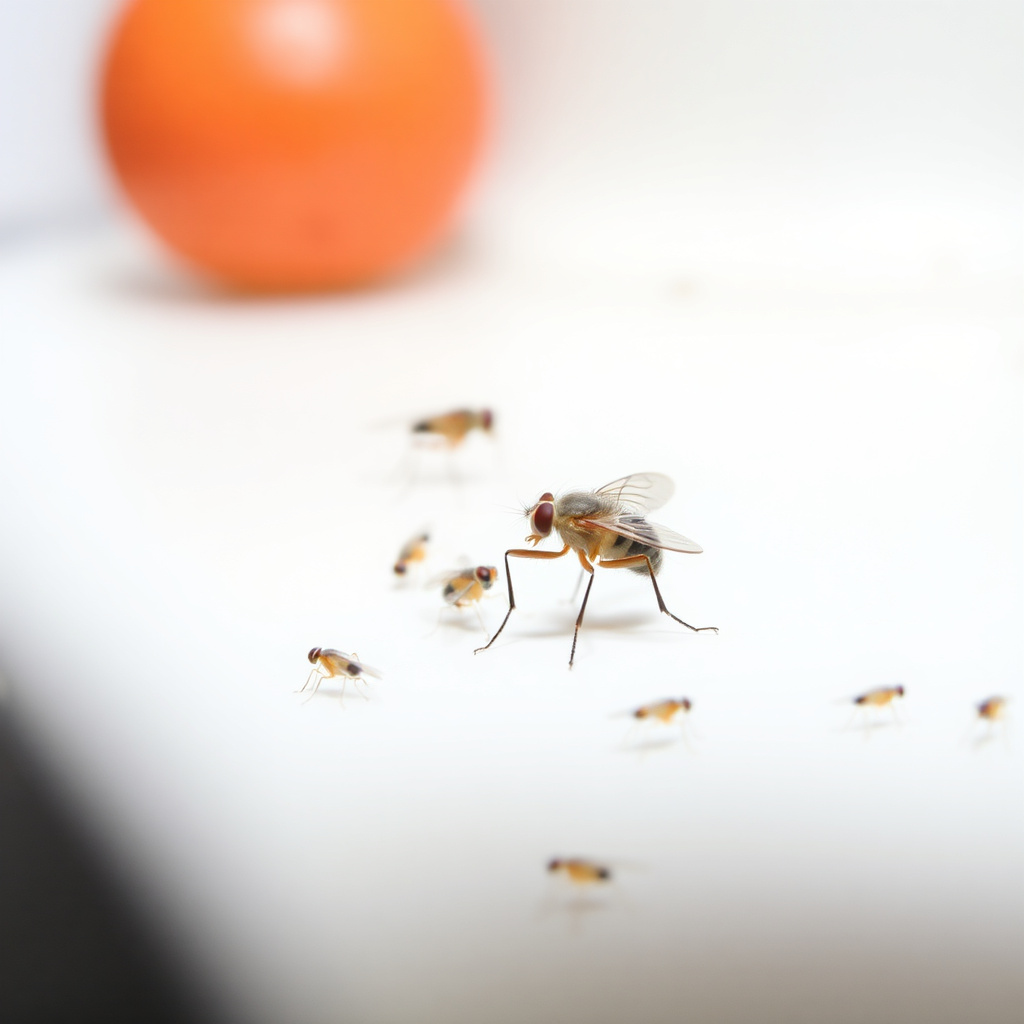
Common Types of Kitchen Gnats
The most typical kitchen gnats are fruit flies and drain flies. Fruit flies are attracted to ripening fruits and vegetables, while drain flies breed in organic buildup inside drains. Recognizing the gnat type helps target your control efforts more effectively.
Fruit flies have red eyes and a tan body, flying around produce, while drain flies resemble tiny moths with fuzzy wings and rest on walls near sinks. Fungus gnats occasionally appear if houseplants are overwatered.
- Fruit flies prefer exposed rotting produce
- Drain flies breed in moist drains and pipes
- Fungus gnats are linked to overwatered houseplants
Understanding Their Reproduction Cycle
Kitchen gnats reproduce rapidly, with their entire life cycle from egg to adult lasting just a week or less under warm conditions. Female gnats lay hundreds of eggs on suitable organic material, causing infestations to escalate fast if unnoticed.
Interrupting this life cycle requires removing breeding sites and capturing the adults before they lay more eggs. Without access to moist organic matter, larvae cannot survive, which is key to controlling these pests.
- Eggs hatch within 24-30 hours
- Larvae feed on organic matter for 4-5 days
- Pupae develop and adults emerge shortly after
Sanitation Practices to Eliminate Kitchen Gnats
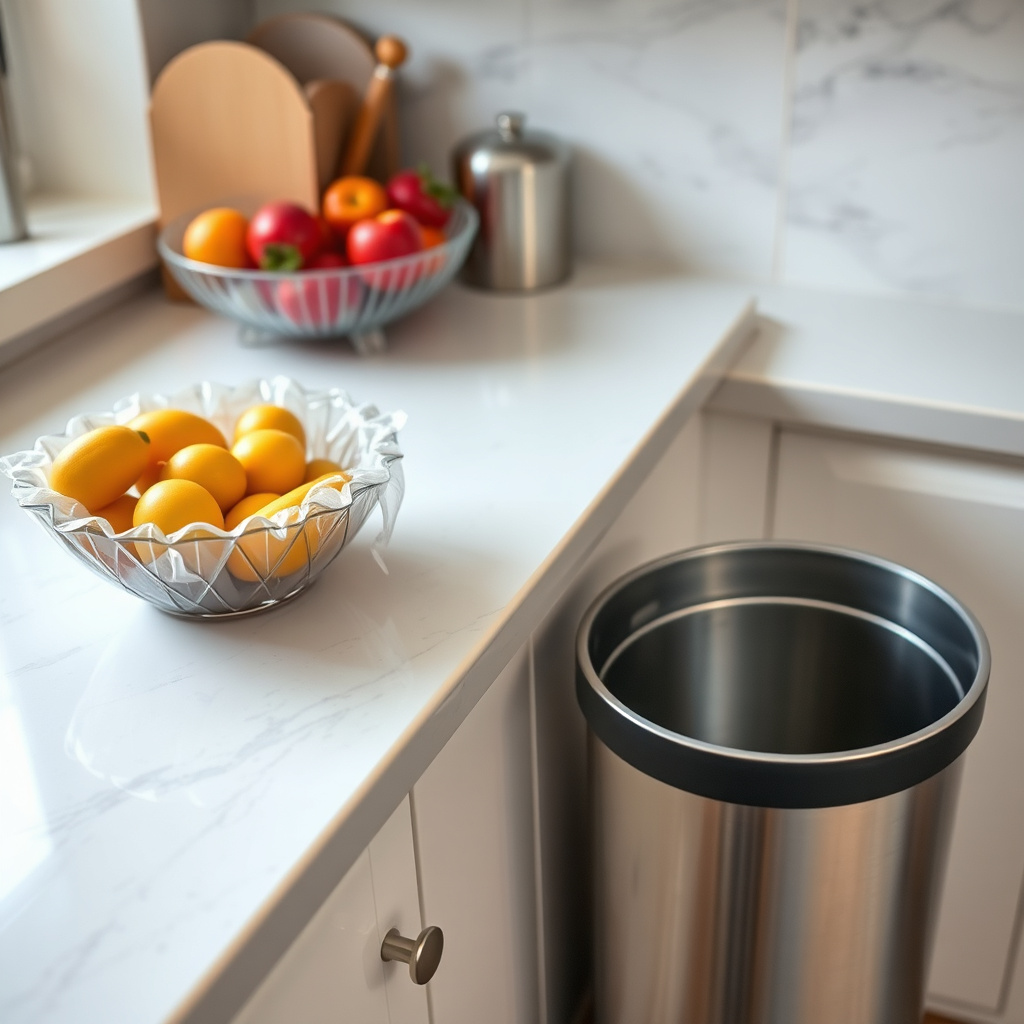
Removing Breeding Sources
Start by discarding overripe or rotting fruits and vegetables immediately. Clean spills or food residues from counters and floors. Empty and clean trash cans regularly, using liners to prevent residue buildup that gnats feed on.
Drains and garbage disposals should be scrubbed with a pipe brush or cleaned with a baking soda and vinegar mixture to remove organic films. Keeping food sealed and surfaces dry reduces the chance of gnats finding suitable places to reproduce.
- Dispose of uncovered or spoiled produce
- Wipe counters and sweeps floors daily
- Clean and disinfect trash receptacles
- Scrub sink drains weekly
Managing Moisture to Discourage Gnats
Gnats favor damp environments. Fix leaking faucets and avoid leaving standing water in sinks or plant trays. Allow soil in houseplants to dry between watering to reduce fungus gnat populations.
Using dehumidifiers or increasing ventilation can help dry out problem areas, especially in kitchens with poor airflow. Consistent moisture management complements sanitation efforts for lasting gnat control.
- Repair plumbing leaks promptly
- Avoid excess watering of plants
- Use fans or dehumidifiers if needed
Effective Traps to Capture and Kill Kitchen Gnats
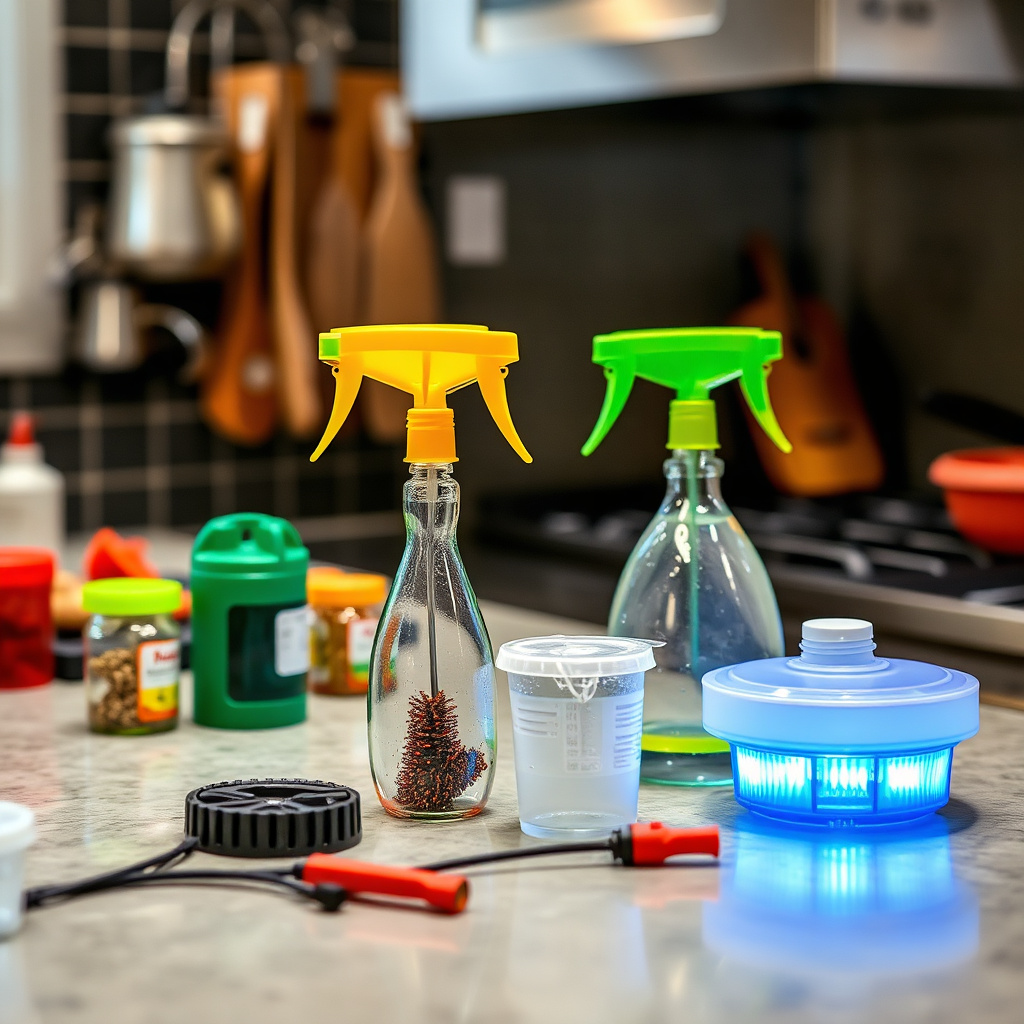
Making Homemade Gnat Traps
A simple trap uses a small bowl with apple cider vinegar mixed with a few drops of dish soap. The vinegar attracts gnats, while the soap breaks surface tension so they drown. Covering the bowl with plastic wrap poked with holes improves effectiveness by trapping gnats inside.
Other homemade options include placing overripe fruit in a jar with a funnel lid or using red wine in a shallow dish. These methods are inexpensive and use ingredients commonly found at home.
- Apple cider vinegar with dish soap
- Jar with funnel lid and fruit bait
- Shallow dish with red wine
Choosing Commercial Gnat Traps
Commercial traps use UV light to lure gnats or sticky surfaces that catch the flies. Some contain food-based lures with pheromones to attract adult gnats. These products tend to be more durable and effective for heavy infestations.
Traps designed for kitchen use are typically small and chemical-free, allowing safe placement near food preparation areas. Be sure to check lure replacement frequency for maximum attraction.
- UV light electron traps
- Sticky adhesive traps
- Food-attractant pheromone traps
Natural Gnat Repellents for Kitchen Use
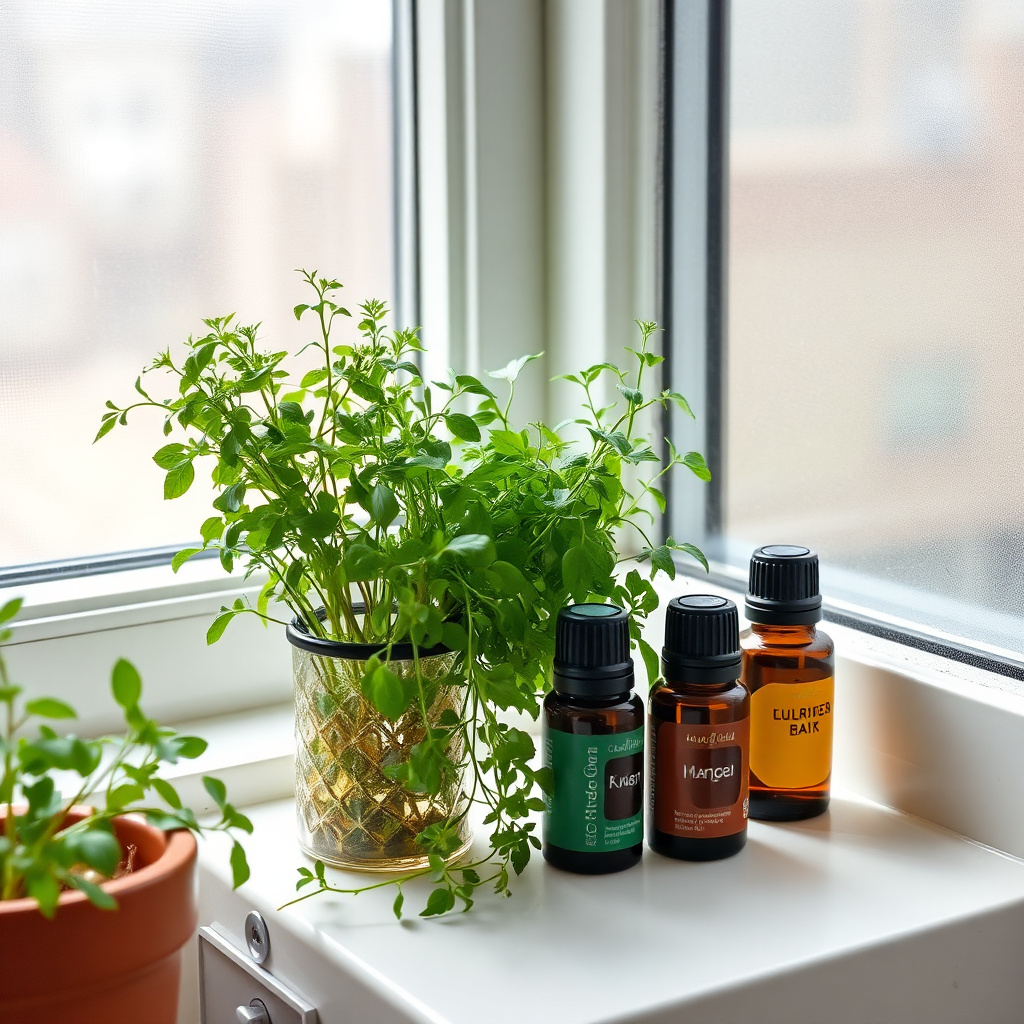
Using Essential Oils and Herbs
Certain essential oils like citronella, eucalyptus, and peppermint act as natural repellents against gnats. Mixing a few drops with water and spraying around problem areas can deter adult gnats from lingering.
Growing fresh herbs such as basil, mint, or rosemary on kitchen windowsills is both decorative and functional. Their scents confuse and repel gnats organically.
- Citronella, peppermint, and eucalyptus oils
- Spray diluted oil around sink and trash areas
- Keep herb pots near windows or counters
Preventing Future Infestations Naturally
Using natural repellents alongside sanitation helps keep gnats from returning. Avoid chemical sprays in food areas by focusing on environmental changes and deterrents.
Regularly replacing homemade traps with fresh bait and refreshing essential oil sprays offers a continual barrier without harmful residues.
- Maintain clean, dry kitchen surfaces
- Refresh traps and sprays weekly
- Use herbs and oils to discourage gnats
Long-Term Strategies to Avoid Kitchen Gnat Problems
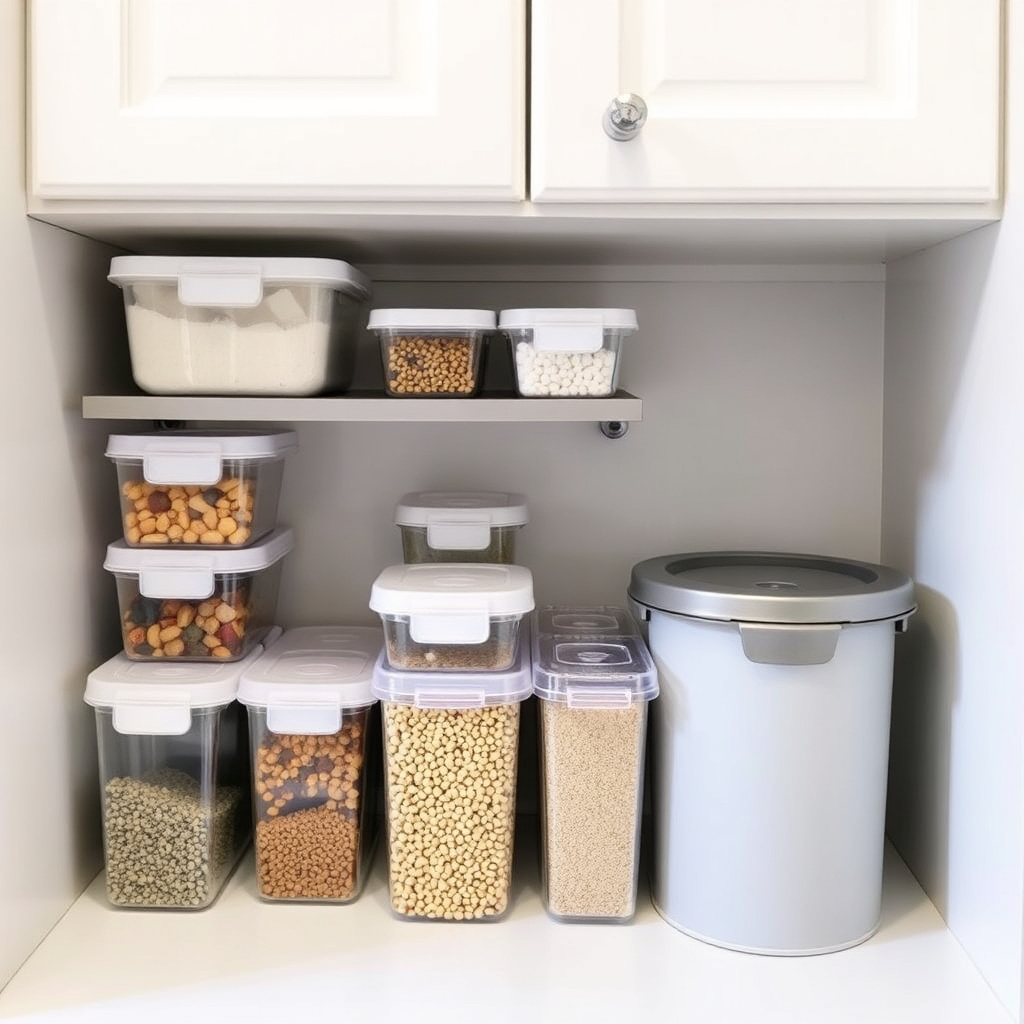
Storing Food and Waste Properly
Keep fruits, vegetables, and other perishables in sealed containers or refrigerated to deny gnats access. Compost bins should be tightly closed or located outside to avoid indoor infestations.
Regularly empty trash and recycling bins, and clean them with disinfectant. Using garbage bags that do not leak reduces odors and moisture that attract gnats.
- Use airtight containers for produce
- Keep compost bins sealed or outside
- Clean bins weekly with disinfectant
For a closer look at the biology and habits of common kitchen gnats, see the fruit fly information on Wikipedia. fruit fly information on Wikipedia.
Routine Cleaning and Maintenance
Schedule weekly cleaning that includes wiping spills, cleaning drains, and checking houseplants. Catching issues early prevents gnats from multiplying. Maintain plumbing and kitchen fixtures to avoid moisture accumulations where gnats breed.
Ventilation plays a part in keeping the kitchen dry and less inviting. Installing screens on windows can prevent outdoor gnats from entering and nesting inside.
- Wipe counters and sweep floors weekly
- Inspect and clean drains monthly
- Fix plumbing leaks and improve airflow
Comparison of Kitchen Gnat Control Methods
Here’s a comparison of various methods to deal with kitchen gnats, highlighting effectiveness, cost, and safety for food areas.
| Method | Effectiveness | Cost | Food Safety | Ease of Use |
|---|---|---|---|---|
| Sanitation and Moisture Control | High | Low | Very safe | Moderate effort |
| Homemade Vinegar Traps | Moderate | Very low | Safe | Easy |
| Commercial Gnat Traps | High | Medium | Safe | Easy |
| Essential Oils and Herbs | Moderate | Low | Safe | Easy |
| Chemical Sprays | High | Medium | Not recommended | Moderate |
| Improved Ventilation and Screens | Moderate | Medium | Safe | Requires installation |
Frequently Asked Questions
How long does it take to get rid of kitchen gnats?
You can start seeing a significant reduction in gnats within a few days if breeding sites are removed and traps are used consistently.
Are kitchen gnats harmful to health?
Kitchen gnats are mostly a nuisance and do not bite or spread disease, but their presence can contaminate food and indicate hygiene issues.
Can I use chemical sprays to kill kitchen gnats?
Chemical sprays are effective but not recommended around food preparation areas due to potential health risks and residues.
Why do gnats keep coming back after cleaning?
Gnats return if their breeding sites like moist organic matter or drain buildup remain. Continuous sanitation and moisture control are essential.
Are essential oils effective against gnats?
Essential oils like citronella and peppermint can repel gnats but work best when combined with cleanup and traps.
Key Takeaways
- Removing moist organic matter stops gnat breeding
- Traps capture adults to reduce populations quickly
- Natural repellents complement sanitation efforts
- Consistent long-term cleaning prevents resurgence
Conclusion
Getting rid of kitchen gnats requires a focused approach targeting both the adults and their larvae habitats. Elimination of breeding grounds like overripe produce and organic buildup in drains breaks their reproduction cycle. Traps help catch flying adults while sanitation reduces future egg laying opportunities.
Depending on your situation, combine improved hygiene with either homemade vinegar traps or small commercial gnat traps for immediate relief. Incorporating natural gnat repellents such as essential oils and fresh herbs creates an unfriendly environment. Repairing leaks and managing moisture reduces fungus gnat issues tied to plants. Each method reinforces the others for better results.
Start by identifying the exact gnat source, then apply targeted sanitation and trapping steps. Maintain cleanliness by sealing foods and drying sinks regularly. This comprehensive strategy will clear existing gnats and minimize chances of them coming back. With persistent effort, your kitchen will soon be a gnat-free zone.