How to Organize Your Kitchen for Maximum Efficiency and Comfort
Organizing your kitchen effectively starts with categorizing items by function and frequency of use, then assigning dedicated zones for these categories. Keeping daily essentials within easy reach while storing less-used equipment higher or farther away creates a smoother cooking flow and reduces clutter.
A well-organized kitchen not only saves time and reduces stress during meal preparation but also gives a more inviting and manageable space. It prevents drawers and cabinets from becoming chaotic catchalls and helps maintain cleanliness more easily over time.
This article will walk you through practical strategies, including zoning your kitchen layout, choosing smart storage solutions, managing pantry and fridge items, and maintaining organization long-term. Whether you have a compact space or a larger kitchen, these tips will help you create an efficient and pleasant environment.
Zoning Your Kitchen for Streamlined Workflow
Creating Functional Zones
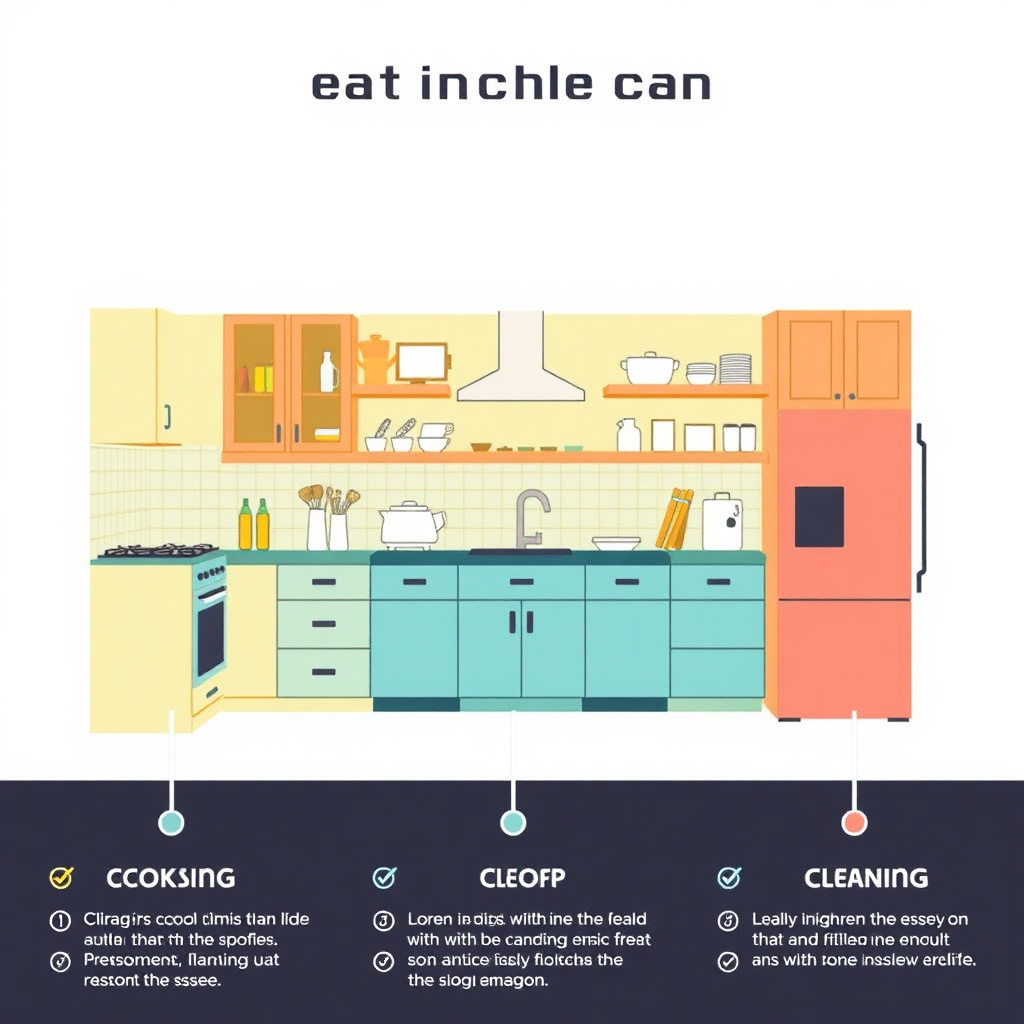
Organizing your kitchen by creating functional zones—such as cooking, preparation, cleaning, and storage—helps streamline daily kitchen tasks. Each zone should include tools, appliances, and utensils closely related to its activities, which reduces unnecessary movement and confusion.
For example, the cooking zone should have pots, pans, spatulas, and seasonings near the stove, while the prep zone might include cutting boards, knives, and mixing bowls easily accessible on countertops or drawers. This deliberate grouping saves time and energy during busy cooking sessions.
Arranging Zones Based on Kitchen Layout
The shape and size of your kitchen influence how you arrange zones. In a galley kitchen, the cooking and cleaning zones often run opposite each other, so keep prep items in between for smooth transitions. An L-shaped kitchen allows more flexible placement and better visual separation of zones.
Maintaining a logical flow—starting from storage through prep to cooking and finally cleaning—minimizes backtracking and keeps countertops clear. Adjust zoning to fit your habits and space efficiently.
Smart Kitchen Storage Solutions

Maximizing Cabinet and Drawer Space
Utilize pull-out shelves, stackable bins, and adjustable dividers inside cabinets and drawers to avoid wasted vertical and horizontal space. Drawer organizers help separate utensils and keep frequently used tools visible and easy to grab.
Lazy Susans and tiered racks in corner cabinets can make otherwise hard-to-reach areas practical for storing spices or canned goods, enhancing accessibility without clutter.
- Pull-out shelves for pots and pans
- Vertical dividers for baking sheets
- Drawer trays for utensils
- Lazy Susans in corner cabinets
Using Wall and Ceiling Storage
When counter and cabinet space is limited, wall-mounted shelves, magnetic knife strips, and hanging pot racks free up room while keeping items visible and within reach. Ceiling-mounted racks are ideal for heavy pots and pans, freeing cabinet space for other uses.
These storage solutions create vertical organization and can add to the kitchen’s aesthetic if chosen with style in mind, maximizing storage without crowding counters.
- Magnetic strips for knives
- Open floating shelves for frequently used items
- Hanging racks for pots and pans
- Pegboards for utensils
Pantry and Refrigerator Organization Techniques
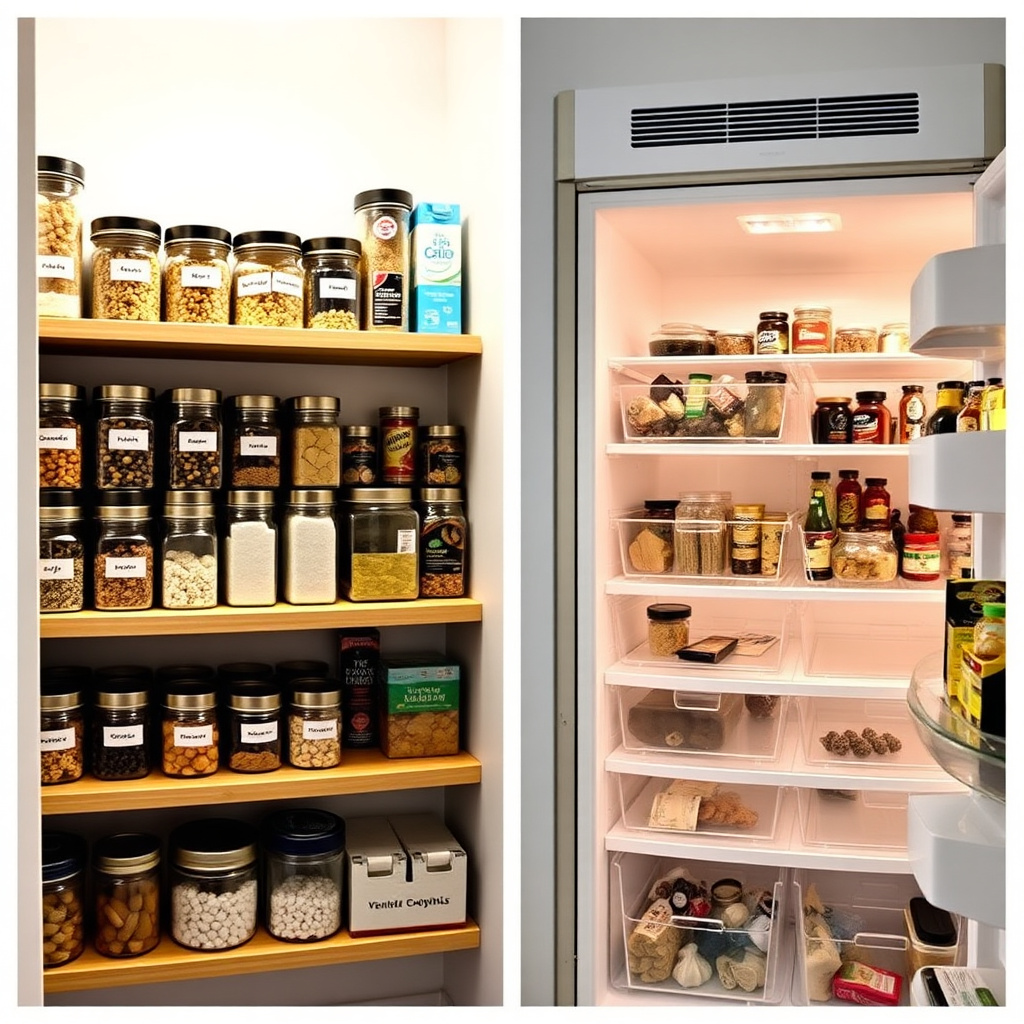
Organizing Pantry Items Efficiently
Group pantry items by category, such as baking supplies, snacks, canned goods, and grains, using clear, labeled containers to keep contents visible. Stack items and use baskets to corral small packets or similar products, which prevents items from getting lost in the back.
Regularly rotate pantry stock so newer items go in the back and older ones are used first, reducing food waste and keeping inventory under control.
- Clear containers for grains and cereals
- Labels on jars and bins
- Baskets for snack packets
- Rotating stock method
For more on this, see our related guide: Panera Bread Menu with Prices: Your Complete Guide to Delicious Options.
Maintaining an Organized Refrigerator
Divide the fridge into zones such as dairy, meats, fruits, vegetables, and condiments. Use clear bins to group smaller items and minimize clutter. Store perishables in designated drawers adjusted for optimal humidity to prolong freshness.
Keep a running list of contents on the door or a nearby board to prevent duplicate purchases and reduce spoilage, contributing to overall kitchen efficiency.
- Clear bins for grouping items
- Humidity-controlled drawers for produce
- Door racks for condiments
- Inventory list for tracking
Maintaining Long-Term Kitchen Organization
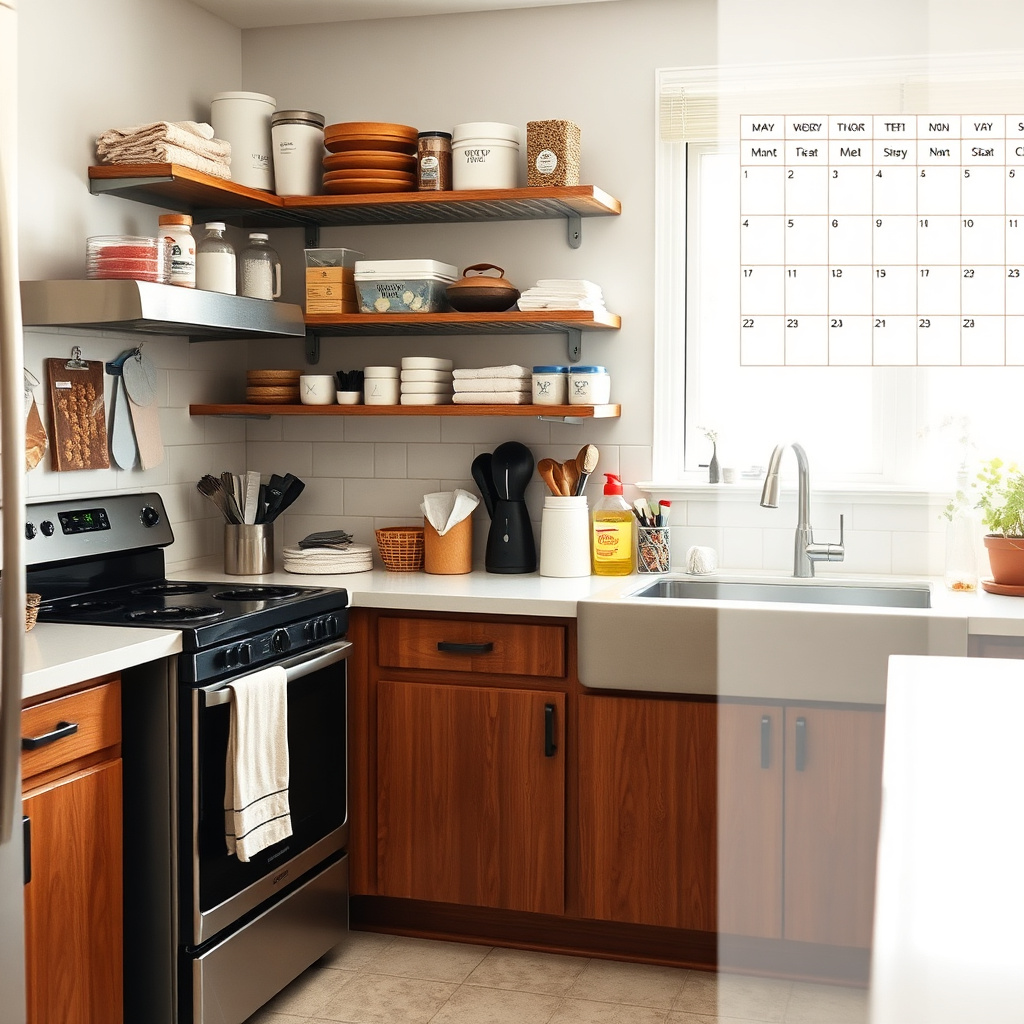
Daily and Weekly Habits for Organization
Quick daily cleanups like wiping counters, returning items to their zones, and discarding expired food help keep the kitchen orderly. Weekly checks of inventory and tidying drawers or cabinets prevent clutter buildup over time.
Establishing a routine for cleaning and organizing reduces the effort needed for intensive decluttering sessions, making organization sustainable long-term.
- Daily counter wipe-downs
- Weekly pantry and fridge checks
- Regular drawer tidying
- Discarding expired items promptly
Using Labels and Checklists
Consistent labeling of shelves, bins, and containers simplifies day-to-day maintenance by reminding all household members where things belong. Checklists for restocking supplies or cleaning tasks promote accountability and keep the kitchen functional.
Digital apps or physical charts placed in visible spots aid in communicating kitchen needs and reduce forgotten chores, reinforcing organized habits.
- Shelf and bin labels
- Restocking checklists
- Cleaning schedules
- Communication charts
Organizing Kitchen Tools and Gadgets
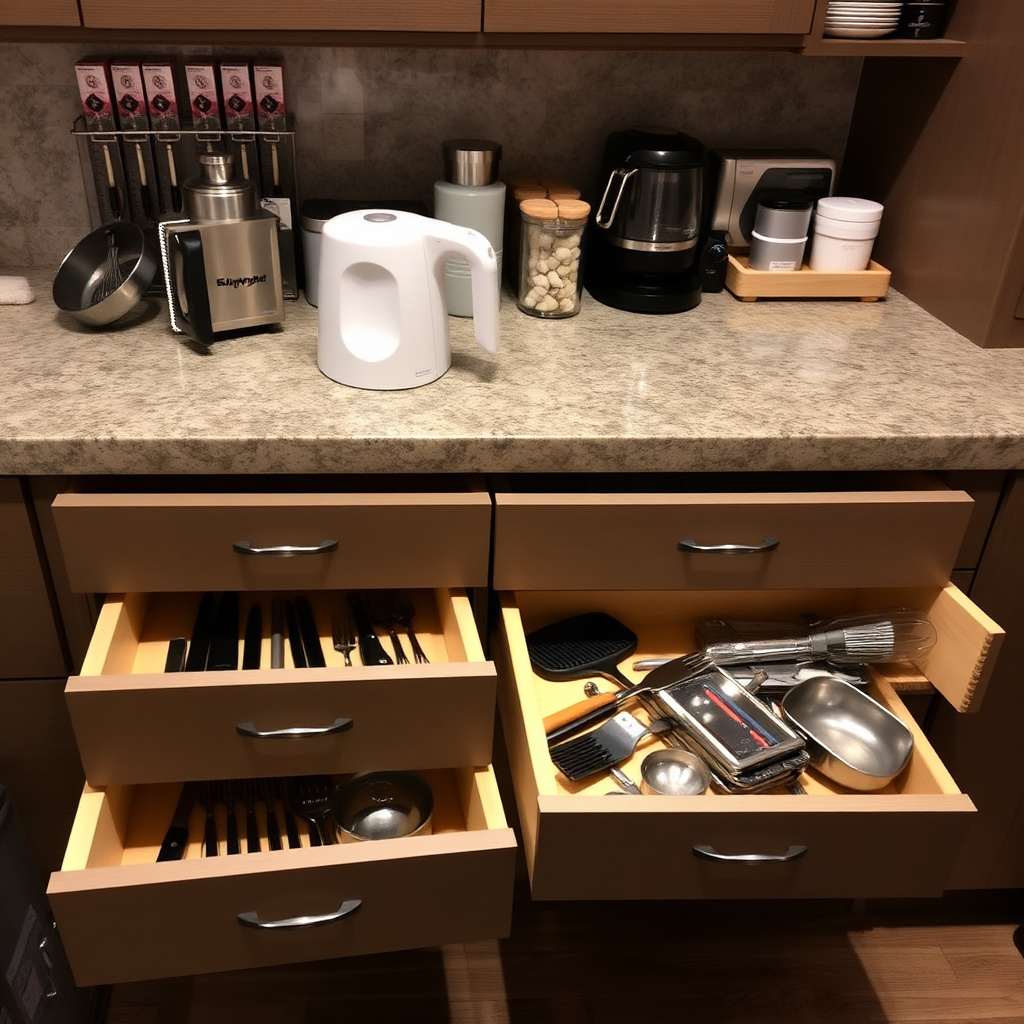
Storing Small Tools and Utensils
Use utensil trays and drawer organizers with compartments sized for different tools to keep spoons, peelers, and whisks sorted. Magnetic strips or hanging hooks are excellent for frequently used gadgets like scissors or measuring spoons, keeping them visible but off counters.
Avoid overcrowding drawers by regularly decluttering and removing duplicates or rarely used items to maintain efficient tool storage.
- Compartmentalized utensil trays
- Magnetic strips for metal gadgets
- Hooks for hanging tools
- Periodic decluttering
Managing Small Appliances
Store small appliances like blenders, mixers, and toasters in cabinets near related zones or on pull-out shelves for easy access. Avoid leaving them on counters unless used daily to maintain clean, open workspaces.
Cord wraps and appliance covers help reduce dust buildup and tangles during storage, which extends the lifespan of appliances.
- Pull-out cabinet shelves
- Cord wraps for appliances
- Storage near functional zones
- Appliance covers
Easy Kitchen Organization for Small Spaces
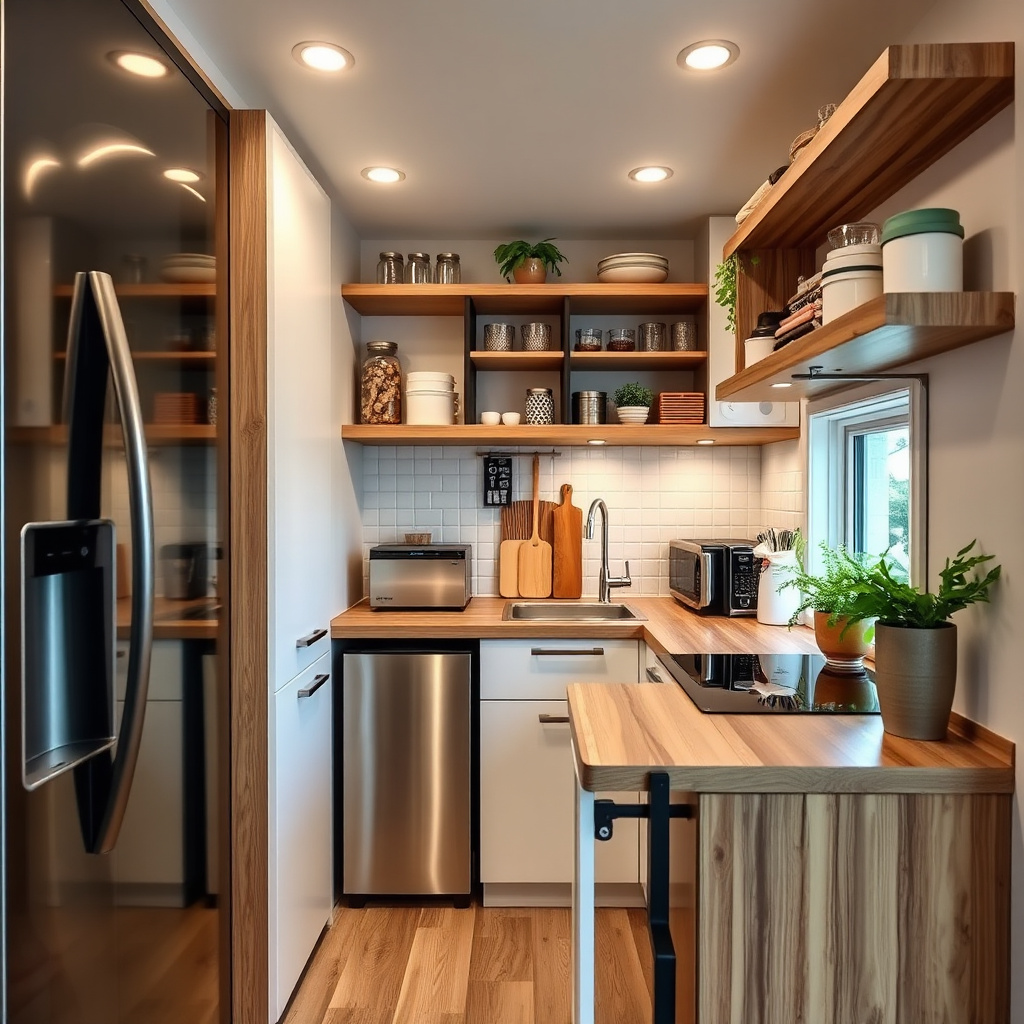
Utilizing Vertical and Multi-Purpose Storage
In small kitchens, vertical storage options such as wall-mounted racks, tall shelving units, or stacked containers maximize space without encroaching on floor area. Choose multi-purpose furniture like foldable tables or rolling carts to add flexibility without clutter.
Hooks and magnetic strips turn unused wall space into practical storage for utensils and spice jars, helping keep countertops clear in tight quarters.
- Tall shelving units
- Wall-mounted racks
- Foldable or rolling furniture
- Magnetic strips for small items
For more detailed insights on kitchen organization techniques and layout design, you can visit this informative kitchen overview. kitchen organization techniques.
Compact Organization Tools
Utilize compact, stackable containers, nesting bowls, and slim utensil holders that fit well in limited drawer and shelf space. Collapsible colanders and measuring cups shrink down to free up valuable room, ideal for small kitchens needing kitchen storage solutions.
Regularly re-evaluate kitchen contents and remove unnecessary items to keep small spaces uncluttered and functional.
- Stackable, clear containers
- Nesting kitchenware sets
- Collapsible tools and utensils
- Regular decluttering
Kitchen Organization Solutions Category Comparison
Here’s a breakdown of common kitchen organization categories highlighting their benefits and ideal uses for different kitchen sizes and needs.
| Category | Ideal Kitchen Size | Storage Type | Best For | Cost Estimate |
|---|---|---|---|---|
| Pull-Out Shelves | Medium to Large | Cabinet Interior | Pots, pans, heavy appliances | $50-$150 per unit |
| Wall-Mounted Racks | Small to Medium | Wall Storage | Utensils, spices, pots | $20-$100 |
| Clear Storage Containers | All Sizes | Pantry and Fridge Storage | Dry goods, snacks | $10-$50 per set |
| Lazy Susans | Small to Large | Cabinet Corners | Canned goods, spices | $15-$40 |
| Magnetic Knife Strips | All Sizes | Wall Storage | Knives and metal tools | $10-$30 |
Frequently Asked Questions
What is the best way to keep my kitchen utensils organized?
Use compartmentalized drawer organizers to separate utensils by type and frequency of use. Magnetic strips or hooks can store metal tools visibly while keeping counters clear.
How often should I declutter my kitchen?
Decluttering monthly or quarterly helps maintain order. Regularly discard expired food and remove rarely used tools to keep storage spaces efficient.
Are wall-mounted storage solutions suitable for small kitchens?
Yes, wall-mounted racks, magnetic strips, and shelves save counter space and make use of vertical areas, ideal for small kitchens needing extra kitchen storage solutions.
How can I organize my fridge to reduce food waste?
Grouping similar items in clear bins and labeling them helps keep track of contents. Store perishables properly in designated drawers and keep an updated inventory list.
What should I consider when zoning my kitchen?
Plan zones based on cooking workflow: storage near prep areas, frequently used items within reach, and logical movement from storage to cooking to cleaning for efficiency.
Key Takeaways
- Create kitchen zones for cooking, prep, cleaning, and storage to streamline workflow.
- Use smart storage solutions like pull-out shelves and wall-mounted racks.
- Organize pantry and fridge with labeled containers and groupings to reduce waste.
- Establish daily habits and labeling for long-term kitchen organization success.
Conclusion
Organizing your kitchen effectively involves understanding your daily cooking routines and designing the space so that everything has a place aligned with how you use it. By dividing your kitchen into zones and adopting efficient storage methods, you save time and reduce frustration. Reassessing your setup based on actual usage helps maintain an environment that supports cooking and cleaning without excess clutter, improving both function and enjoyment of the space.
For those with larger kitchens, investing in pull-out shelves and adjustable cabinetry maximizes storage and accessibility, especially for heavy or bulky appliances. Small kitchens benefit greatly from kitchen storage solutions that utilize vertical space and compact, multi-purpose tools. Regular pantry rotation and clear organization within the fridge also contribute significantly to a tidy, functional kitchen regardless of size or layout.
To take the next step, start by mapping out your current kitchen habits and identifying pain points. Then try implementing zoning principles and adding targeted storage solutions gradually rather than all at once. Over time, this approach develops sustainable habits that keep your kitchen neat, efficient, and a pleasant space for cooking.