How to Snake a Kitchen Sink: Step-by-Step Guide to Clear Clogs
Snaking a kitchen sink is the most direct method to remove stubborn clogs blocking your drainage pipes. By using a drain snake, also known as a plumber's auger, you can physically break up or extract obstructions from deep inside your pipes, restoring proper flow. This process requires no chemical drain cleaners, making it a safe and effective approach.
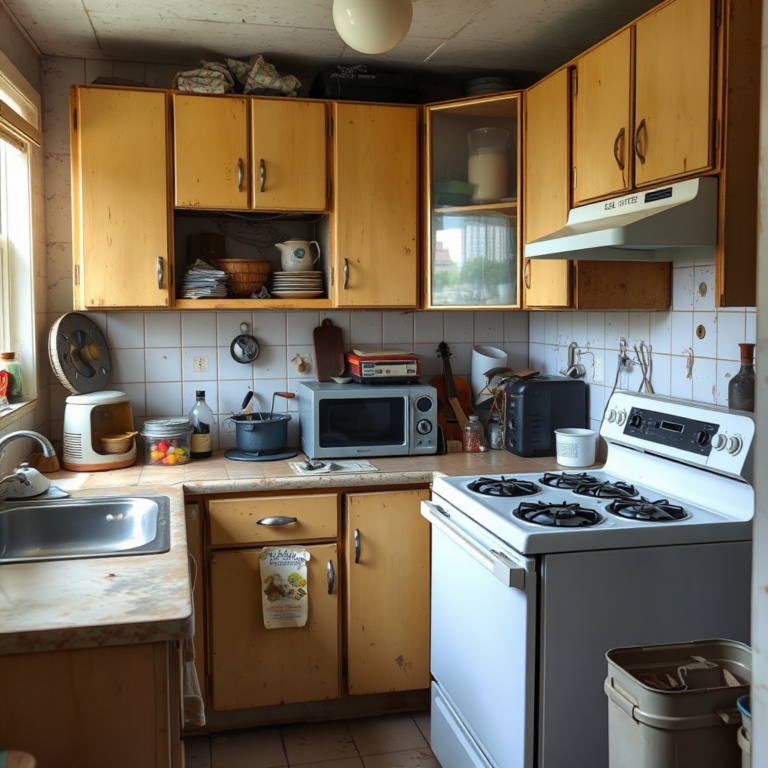
Clogs in kitchen sinks often happen due to food debris, grease buildup, or even small objects accidentally dropped down the drain. Left untreated, these blockages can cause slow draining or standing water, sometimes leading to leaks or bad odors. Knowing how to snake a kitchen sink gives you the ability to handle these issues swiftly and avoid expensive professional repairs.
This article explains how to properly snake a kitchen sink from start to finish. You will learn about the tools needed, safety precautions, techniques for using manual and powered drain snakes, plus tips for maintenance and when to seek professional help.
Understanding Kitchen Sink Clogs and Drain Snakes
Common Causes of Kitchen Sink Clogs
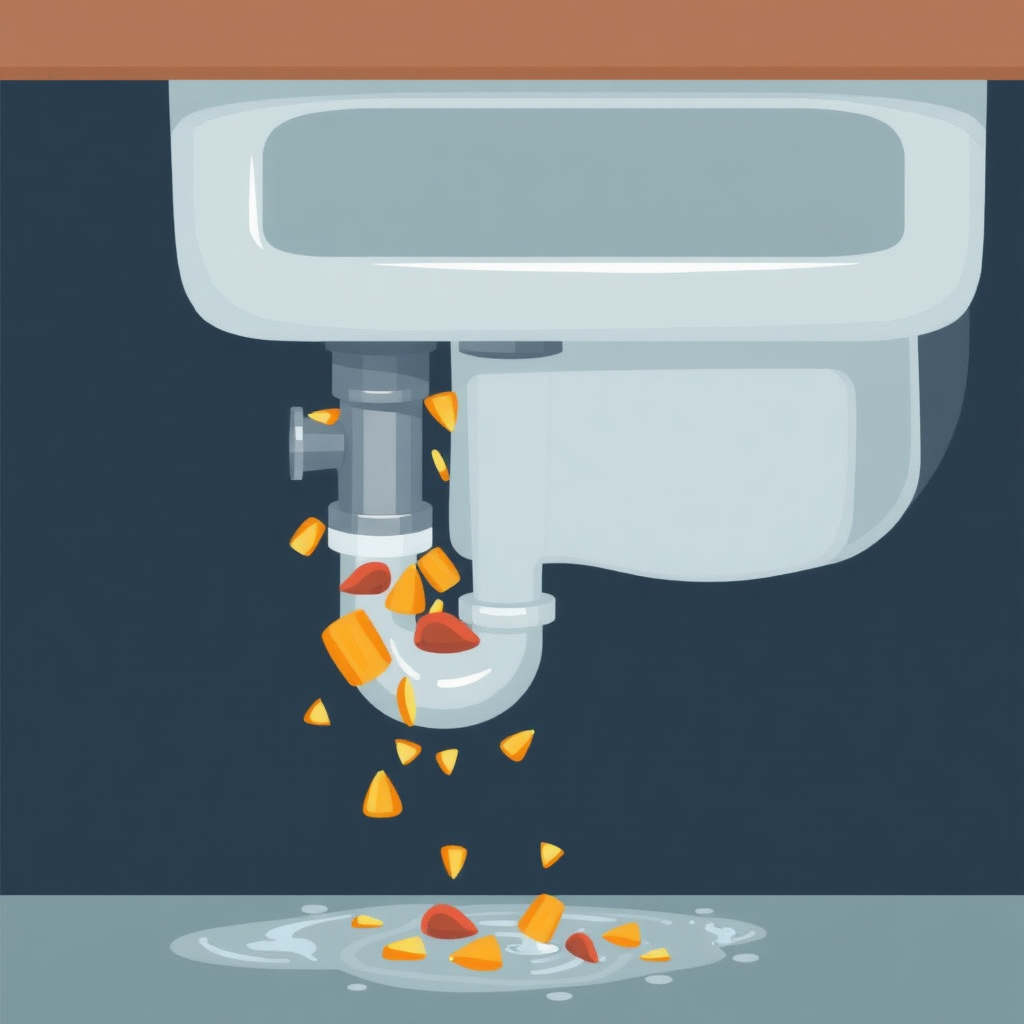
Kitchen sink drains often accumulate food scraps, grease, soap scum, and occasionally small foreign objects. Over time, these materials stick to pipe walls and narrow the flow path, leading to gradual or sudden blockages. Recognizing the type of clog helps in choosing the right snaking approach.
Grease is particularly problematic because it solidifies as it cools, adhering to pipes. Additionally, fibrous vegetable matter and coffee grounds tend to tangle and form dense clumps that resist water flow.
How Drain Snakes Work
A drain snake is a flexible metal cable with a coil or hook at the end, designed to navigate the bends of plumbing pipes. When inserted into the drain and pushed forward, it can snag debris or break up blockages mechanically, unlike chemical cleaners which rely on dissolving agents.
Different types of drain snakes exist, from simple hand-cranked augers to powered electric models. Selecting the appropriate type depends on the severity of the clog and accessibility of the pipe.
Preparing to Snake a Kitchen Sink
Gathering Tools and Safety Gear
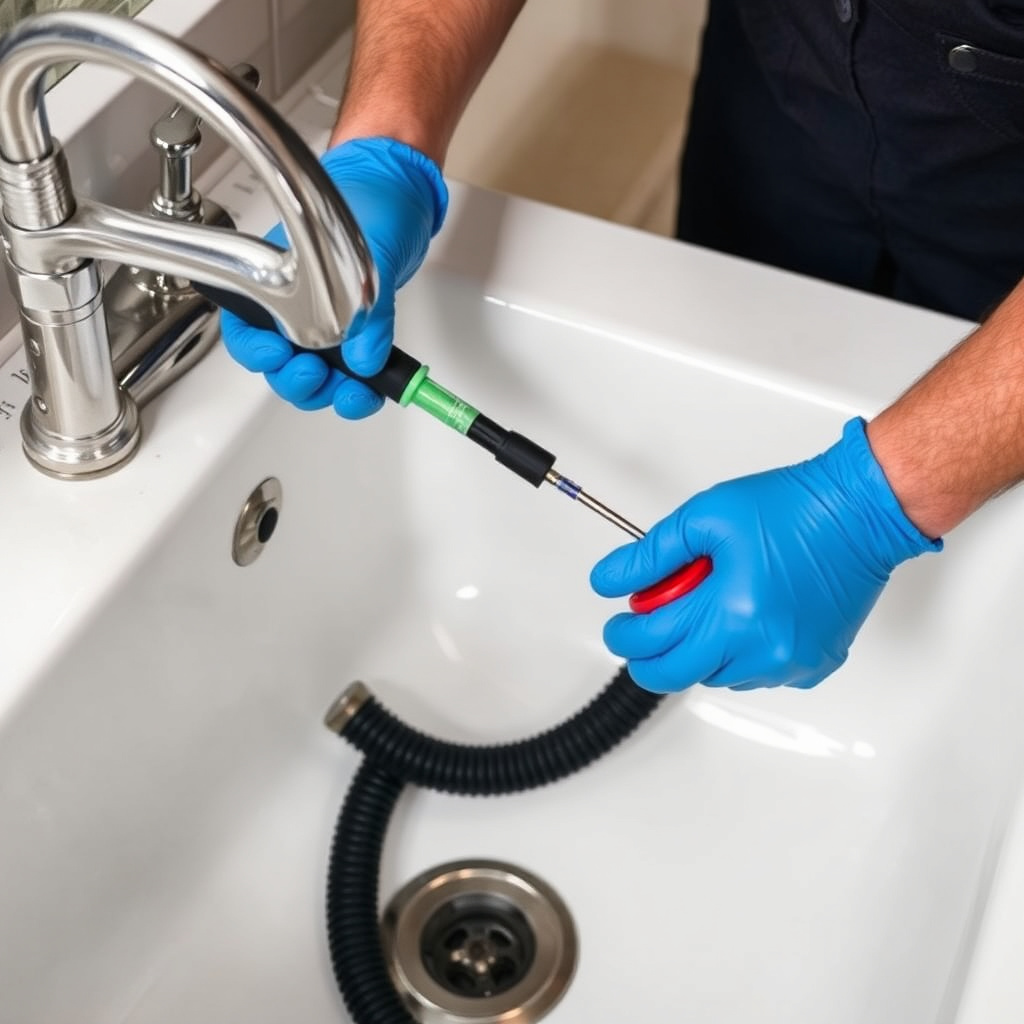
Before snaking, collect essential tools: a drain snake suitable for kitchen sinks, bucket for catching water, gloves to protect your hands, and old towels to clean spills. Safety glasses are advisable to prevent splashes during the process.
Ensure the work area is clear and the sink cabinet provides enough space to access the drain pipes comfortably. Having a flashlight can help you see under the sink better.
- Hand-crank or powered drain snake
- Bucket
- Rubber gloves
- Safety glasses
- Old towels
- Flashlight
Shutting Off Water and Clearing the Area
Turn off the water supply valves under the sink to avoid accidental flooding. Open the faucet briefly to release pressure and drain standing water. Place the bucket under the P-trap to catch any spills or removed debris during disassembly or snaking.
Remove any items stored under the sink to prevent damage or contamination. Dry the surfaces and prepare to work calmly and methodically.
Step-by-Step Guide to Snaking a Kitchen Sink

Accessing the Drain and Initial Inspection
Start by removing the drain stopper or strainer to expose the drain entry point. If accessible, loosen and remove the P-trap under the sink to gain direct entry to the drain line. Inspect the trap for any visible obstructions or debris that you can clear manually before using the snake.
If the clog is in the trap or immediately downstream, cleaning or clearing this section may resolve the issue without full snaking.
Inserting and Using the Drain Snake
Feed the snake cable slowly into the drain or pipe opening, turning the handle clockwise to help it navigate bends. Push forward gently until you feel resistance, which indicates contact with the clog.
Continue to rotate and push to break apart or catch the clog. Once freed, slowly retract the snake, removing debris attached to the cable. Run water to verify the drain is clear and reassemble any parts removed.
- Insert snake carefully
- Rotate handle clockwise
- Push until resistance
- Retrieve and clean debris
Using Powered Drain Snakes for Tough Clogs

Choosing and Operating an Electric Drain Snake
For more stubborn or deep clogs, a powered drain snake can save time and effort. These tools have motorized reels that rotate the snake cable at high speed, enhancing its ability to break tough buildup.
When using an electric snake, ensure to follow safety guidelines: unplug when inserting or removing the cable, keep hands clear of moving parts, and use moderate pressure to prevent pipe damage.
- Select correct snake size
- Wear protective gear
- Control motor speed carefully
Precautions with Powered Snakes
Powered snakes can cause pipe damage if used aggressively or with the wrong attachment. Avoid forcing the cable if it snags firmly, and never use metal snakes in fragile PVC pipes without proper technique.
If unsure about operating an electric drain snake or the clog remains after repeated attempts, call a professional plumber to avoid worsening the problem.
Maintaining Your Kitchen Sink to Prevent Future Clogs
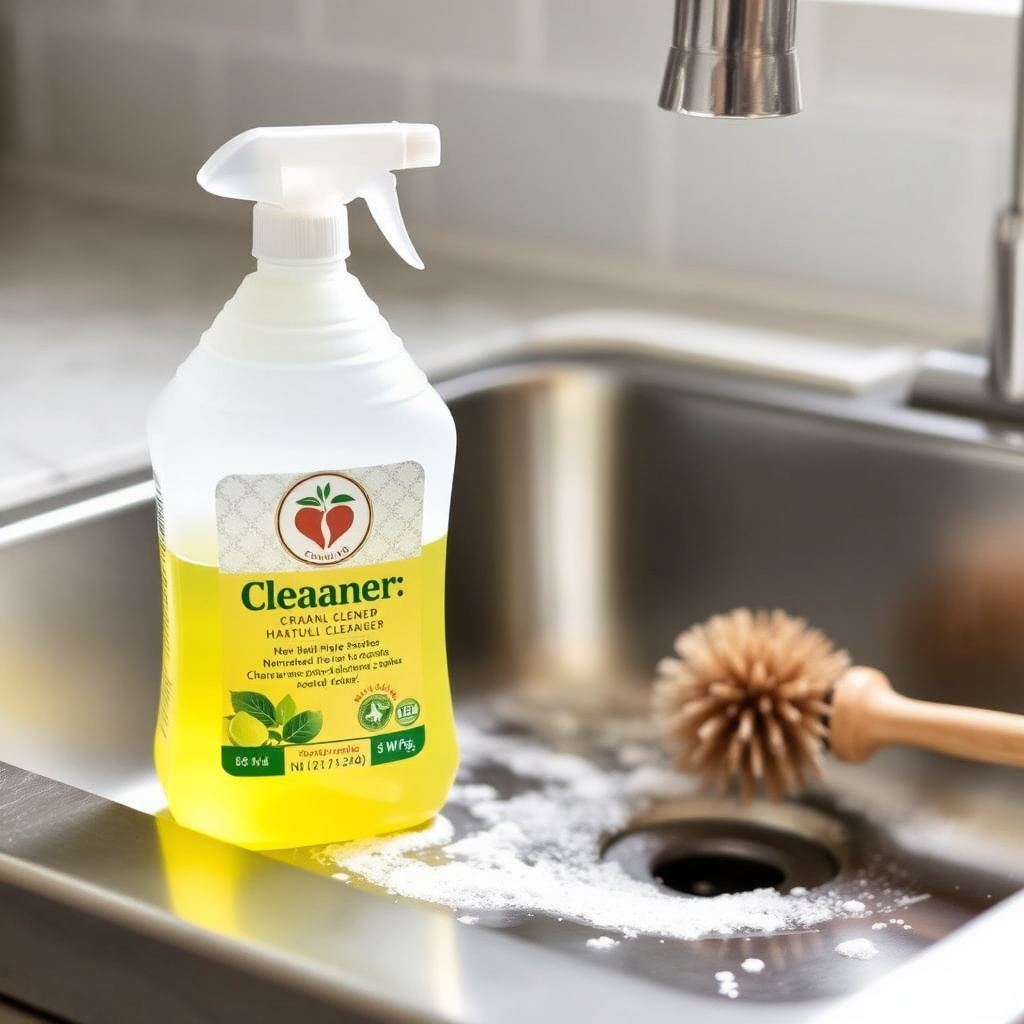
Best Practices for Drain Cleaning
Regularly cleaning your kitchen sink drain with hot water and natural drain cleaners helps prevent grease buildup. Using a drain strainer can catch food particles before they enter the plumbing system.
Avoid pouring grease or coffee grounds down the drain. Instead, dispose of these in the trash or compost to reduce clog risks.
- Use drain strainers
- Dispose grease separately
- Flush drain weekly with hot water
For more details on plumbing fixtures and drainage, visit this informative resource. Plumbing fixtures and drainage information.
When to Call a Professional
If your drain repeatedly clogs despite snaking and maintenance efforts, professional diagnosis may be necessary. Underlying causes like pipe damage, tree root intrusion, or complex blockages might require specialized equipment or repairs.
Also, if you notice leaks, unusual smells, or slow drainage after snaking, contacting a plumber can save you time and prevent worsening damage.
Types of Drain Snakes Compared
Here is a comparison of common drain snake types suited for kitchen sink clog removal along with their pros and cons.
| Type | Best For | Pros | Cons |
|---|---|---|---|
| Hand-crank Drain Snake | Light to moderate clogs | Affordable, easy to use, portable | Limited reach and power |
| Powered Drain Snake | Stubborn, deep clogs | Strong torque, saves time | Requires care, higher cost |
| Spring Auger | Standard household pipes | Flexible, effective for small pipes | Can be tricky for bends |
| Mini Electric Snake | Tight spaces, sink drains | Compact, motorized | Less powerful, pricier than manual |
Frequently Asked Questions
How often should I snake my kitchen sink to prevent clogs?
Snaking is usually only necessary when a clog develops. Regular maintenance with hot water and avoid dumping grease down the drain can minimize the need for snaking.
Can I use a drain snake on PVC pipes?
Yes, but use gentle pressure and flexible cables to avoid damaging PVC pipes. Avoid aggressive snaking or using metal blades in plastic piping.
What if snaking the sink doesn’t clear the clog?
If your drain remains clogged after snaking, the blockage might be further down the line or more complex. Contact a professional plumber for advanced diagnostics.
Are there chemical alternatives to snaking a kitchen sink?
Chemical drain cleaners can sometimes help but may damage pipes or fixtures with repeated use. Snaking is often safer and more effective for physical blockages.
Is it safe to use powered drain snakes at home?
Powered drain snakes can be safe if used properly with precautions. Read the manual, use protective gear, and never force the tool to avoid pipe damage.
Key Takeaways
- Snaking is a mechanical way to remove kitchen sink clogs without chemicals.
- Proper tool choice depends on clog severity and pipe accessibility.
- Preparation and safety gear reduce mess and risk during snaking.
- Regular maintenance prevents frequent clogs and prolongs pipe life.
Conclusion
Evaluating when and how to snake a kitchen sink hinges on understanding the clog's nature and location. By assessing the cause—typically grease, food debris, or foreign objects—and preparing with the right tools and safety measures, you can restore drainage effectively. Awareness of both manual and powered drain snakes gives you the versatility to tackle blockages of varying difficulty and avoid unnecessary plumbing expenses.
For minor blockages near the sink, a hand-crank or spring auger drain snake is often sufficient and user-friendly. Harder or deeper clogs benefit from powered drain snakes, but they require caution to prevent pipe damage, especially in delicate materials like PVC. Complementing snaking with regular kitchen sink drain cleaning and preventive habits can greatly reduce future issues and maintain smooth water flow.
If snaking does not resolve your kitchen sink drain problems, or if you detect leaks, odors, or persistent slow drainage afterward, consulting a professional plumber is advisable. They can provide more advanced techniques and identify underlying pipe system problems. Meanwhile, follow the steps from this guide to gain confidence in resolving kitchen sink clogs yourself promptly and effectively.