How to Unclog Kitchen Sink with Disposal: Simple Steps to Fix It Fast
If your kitchen sink with a garbage disposal is clogged, the first step is to stop using the disposal immediately to avoid damage. You can often clear the clog by resetting the disposal, using a plunger, or manually removing the blockage from the drain. These methods tackle the common causes like food buildup or grease that stop water from draining.
Clogs in a kitchen sink with disposal matter because they can halt your ability to wash dishes and prep food, potentially leading to odors or water damage if the blockage worsens. Knowing how to unclog your sink properly saves you time and money, avoiding unnecessary plumbing calls or disposal replacements.
This article guides you through effective ways to unclog your kitchen sink with disposal. It covers troubleshooting the disposal unit, using household tools for clearing clogs, prevention tips, and when to seek professional help so you can keep your sink draining cleanly.
Understanding Kitchen Sink Disposal Mechanism
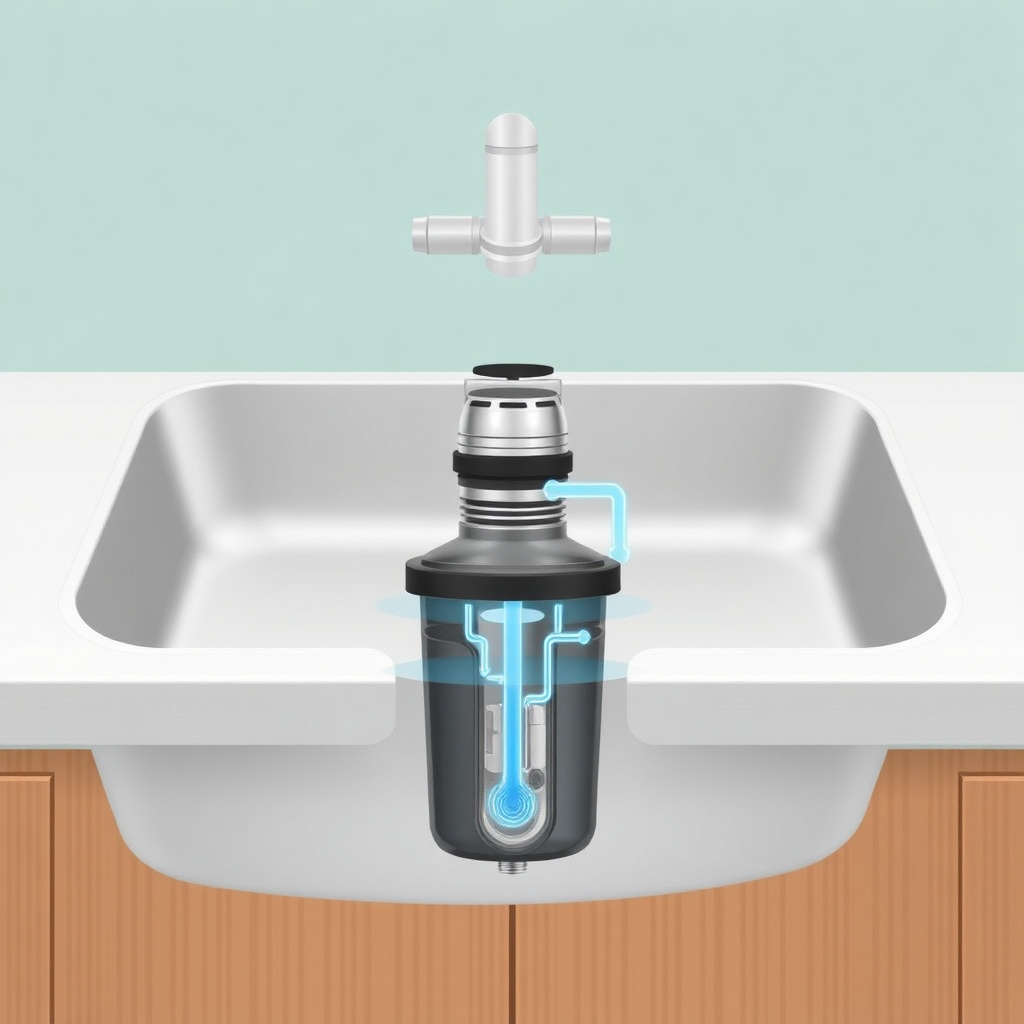
How Garbage Disposals Work
A kitchen sink disposal grinds food waste into tiny particles that can flush down the drain, preventing large debris from causing clogs. It uses a spinning impeller to break down scraps, but some items like fibrous vegetables or grease can cause jams or blockages if not handled carefully.
The disposal unit is connected to the sink drain and dishwasher line, so any backup in these pipes can result in slow drainage or water pooling in the sink. Knowing these connections helps isolate whether the problem stems from the disposal or the plumbing.
Common Causes of Disposal-Related Sink Clogs
Clogs often happen when non-grindable materials like grease, coffee grounds, or starchy foods accumulate inside the pipes. Fatty substances solidify and trap other debris, disrupting water flow.
Mechanical failures such as a jammed impeller or a tripped reset button can mimic clogs by stopping the disposal from functioning, which slows water drainage even if the pipes are clear.
- Grease and fat buildup
- Fibrous food scraps
- Mechanical jams
- Accumulated debris in pipes
Safety First: Preparing to Unclog Your Kitchen Sink
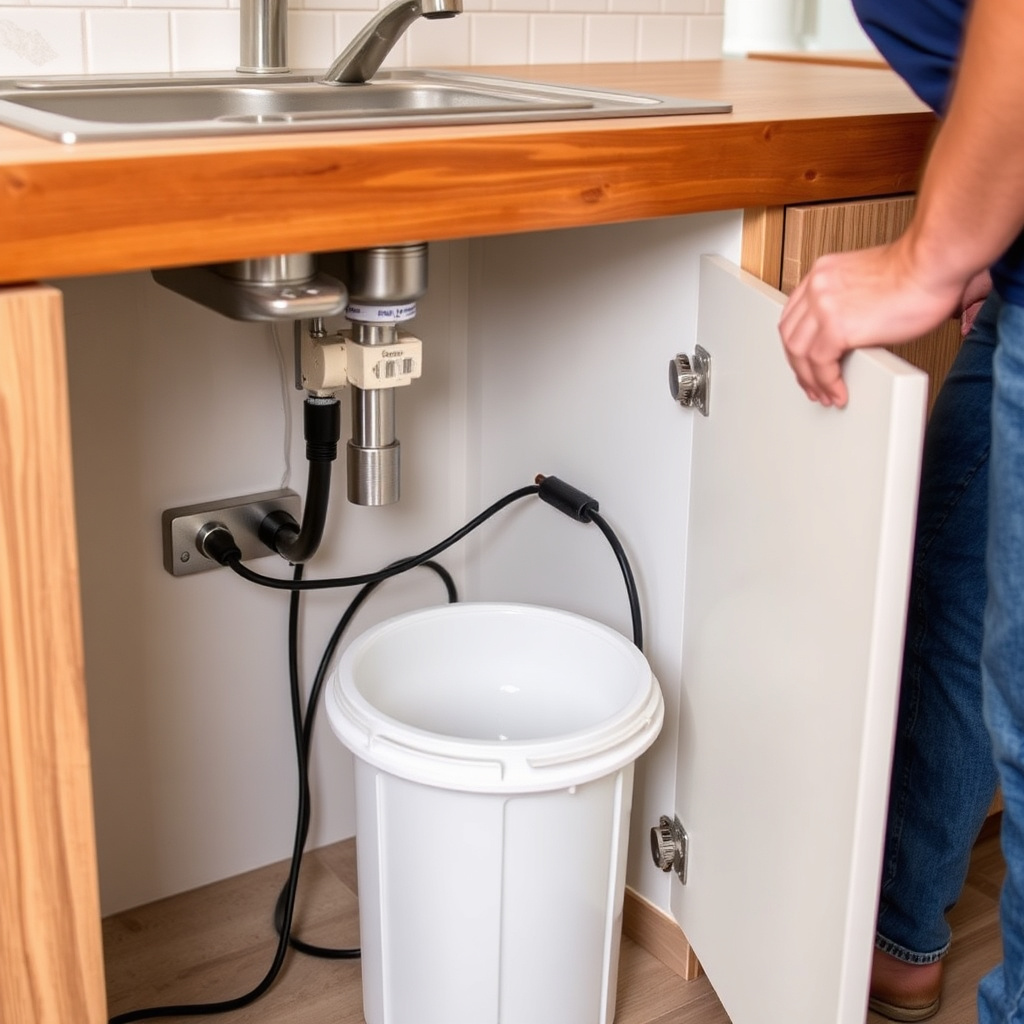
Turning Off Power and Preventing Injuries
Always unplug your disposal or switch off its circuit breaker before attempting any unclogging. This prevents accidental activation which can cause serious hand injuries since blades inside can still turn.
Avoid using sharp objects to remove blockages inside the disposal. Instead, use a disposal wrench or pliers designed for the task to protect your hands from cuts and scrapes.
- Disconnect power at source
- Use appropriate tools for retrieval
- Never put hands inside disposal
Gathering the Right Tools
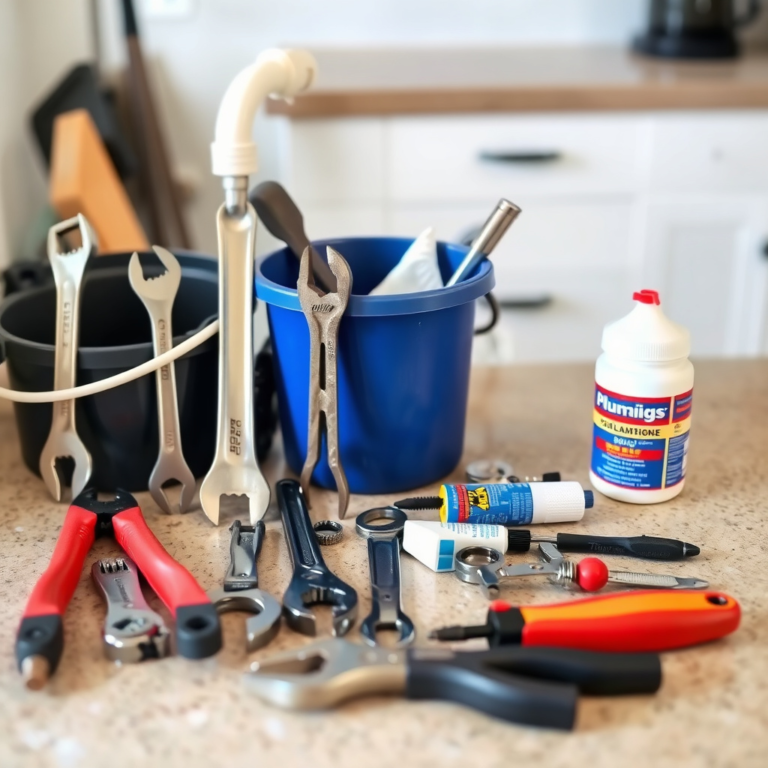
To work safely and efficiently, you'll need common household tools like a plunger, hex wrench, bucket, and possibly a drain snake. Having these on hand speeds up the unclogging process and helps avoid multiple trips to the hardware store.
A flashlight can also help you look inside the disposal and drains to identify blockages, while gloves protect your hands from grime and bacteria.
- Plunger
- Hex or disposal wrench
- Drain snake
- Flashlight and gloves
Steps to Unclog Kitchen Sink with Disposal
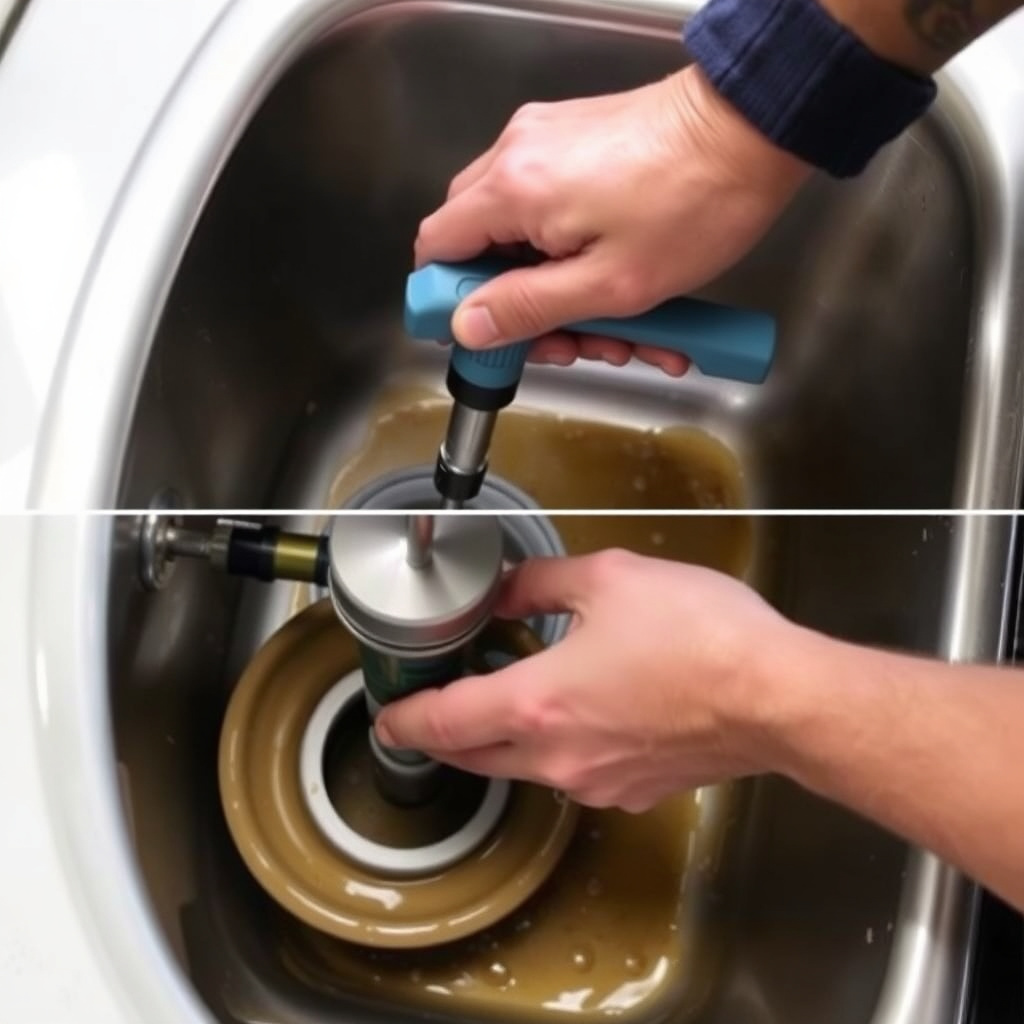
Resetting and Manually Freeing the Disposal
First, press the reset button located on the bottom of the disposal unit as this restarts its motor after overload. Next, check for jams by inserting a hex wrench into the disposal’s underside hole and manually turning to free trapped debris.
If you hear humming but the blades don’t spin, this manual turning often clears the obstruction. After freeing the jam, restore power and test the disposal with running water to see if drainage improves.
Using Plungers and Drain Snakes for Deeper Clogs
Place a sink plunger securely over the drain opening and plunge several times to dislodge clogs sitting further down the drainpipe. Make sure to seal the other sink basin if you have a double sink to maximize suction.
If plunging doesn't clear the sink drain, a drain snake or auger can reach blockages in the pipes. Insert the snake slowly and rotate to break through or pull out debris. This method is effective for grime buildup that resists plunging.
Using Natural and Chemical Solutions Safely
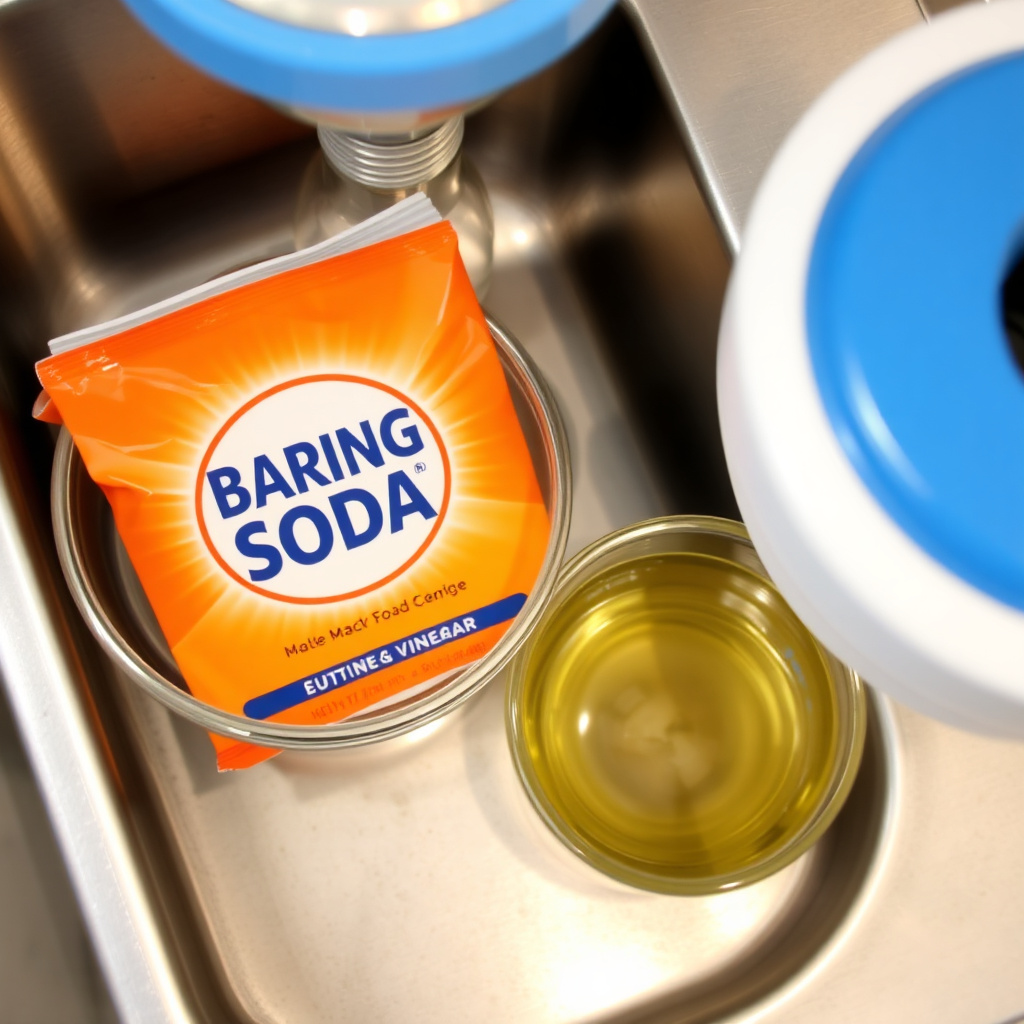
Homemade Remedies for Mild Clogs
A baking soda and vinegar mixture can help dissolve mild grease and food debris blocking your kitchen sink drain. Pour half a cup of baking soda followed by a cup of vinegar down the drain, wait 15 minutes, then flush with hot water.
These natural solutions are eco-friendly and reduce the risk of damage compared to harsh commercial chemicals, making them a first choice for gentle cleaning.
When to Use Chemical Drain Cleaners
Chemical drain cleaners can clear tougher clogs but should be used sparingly, especially with disposals, as some chemicals may corrode pipes or harm the disposal motor. Always choose a product labeled safe for garbage disposals and follow instructions precisely.
Avoid mixing chemicals with other household cleaning agents, and never use if your disposal recently ran or is overheated, as this can be hazardous.
Preventing Future Clogs in Your Kitchen Sink Disposal
Best Practices for Disposal Use
Run cold water continuously when grinding food waste to help solidify fats and wash particles down the drain. Avoid disposing of coffee grounds, eggshells, grease, or fibrous vegetables that commonly cause clogs.
Break large food scraps into smaller pieces before placing them in the disposal and always let the unit run a few seconds after the food waste is ground to clear pipes efficiently.
Regular Maintenance Tips
Clean your disposal monthly by grinding ice cubes mixed with salt to remove buildup on blades and inside the chamber. Freshen odors by grinding citrus peels like lemon or orange.
Routine inspections of the sink drain and trap, along with periodic kitchen sink drain cleaning, prevent slow drainage and costly blockages.
When to Call a Plumber for Disposal Clogs

Signs You Need Professional Help
If your kitchen sink remains clogged after trying plungers, drain snakes, and resetting the disposal, professional assessment might be necessary. Persistent odors, water leakage, or disposal making unusual noises can indicate internal damage.
A plumber can inspect blockages beyond the disposal unit and identify issues like pipe corrosion, deep blockages, or broken disposal parts that DIY methods can't fix.
You can learn more about garbage disposal maintenance and their functions from a detailed overview by Wikipedia. garbage disposal maintenance.
Costs and What to Expect
Repair costs vary based on whether the plumber needs to unclog pipes, replace the disposal, or fix plumbing connections. On average, simple unclogging jobs run between $100-$200 while replacement or complex repairs can be higher.
Having a professional handle tough clogs can save you time and protect your kitchen plumbing system from unintended damage caused by improper DIY attempts.
Kitchen Sink Disposal Clog Removal Methods Comparison
This table compares common unclogging techniques for kitchen sinks with disposals, highlighting ease, effectiveness, and safety.
| Method | Ease of Use | Effectiveness | Safety Considerations | Cost |
|---|---|---|---|---|
| Reset and Manual Jam Clearing | Easy | High for jams | Very Safe if powered off | Free |
| Plunger | Moderate | Medium for minor clogs | Safe with caution | Free |
| Drain Snake | Challenging | High for drain blockages | Requires care | Low cost |
| Baking Soda & Vinegar | Easy | Medium for mild clogs | Safe and natural | Low cost |
| Chemical Cleaners | Easy | High but conditional | Hazardous if misused | Low to moderate |
| Professional Plumbing | N/A | Very High | Very Safe | High |
Frequently Asked Questions
Can I use a plunger on a clogged kitchen sink with disposal?
Yes, a plunger is effective for minor clogs in the sink drain. Make sure to cover the drain opening tightly and plunge with water in the basin to move the blockage.
What do I do if my disposal is humming but not grinding?
This usually means the disposal is jammed. Turn off the power and use the hex wrench in the bottom hole to manually turn the blades and free the clog.
Is it safe to pour drain cleaner into the disposal?
Only use chemical drain cleaners labeled safe for garbage disposals. Excessive or improper use can damage pipes and disposal motors, so proceed with caution.
How often should I clean my kitchen sink disposal?
Monthly maintenance with ice cubes and salt grinding plus citrus peel freshening helps prevent build-up and odors, keeping your disposal running smoothly.
When should I call a plumber for a disposal clog?
If home methods fail, persistent bad smells, leaking, or strange noises occur, it's best to hire a plumber to diagnose and fix complex plumbing or disposal issues.
Key Takeaways
- Always disconnect power before working on your disposal to avoid injury.
- Reset button and manual blade turning can resolve many disposal jams.
- Use plungers and drain snakes for deeper clogs beyond the disposal unit.
- Regular maintenance and cautious disposal use prevent future sink blockages.
Conclusion
Unclogging a kitchen sink with disposal requires a clear understanding of how the disposal unit and the connected plumbing operate. By addressing jams early with the reset button and manual turning, or using plungers and drain snakes for drainage issues, you can effectively resolve most common blockages. Safety precautions like disconnecting power and avoiding sharp instruments reduce injury risk and protect your disposal from further harm. Prevention through good disposal habits and regular cleaning keeps your sink flowing smoothly.
For minor jams and clogs, resetting your garbage disposal and plunging often restore functionality without professional assistance. Baking soda and vinegar offer gentle cleaning for mild buildup, while drain snakes target tougher blockages in the pipes. If the disposal hums but blades do not spin or if water pools despite these efforts, a plumber’s expertise is needed to check for internal damage or deep pipe obstructions. Choosing the right method depends on the type and severity of the clog, balancing cost, effort, and safety.
If you face frequent clogs or your disposal shows signs of mechanical failure, start by unplugging it and inspecting for jams with the supplied wrench. Try plunging and natural cleaning remedies next. Should these steps fail or if you experience leaks and odors, contact a plumbing professional to avoid worsening the problem. Taking these careful steps will keep your kitchen sink draining reliably and extend the life of your disposal unit.