How to Clean Wood Kitchen Cabinets: A Practical Step-by-Step Guide
Cleaning wood kitchen cabinets is straightforward when you use the right methods and materials. The key is to remove grime and grease without damaging the wood finish. A mild soap solution or specialized wood cleaner with a soft cloth is often enough to make cabinets look refreshed and protect their surfaces.
Wood cabinets face daily exposure to oil splatters, food stains, and dust, so proper cleaning keeps them looking vibrant and prevents long-term wear. Avoiding harsh chemicals and abrasive tools preserves the wood’s natural grain and finish while maintaining sanitary kitchen conditions.
This article breaks down step-by-step instructions on how to clean wood kitchen cabinets thoroughly, discusses suitable cleaning supplies, gives tips for handling tough residue, and examines methods for maintaining your cabinets regularly.
Preparing Your Wood Kitchen Cabinets for Cleaning

Gathering Necessary Cleaning Tools and Products
To clean wood kitchen cabinets well, start by collecting gentle cleaning tools like microfiber cloths, soft sponges, a bucket, and a mild dish soap or a dedicated wood cabinet cleaner. Avoid anything abrasive such as steel wool or rough scrubbers which can scratch the finish.
You might also want warm water, white vinegar for natural cleaning, and optionally some mineral oil or beeswax polish to restore wood luster after cleaning.
- Microfiber cloths
- Soft sponges
- Mild dish soap or wood cleaner
- Warm water
- White vinegar (optional)
- Mineral oil or beeswax polish (optional)
Clearing the Cabinet Surfaces
Remove any items from cabinet shelves and doors to allow complete access to all surfaces. Wipe loose dust and cobwebs away with a dry microfiber cloth before using wet cleaning solutions to prevent smearing dirt around.
Checking hinges and handles at this stage also helps identify if any areas require extra attention or mild lubrication.
Effective Methods to Clean Wood Kitchen Cabinets
Using a Mild Soap Solution for Routine Cleaning
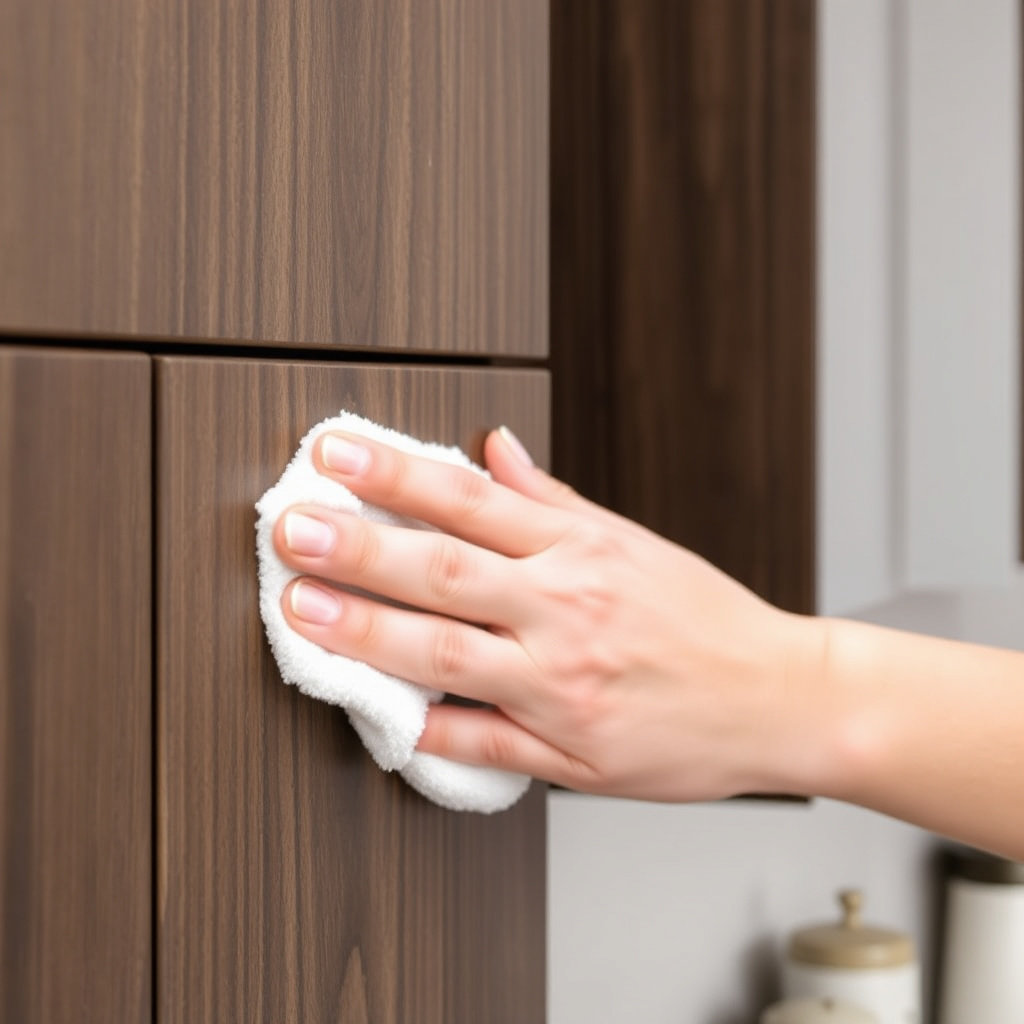
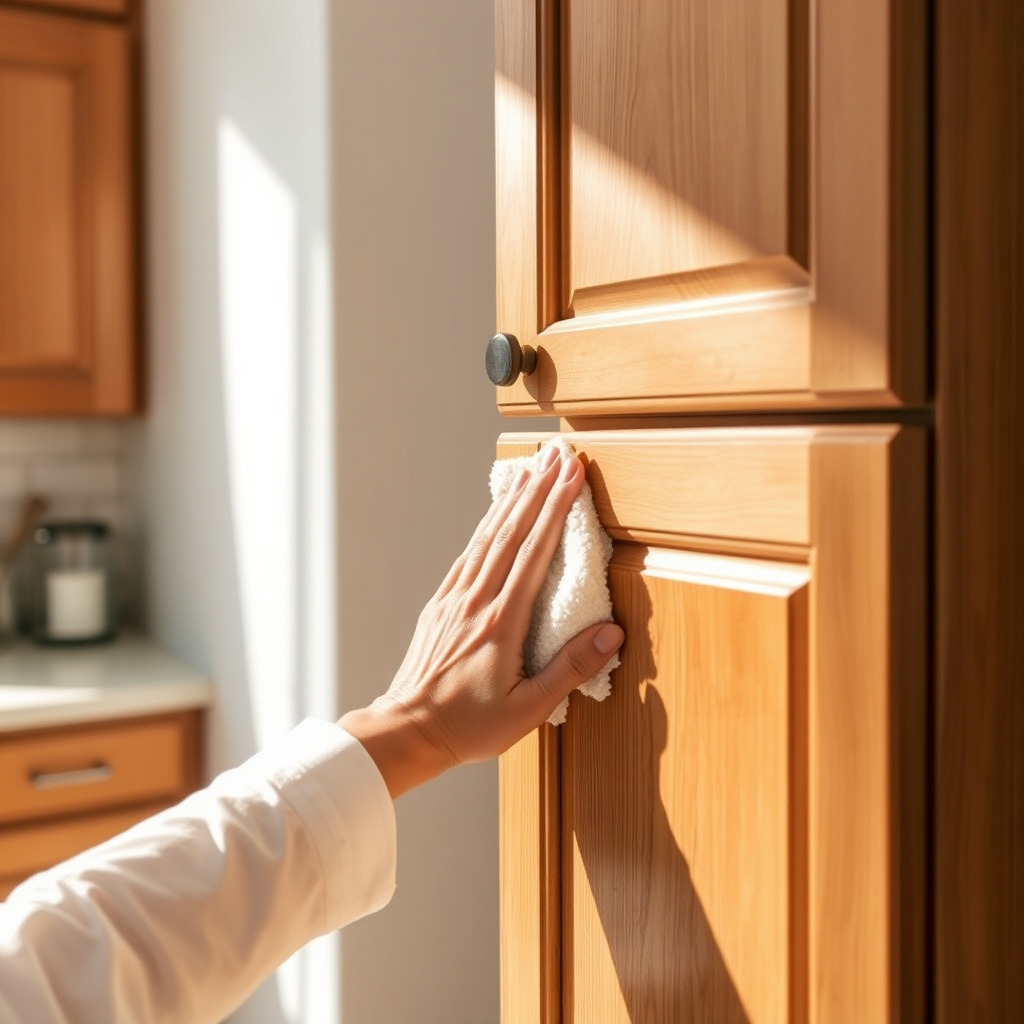
Mix a few drops of mild dish soap in warm water and dampen a microfiber cloth with the solution. Wring out excess water to prevent wetting the wood too much. Gently wipe down cabinet doors and drawer fronts in sections.
Rinse your cloth frequently in plain water and follow up by drying the surface thoroughly with a second dry cloth to avoid water damage or streaks.
Tackling Tough Grease and Stains Safely
For stubborn grease spots, mix equal parts water and white vinegar. Lightly moisten a cloth with this blend and target problem areas without saturating the wood. Vinegar’s natural acidity cuts grease without harsh chemicals.
If stains linger, consider a wood-specific cleaner designed to penetrate residue without stripping finishes. Always test any new product on a hidden area first.
Maintaining Wood Cabinets to Extend Their Lifespan
Regular Dusting and Wipe Downs
Routine dusting with a soft, dry cloth prevents buildup that can dull wood finishes over time. Spot-clean spills as soon as they occur to avoid absorption or staining.
Maintaining a consistent cleaning schedule every one to two weeks is helpful to keep your wood cabinets fresh.
Polishing and Conditioning Wood Surfaces
Occasionally apply a wood conditioner or polish like mineral oil or beeswax to hydrate the wood and restore its natural shine. It also adds a protective layer against moisture and fingerprints.
Apply polish sparingly and buff thoroughly to prevent sticky residue; this step is especially advisable for older cabinets that may show signs of wear.
Handling Damage and Repairs on Wood Cabinets
Fixing Scratches and Minor Surface Damage
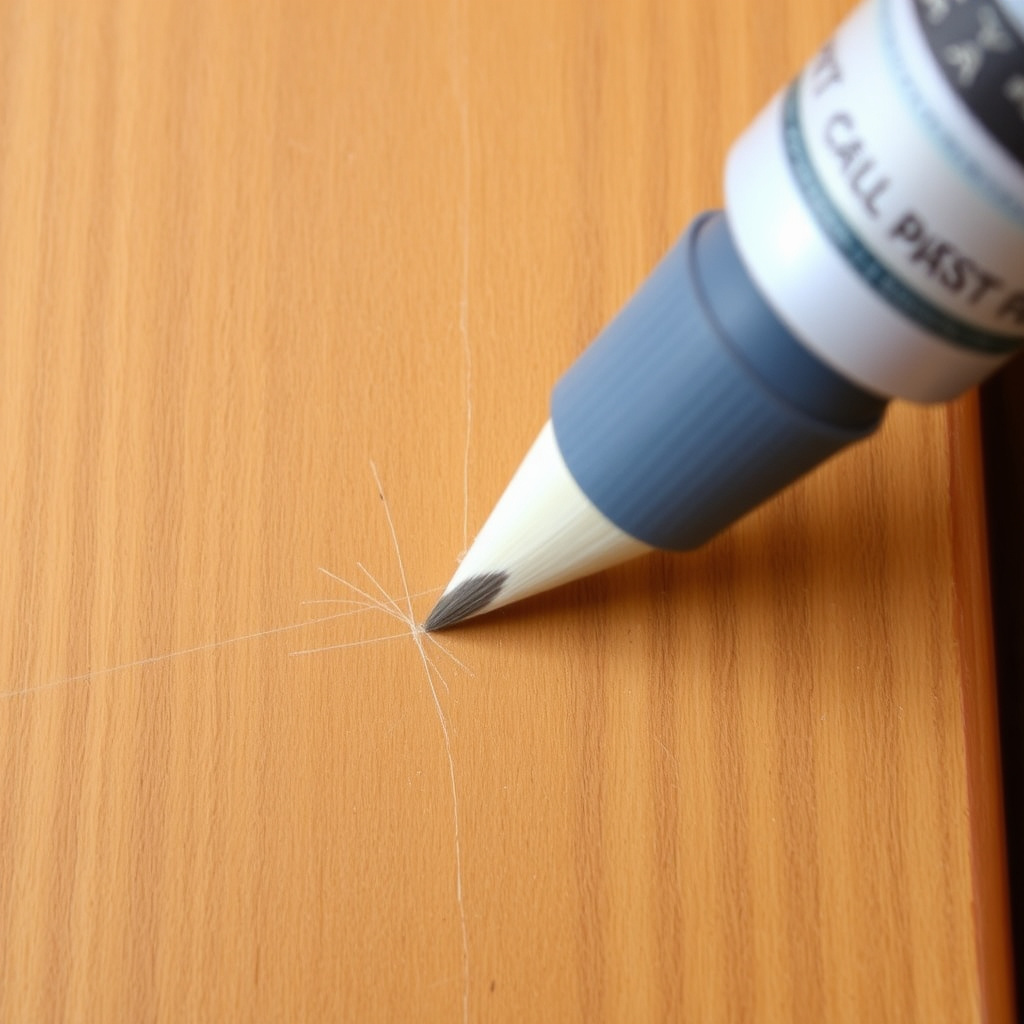
Small scratches can be minimized using commercial wood markers or colored wax sticks matching your cabinet’s tone. These products fill and blend imperfections with the surrounding wood grain visibly.
For shallow dents, gently rubbing the area with a damp cloth and applying a small amount of heat (using an iron over a moist cloth) can help the wood fibers swell back into place.
When to Call a Professional Restorer
Significant water damage, deep gouges, or peeling finishes may require professional refinishing or replacement to avoid further deterioration. Attempting major repairs without experience might worsen the problem.
Experienced woodworkers or cabinet specialists can match finishes and refinish surfaces skillfully to preserve your kitchen’s aesthetic value.
Choosing the Best Cleaning Products for Wood Cabinets

Comparing Natural Cleaners vs. Commercial Products
Natural cleaners like diluted vinegar or mild soap blends offer a safe, eco-friendly option that’s gentle on wood finishes. They are less likely to cause fading or damage when used as directed.
Commercial products formulated specifically for wood cabinets often contain conditioning agents that clean deeply and nourish finishes but should be vetted for compatibility with your cabinet type.
What to Avoid When Cleaning Wood Cabinets
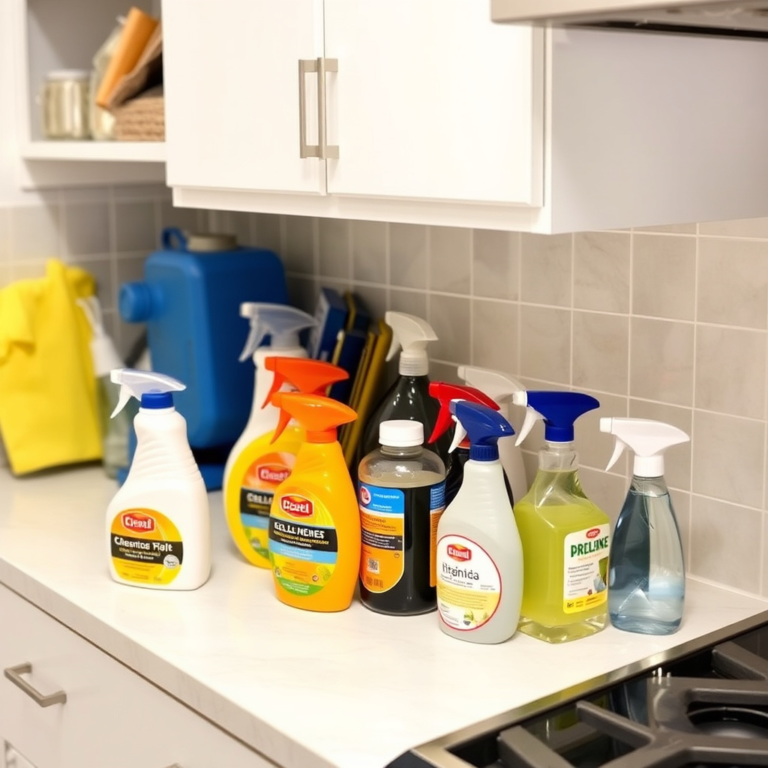
Never use bleach, ammonia, abrasive scrubbing pads, or furniture polishes containing silicone or petroleum distillates, as they can strip or cloud the finish. Avoid excessive water that can warp or discolor wood.
Stick to products labeled safe for finished wood and always perform spot tests to confirm no adverse reactions before wide application.
Preventative Measures to Keep Wood Cabinets Clean Longer

Using Protective Barriers and Finishes
Applying clear polyurethane coatings or protective films on high-use areas can minimize damage from spills, stains, and cleaning wear. These barriers make routine cleaning easier by preventing dirt adhesion.
Consider self-adhesive cabinet liners inside shelves to protect the wood and ease cleaning tasks.
For additional guidance on caring for wood kitchen cabinets, you can refer to these wood cabinet maintenance tips. Wood Cabinet Maintenance Tips.
Adjusting Kitchen Habits to Reduce Dirt Build-Up
Turn on kitchen vents and hoods while cooking to reduce airborne grease settling on cabinets. Wipe spots immediately after spills or splatters occur to lessen staining and grime accumulation.
Avoid leaning against cabinet surfaces with dirty hands or oily utensils to preserve the wood finish’s condition longer.
Wood Cabinet Cleaning Methods Category Comparison
This table compares popular cleaning methods for wood kitchen cabinets by effectiveness, finish safety, cost, and ease of use.
| Cleaning Method | Effectiveness on Grease | Wood Finish Safety | Cost | Ease of Use |
|---|---|---|---|---|
| Mild Soap Solution | High | Very Safe | Low | Easy |
| Vinegar and Water | Moderate | Safe | Very Low | Moderate |
| Commercial Wood Cleaners | High | Safe if Product Recommended | Medium | Easy |
| Bleach or Ammonia-based Cleaners | High | Unsafe – Damages Finish | Low | Easy |
| Abrasive Scrubbers | Varies | Unsafe – Scratches Wood | Low | Challenging |
Frequently Asked Questions
How often should I clean my wood kitchen cabinets?
Aim to dust your wood kitchen cabinets weekly and perform a gentle cleaning with mild soap or a wood cleaner every one to two weeks to keep them looking their best.
Can I use vinegar to clean wood cabinets?
Yes, diluted white vinegar mixed with water is a natural way to break down grease safely on wood, but use it sparingly and avoid soaking the wood to prevent damage.
What should I avoid when cleaning wood cabinets?
Avoid harsh chemicals like bleach and ammonia, abrasive scrubbers, and excessive water contact, as these can strip finishes, cause discoloration, or damage the wood.
Is it necessary to polish wood cabinets after cleaning?
Polishing with a wood conditioner or mineral oil after cleaning can restore luster and add a protective layer, especially on older or worn cabinets, but it’s optional depending on cabinet condition.
What’s the best way to remove sticky residue from wood cabinets?
Use a soft cloth dampened with a mild soap solution or commercial wood-safe cleaner to gently rub the area, avoiding harsh scrubbing, then dry promptly to protect the finish.
Key Takeaways
- Use gentle, non-abrasive cleaning solutions like mild soap or wood cleaners for regular cabinet care.
- Avoid harsh chemicals and excessive moisture to protect wood finishes.
- Routine dusting and prompt stain removal help maintain cabinet appearance and condition.
- Polishing occasionally can enhance wood grain and add moisture protection.
Conclusion
Approaching the cleaning of wood kitchen cabinets thoughtfully balances removing dirt and preserving wood surfaces. Selecting appropriate, gentle cleaning agents and tools prevents damage from abrasive action or harsh chemicals. Regular maintenance avoids buildup that can degrade finishes, while proper drying limits water-related issues. Understanding your cabinet’s finish and condition guides your technique and product choices most effectively.
For typical daily dirt and grease, a mild soap solution combined with microfiber cloths is both affordable and safe, suitable for most wood finishes. More persistent stains may respond well to diluted vinegar or specialized commercial wood cabinet products specifically formulated for cleaning without stripping protective layers. Older or very worn cabinets benefit from conditioning polishes to restore a natural shine and water resistance, sustaining wood integrity longer. Severe damage or finish loss should be assessed by professionals to avoid worsening.
To start refreshing your wood kitchen cabinets, clear surfaces for access, select a gentle cleaning approach, and keep drying cloths ready for after cleaning. Establish a routine to prevent long-term buildup and protect your investment by avoiding rough scrubbers and harsh chemicals. By incorporating these simple steps, you can maintain the beauty and durability of your wood kitchen cabinets for years to come.