How to Clean Painted Kitchen Cabinets Without Damaging the Finish
Cleaning painted kitchen cabinets requires a careful approach that removes dirt and grease without stripping or dulling the finish. Start by using a gentle cleanser like mild dish soap mixed with warm water and a soft cloth to wipe down the surfaces. Avoid harsh chemicals or abrasive tools that can damage the paint.
Painted cabinets tend to show smudges and stains more easily than natural wood or laminate, especially in a kitchen environment where grease and moisture are common. Knowing the proper cleaning techniques can prolong your cabinets' vibrant look and prevent costly repainting or refinishing down the line.
This article will explain how to tackle different types of stains and buildup on painted kitchen cabinets, recommend safe cleaning solutions, highlight maintenance tips, and cover the products and tools ideal for preserving your cabinetry’s finish.
Effective Cleaning Techniques for Painted Kitchen Cabinets
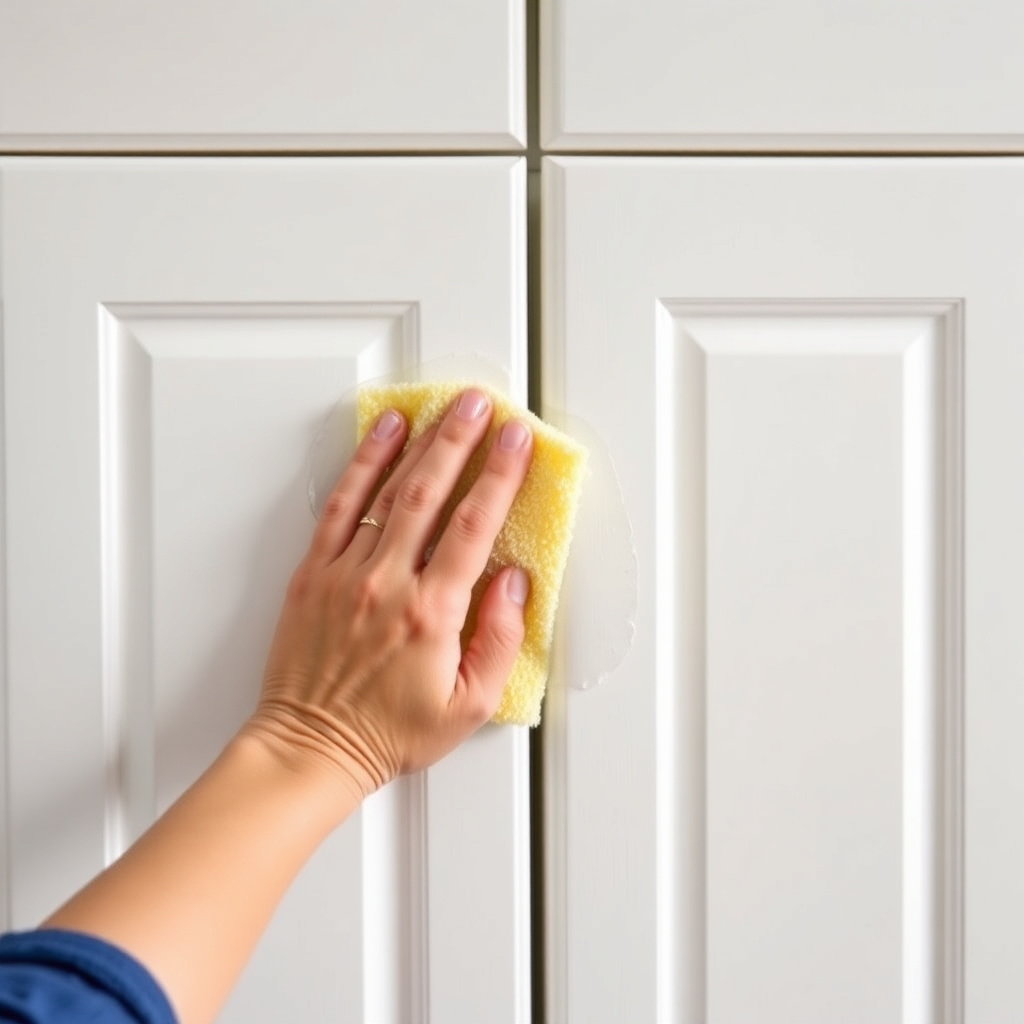
Removing Dirt and Surface Grime
Mild dish soap mixed with warm water is your best friend for regular cleaning. Apply the mix with a soft microfiber cloth or sponge in gentle circular motions to lift off dust and light grease without damaging the paint layer.
Avoid soaking the wood or leaving water sitting on the surface to prevent swelling or paint bubbling. Once wiped, use a dry cloth to remove any excess moisture quickly.
- Use mild dish soap and warm water
- Avoid abrasive sponges or brushes
- Dry cabinets promptly after cleaning
Handling Tougher Grease and Oil Stains
For stubborn grease spots, mix a few tablespoons of baking soda into your soapy water to create a mild abrasive paste. Gently rub the paste on the affected areas and then wipe clean with a damp cloth.
Alternatively, white vinegar diluted in water can break down grease safely on painted surfaces without harming the finish, but use it sparingly and test an inconspicuous spot first.
- Apply baking soda paste gently
- Use diluted white vinegar cautiously
- Always test cleaning solutions on hidden areas first
Choosing the Right Products to Clean Painted Kitchen Cabinets
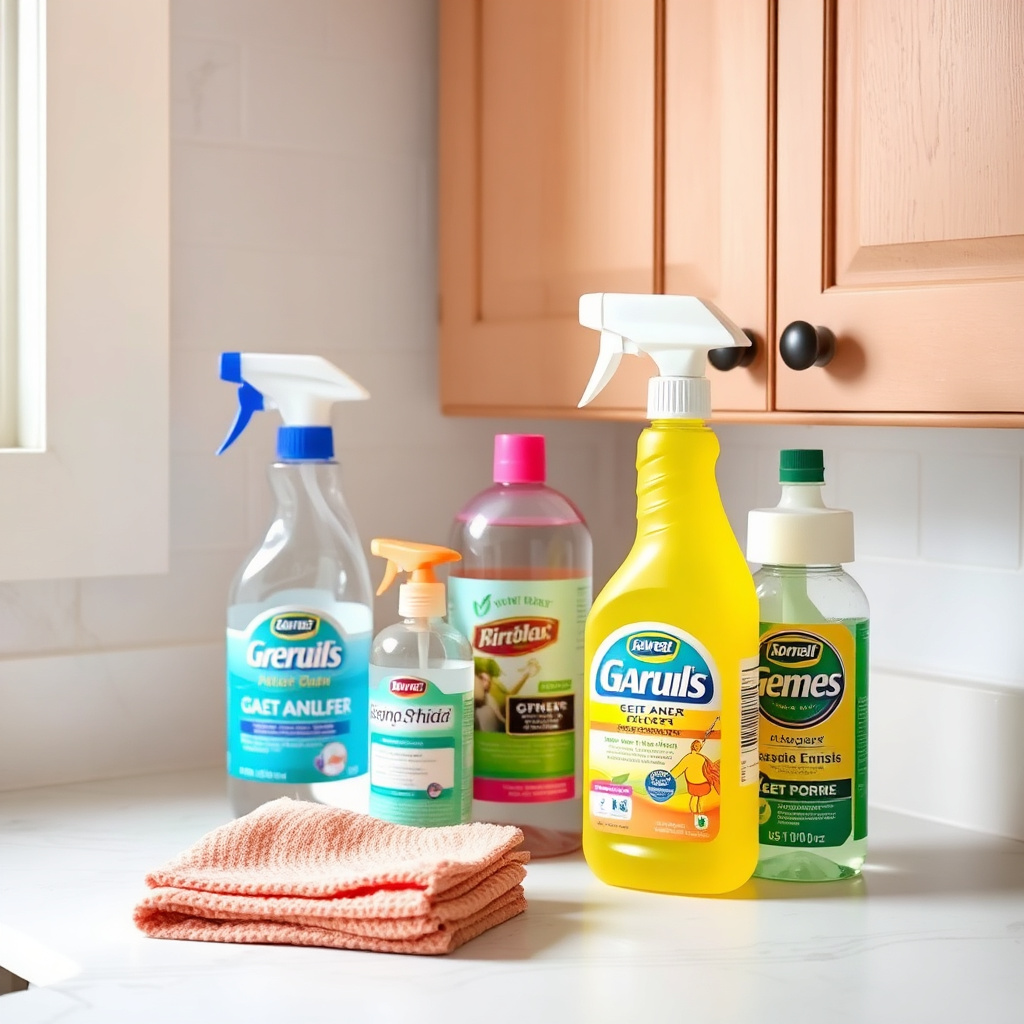
Safe Store-Bought Cleaners for Painted Surfaces
Many commercial cleaners are formulated specifically for painted cabinetry to protect finishes while removing grease and fingerprints. Look for products labeled non-abrasive and safe for painted wood or laminate.
Avoid cleaners with bleach, ammonia, or harsh solvents as these can discolor or strip paint. Brands like Method, Mrs. Meyer's, and Seventh Generation offer gentle options suitable for most painted cabinet types.
- Check labels for 'safe for painted surfaces' indications
- Avoid bleach, ammonia, or solvent-based cleaners
- Use environmentally friendly brands when possible
Homemade Cleaning Solutions to Try
Simple homemade solutions using ingredients like dish soap, white vinegar, and baking soda provide cost-effective and safe cleaning options. These are especially handy for light maintenance and spot cleaning without chemical residue.
Ensure solutions are well diluted and avoid prolonged exposure to liquid on painted cabinets. Homemade mixtures work best with soft cloths or sponges, not abrasive scrubbers.
- Dish soap and water for routine cleaning
- Vinegar-water solution for gentle degreasing
- Baking soda paste for tougher spots
Preventative Maintenance and Care Tips for Painted Cabinets
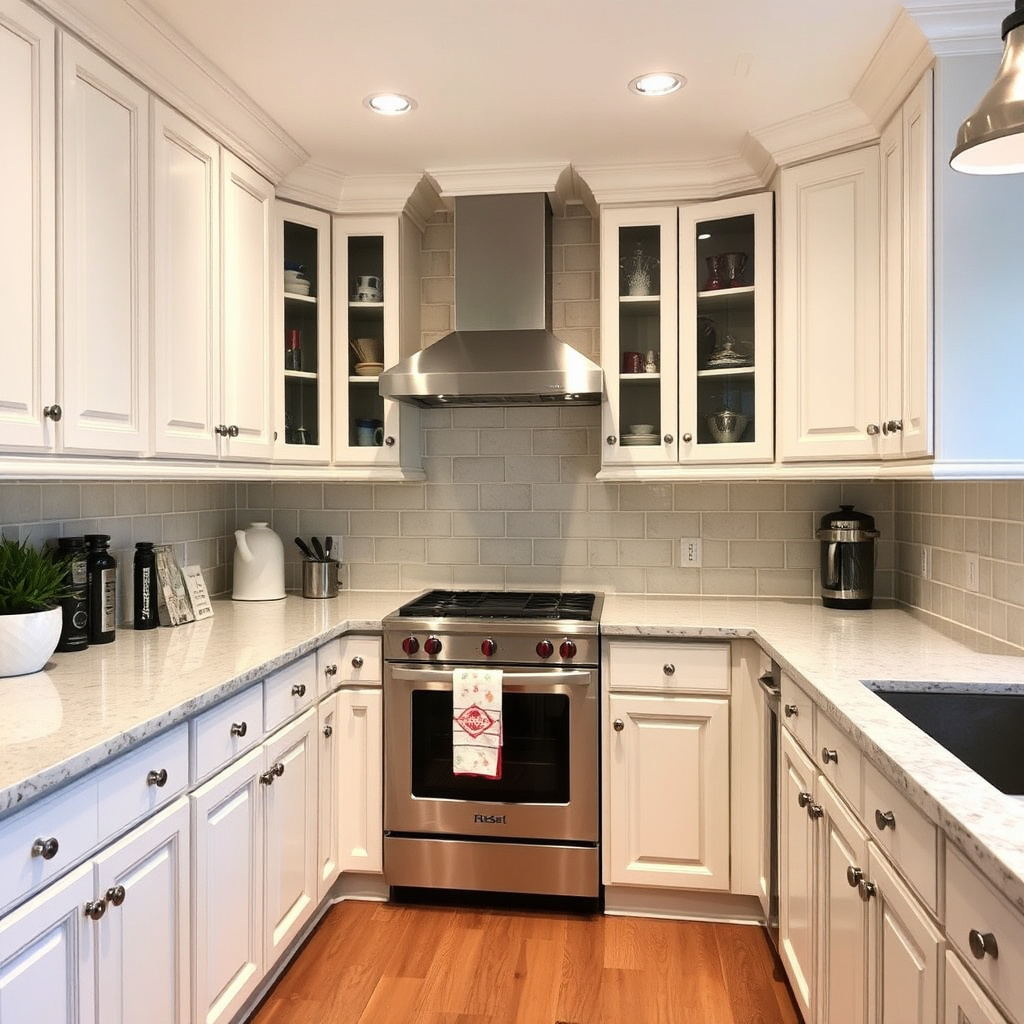
Regular Dusting and Gentle Cleaning Frequency
Dusting kitchen cabinets weekly with a microfiber cloth prevents buildup that can attract grease and dirt. Frequent wipe-downs reduce the need for intensive cleaning that may wear paint over time.
Avoid excessive scrubbing or the use of harsh chemicals during regular maintenance to maintain the cabinetry’s smooth finish and color vibrancy.
- Dust cabinets once a week
- Use gentle cleaning for routine wipe-downs
- Avoid harsh scrubbing to protect paint
Protecting Painted Cabinets from Moisture and Heat Damage
Keep moisture away by drying any spills promptly and installing adequate kitchen ventilation to reduce humidity. Prolonged exposure to steam or water can cause paint to blister or peel.
Use heat guards or protectors near stoves and ovens to shield surfaces from heat that might discolor or weaken paint.
- Dry spills immediately
- Use kitchen exhaust fans
- Shield cabinets from stove heat
Dealing with Paint Damage and When to Refinish
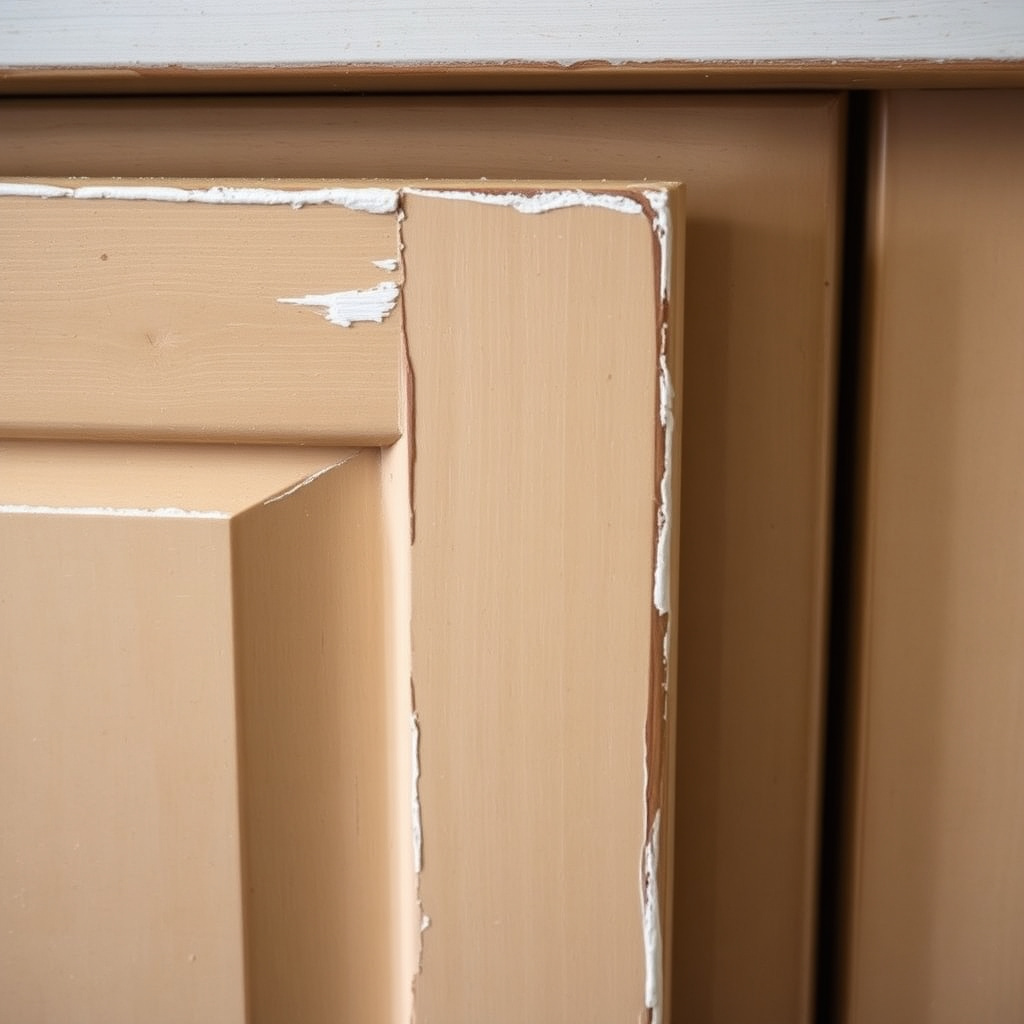
Identifying Common Types of Paint Damage
Scratches, chips, peeling, and discoloration are primary signs that your painted cabinets need more attention than cleaning. These can result from wear, household impacts, moisture exposure, or harsh cleaning agents.
Promptly addressing minor damage can stop further deterioration and keep your kitchen looking fresh longer.
- Scratches and chips on cabinet edges
- Paint bubbling or peeling due to moisture
- Discoloration from heat or cleaning chemicals
When and How to Repaint or Refinish Cabinets
If cleaning no longer restores the look, repainting might be necessary. Start by lightly sanding damaged areas, cleaning the dust thoroughly, and applying a quality primer before repainting with cabinet-grade paint for durability.
Refinishing professionals can handle major damage and ensure a smooth finish, especially with custom colors or finishes.
- Sand and prime before repainting
- Use cabinet-grade paint for best results
- Hire professionals for complex jobs
Tools and Techniques to Use When Cleaning Painted Kitchen Cabinets
Recommended Cleaning Cloths and Sponges
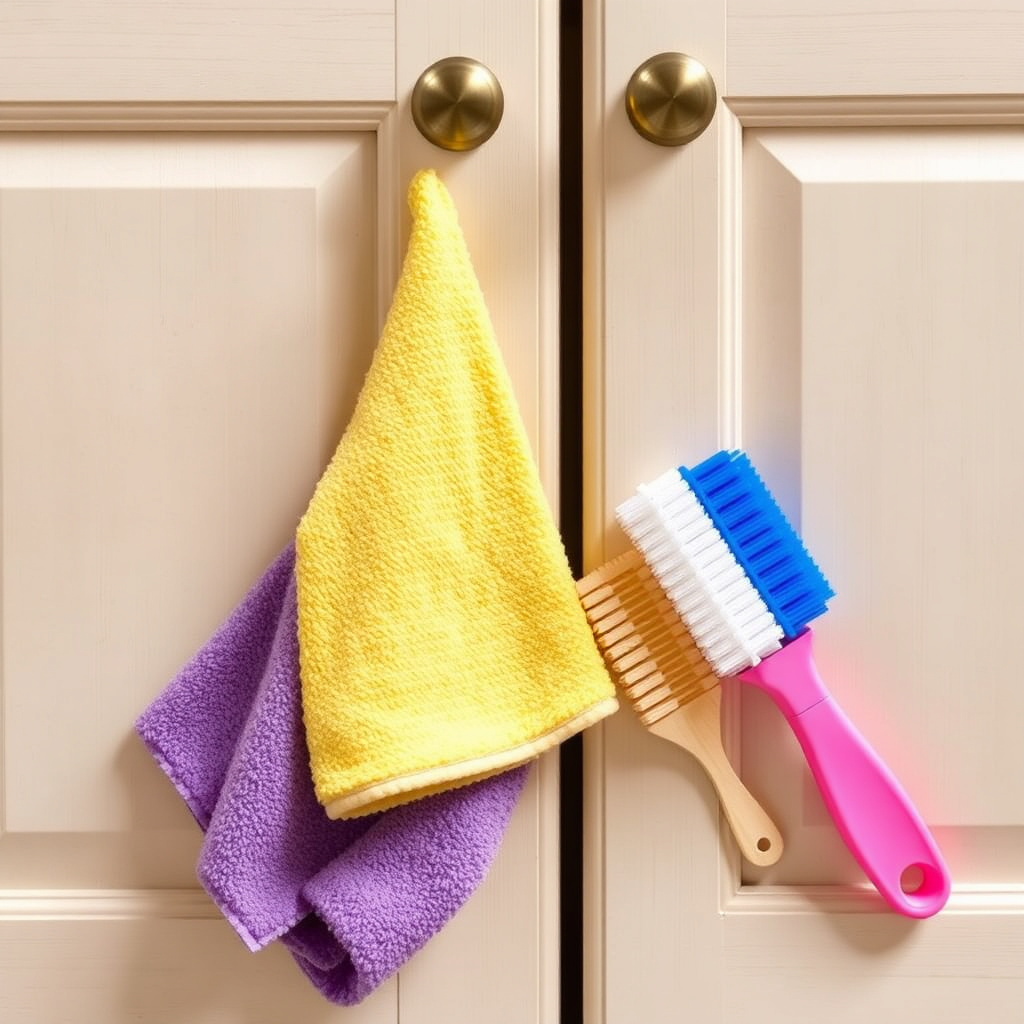
Soft microfiber cloths and non-scratch sponges are ideal to remove dirt without harming the painted surface. Avoid steel wool or abrasive pads which can quickly wear down paint layers.
Microfiber cloths also trap dust effectively and reduce the need for repeated wiping which can irritate painted surfaces.
- Use microfiber cloths for dusting and cleaning
- Choose soft, non-abrasive sponges
- Avoid rough or scratchy scrubbers
Proper Technique for Wiping and Drying
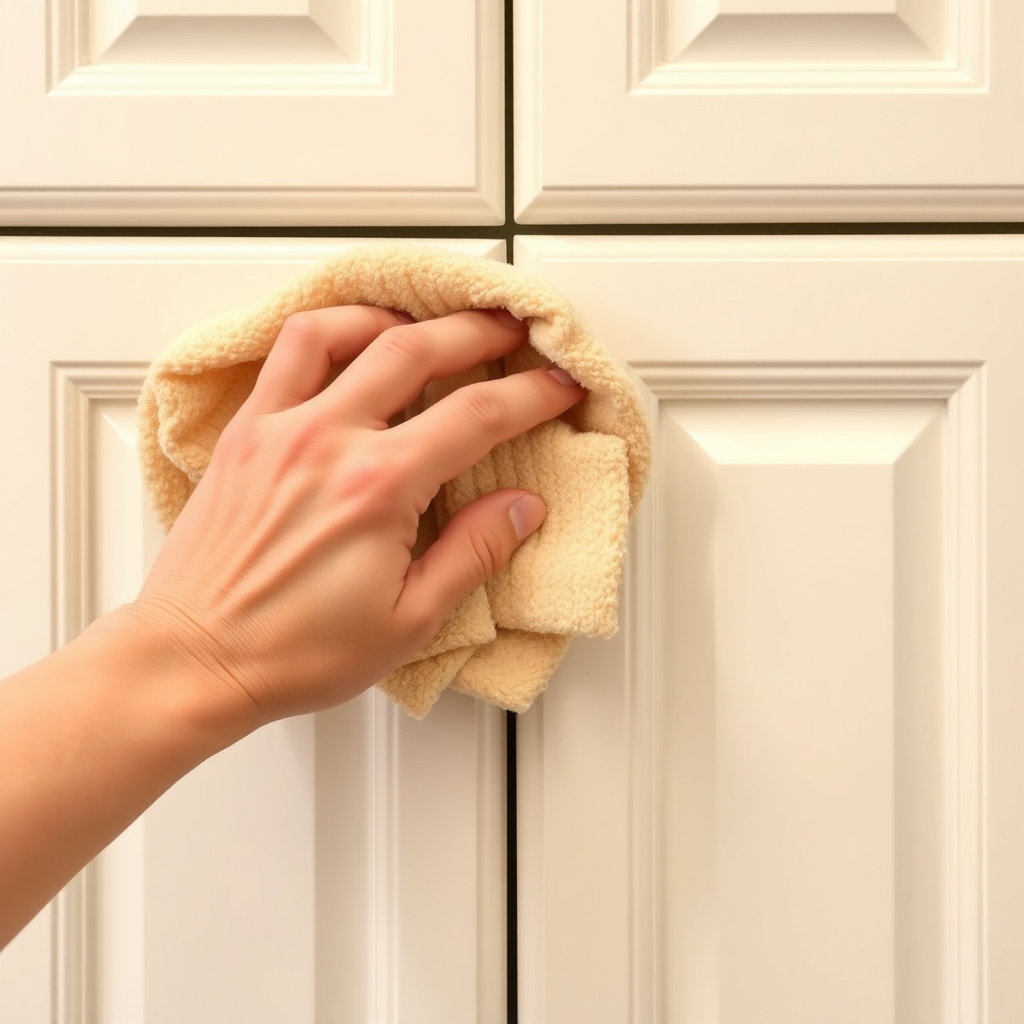
Wipe cabinets gently in the same direction as wood grain or brush strokes in the paint rather than circular scrubbing to preserve the finish. Always finish by drying the surface with a clean cloth to prevent moisture damage.
Light pressure enhances cleaning without stripping finish or causing streaks.
- Wipe with gentle, directional strokes
- Dry with a soft lint-free cloth immediately
- Use light pressure during cleaning
How to Clean Painted Kitchen Cabinets to Preserve Their Finish
Balancing Cleaning Strength and Paint Preservation
Strong cleaners can degrade paint quickly, so aim to balance effective cleaning with gentleness. This means choosing mild detergents and limiting scrubbing time to avoid dulling or unraveling the paint’s protective layer.
Address stains early before they set in, using diluted solutions and soft applicators.
- Use mild detergents at low concentration
- Avoid excessive scrubbing or soaking
- Treat stains promptly but gently
For more detailed insights on maintaining kitchen cabinetry, refer to the kitchen cabinet cleaning guidelines. Kitchen cabinet cleaning guidelines.
Tips for Maintaining Painted Cabinets Long-Term
Regular, gentle cleaning combined with immediate stain treatment and moisture management is key to preserving cabinet paint. Avoid products with solvents or brightening agents that might alter paint color or texture over time.
Periodic inspection for chips or cracks can allow timely repairs before damage worsens.
- Use gentle cleaners regularly
- Keep cabinets dry and well-ventilated
- Inspect for damage periodically
Comparison of Cleaning Methods for Painted Kitchen Cabinets
This table highlights the differences in cleaning methods, their suitability, and potential impact on painted kitchen cabinet finishes.
| Method | Effectiveness on Grease | Ease of Use | Risk to Paint Finish |
|---|---|---|---|
| Mild Dish Soap with Water | Good | Easy | Very Low |
| Baking Soda Paste | Excellent on Tough Stains | Moderate | Low (if gentle) |
| Diluted White Vinegar | Good | Easy | Moderate if overused |
| Commercial Cabinet Cleaner | Very Good | Easy | Low to Moderate (varies by product) |
| Bleach or Ammonia Cleaners | Strong | Easy | High – damages paint |
| Abrasive Scrub Pads | Good | Moderate | High – scratches and dulls paint |
Frequently Asked Questions
Can I use bleach to clean painted kitchen cabinets?
No, bleach is too harsh for painted cabinets and can cause discoloration or peeling. Stick to mild detergents or cleaners designed for painted surfaces.
How often should I clean painted kitchen cabinets?
Regular dusting once a week with gentle wiping is recommended. Thorough cleaning of greasy spots can be done monthly or as needed.
Will vinegar damage my painted cabinets?
Vinegar diluted with water can be safe for occasional grease removal but should be tested first and not overused, as excessive acidity may harm paint over time.
What is the best tool to clean painted cabinets?
Soft microfiber cloths or non-scratch sponges are best, as they clean effectively without scratching or wearing down the paint.
How do I fix chipped paint on my kitchen cabinets?
Lightly sand the chipped area, clean it, apply a primer, and repaint with a matching cabinet-grade paint to restore the finish seamlessly.
Key Takeaways
- Use gentle cleaners like mild dish soap and warm water for routine cleaning.
- Avoid abrasive tools and harsh chemicals that can damage painted finishes.
- Treat tough grease stains with baking soda or diluted vinegar cautiously.
- Regular dusting and prompt stain removal maintain cabinet appearance longer.
Conclusion
When deciding how to clean painted kitchen cabinets, prioritize methods that protect the finish while effectively removing grime and grease. Mild detergent solutions with soft cloths provide an efficient balance between cleanliness and preservation, reducing the risk of paint damage and prolonging the cabinetry’s attractive look.
For everyday maintenance, mild dish soap with warm water paired with a microfiber cloth offers reliable, low-risk cleaning. Stubborn stains benefit from gentle baking soda paste or diluted vinegar applied carefully. Commercial cleaners designed specifically for painted cabinets can be useful but require checking ingredients for solvents or harsh components. Regular dusting and avoiding moisture buildup are pivotal parts of a routine that helps prevent accelerated wear or discoloration.
Taking these steps allows you to keep painted kitchen cabinets fresh and vibrant for years. Start with gentle cleaning methods, monitor surfaces for any damage, and consider professional refinishing if needed. This approach safeguards your investment and keeps your kitchen’s style intact with minimal hassle.