How to Paint Kitchen Cabinets Without Sanding: A Step-by-Step Guide
You can paint kitchen cabinets without sanding by using proper cleaning, applying a quality primer designed for glossy surfaces, and choosing a paint that adheres well to smooth finishes. This approach saves time and effort while still delivering a durable result.
Skipping sanding makes cabinet painting less laborious, especially if your cabinets are in good condition without peeling or damage. Proper surface preparation and high-adhesion primers help paint stick firmly, preventing chips and flakes down the road.
This article will cover the best techniques and materials for painting kitchen cabinets without sanding, including cleaning methods, primer recommendations, paint types, and step-by-step guidance. It also compares paint choices and answers common questions to help you transform your kitchen efficiently.
Preparing Kitchen Cabinets Without Sanding
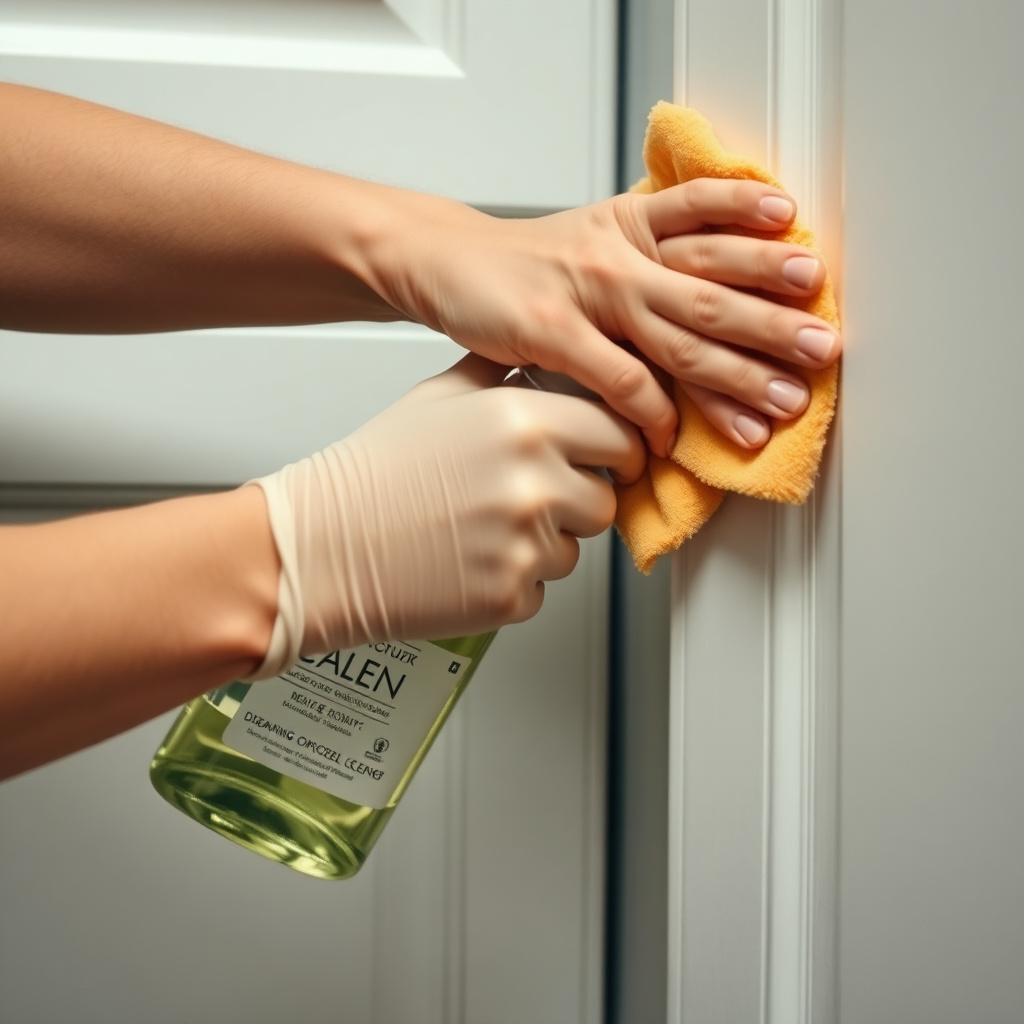
Cleaning and Degreasing the Cabinet Surfaces
Removing grease, dirt, and grime is essential before painting without sanding. Use a heavy-duty degreaser or trisodium phosphate (TSP) mixed with water to scrub all cabinet surfaces thoroughly. This removes oils that prevent primer and paint from adhering properly.
Make sure to rinse with clean water and allow the surfaces to dry completely. Skipping this deep cleaning step can lead to paint peeling or bubbling later.
- Use gloves and protective eyewear when handling cleaning chemicals
- Scrub with a non-abrasive sponge to avoid damaging finish
- Wipe with a clean, damp cloth after cleaning to remove residue
Repairing Minor Imperfections
Even without sanding, small dents, holes, or scratches can be filled with wood filler or a high-quality putty. Apply it smoothly with a putty knife and let it dry before painting.
This step helps create an even surface for paint application and improves the overall look of your cabinets.
- Choose filler compatible with your cabinet material
- Sand only patched spots gently if surface roughness is noticeable
Priming Cabinets for Paint Adherence
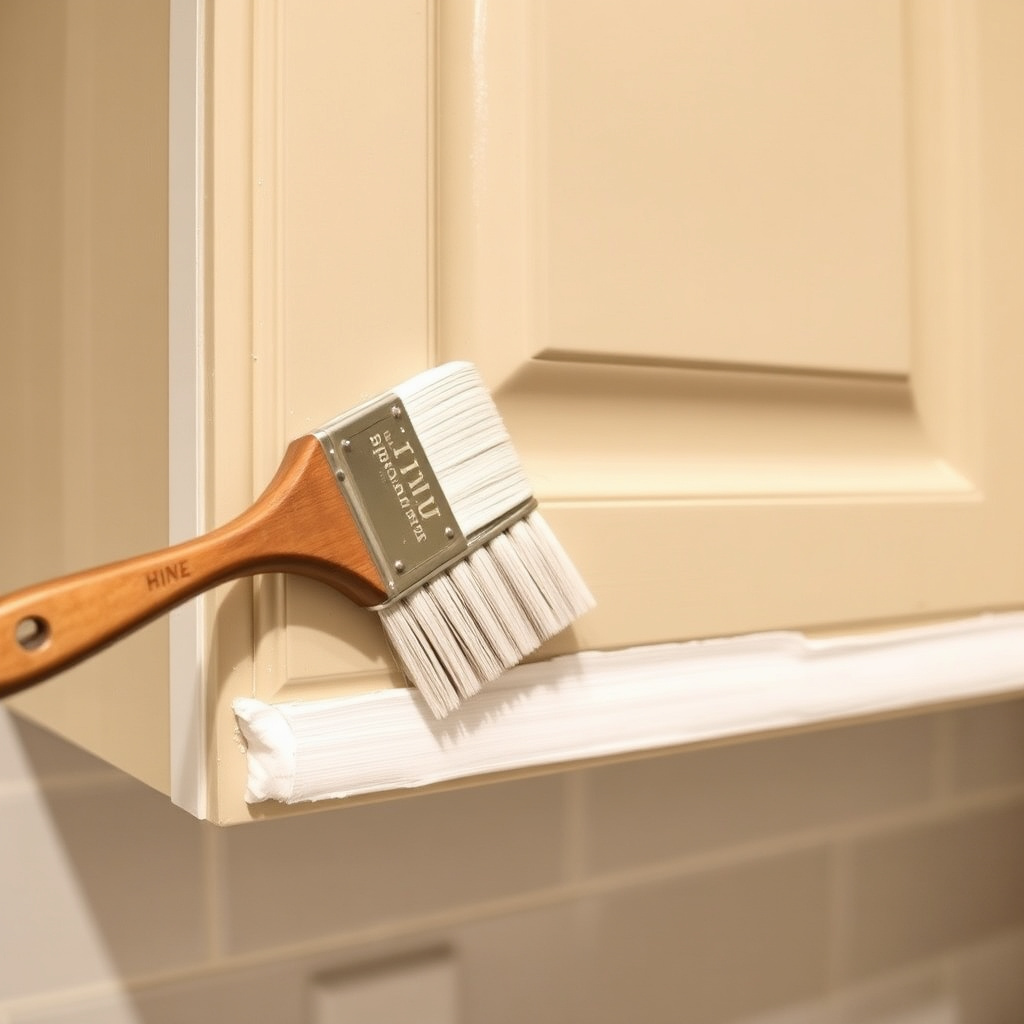
Selecting the Right Primer for No-Sanding Projects
A bonding primer specifically designed for glossy or slick surfaces is key to paint adherence when skipping sanding. These primers chemically bond to the cabinet finish, providing a rough enough surface for the topcoat to grip.
Look for primers labeled as 'adhesion primers' or 'bonding primers' for hard-to-paint surfaces such as laminate, melamine, or varnished wood.
- Check primer compatibility with your cabinet material
- Test primer on a small area before full application
Applying Primer Correctly
Apply primer evenly using a brush for edges and a foam roller for flat surfaces to avoid brush marks. Two light coats work better than one heavy coat, allowing each to dry fully based on manufacturer instructions.
Primer provides the base paint with a surface that will hold longer without peeling or cracking.
- Maintain consistent temperature and humidity while painting
- Avoid rush drying by providing good ventilation
Choosing and Applying Paint Without Sanding
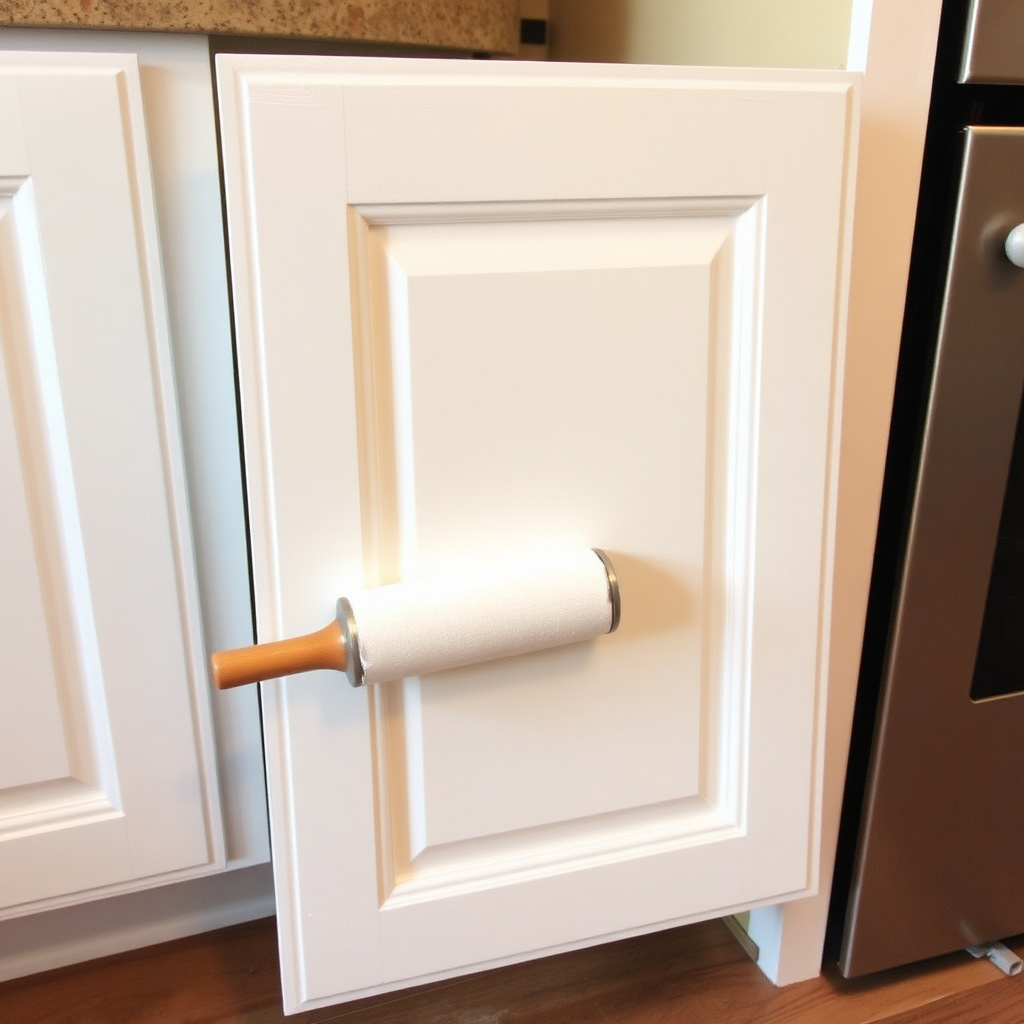
Best Paint for Kitchen Cabinets Without Sanding
Use a self-leveling, durable paint like acrylic latex or alkyd enamel designed specifically for cabinets. These paints provide a smooth finish and resist wear.
Low-VOC formulas are preferable indoors for minimal odors and easier cleanup with soap and water.
- Consider cabinet-specific paints advertised for adhesion and durability
- Test paint finish on primed sample to ensure desired look
Techniques for Even Paint Application
Apply 2-3 thin coats of paint with a foam roller or high-quality angled brush. Allow each coat to dry between applications according to the paint label instructions.
Avoid overloading your brush or roller to prevent drips, and sand lightly between coats if needed for smoother results.
- Work in thin layers for best coverage
- Use a paint conditioner to reduce brush marks
Protecting Painted Cabinet Surfaces
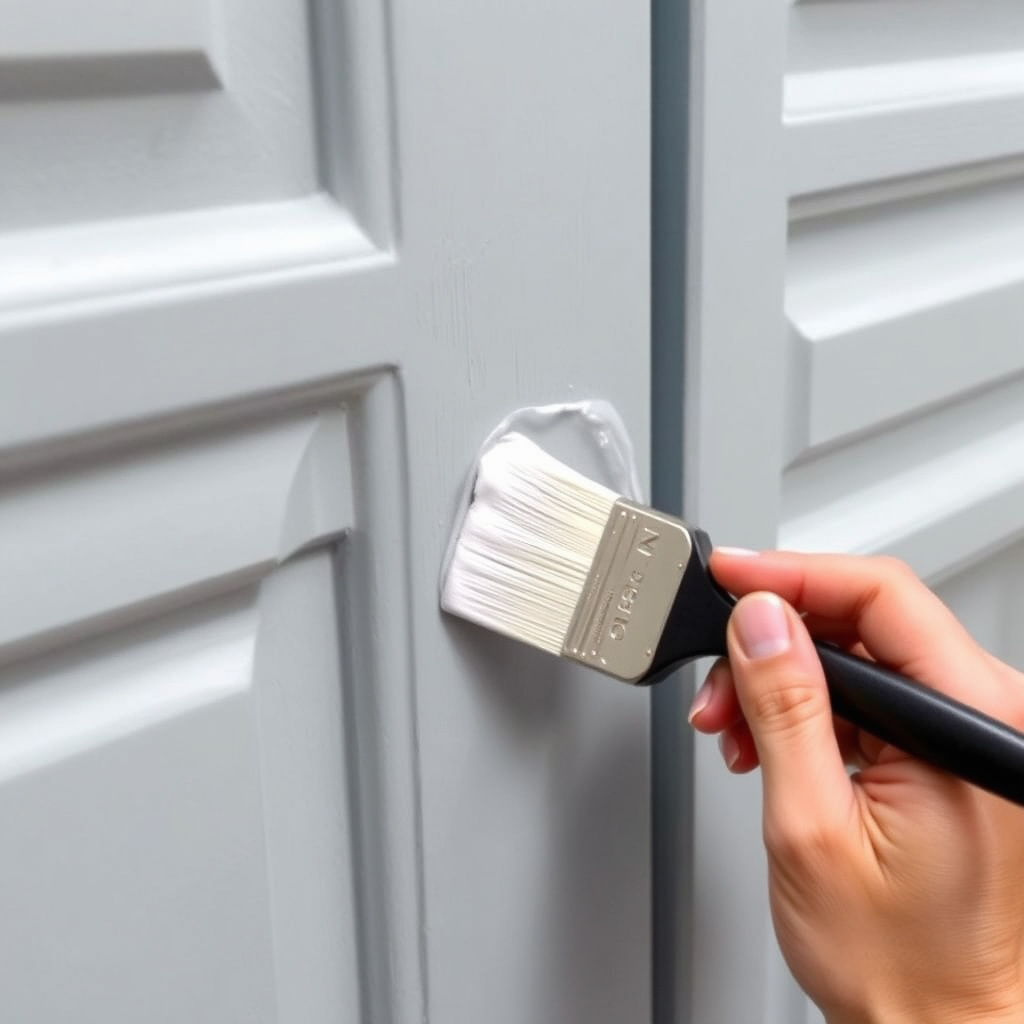
Topcoats to Extend Paint Durability
A clear polyurethane or polycrylic topcoat helps protect painted cabinets from scratches, stains, and moisture. This is especially important when you skip sanding since surfaces may not be as porous.
Water-based polycrylic sprays or brush-on finishes are popular for white or light-colored cabinetry.
- Choose non-yellowing topcoats for lighter paint colors
- Apply 2 coats for best protection
Maintenance Tips for Painted Cabinets
Clean painted cabinet surfaces gently with mild soap and water to preserve the finish. Avoid abrasive cleaners and scrubbing pads that can damage paint.
Address chips or wear spots promptly by touching up with leftover paint and topcoat.
- Use microfiber cloths for cleaning
- Schedule touch-ups every few years for longevity
Common Mistakes to Avoid When Painting Cabinets Without Sanding
Skipping Thorough Cleaning
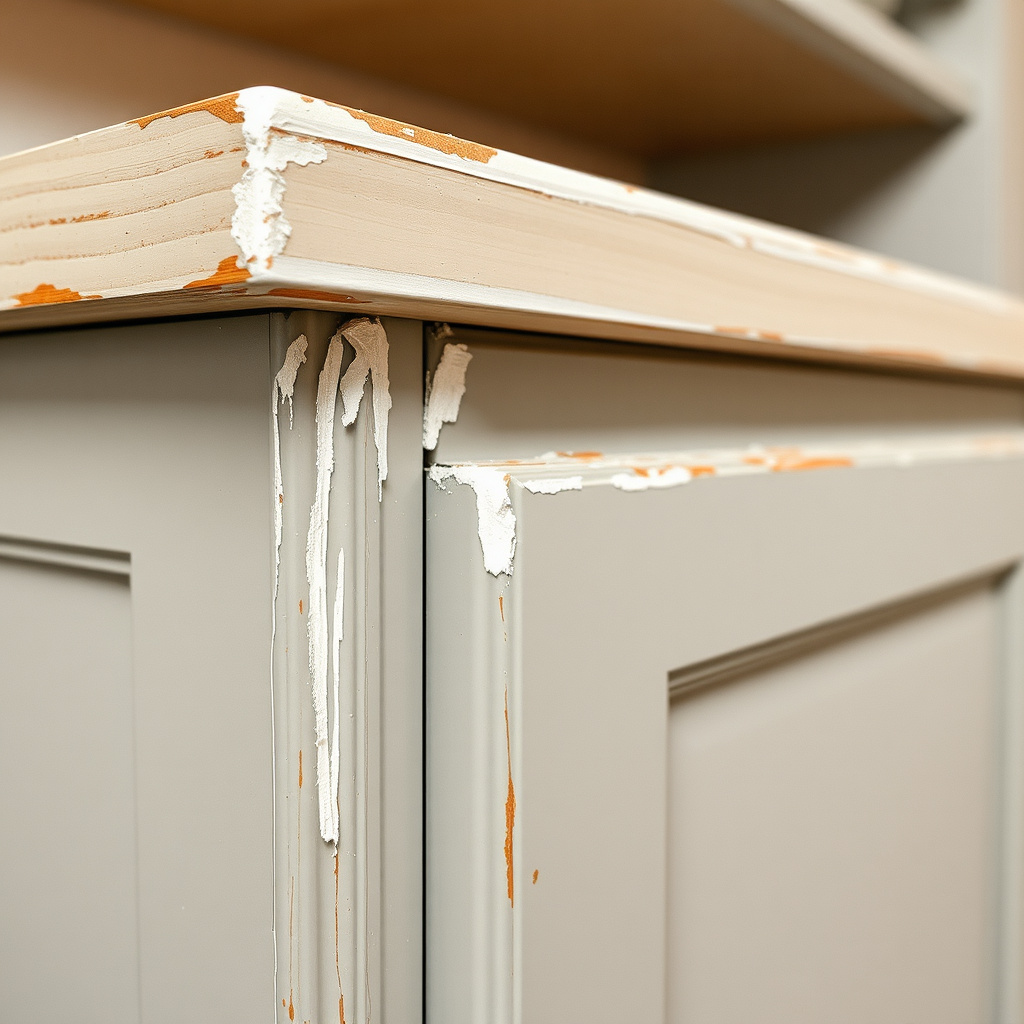
Failure to remove oils and residues causes paint to peel quickly. Even cabinets that look clean can have hidden grease that interferes with primer and paint adhesion.
Spend adequate time scrubbing and degreasing for lasting results.
Using the Wrong Primer or Paint
Generic primers and paints without adhesion properties won't bond well to smooth cabinet finishes. This leads to chipping and visible brush strokes.
Investing in a bonding primer and cabinet-rated paint is worthwhile to avoid these problems.
Alternative Preparation Methods for Non-Sanding Painting
Liquid Deglossers as a Prep Option
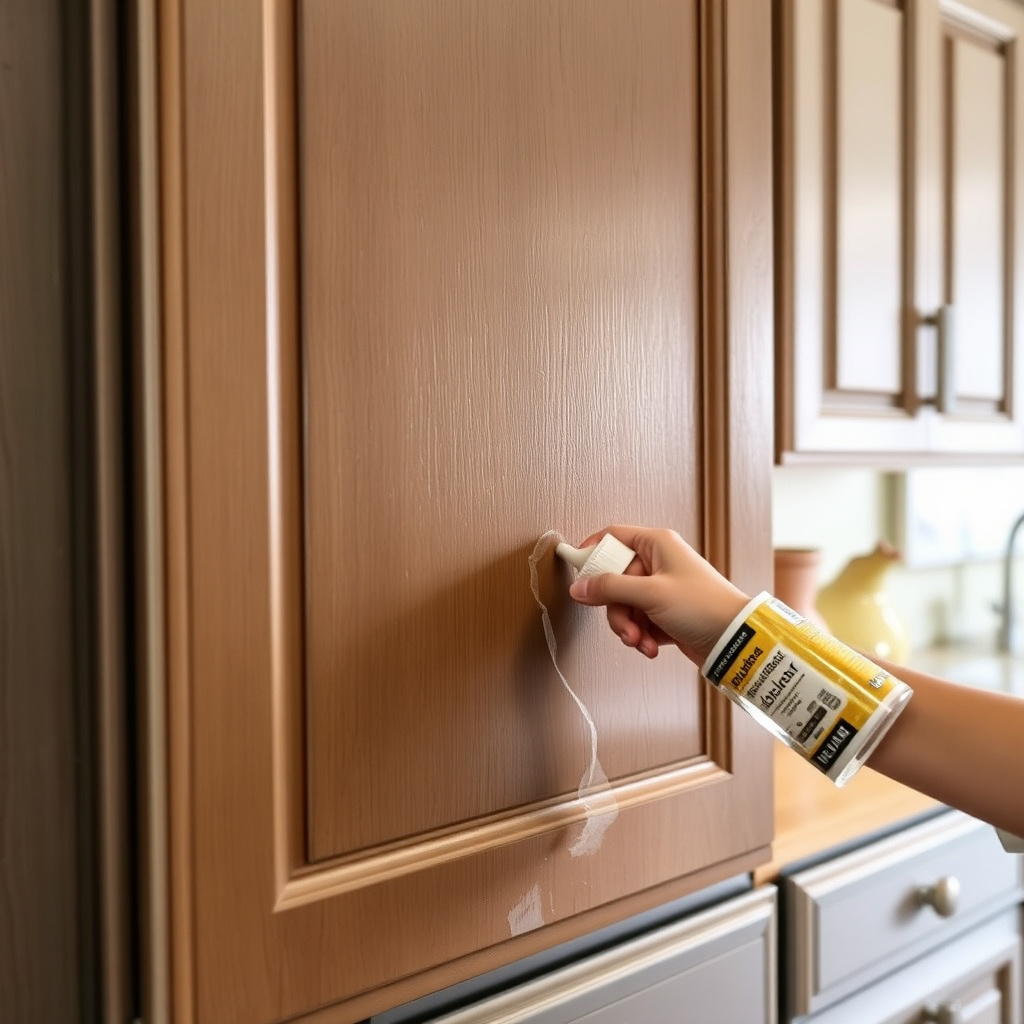
Liquid deglossers chemically roughen slick surfaces to improve paint adhesion without physical sanding. Apply with a cloth and allow to dry before priming.
This method works well on varnished or laminated cabinets but requires careful application to avoid uneven spots.
- Use in a well-ventilated area
- Wear gloves and protect surrounding surfaces
For additional insight into painting techniques and surface preparation, see this resource on painting kitchen cabinets. painting kitchen cabinets.
Using Tack Cloths to Remove Dust
After cleaning and deglossing, wiping cabinets with a tack cloth removes fine dust and particles that could cause rough paint surfaces.
This simple step enhances the smoothness of your paint job without sanding.
Comparison of Paint Types for Kitchen Cabinets
Here’s a quick comparison of popular paint types used for kitchen cabinets when you want a no-sanding finish.
| Paint Type | Durability | Drying Time | Finish Options | Ease of Application |
|---|---|---|---|---|
| Acrylic Latex | High | 2-4 hours | Matte, Satin, Semi-gloss | Easy with rollers or brushes |
| Alkyd Enamel | Very High | 6-8 hours | Glossy, Semi-gloss | Requires longer drying, mild odor |
| Chalk Paint | Medium | 1-2 hours | Matte | Easy, usually needs sealing |
| Spray Paint (Enamel) | Medium | 15-30 minutes | Glossy | Fast but needs spray equipment |
Frequently Asked Questions
Can I skip sanding if my cabinets have chipped paint?
If the cabinets have chipped or peeling paint, it’s best to remove the loose paint and sand those areas before painting. Skipping this can result in poor adhesion and accelerated peeling.
What’s the best primer for painting without sanding?
A bonding or adhesion primer, specifically made for slick or glossy surfaces, works best to help paint adhere tightly when sanding is not done.
How long should I wait between paint coats?
Waiting times vary by paint type but generally 2-4 hours for acrylic latex and up to 8 hours for alkyd enamel is recommended to ensure the previous coat dries properly.
Is liquid deglosser necessary if I’m not sanding?
Liquid deglossers help improve paint adherence by dulling shiny surfaces. While not always mandatory, they're a helpful step if your cabinets have a glossy finish.
Can I paint cabinets without primer?
Skipping primer is not recommended because it reduces paint adhesion, especially on glossy or sealed surfaces, and can cause peeling and uneven coverage.
Key Takeaways
- Proper cleaning and degreasing are critical when painting without sanding.
- Use a bonding primer designed for glossy surfaces to improve adhesion.
- Choose durable, cabinet-specific paints like acrylic latex or alkyd enamel.
- Apply a protective topcoat to extend the life of your paint finish.
Conclusion
Painting kitchen cabinets without sanding can save significant time and effort, provided the right preparation and materials are used. The process hinges on thoroughly cleaning and degreasing the cabinets and selecting a high-quality bonding primer. These steps compensate for not sanding and help paint adhere solidly to the existing finish. Choosing paints formulated for cabinetry further adds durability and an appealing look, achieving a professional-quality result.
For homeowners who want to refresh their kitchen cabinets quickly, acrylic latex paints combined with adhesion primers offer a reliable no-sanding solution. Alkyd enamel paints are suitable if extra toughness and glossiness are desired, albeit with longer drying times. Additionally, liquid deglossers offer a mild chemical roughening alternative to sanding and can enhance primer bonding, especially for cabinets with a glossy or sealed surface. Selecting the right combination depends on your cabinet material, finish type, and preferred appearance.
If you plan to paint your kitchen cabinets without sanding, start with deep cleaning and degreasing, then choose a quality bonding primer followed by cabinet-rated paint. Consider applying a clear protective topcoat to guard the new finish against wear and moisture. Testing your primer and paint on a small cabinet section first will also help avoid surprises. With careful attention to prep and products, you can achieve a smooth, durable kitchen cabinet makeover that looks fresh and lasts for years.