How to Use Kitchen Mama Can Opener: A Step-by-Step Guide
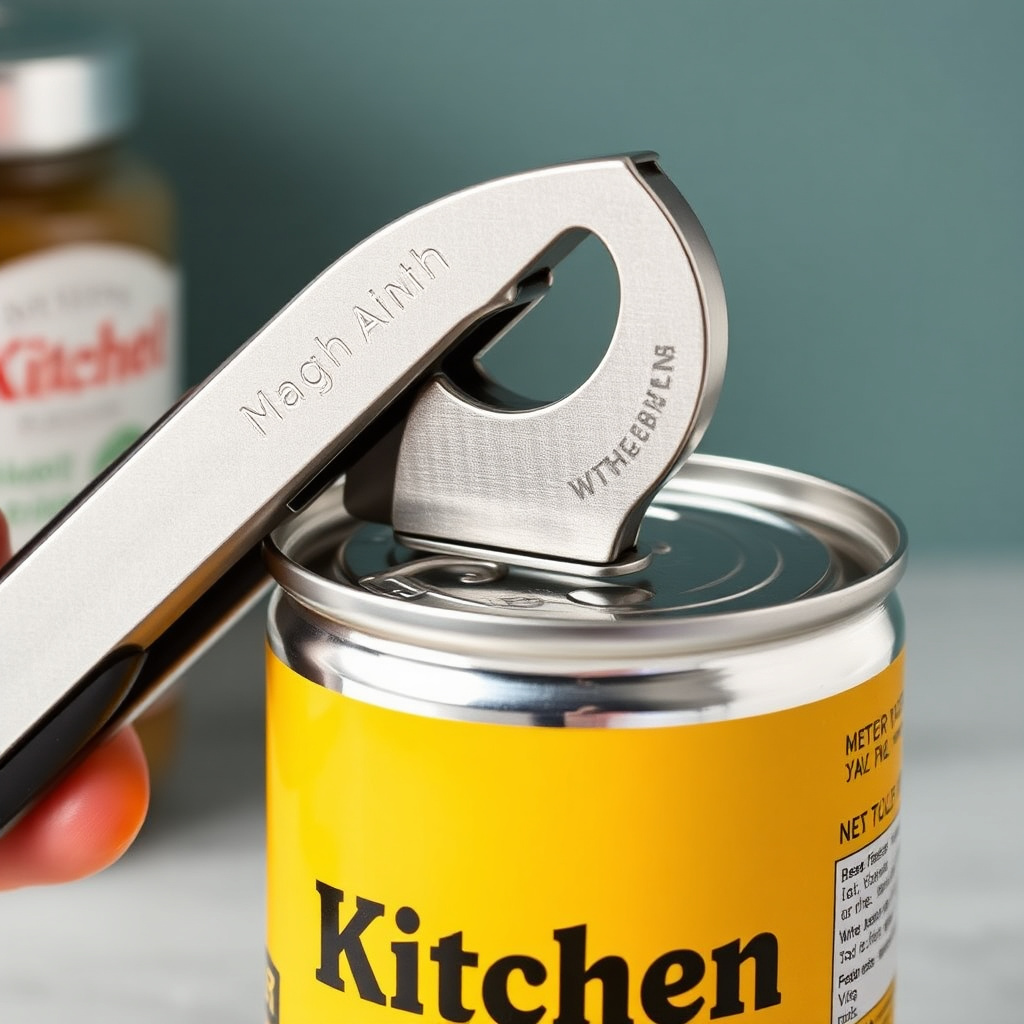
Using the Kitchen Mama can opener is straightforward and efficient. To start, position the can opener's cutting wheel on the can's rim, clamp the handles together, and turn the knob to rotate the blade around the lid, cutting it open smoothly without any struggle.
This type of can opener is valued for its ergonomic design and safety features, making it ideal for everyday kitchen use. Unlike traditional openers, it aims to reduce hand fatigue and minimize the risk of sharp edges, which can make meal prep safer and faster.
This guide will walk you through each step of using the Kitchen Mama can opener, explain maintenance tips to keep it working well, compare it to other openers, and address common questions so you can use this tool with confidence.
Getting Started with Your Kitchen Mama Can Opener
Unboxing and Initial Setup
Upon unboxing the Kitchen Mama can opener, check all parts for completeness: the handles, cutting wheel, and rotating knob should all be intact and move smoothly. Some models come with a safety cap on the blade, which you should remove before first use.
Before using for the first time, clean the cutting mechanism with warm, soapy water and thoroughly dry it. This helps remove any factory residues and prepares it for smooth cutting.
Positioning the Can
Place the can on a stable surface. Lift the can opener handles and fit the cutting wheel onto the can's edge. Make sure the wheel is properly aligned with the rim for an even cut.
Clamp the handles together firmly. This secures the opener in place so that when you turn the knob, the blade slices through the lid cleanly without slipping.
Operating the Kitchen Mama Can Opener Effectively

Turning the Knob to Open the Can
Once the handles are clamped, rotate the knob clockwise with a steady motion. The cutting wheel will carve around the lid’s edge. Maintain consistent pressure to keep the opener engaged with the rim.
As you continue turning, listen for a change in sound which indicates the blade has almost completed the circle. Stop when the can is fully cut but avoid over-rotating to prevent the lid from detaching abruptly.
Safely Removing the Lid
After cutting, gently release the handles to disengage the can opener. The lid will be partly attached but should be loose enough to lift off with caution.
Use the built-in magnet if your Kitchen Mama model has one, or a spoon to carefully remove the lid to avoid contact with sharp edges. Always handle cut lids carefully to avoid injury.
Maintenance and Cleaning Tips for Longevity

Cleaning After Use
Wash the Kitchen Mama can opener with warm, soapy water after each use. Pay particular attention to the cutting wheel and the gear area to remove any food residues that can cause rust or affect performance.
Dry all parts thoroughly with a soft towel before storage to prevent corrosion. Avoid immersing the whole tool in water if it contains non-waterproof components to keep internal mechanisms intact.
Sharpening and Replacing Parts
If you notice the opener struggling to cut smoothly, the blade may dull over time. Some models allow replacing the cutting wheel; check your manual for specifics.
Sharpening a can opener blade is usually not practical; replacement ensures cleaner cuts. Keeping it lubricated lightly with food-grade oil on moving parts can help maintain smooth operation.
Comparing the Kitchen Mama Can Opener with Other Types
Manual vs Electric Can Openers
The Kitchen Mama is a manual can opener known for user control and portability. Unlike electric openers, it doesn’t require power and is easy to clean, but it does require hand effort when turning the knob.
Electric openers reduce physical effort and are faster, yet they can be bulky and need power sources. Kitchen Mama hits a balance with ergonomic design to make manual use easier and more comfortable.
Safety Features Comparison
Safety is a big selling point for the Kitchen Mama can opener. Its design often features smooth edges and sometimes a magnetic lid lifter to reduce contact with sharp metal parts.
Traditional openers sometimes leave jagged edges and require a separate tool to lift lids. Electric can openers usually also produce smooth cuts but add cost and maintenance.
Troubleshooting Common Issues with Kitchen Mama Can Opener

Can Opener Not Cutting Properly
If the Kitchen Mama can opener slips or fails to cut through the lid, check whether the blade is dull or misaligned. Proper positioning on the can rim is crucial to effective cutting.
Make sure the handles are squeezed tightly to hold the opener steady. Cleaning buildup around the cutting wheel can also cause issues, so verify cleanliness before use.
Difficulty Turning the Knob
If turning the knob feels stiff or jerky, there might be rust, debris, or lack of lubrication in the gear mechanism. Apply a small amount of food-safe lubricant and clean any trapped food particles.
Avoid forcing the knob, as this may damage the opener. Instead, try rotating it slowly and ensure the can opener is properly gripping the can’s edge.
Helpful Tips for Improved Kitchen Mama Can Opener Use

Storage and Handling Advice
Store your Kitchen Mama can opener in a dry place after cleaning to extend its life. Keep it accessible in a drawer or utensil holder so it’s ready whenever you need it.
Avoid dropping or banging the opener to protect the cutting wheel’s sharpness and alignment. Regular care will keep it working efficiently for years.
For additional background on can opener designs and history, see the can opener Wikipedia article. can opener Wikipedia article.
Additional Manual Can Opener Tips
To improve ease of use, use your body’s weight when turning the knob rather than just your fingertips. This reduces fatigue and makes cutting smoother.
Some users find lightly warming the can lid before opening can soften the seal, making it easier for the Kitchen Mama blade to cut through. Try this when opening particularly stubborn cans.
- Use steady, even pressure when turning
- Keep the cutting wheel clean and dry
- Store in an easy-reach spot
Kitchen Mama Can Opener Category Comparison
Here's a quick comparison of different can opener categories to help you understand where Kitchen Mama stands.
| Category | Effort Required | Safety Features | Portability | Cost |
|---|---|---|---|---|
| Kitchen Mama Manual | Low | Smooth edges, magnetic lid lifter | Highly portable | Moderate |
| Traditional Manual | Moderate | Sharp edges, no lid lifter | Very portable | Low |
| Electric Can Opener | Minimal | Usually smooth edges, automatic stop | Low portability | High |
| Battery-Powered Manual | Low | Some safety features | Moderate portability | Moderate |
Frequently Asked Questions
Can I use the Kitchen Mama on any size can?
The Kitchen Mama can opener is designed to work with standard can sizes. Extremely large or oddly shaped cans may be challenging, but most common kitchen cans are compatible.
How do I clean the Kitchen Mama can opener safely?
Wash the tool with warm soapy water after every use, paying attention to the cutting wheel. Dry thoroughly to prevent rust, but avoid submerging any parts that could trap water.
What should I do if the opener stops cutting smoothly?
Check for dullness or food debris around the blade. Clean the cutting wheel and consider replacing it if the model allows. Light lubrication can also help with smooth turning.
Is the Kitchen Mama safer than traditional can openers?
Yes, its design typically produces smoother cuts and often includes a magnetic lid lifter, helping avoid sharp edges and reducing the risk of injury.
Can the Kitchen Mama can opener be used by people with arthritis?
Its ergonomic design and reduced turning effort make it suitable for many users with limited hand strength, although individual comfort varies.
Key Takeaways
- Position the Kitchen Mama correctly on the can rim before cutting.
- Turn the knob steadily to make a smooth, complete cut.
- Regular cleaning and occasional blade replacement extend tool life.
- The Kitchen Mama offers safer, easier operation compared to traditional can openers.
Conclusion
Choosing how to use the Kitchen Mama can opener effectively comes down to understanding its design and operation. By properly positioning the can opener’s cutting wheel on the lid and turning the knob at an even pace, you leverage its ergonomic features to minimize effort and avoid sharp edges. Maintenance such as regular cleaning and drying prevents rust and keeps the cutting blade efficient. This conscious approach to use and care ensures the Kitchen Mama performs reliably as a kitchen tool for years.
For practical recommendations, the Kitchen Mama shines as a middle ground between traditional manual and electric can openers. Its ergonomic advantage makes it a good option for those seeking lower hand fatigue and more control, while its portability suits those without access to power. If you prefer effortless cutting and safe lid removal in everyday cooking, this manual design with safety guards and potential magnetic lid lifters stands out. In contrast, electric models expedite can opening but lack portability, and simple manual models may require more hand strength.
If you own a Kitchen Mama can opener or are thinking about one, take the time to familiarize yourself with its specific operation steps outlined here. Practice positioning and turning techniques, maintain it regularly, and consider replacement parts when cutting dulls. By doing this, you'll enjoy the convenience and safety it offers. Start with a straightforward can to build confidence, and soon opening cans will feel smooth and simple, making meal prep less of a chore.